aerial view of bluffs and Lovers Leap in Cameron Park

The Mystery Behind One Of Waco’s Most Beloved Places

Cameron Park is one of those places that feels like it has a story hiding around every corner. With towering limestone cliffs, winding trails, deep wooded areas, and breathtaking views of the Brazos River, it is easy to understand why generations of Waco residents have created legends around this beautiful piece of Texas landscape.

However, Cameron Park is more than just a place to hike, picnic, or watch the sunset. Over the years, it has become home to some of Waco’s most fascinating tales, from tragic love stories to mysterious landmarks that have fueled the imagination of locals for decades.

Of course, with any old Texas place, the line between history and folklore can become a little blurry. Some stories may have a little truth behind them, while others have grown bigger with every generation that passes them along. That is part of what makes local legends so much fun. They connect us to the places we love and remind us that every trail, overlook, and hidden corner has a story to tell.

The Legend Of Lovers Leap

Perhaps the most famous Cameron Park legend is the heartbreaking tale of Lovers Leap. Standing high above the river, this overlook offers one of the most beautiful views in Waco, but the story connected to it is much more bittersweet.

According to local legend, two young Native American lovers from opposing tribes fell deeply in love during a time when their families were enemies. Unable to be together, the couple supposedly climbed to the cliffs overlooking the river where their tragic story came to an end.

While historians continue to debate how much of the story is fact and how much is folklore, Lovers Leap remains one of Cameron Park’s most recognized landmarks. Today, visitors still make their way to the overlook, not only for the incredible scenery but also because there is something hauntingly beautiful about standing in a place surrounded by such a powerful story.

The Seven Sisters And A Mysterious Mountain Road

Another Cameron Park legend that has fascinated locals for years is the story of the Seven Sisters. This tale centers around a steep stretch of road where visitors have reported strange experiences, especially when traveling there after dark.

The legend says that seven sisters lost their lives in a tragic accident and that their spirits continue to linger in the area. Some versions of the story claim that if you stop your vehicle and put it in neutral, unseen forces will push your car uphill, supposedly the sisters helping move it away from danger.

Like many roadside legends, the details change depending on who tells the story. Some people believe there is a supernatural explanation, while others say it is simply an optical illusion caused by the landscape. Either way, the Seven Sisters remains one of Waco’s most talked-about pieces of local folklore.

Jacob’s Ladder And The Trail To The Past

Long before modern visitors explored Cameron Park’s trails with hiking shoes and mountain bikes, Jacob’s Ladder was already becoming a legendary part of the park. The steep staircase has challenged generations of visitors and earned its reputation as one of the most memorable features in the area.

The name itself brings to mind the biblical story of Jacob’s ladder reaching toward the heavens, which feels fitting for a staircase that climbs dramatically through the natural landscape. For many Waco residents, conquering Jacob’s Ladder became a rite of passage, a childhood challenge, or a favorite place to test their endurance.

Over time, the stairs have become more than just a trail feature. They represent the connection between people and the park, with countless memories built one step at a time.

The Secrets Of Lindsay Hollow

Hidden among the wooded areas of Cameron Park is Lindsay Hollow, a place that has collected plenty of mysterious stories over the years. Like many secluded natural areas, the quiet trails and thick trees have made it the perfect setting for ghost stories and local tales.

Visitors have shared stories of strange sounds, unexplained feelings, and an eerie atmosphere that seems different from other parts of the park. Whether these experiences come from the imagination, the darkness of the woods, or something more mysterious is left up to the person walking the trail.

That is exactly what makes places like Lindsay Hollow so intriguing. Sometimes the atmosphere alone is enough to spark a legend, especially in a place with such a long history.

The Mystery Of Witch’s Castle

No discussion of Cameron Park legends would be complete without mentioning Witch’s Castle. This mysterious structure has captured the curiosity of Waco locals for generations and remains one of the most recognizable spooky stories connected to the park.

The stories surrounding Witch’s Castle vary depending on who is telling them. Some say it was once home to a mysterious woman who practiced strange rituals, while others describe it as an abandoned place surrounded by rumors and ghostly tales.

As with many legends, the truth is difficult to separate from the storytelling. The structure itself, combined with the secluded surroundings, helped create the perfect atmosphere for a tale that would continue being passed down through the years.

Even today, Witch’s Castle remains one of those places that sparks curiosity. It is the kind of local legend that makes people want to know more, even if they are not quite brave enough to explore after dark.

Why Cameron Park Legends Still Live On

The reason these stories continue to survive is simple: people love places with personality. Cameron Park is not just a collection of trails and overlooks. It is a place filled with memories, mysteries, and stories that have been shared across generations.

Every city has locations that become part of its identity, and Cameron Park is one of Waco’s greatest examples. Families have spent afternoons there, couples have visited the overlooks, and generations of kids have dared each other to explore the trails and discover something mysterious.

Even if you do not believe every legend, there is something special about walking through a place where so many stories have taken root. The cliffs, rivers, trees, and hidden paths all create the perfect setting for imagination.

Discovering The Stories Hidden In Cameron Park

The next time you visit Cameron Park, take a moment to look beyond the scenery. Think about the stories connected to Lovers Leap, the mystery of the Seven Sisters, the challenge of Jacob’s Ladder, the whispers surrounding Lindsay Hollow, and the legend of Witch’s Castle.

Whether you believe these tales are true or simply enjoy the fun of local folklore, there is no denying they add another layer of charm to one of Waco’s greatest treasures.

Because sometimes the best places are not just remembered for what they are. They are remembered for the stories they leave behind.

Lisa Crow contributed to this article. She is a true crime junkie and lifestyle blogger based in Waco, Texas. Lisa is the Head of Content at Gigi’s Ramblings and Southern Bred True Crime Junkie. She spends her free time traveling when she can and making memories with her large family which consists of six children and sixteen grandchildren.
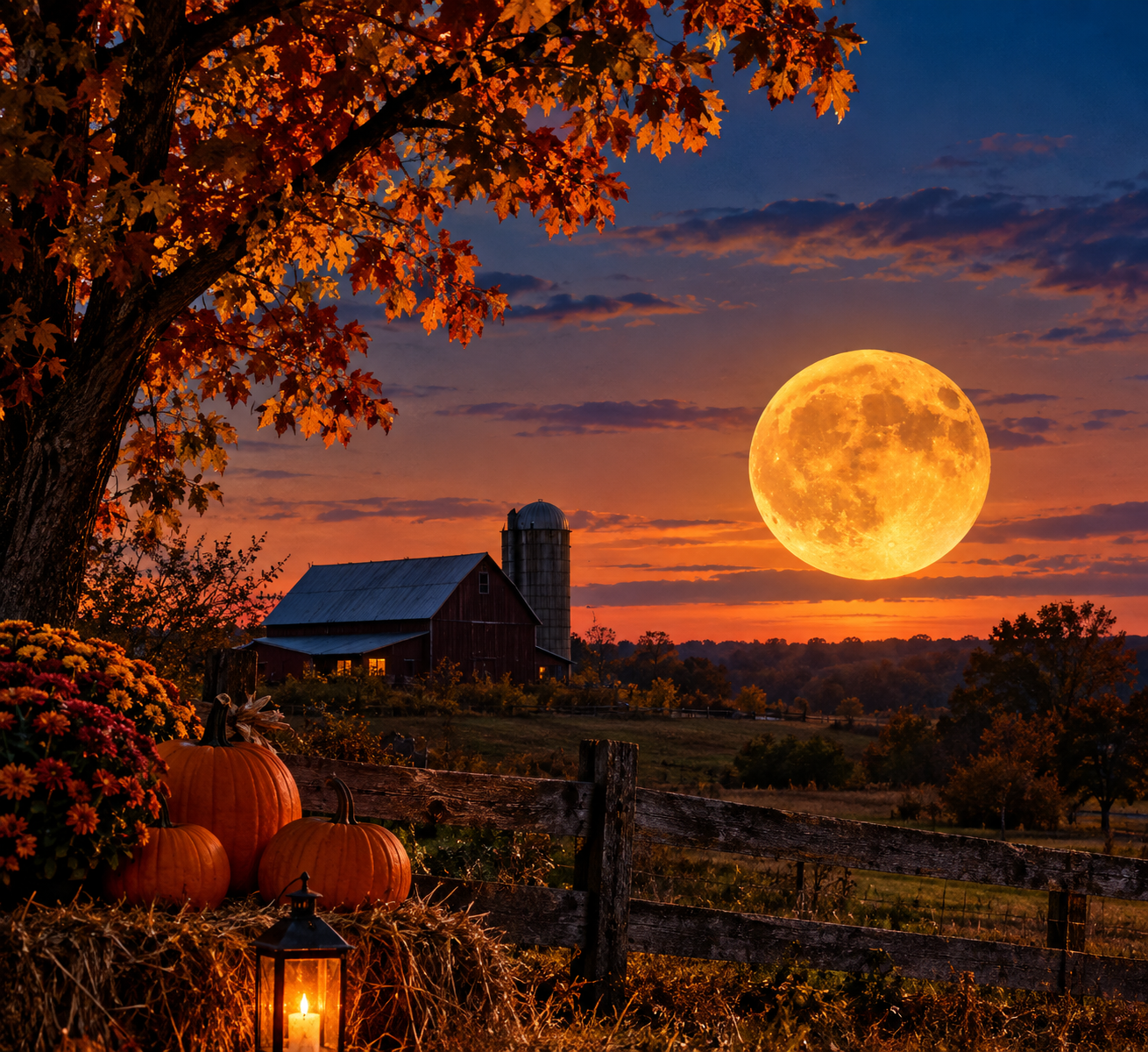
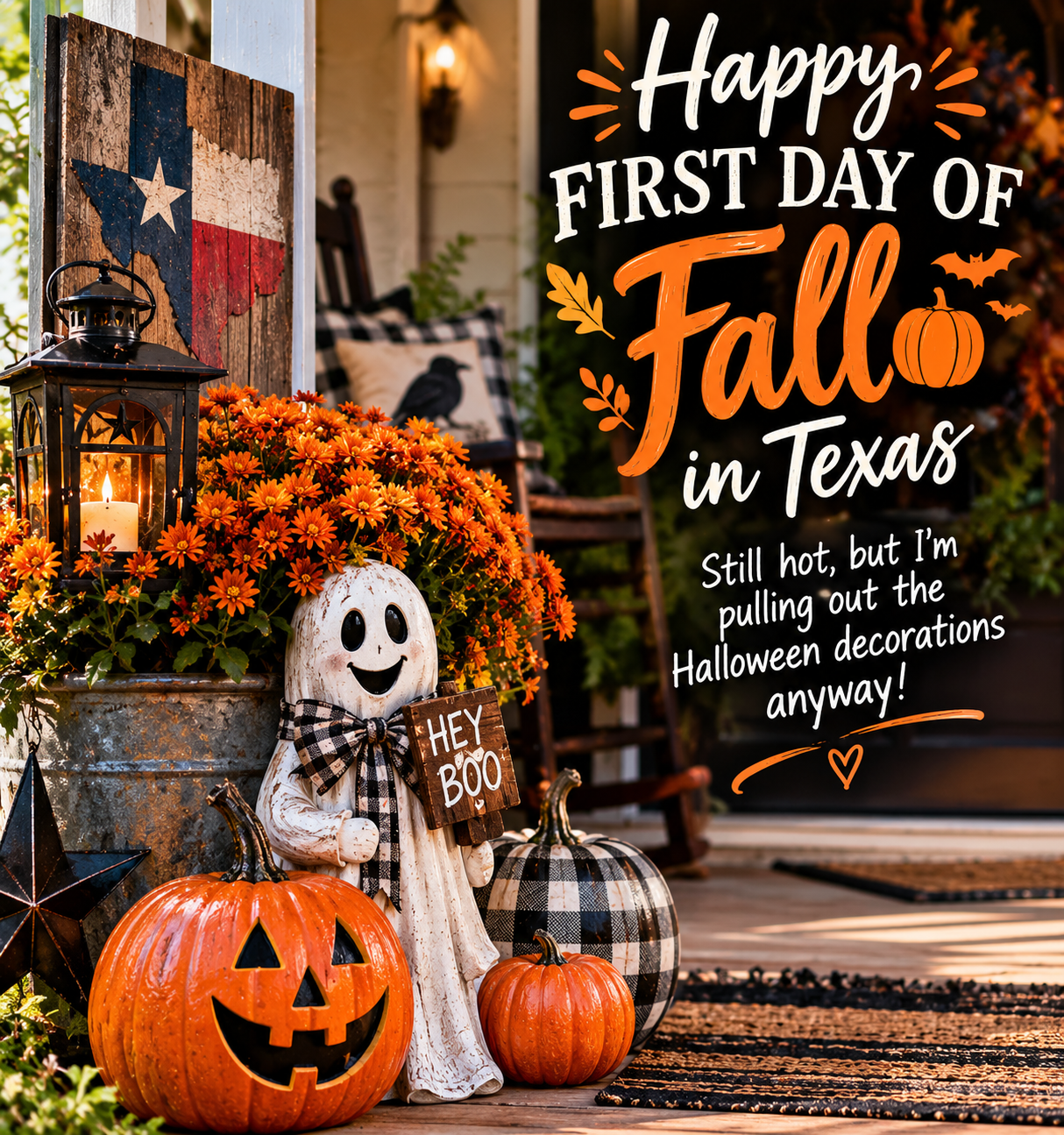
Cozy fall porch decorated with pumpkins, mums, lanterns, plaid blankets, and warm autumn colors celebrating Augtober.

If you ask the calendar, fall is still weeks away. However, if you ask a true autumn lover, today is something much more exciting.

Welcome to Augtober.

Around here, August 1 marks the unofficial beginning of the best season of the year. Sure, it’s probably still 100 degrees outside, the mosquitoes are treating everyone like an all-you-can-eat buffet, and the air conditioner is working overtime. None of that matters. In our hearts, fall has officially arrived.

While everyone else is squeezing in one last pool day, we’re already dreaming about pumpkin patches, oversized sweaters, cinnamon candles, and cozy nights on the couch.

What Exactly Is Augtober?

Augtober is the magical moment when August quietly starts pretending to be October.

No, it isn’t an official holiday. You won’t find it on any calendar. Yet thousands of fall lovers celebrate it every year by mentally closing the chapter on summer and eagerly welcoming everything cozy.

It’s less about the weather and more about the feeling.

That first morning of August somehow flips a switch. Suddenly your social media feeds fill with pumpkins, cozy books, simmer pots, chunky blankets, spooky decorations, apple desserts, and countdowns to Halloween. Even if it’s still blazing hot outside, your brain has already packed away flip-flops and started shopping for flannel.

The Signs You Might Be Celebrating Augtober

If any of these sound familiar, congratulations. You’re one of us.

  • You’re already searching for fall decor.
  • Pumpkin spice season cannot arrive fast enough.
  • You’ve started making your autumn playlist.
  • You secretly wish it would rain all day.
  • Your Pinterest boards are suddenly full of cozy living rooms and front porch ideas.
  • You light a fall candle even though it’s 98 degrees outside.
  • You’re already planning Halloween costumes.
  • Every candle aisle at the store somehow calls your name.
  • You’re watching Gilmore Girls, Hocus Pocus, or Practical Magic…again.
  • You catch yourself saying, “It’ll be fall before we know it.”

Yes, It’s Still Hot. We Simply Choose To Ignore That.

Living in Texas means Augtober requires a little imagination.

The leaves are still bright green. The humidity is trying its best to ruin everyone’s hair. Walking outside feels like opening the oven to check on dinner. Even so, none of those things can stop the excitement.

Instead of waiting for the weather to cooperate, we create our own fall atmosphere.

The candles come out. The cinnamon starts baking. The cozy blankets find their way back onto the couch, even if nobody can actually use them until October. It’s all about embracing the feeling before Mother Nature gets the memo.

The Best Ways To Celebrate Augtober

The beauty of Augtober is that there are no rules. You simply lean into everything that makes autumn feel magical.

Some favorite traditions include:

  • Decorating one small corner of your home for fall.
  • Making a bucket list of everything you want to do this season.
  • Browsing craft stores just to admire the pumpkins.
  • Reading a cozy mystery or spooky novel.
  • Baking something with apples or cinnamon.
  • Creating a new fall playlist.
  • Planning trips to pumpkin patches and fall festivals.
  • Swapping bright summer decor for warm wood tones, plaid, and amber glass.
  • Starting your Christmas gift planning while you’re feeling productive.

Even one tiny autumn touch can make the whole house feel different.

Why Fall Lovers Never Wait Until September

For many people, fall isn’t just another season. It’s a whole personality.

There’s something comforting about slowing down after the busy pace of summer. The colors become warmer. The food becomes heartier. The decorations become cozier. Even everyday routines somehow feel more enjoyable.

Because of that, waiting until late September simply feels too long. Augtober gives us permission to stretch out our favorite season and enjoy every cozy moment we can.

After all, pumpkin candles don’t have expiration dates.

Welcome To Cozy Season

If you’ve ever pulled out a fall mug while everyone else was still sipping lemonade, you’re in good company.

If you’ve ever decorated with pumpkins while your neighbors were still mowing around inflatable pools, we understand completely.

And if you’ve ever looked at the calendar on August 1 and whispered, “Happy Augtober,” then you already know this isn’t just a made-up word.

It’s a state of mind.

So go ahead and light that candle. Turn on your favorite cozy playlist. Browse the pumpkin displays. Start planning your fall baking list. Most importantly, enjoy every extra day of your favorite season.

Happy Augtober, friends. May your sweaters be ready, your candles smell amazing, and may cooler weather hurry up and catch the rest of us.

Lisa Crow contributed to this article. She is a true crime junkie and lifestyle blogger based in Waco, Texas. Lisa is the Head of Content at Gigi’s Ramblings and Southern Bred True Crime Junkie. She spends her free time traveling when she can and making memories with her large family which consists of six children and sixteen grandchildren.
Lush backyard landscape filled with colorful shrubs, ornamental grasses, and flowering perennials.

You don’t need a massive landscaping budget to create a yard that feels lush, welcoming, and established. In fact, some of the most beautiful gardens rely on a handful of dependable plants that quickly fill empty spaces, soften harsh lines, and add layers of texture. Whether you’re working with a tiny front yard or several acres in the country, choosing the right plants can completely transform the look of your outdoor space.

The best part is that many of these plants are affordable, easy to grow, and continue looking better year after year. By mixing heights, colors, and foliage textures, you can make even a newer landscape look like it’s been growing for decades.

Shrubs Create the Backbone of the Landscape

When people think of a full yard, they’re usually noticing the shrubs first. These dependable plants provide year-round structure and make flower beds appear much larger than they actually are.

Hydrangeas are an excellent choice if you want large blooms that fill space throughout the summer. Their rounded shape naturally softens corners while creating an abundant appearance.

Loropetalum offers rich burgundy foliage with bright pink blooms in spring, adding both color and fullness. Many varieties stay attractive throughout the year, making them an excellent investment.

If you live in warmer climates, Indian hawthorn and dwarf yaupon holly also provide thick evergreen coverage that keeps the landscape from looking bare during winter.

Related: DIY Gardening: Tips for Starting Your Spring Garden

Ornamental Grasses Add Movement

Nothing makes a landscape feel alive quite like ornamental grasses. Even a gentle breeze creates movement that instantly makes the yard feel more dynamic.

Muhly grass has become a favorite because of its stunning pink clouds of blooms in the fall. During the rest of the year, its graceful green foliage fills empty areas beautifully.

Fountain grass creates soft mounds that pair well with flowering plants, while switchgrass adds height without overwhelming smaller gardens.

Planting grasses in groups of three or five creates an even fuller appearance than scattering single plants throughout the landscape.

Perennials Keep Beds Looking Packed

Perennials are some of the hardest-working plants in the garden because they return every year while gradually growing larger.

Coneflowers bloom for months and attract butterflies, while black-eyed Susans produce cheerful golden flowers that brighten almost any garden.

Salvia provides tall spikes of color and often blooms multiple times if trimmed back after the first flush of flowers.

Daylilies are another favorite because each clump grows wider over time, naturally filling empty spaces without much effort.

Ground Covers Eliminate Bare Spots

Bare soil is one of the biggest reasons a yard looks unfinished. Ground covers solve that problem while reducing weeds and helping the soil retain moisture.

Creeping phlox creates a colorful carpet of flowers every spring, while creeping Jenny spreads quickly with vibrant chartreuse foliage.

Ajuga adds glossy leaves and striking blue flower spikes that brighten shady areas where grass struggles to grow.

Even simple mulch looks better when surrounded by attractive ground covers that soften the edges.

Layer Different Heights

Professional landscapes rarely rely on one type of plant. Instead, they combine several layers to create depth and visual interest.

Start with taller shrubs in the back, medium-sized flowering plants in the middle, and low-growing ground covers along the front edge. Then weave ornamental grasses throughout the bed to introduce texture and movement.

This layered approach tricks the eye into seeing a much fuller landscape, even when each plant has plenty of room to mature.

Choose Plants With Interesting Foliage

Flowers come and go, but foliage stays around much longer. Mixing different leaf shapes, sizes, and colors keeps the garden looking full throughout the growing season.

Hostas provide broad leaves for shady gardens, while coleus offers vibrant colors that rival many flowering plants. Heuchera, often called coral bells, comes in shades ranging from lime green to deep burgundy, making it easy to add contrast without relying entirely on blooms.

Evergreen shrubs also help maintain fullness when flowering plants go dormant.

Repeat Plants Throughout the Yard

One trick professional landscapers use is repetition. Rather than buying one of everything, repeat the same few plants throughout the landscape.

Using the same hydrangea, ornamental grass, or perennial in multiple beds creates a sense of unity while making the landscape appear thoughtfully designed. It also allows individual plants to make a bigger visual impact.

Repeating plants is often less expensive than constantly adding new varieties, and the finished yard looks far more polished.

Don’t Forget Containers

Large planters can instantly make a porch, patio, or empty corner feel lush. Fill containers with a combination of upright plants, mounding fillers, and trailing vines for the biggest impact.

Even if your flower beds are still growing in, strategically placed containers create instant fullness and color where you need it most.

Changing container plants with the seasons also keeps your yard looking fresh throughout the year.

Final Thoughts

Creating a landscape that feels full isn’t about planting hundreds of flowers. It’s about choosing reliable plants that grow well, layering them thoughtfully, and allowing them time to mature. With a mix of shrubs, ornamental grasses, perennials, and ground covers, your yard can look rich, inviting, and beautifully established without emptying your wallet.

Remember that gardens improve with every season. A few carefully chosen plants today can become the lush, overflowing landscape you’ve been dreaming about before you know it.

Lisa Crow contributed to this article. She is a true crime junkie and lifestyle blogger based in Waco, Texas. Lisa is the Head of Content at Gigi’s Ramblings and Southern Bred True Crime Junkie. She spends her free time traveling when she can and making memories with her large family which consists of six children and sixteen grandchildren.
Skip the recipe cards with these easy dinner ideas you can throw together using simple pantry and fridge staples.

Some nights, the last thing anybody wants to do is stare at a recipe while trying to figure out what’s for supper. After a long day, measuring spices, washing a mountain of dishes, and making three trips to the grocery store just isn’t happening. Thankfully, not every meal has to come from a cookbook.

I’m a big fan of meals that let you use whatever you’ve already got sitting in the refrigerator, freezer, or pantry. These kinds of dinners save money, reduce food waste, and honestly take a whole lot of stress out of cooking. Once you start thinking in combinations instead of recipes, dinner becomes much easier.

Build A Loaded Baked Potato

A baked potato is basically a blank canvas. Bake a few potatoes, then let everyone pile on their favorite toppings. It turns dinner into something fun without creating extra work for you.

Try toppings like:

  • Shredded cheese
  • Sour cream
  • Butter
  • Bacon bits
  • Leftover taco meat
  • Chili
  • Broccoli
  • Green onions
  • Cottage cheese
  • Salsa

Everyone gets exactly what they want, and you don’t have to follow a single recipe.

Make A Snack Board For Dinner

Who decided charcuterie boards were only for parties? Around here, a snack board counts as a perfectly acceptable dinner every now and then.

Mix together things like:

  • Cheese cubes
  • Crackers
  • Fresh fruit
  • Grapes
  • Apple slices
  • Baby carrots
  • Cucumbers
  • Hard-boiled eggs
  • Deli meat
  • Pickles
  • Hummus
  • Nuts

It’s colorful, easy to customize, and requires almost no cooking at all.

Create A Taco Bar

Instead of making one complicated meal, simply put ingredients in bowls and let everyone build their own tacos, burritos, or taco salads.

You can use:

  • Ground beef
  • Shredded chicken
  • Black beans
  • Rice
  • Lettuce
  • Tomatoes
  • Cheese
  • Salsa
  • Guacamole
  • Tortillas
  • Tortilla chips

It’s one of those dinners that somehow feels like more work than it actually is.

Turn Leftovers Into Grain Bowls

Don’t overlook yesterday’s leftovers. A little rice, quinoa, or even mashed potatoes can become the base for an entirely new meal.

Top your bowl with whatever you have available:

  • Leftover vegetables
  • Rotisserie chicken
  • Steak
  • Black beans
  • Corn
  • Avocado
  • Fried egg
  • Cheese
  • Ranch or your favorite dressing

Every bowl comes out a little different, which keeps things interesting.

Breakfast For Supper

Breakfast foods are usually quick, inexpensive, and filling. Better yet, most families already keep the ingredients on hand.

Serve:

  • Scrambled eggs
  • Toast
  • Pancakes
  • Waffles
  • Sausage
  • Bacon
  • Fruit
  • Yogurt

Breakfast for dinner never seems to disappoint.

Pasta Without The Fuss

Pasta doesn’t have to mean spending hours making homemade sauce. Boil your favorite pasta and toss it with whatever sounds good.

Simple combinations include:

  • Butter and Parmesan
  • Olive oil, garlic, and spinach
  • Jarred marinara
  • Alfredo sauce
  • Pesto
  • Cherry tomatoes
  • Grilled chicken
  • Frozen vegetables

Dinner is on the table before anyone has time to complain they’re hungry.

Sheet Pan Suppers

This may be one of the easiest meals ever invented. Toss protein and vegetables onto one baking sheet, drizzle with olive oil, season however you like, and roast everything together.

Some easy combinations include:

  • Sausage and potatoes
  • Chicken with broccoli
  • Shrimp and asparagus
  • Sweet potatoes with peppers
  • Brussels sprouts with smoked sausage

Cleanup is almost as easy as the cooking.

Grilled Cheese And Soup

Sometimes the classics are classics for a reason. A grilled cheese sandwich alongside a bowl of tomato soup, potato soup, or vegetable soup makes a comforting meal that comes together fast.

Pair it with fresh fruit or a simple salad if you want to round things out, but honestly, it’s pretty satisfying all by itself.

Quesadillas Save The Day

Quesadillas are one of the easiest ways to use small amounts of leftovers. Almost anything tastes good tucked inside a tortilla with melted cheese.

Try adding:

  • Chicken
  • Ground beef
  • Black beans
  • Peppers
  • Onions
  • Spinach
  • Mushrooms
  • Leftover roasted vegetables

Serve with salsa or sour cream, and dinner is done.

Rice Bowls With Whatever You Have

Rice stretches ingredients beautifully, especially when groceries are running low. Start with cooked rice and simply add whatever protein and vegetables need to be used up.

Finish everything with soy sauce, teriyaki sauce, barbecue sauce, hot sauce, or ranch dressing. There really aren’t many wrong answers.

Keep A “Dinner Formula” Instead Of Recipes

One trick that makes weeknight cooking much easier is thinking about meals in simple formulas instead of exact instructions.

Most dinners can be built using four basic parts:

  • A protein
  • A starch
  • A vegetable
  • A sauce or seasoning

For example, grilled chicken + rice + green beans + barbecue sauce becomes dinner. Ground beef + potatoes + corn + shredded cheese becomes dinner. Once you start seeing these combinations, you’ll realize you already know far more meals than you thought.

Don’t Overcomplicate Supper

Social media has convinced us every meal needs fifteen ingredients and beautiful presentation, but real life doesn’t usually work that way. Some of the best family dinners come from using what’s already in the kitchen instead of making another trip to the grocery store.

The next time you’re tempted to search for a complicated recipe, open the refrigerator first. You might already have everything you need to make a delicious meal without measuring a single teaspoon. Sometimes the easiest dinners become the ones your family asks for again and again.

A massive golden Buck Moon rises over the Texas countryside as a velvet-antlered whitetail buck stands in a wildflower meadow beside a rustic windmill at sunset.

Every July, people across the country start talking about the Buck Moon, and it’s easy to see why. There’s something special about a full moon hanging low in the warm summer sky, especially when the evenings are filled with the sounds of crickets, lightning bugs, and backyard gatherings. Whether you’re an avid stargazer or simply enjoy stepping outside after sunset, the Buck Moon is one of the year’s most beautiful celestial events.

The 2026 Buck Moon reaches its fullest phase on Wednesday, July 29, making the next few evenings an excellent time to look up. While the moon technically becomes full at a specific moment, it will appear completely full to the naked eye the night before and the night after as well.

Why Is It Called the Buck Moon?

The name “Buck Moon” comes from the time of year when male deer, known as bucks, begin growing a fresh set of antlers. During late spring and early summer, those antlers are covered in a soft, velvety layer that supplies blood and nutrients while they develop. By mid to late summer, the antlers have grown dramatically, making July the perfect time for this full moon to earn its memorable name.

Many of today’s full moon names originated with Indigenous peoples and were later recorded in publications like the Old Farmer’s Almanac. These names helped mark the changing seasons and served as natural reminders of important events in agriculture, hunting, fishing, and daily life.

Other Names for July’s Full Moon

The Buck Moon isn’t the only name this full moon has carried through history. Different cultures recognized July’s full moon for different seasonal events, giving it a variety of fascinating names.

Some of the most well-known include:

  • Thunder Moon, thanks to frequent summer thunderstorms.
  • Hay Moon, marking the season for harvesting hay.
  • Salmon Moon, used by some Indigenous tribes during salmon runs.
  • Raspberry Moon, reflecting the ripening of wild berries.

These traditional names remind us how closely people once watched nature long before calendars and weather apps existed.

When to See the Buck Moon

The best time to enjoy the Buck Moon is shortly after it rises above the eastern horizon. At moonrise, it often appears much larger than it does later in the night. While this is actually an optical illusion, it creates one of the most stunning views you’ll see all year.

If possible, find an open area away from tall buildings and heavy light pollution. Parks, lakes, country roads, and open fields often provide spectacular views of the moon climbing into the evening sky.

Even if you miss the exact peak, don’t worry. The moon will still appear nearly full for a couple of nights before and after July 29.

Is the Buck Moon Really Bigger?

Every year social media fills with claims that the Buck Moon is a giant moon or a supermoon. While those events occasionally happen together, they are not the same thing.

The Buck Moon is simply the traditional name for July’s full moon. Some years it may also qualify as a supermoon if it occurs near the moon’s closest point to Earth. In 2026, however, the Buck Moon is not considered a supermoon. It will still be every bit as beautiful, just without the slightly larger appearance associated with supermoons.

Fun Ways to Celebrate the Buck Moon

You don’t need a telescope or expensive equipment to enjoy this lunar event. Sometimes the simplest evenings become the most memorable.

Here are a few fun ideas:

  • Pack a picnic and watch moonrise.
  • Take nighttime photos with your phone or camera.
  • Go for an evening walk once temperatures cool down.
  • Sit on the porch with a glass of sweet tea and enjoy the peaceful summer sky.
  • Try identifying bright stars or constellations once darkness settles in.

If you have children or grandchildren, the Buck Moon is also a wonderful opportunity to introduce them to astronomy and the stories behind the changing seasons.

Related: Do Full Moons Really Influence Crime Rates?

A Beautiful Reminder to Slow Down

Life has a way of keeping us busy, especially during the summer months. The Buck Moon offers a simple excuse to pause for a little while, step outside, and appreciate something that people have admired for thousands of years.

Whether you’re watching from a quiet country porch, a neighborhood backyard, or a favorite camping spot, July’s full moon is a beautiful reminder that some of nature’s greatest shows don’t require a ticket. Just look up, enjoy the warm summer night, and let the Buck Moon put on its annual performance.

Lisa Crow contributed to this article. She is a true crime junkie and lifestyle blogger based in Waco, Texas. Lisa is the Head of Content at Gigi’s Ramblings and Southern Bred True Crime Junkie. She spends her free time traveling when she can and making memories with her large family which consists of six children and sixteen grandchildren.

Colorful travel planning scene with a world map, passport, boarding passes, camera, tropical drink, cash, and dream destinations in the background, highlighting affordable vacation planning.

Travel doesn’t have to drain your savings account. While social media loves to showcase luxury resorts and first-class flights, the truth is that some of the best vacations happen on a modest budget. A little planning and a few smart strategies can stretch your travel dollars much farther than you might expect.

I’ve always believed that making memories matters more than staying in the fanciest hotel. Whether you’re planning a weekend road trip or finally crossing a dream destination off your bucket list, these cheap vacation tricks can help you spend less and enjoy more.

Be Flexible With Your Travel Dates

One of the easiest ways to save hundreds of dollars is simply by adjusting your travel dates. Flying on a Tuesday or Wednesday is often much cheaper than traveling on weekends, and avoiding major holidays can make an even bigger difference.

If your schedule allows, compare prices for several different departure dates before booking. Even shifting your vacation by a day or two can result in surprisingly large savings.

Travel During the Shoulder Season

Everyone wants to visit destinations during peak season, but that’s exactly when prices skyrocket.

Instead, consider traveling during the shoulder season, which is the period just before or after the busiest tourist months. You’ll often find lower airfare, cheaper hotels, fewer crowds, and a much more relaxing experience overall. The weather is usually still pleasant, making it one of the smartest travel hacks around.

Related: The Most Bizarre Festivals Across the US

Consider Alternative Airports

Most travelers automatically search flights from the nearest major airport, but that isn’t always the cheapest option.

Check nearby airports within a reasonable driving distance. Sometimes a one-hour drive can save several hundred dollars on airfare, especially for families purchasing multiple tickets. The same strategy works for your destination airport as well.

Pack Light to Avoid Extra Fees

Airlines have become experts at charging baggage fees.

Traveling with only a carry-on can save anywhere from $35 to over $100 per bag each way. Besides saving money, you’ll spend less time waiting at baggage claim and won’t have to worry about lost luggage ruining your trip.

Choosing versatile clothing that mixes and matches makes packing much easier than most people expect.

Book Accommodations With a Kitchen

Eating every meal in restaurants adds up quickly.

Renting a vacation home, apartment, or hotel suite with a small kitchen allows you to prepare breakfast, snacks, and even a few dinners. Shopping at a local grocery store is usually far less expensive than dining out three times a day, and it gives you a chance to experience local foods like a resident instead of a tourist.

Even making your own morning coffee or tea can save a surprising amount over the course of a week.

Look Beyond Hotels

Hotels aren’t always the best value.

Vacation rentals, cabins, campgrounds, boutique inns, and locally owned bed-and-breakfasts often provide more space and unique experiences for similar or lower prices. Depending on your destination, they may also include amenities like free parking, laundry facilities, or kitchens that help you save even more.

Always compare your options before making a reservation.

Take Advantage of Free Attractions

Every destination has hidden gems that cost absolutely nothing.

Many cities offer free museums on certain days, beautiful public gardens, hiking trails, scenic overlooks, beaches, festivals, and historic districts that don’t require admission. Some of our family’s favorite vacation memories came from wandering downtown streets, watching sunsets, and exploring local parks rather than paying for expensive attractions.

Sometimes the best experiences are the ones that don’t cost a dime.

Eat Where the Locals Eat

Restaurants located directly beside major tourist attractions usually charge premium prices.

Walk a few blocks away and you’ll often discover locally owned diners, taco stands, food trucks, and neighborhood cafés serving larger portions at much lower prices. Not only will you save money, but you’ll probably enjoy a much more authentic meal.

Checking local reviews before your trip can uncover fantastic hidden favorites.

Use Reward Programs

If you travel even occasionally, reward programs are worth joining.

Many hotel chains, airlines, and travel websites offer free loyalty programs that earn points toward future stays or flights. Over time, those rewards can add up to free nights, discounted airfare, room upgrades, or other valuable perks.

Since most programs are free, there’s little downside to signing up.

Plan a Few Meals Before You Leave

One overlooked vacation expense is constantly deciding where to eat.

Researching a handful of restaurants before your trip helps you avoid overpriced tourist traps and impulse spending. You don’t need every meal planned, but having a few affordable favorites picked out ahead of time can keep your budget on track.

Plus, you’ll spend less time scrolling through reviews when you’d rather be enjoying your vacation.

Consider a Road Trip Instead of Flying

Depending on where you’re going, driving can save a significant amount of money.

Road trips eliminate airfare costs, allow you to bring more luggage, and give you the freedom to stop at interesting attractions along the way. Sharing fuel costs with family or friends makes the trip even more affordable.

Some of the best adventures happen between the destination and the drive itself.

Set a Daily Spending Budget

Vacations can make it easy to lose track of spending.

Setting a realistic daily budget for food, entertainment, and souvenirs helps prevent unpleasant surprises when you return home. Knowing your spending limit also makes it easier to decide when to splurge on something special and when to save.

A little planning now means less financial stress later.

Affordable Adventures Create Lasting Memories

An unforgettable vacation isn’t measured by how much money you spend. It’s measured by the memories you make, the places you explore, and the people you’re with.

By staying flexible, planning ahead, and looking beyond the obvious choices, you can enjoy incredible trips without emptying your bank account. After all, the goal isn’t to spend the most money. It’s to come home with the best stories.

Frequently Asked Questions

What is the cheapest day to book a vacation?

Prices constantly change, but traveling on weekdays and booking well in advance often leads to better deals than waiting until the last minute.

How can I save money on food while traveling?

Choose accommodations with a kitchen, shop at local grocery stores, pack snacks, and eat at restaurants that locals recommend instead of tourist hotspots.

Is driving cheaper than flying?

For shorter distances or family vacations, driving is often less expensive because you avoid airfare, baggage fees, rental car costs, and airport parking.

How much should I budget for daily vacation spending?

The amount varies by destination, but setting a daily spending limit before your trip can help you stay on budget while still enjoying your vacation.

Lisa Crow contributed to this article. She is a true crime junkie and lifestyle blogger based in Waco, Texas. Lisa is the Head of Content at Gigi’s Ramblings and Southern Bred True Crime Junkie. She spends her free time traveling when she can and making memories with her large family which consists of six children and sixteen grandchildren.
A person walks on the ridge of a giant sand dune at sunrise in Namibia, their footprints left behind. Text in the sky reads: "The World's Quietest Places NAMIBIA SOLITUDE & SILENCE."

There’s something almost magical about true silence. These days, we’re surrounded by notifications, traffic, televisions, and a constant stream of noise that follows us from morning until bedtime. Finding a place where you can actually hear… nothing at all has become surprisingly rare.

As someone who thrives in a quiet house, I’ve always been fascinated by places where silence isn’t just an absence of sound but an experience all its own. While I don’t think I’d last long completely cut off from civilization, I can certainly appreciate destinations where nature gets to do all the talking.

If you’ve ever wondered where the quietest places on Earth are, here’s a journey to some of the most peaceful corners of the planet.

Anechoic Chamber at Orfield Laboratories, Minnesota

Ironically, one of the quietest places in the world isn’t outdoors at all.

The famous anechoic chamber at Orfield Laboratories is specifically engineered to absorb nearly every sound. The room measures at an astonishing negative decibel level, eliminating echoes so completely that people often begin hearing sounds from inside their own bodies. Visitors have reported hearing their heartbeat, breathing, stomach, and even joints moving.

Interestingly, very few people can remain inside for more than an hour. Without outside sounds to orient the brain, many begin to feel disoriented, making the silence almost overwhelming instead of relaxing.

Hoh Rain Forest, Washington

Located within Olympic National Park, the Hoh Rain Forest offers a completely different kind of quiet. Rather than total silence, you’ll experience what many call “natural silence,” where only gentle sounds like birdsong, distant streams, and wind through towering spruce and maple trees break the stillness.

The thick moss covering nearly every surface acts like nature’s own soundproofing, softening echoes and creating an incredibly peaceful atmosphere. Walking these trails feels almost dreamlike, especially early in the morning before crowds arrive.

It’s the kind of place where you’ll naturally lower your voice without even realizing it.

Haleakalā National Park, Hawaii

Standing atop Haleakalā before sunrise is an unforgettable experience. At over 10,000 feet above sea level, the volcanic landscape feels almost otherworldly, with remarkably little human-made noise reaching the summit.

As dawn approaches, visitors often find themselves standing in complete silence while watching clouds drift below them. The combination of thin air, vast open space, and breathtaking scenery creates an atmosphere that feels both peaceful and humbling.

Even after the famous sunrise crowds depart, many hiking trails remain wonderfully quiet throughout the day.

Namib Desert, Namibia

The Namib Desert is one of Earth’s oldest deserts, stretching for hundreds of miles along Africa’s southwestern coast. Because of its immense size and sparse population, it’s also among the quietest natural environments you’ll ever encounter.

Standing atop one of the towering orange sand dunes, you may hear little more than a gentle breeze shifting grains of sand. With almost no roads, cities, or aircraft nearby, silence becomes part of the landscape itself.

At night, the stars seem impossibly bright, making the quiet feel even more profound.

Antarctica

It’s difficult to imagine a quieter continent than Antarctica.

With no permanent cities, very little wildlife during certain seasons, and endless expanses of snow and ice, the continent often feels suspended outside of time. Snow naturally absorbs sound, leaving only the occasional crack of shifting ice or the distant call of a penguin colony.

Many visitors describe Antarctica’s silence as almost spiritual, offering a rare chance to completely disconnect from the noise of everyday life.

Boundary Waters Canoe Area, Minnesota

The Boundary Waters Wilderness is a paradise for paddlers seeking peace and solitude. Motorized boats are heavily restricted throughout much of the area, allowing the sounds of paddles slicing through calm water to replace engine noise.

Early mornings are especially tranquil. Mist rises from the lakes while loons call across the water, creating one of North America’s most peaceful wilderness experiences.

Because there are no roads crossing much of the region, it’s remarkably easy to find complete solitude after paddling just a short distance.

Lapland, Finland

Winter transforms Finland’s Lapland into one of Europe’s quietest destinations.

Fresh snow blankets forests and frozen lakes, absorbing surrounding sounds while creating an almost surreal stillness. The only interruptions may be reindeer wandering nearby or the soft crunch of boots through deep snow.

If you’re lucky enough to visit during an aurora display, you’ll witness the Northern Lights dancing overhead in complete silence, making the experience feel almost unreal.

Makgadikgadi Salt Pans, Botswana

Stretching across thousands of square miles, Botswana’s Makgadikgadi Salt Pans create one of the flattest and quietest landscapes on Earth.

During the dry season, the endless white surface extends to the horizon with virtually no vegetation or development. Standing alone here, you’ll quickly realize just how much background noise most of us live with every day.

The immense openness gives the silence an almost tangible quality that few places can match.

Torres del Paine National Park, Chile

While parts of Torres del Paine attract hikers from around the world, many remote areas remain astonishingly peaceful.

The towering granite peaks, turquoise lakes, and vast valleys create an environment where natural sounds dominate. Wind sweeping across the mountains, distant waterfalls, and the occasional soaring condor are often the only sounds you’ll hear.

It’s a reminder that silence doesn’t always mean complete stillness. Sometimes it’s simply the absence of human noise.

Related: The History Behind Texas Dance Halls

The Importance of Finding Quiet

We often think of silence as empty, but it can actually be incredibly restorative. Spending time away from constant noise allows our minds to slow down, improves concentration, and gives us a chance to truly notice the world around us.

Whether you’re hiking through an ancient rainforest, watching the sunrise from a volcanic summit, or simply sitting beside a quiet lake, moments of peace can leave a lasting impression. You don’t have to travel to Antarctica or the Namib Desert to appreciate silence, either. Sometimes the quietest place you’ll ever find is a secluded trail, a country porch at sunrise, or your own backyard before everyone else wakes up.

In a world that rarely stops making noise, seeking out a little silence may be one of the greatest adventures of all.

Lisa Crow contributed to this article. She is a true crime junkie and lifestyle blogger based in Waco, Texas. Lisa is the Head of Content at Gigi’s Ramblings and Southern Bred True Crime Junkie. She spends her free time traveling when she can and making memories with her large family which consists of six children and sixteen grandchildren.

image depicts pros of tiny home and rv living

For years, bigger seemed better. Larger homes, bigger mortgages, and more stuff filled garages, closets, and spare bedrooms across America. Today, though, many people are heading in the opposite direction. Tiny homes and RV living have exploded in popularity as families, retirees, young professionals, and remote workers search for a lifestyle that offers more freedom and fewer financial burdens.

While the idea of living in a small space isn’t new, it has certainly become more mainstream over the last decade. Rising housing costs, changing work environments, and a growing desire for experiences over possessions have encouraged thousands of people to rethink what “home” really means. Whether it’s a handcrafted tiny house tucked into the woods or a fifth wheel parked beside a mountain lake, the appeal is easy to understand.

Why More People Are Downsizing

One of the biggest reasons people choose tiny homes or RVs is affordability. Home prices have climbed dramatically in many parts of the country, making traditional homeownership feel out of reach for first-time buyers. A smaller home often comes with a much lower price tag, allowing owners to spend less on mortgages, utilities, insurance, and maintenance.

Beyond the financial benefits, many people simply grow tired of maintaining large houses filled with belongings they rarely use. Downsizing encourages homeowners to focus on what truly matters instead of constantly cleaning, repairing, and organizing extra space. For many, that shift brings a surprising sense of peace.

The Appeal of Living on the Road

RV living offers something that traditional homes simply can’t provide: mobility. Instead of being tied to one neighborhood, full-time RVers can wake up overlooking a mountain range one month and a quiet beach the next. That flexibility has become especially attractive for retirees and people who work remotely.

Modern RVs have also come a long way. Today’s models often include residential kitchens, spacious bathrooms, comfortable bedrooms, fireplaces, washers and dryers, and even dedicated office spaces. With campground Wi-Fi improving across the country, many people now work full-time while traveling from state to state.

For those who crave adventure without giving up everyday comforts, RV living offers a unique balance between home and travel.

Related: The Rise of Digital Nomads in Small Towns

Tiny Homes Continue to Evolve

Tiny homes are no longer just simple cabins built on trailers. Architects and builders have embraced creative designs that maximize every square inch without sacrificing comfort or style. Clever storage solutions, loft bedrooms, multifunctional furniture, and large windows make even the smallest homes feel surprisingly spacious.

Many tiny homeowners also appreciate the opportunity to customize every detail. Since the overall footprint is much smaller, owners often invest in high-quality finishes, energy-efficient appliances, and unique design features that reflect their personalities.

Some communities have even begun developing neighborhoods dedicated entirely to tiny homes, creating close-knit environments where neighbors share common values centered around simplicity and sustainability.

Saving Money Without Sacrificing Comfort

One of the greatest misconceptions about tiny living is that it requires giving up modern conveniences. In reality, many tiny homes and RVs include everything found in traditional houses, just arranged more efficiently.

Smaller living spaces naturally reduce monthly expenses. Heating and cooling costs drop, maintenance becomes easier, and homeowners often discover they spend less money on unnecessary purchases simply because they have less room to store them. Many people use those savings to travel more, pay off debt, build emergency funds, or retire earlier than they expected.

Instead of feeling restricted, many tiny homeowners say they feel financially liberated.

Challenges Worth Considering

Of course, tiny home and RV living are not perfect for everyone. Living in a smaller space requires careful organization and a willingness to let go of excess belongings. Families with multiple children may find the limited square footage more challenging than couples or solo travelers.

RV living also comes with ongoing responsibilities such as campground reservations, maintenance, fuel costs, and occasionally dealing with weather or mechanical issues. Tiny homes can present zoning challenges depending on local regulations, making it important to research local laws before building or purchasing one.

Even with those considerations, many people believe the advantages far outweigh the inconveniences.

Is This Lifestyle Right for You?

Choosing a tiny home or an RV isn’t simply about owning less. It’s about deciding what kind of life you want to build. Some people dream of traveling the country, while others want a quiet cabin with lower expenses and fewer responsibilities. Both lifestyles offer opportunities to simplify daily life and focus more on experiences than possessions.

Before making the leap, it’s wise to spend time in a tiny home or rent an RV for an extended trip. Living in a smaller space feels very different than simply touring one, and firsthand experience can help determine whether the lifestyle truly fits your personality and goals.

Living Bigger by Living Smaller

The growing popularity of tiny homes and RV living shows that success isn’t measured by the size of a house. For many people, freedom, flexibility, and financial peace have become far more valuable than extra square footage. By choosing to live with less, they often discover they gain much more.

Whether you’re dreaming of a tiny cottage tucked beneath towering oak trees or envisioning life on the open road, one thing is certain: the movement toward simpler living isn’t just a passing trend. It’s a lifestyle that continues to inspire people to redefine what home means on their own terms.

Lisa Crow contributed to this article. She is a true crime junkie and lifestyle blogger based in Waco, Texas. Lisa is the Head of Content at Gigi’s Ramblings and Southern Bred True Crime Junkie. She spends her free time traveling when she can and making memories with her large family which consists of six children and sixteen grandchildren.

graphic displaying texas dance halls such as the historic gruene hall

There are few places that capture the spirit of Texas quite like an old dance hall. Long before giant concert venues and flashy entertainment districts took over, these simple wooden buildings were where neighbors gathered to celebrate, socialize, and dance the night away. They were more than just places to hear music. They became the heartbeat of countless communities, bringing together generations through laughter, storytelling, and two-stepping.

I’ve always loved learning about Texas history, and dance halls are one of those traditions that feel uniquely Texan. They tell the story of immigration, family, music, and small-town life all rolled into one. Even today, many of these historic halls continue welcoming visitors who want to experience a piece of living history.

How Texas Dance Halls Began

The roots of Texas dance halls stretch back to the mid-1800s when German, Czech, Polish, and other European immigrants settled throughout Central Texas and the Texas Hill Country. These communities often built gathering halls where families could hold weddings, festivals, church events, and community meetings. Before long, dancing naturally became part of those celebrations.

Unlike today’s entertainment venues, these halls served many purposes. During the week they might host political meetings, school events, or holiday dinners. By Saturday night, however, they transformed into lively dance floors filled with families, neighbors, and traveling musicians.

Many of the earliest dance halls were built almost entirely by local residents using native lumber. Their simple construction, high ceilings, and large open floors created the perfect environment for dancing even during hot Texas summers.

The Music That Shaped a State

Music has always been the soul of every Texas dance hall. Early musicians blended European folk traditions with Mexican influences, cowboy ballads, blues, and later country music. Over time, this unique combination evolved into what many people now recognize as classic Texas music.

Western Swing exploded in popularity during the 1930s and 1940s thanks to legendary musicians like Bob Wills. Often called the “King of Western Swing,” Wills combined fiddle music, jazz, blues, and country into an energetic style that packed dance floors across the state.

As decades passed, dance halls welcomed artists ranging from local fiddle players to future country legends. For many musicians, performing in these halls became an important stepping stone before reaching national fame.

More Than Just Dancing

While dancing brought people through the front door, the halls offered something much deeper. In many rural communities, they served as the social center where families stayed connected throughout the year. Friendships formed, romances blossomed, and countless marriages began with a simple invitation to dance.

Parents often brought their children, making dance halls one of the few places where multiple generations gathered together regularly. Grandparents, parents, and grandchildren could all be found sharing the same dance floor, creating traditions that lasted for decades.

These gatherings also strengthened communities during difficult times. Whether facing droughts, economic hardships, or world wars, neighbors found comfort in spending an evening together with music and familiar faces.

Famous Texas Dance Halls That Still Stand

Several historic dance halls continue operating today, allowing visitors to experience an authentic piece of Texas history.

Gruene Hall, built in 1878, is the oldest continually operating dance hall in Texas. Its weathered wooden floors have welcomed countless performers, including future country superstars before they became household names.

Luckenbach has become almost legendary thanks to its laid-back atmosphere and strong connection to Texas country music. Although it’s a tiny community, its dance hall and outdoor music scene continue drawing visitors from around the world.

Schroeder Hall dates back to 1890 and remains one of the oldest dance halls still hosting live music. Its rustic charm offers a glimpse into what a Saturday night looked like more than a century ago.

Another beloved landmark is Twin Sisters Dance Hall, which continues preserving many of the traditions established by early German settlers.

Why Dance Halls Still Matter Today

Although modern entertainment has changed dramatically, Texas dance halls continue attracting loyal crowds. Some visitors come for the history, while others simply enjoy hearing live music in a setting that feels genuine rather than commercial.

Many dance halls have carefully preserved their original wooden floors, hand-built stages, and historic architecture. Walking inside often feels like stepping back in time, where every scuff mark and weathered beam tells part of the story.

Additionally, these venues help preserve traditional music styles that might otherwise fade away. Young musicians still perform alongside seasoned veterans, ensuring the next generation carries these musical traditions forward.

Related: The History of the Texas Ranger

A Living Piece of Texas Heritage

Texas dance halls represent far more than old buildings. They reflect the state’s rich cultural heritage, blending immigrant traditions, small-town values, and unforgettable music into something entirely unique. Every two-step, fiddle tune, and worn wooden floor tells a story that has been unfolding for well over a century.

Whether you’ve spent countless Saturday nights on a dance floor or have never set foot inside one, visiting a historic Texas dance hall offers a chance to experience Texas as generations before us did. In a fast-changing world, these treasured gathering places continue reminding us that good music, good neighbors, and a little dancing never go out of style.

Lisa Crow contributed to this article. She is a true crime junkie and lifestyle blogger based in Waco, Texas. Lisa is the Head of Content at Gigi’s Ramblings and Southern Bred True Crime Junkie. She spends her free time traveling when she can and making memories with her large family which consists of six children and sixteen grandchildren.

Vintage-style Pinterest graphic about the history of coffee culture featuring retro typography, antique coffee grinder, steaming coffee mug, and a humorous illustration of a woman pinching her nose with the text, "Written by someone who can't stand coffee!" The design highlights coffee's journey from ancient legends to today's trendy café culture.

Coffee has been bringing people together for centuries, and these days it has become more than just a morning pick-me-up. It is a personality trait, a fashion statement, a social event, and for some folks, practically a religion. Whether people are waiting in line for the newest seasonal latte or perfecting their pour-over technique at home, coffee culture has taken on a life of its own.

Now, before all the coffee lovers start clutching their mugs, I have a confession. I do not drink coffee. I can’t even stand the smell of it. Walking into a coffee shop is a little like walking into a candle store that’s burning one giant “Dark Roast Supreme” candle. It simply isn’t my thing. That said, I have always found the history behind coffee absolutely fascinating because few drinks have shaped culture, business, politics, and everyday life quite like this one.

A Goat May Have Started It All

Like many ancient stories, coffee’s origins come with a healthy dose of legend. According to popular folklore, an Ethiopian goat herder named Kaldi noticed his goats becoming unusually energetic after nibbling bright red berries from a certain shrub. Curious, he sampled them himself and experienced the same burst of energy.

Whether Kaldi was real or simply a colorful story passed down through generations, Ethiopia is widely recognized as the birthplace of coffee. Long before fancy coffee chains existed, people were already discovering that these little berries packed quite a punch.

From there, coffee slowly made its way across the Arabian Peninsula, where it would begin changing history.

The World’s First Coffeehouses

By the 15th century, coffee had become popular in Yemen, where it was cultivated and traded throughout the region. Soon afterward, coffeehouses began appearing across cities like Mecca, Cairo, Damascus, and Istanbul.

These weren’t simply places to grab a quick drink before work. Coffeehouses became gathering spots where people discussed politics, shared ideas, played games, listened to music, and debated everything imaginable. Some even called them “Schools of the Wise” because they attracted scholars, merchants, artists, and travelers from every walk of life.

If social media had existed back then, the coffeehouse probably would have been its headquarters.

Coffee Conquers Europe

Coffee arrived in Europe during the 1600s, and people weren’t quite sure what to think of it. Some praised the mysterious dark drink, while others viewed it with suspicion. There were even rumors that coffee was the devil’s beverage.

Fortunately for coffee lovers everywhere, those fears didn’t last long. Coffeehouses quickly spread through England, France, Italy, and beyond. London alone had hundreds of coffeehouses, many of which became meeting places for writers, scientists, businessmen, and politicians.

Interestingly, some businesses that still exist today can trace their roots back to conversations that happened inside those bustling coffeehouses.

Coffee Helps Build America

Coffee became especially popular in America after the Boston Tea Party. Since tea had become closely associated with British rule, many colonists began choosing coffee instead.

Over the years, coffee became woven into American life. Cowboys brewed it over campfires. Soldiers relied on it during wartime. Factory workers started their shifts with it, and families gathered around steaming pots during breakfast.

Even though I personally would rather have sweet tea or just about anything else, there is no denying that coffee became part of America’s daily routine.

The Rise of Modern Coffee Culture

Today’s coffee scene looks very different from what our grandparents experienced. Instead of simply asking for “coffee,” customers can order drinks with names that sound more like chemistry experiments.

Espressos, macchiatos, cold brews, nitro brews, flat whites, cortados, frappes, and seasonal creations seem to appear faster than anyone can keep track of them. Pumpkin spice season alone deserves its own calendar.

Coffee shops have also transformed into community hubs. People work remotely, study for exams, hold business meetings, write novels, record podcasts, and catch up with friends while sipping drinks that sometimes contain more toppings than actual coffee.

Coffee Has Become a Lifestyle

Coffee has evolved into something much bigger than a beverage. It appears on T-shirts, bumper stickers, kitchen décor, greeting cards, memes, and social media posts. Entire home decorating styles revolve around vintage coffee signs and oversized mugs.

Some people proudly announce that they cannot function before coffee. Others collect specialty beans from around the world or spend hundreds of dollars on espresso machines that look like they belong in a science lab.

Meanwhile, I’ll happily walk right past the coffee aisle without a second glance.

Coffee Around the World

Although coffee is enjoyed almost everywhere today, different countries have developed unique traditions.

Italy is famous for its espresso culture, while Turkey has centuries-old brewing methods that produce thick, rich coffee served in small cups. Scandinavian countries consistently rank among the world’s highest coffee consumers, and countries throughout Latin America have built entire economies around growing premium coffee beans.

Every region has added its own traditions, making coffee one of the most culturally significant beverages on Earth.

Why Coffee Continues to Fascinate People

Even though coffee isn’t part of my daily life, I completely understand why people are drawn to it. It creates routines, sparks conversations, supports local businesses, and gives friends an excuse to spend time together. In many ways, the drink itself is only part of the experience.

There’s something charming about a beverage that has traveled from Ethiopian legends to trendy neighborhood cafés while remaining a daily ritual for millions of people. Few foods or drinks can claim that kind of lasting influence.

I’ll still stick with sweet tea every single time, and you’ll never catch me saying I enjoy the smell of fresh coffee. Still, I have to admit that the story behind coffee is every bit as rich as the drink itself. Love it or leave it, coffee has earned its place in history.

Lisa Crow contributed to this article. She is a true crime junkie and lifestyle blogger based in Waco, Texas. Lisa is the Head of Content at Gigi’s Ramblings and Southern Bred True Crime Junkie. She spends her free time traveling when she can and making memories with her large family which consists of six children and sixteen grandchildren.