Smoked brisket sliced on a wooden cutting board beside a smoker with a dark bark, juicy center, barbecue sauce, and Memorial Day decorations in the background.

Brisket is one of those cuts of meat that can either make you feel like a backyard pitmaster or have you standing outside questioning all your life choices at 2 a.m. While most people focus on those giant packer briskets that take all day and half the night to cook, smaller trimmed briskets come with their own set of challenges.

This Memorial Day, we decided to go with a small brisket instead of one of the massive full-size cuts. For one thing, it was just the two of us. Secondly, brisket prices right now are enough to make anybody choke on their sweet tea. The regular-sized briskets were hovering around the $100 mark, which felt downright criminal. We ended up choosing a trimmed brisket around 4.5 pounds that still cost about $50, which honestly still hurt a little.

On top of that, we had taken a short weekend getaway and had just gotten back home. The last thing we wanted was to babysit a smoker for 12 to 16 hours after unpacking bags and getting settled back in. A smaller brisket made a whole lot more sense.

Still, cooking a small trimmed brisket is not always easier. In fact, sometimes they are harder to get right because they can dry out quickly if you are not careful.

Why Small Briskets Are Trickier

A full packer brisket has more fat and thickness, which gives it some protection during those long smoking sessions. Smaller trimmed briskets do not have that luxury. Once a lot of the fat cap has been removed, there is less insulation keeping the meat moist.

That means timing matters more. Temperature matters more. Even how often you check it matters more.

The good news is that if you cook it low and slow and pay attention to moisture, you can still end up with tender slices packed with smoky flavor.

Low and Slow Still Wins

No matter the size, brisket is still a tough cut of meat. It comes from a hardworking muscle, which means it needs time for all that connective tissue to break down properly.

Trying to rush brisket almost always leads to disappointment.

We kept the smoker running around 225 degrees and let the brisket slowly do its thing. Even with a smaller cut, patience still matters. While a giant brisket may take 12 to 16 hours, our little 4.5-pound brisket cooked much faster, which honestly fit the holiday weekend perfectly.

Our brisket smoked for around 6 hours total and turned out just right. A smaller brisket can typically finish in around 5 to 8 hours, depending on thickness, smoker temperature, and whether you wrap it.

Related: Memorial Day Isn’t Just About BBQ and Beach Trips

Choosing the Right Wood

One thing that makes a huge difference when smoking brisket is the type of wood you use. Around Texas, mesquite is a favorite and honestly, that’s what we prefer too. Mesquite gives brisket that bold Texas barbecue flavor a lot of people love.

That said, mesquite is not exactly forgiving.

It burns hotter than many other woods and creates a much more intense smoke flavor. If you are not careful, especially with a smaller trimmed brisket, it can overpower the meat pretty quickly. Since small briskets cook faster and have less fat protection, too much mesquite smoke can become bitter if the fire is not managed properly.

If mesquite feels a little too strong, there are several other great options for brisket:

  • Oak is probably the most popular overall choice because it gives a steady burn and a classic smoky flavor without overpowering the meat.
  • Post oak is especially popular in Central Texas-style barbecue and produces a balanced smoke flavor perfect for brisket.
  • Pecan adds a slightly sweet and nutty flavor that works really well with beef.
  • Hickory is another popular option with a rich, smoky taste, though it can become strong if overused.

A lot of pitmasters actually mix woods together to get the flavor profile they want.

Don’t Skip the Spritz

One thing that becomes even more important with a trimmed brisket is spritzing.

Since there is less fat protecting the meat, the outside can dry out fast. Spritzing helps keep the surface moist while also helping that bark develop nicely.

We used a simple apple cider vinegar and water mixture every hour or so after the first couple of hours. Some people use apple juice, beef broth, or other vinegar mixtures, but honestly, there are several good options depending on the flavor you want.

The key is not soaking the brisket. You just want enough moisture to keep the exterior from drying out while the inside slowly becomes tender.

Seasoning a Small Brisket

You really do not need anything fancy.

Brisket shines when you keep things simple. We usually use Salt Lick or Chupacabra Brisket Rub, but you can also make your own.

A simple mix works perfectly:

  • Salt
  • Black pepper
  • Garlic powder
  • Onion powder
  • Paprika

Make sure you season all sides evenly and give it a little time to sit before it goes on the smoker.

Wrapping Helps Smaller Briskets

Once the brisket hit the stall and the bark looked good, he wrapped it to help lock in moisture and move the cook along.

With a small brisket, wrapping can really help prevent drying out toward the end of the cook. Butcher paper is great if you want to preserve bark texture, while foil holds in more moisture.

Either option works. It really comes down to personal preference.

Internal Temperature Matters More Than Time

One mistake people make with brisket is focusing too much on the clock.

Every brisket cooks differently.

Instead of obsessing over exact hours, pay attention to internal temperature and tenderness. Generally, brisket becomes tender somewhere around 195 to 205 degrees, but the real test is probe tenderness.

When that thermometer slides in like softened butter, you are getting close.

Let It Rest

This part is torture because the brisket smells incredible by this point, but resting is important.

Once it came off the smoker, we wrapped it in a towel and placed it in an empty cooler for about an hour and a half. Resting is a vital step because it allows the juices to redistribute through the meat instead of running all over the cutting board the second you slice into it. Make sure you slice against the gra

Even a small brisket benefits from a good, long rest.

Small Briskets Make Sense Right Now

Honestly, smaller briskets are becoming a lot more appealing these days. Meat prices are wild, and not everybody needs enough brisket to feed a football team.

For couples, smaller families, or holiday weekends when you do not want to dedicate your entire day to the smoker, a trimmed brisket can be a great option.

You just have to treat it a little differently than those giant briskets you see all over YouTube.

Cook it low and slow, keep it moist, do not rush it, and you can still end up with smoky, tender brisket that tastes like summer in Texas.

My husband outdid himself. It was delicious. As the granddaughter of a Purple Heart Veteran, my heart is with the families of those who never came home.

Lisa Crow contributed to this article. She is a true crime junkie and lifestyle blogger based in Waco, Texas. Lisa is the Head of Content at Gigi’s Ramblings and Southern Bred True Crime Junkie. She spends her free time traveling when she can and making memories with her large family which consists of six children and sixteen grandchildren.

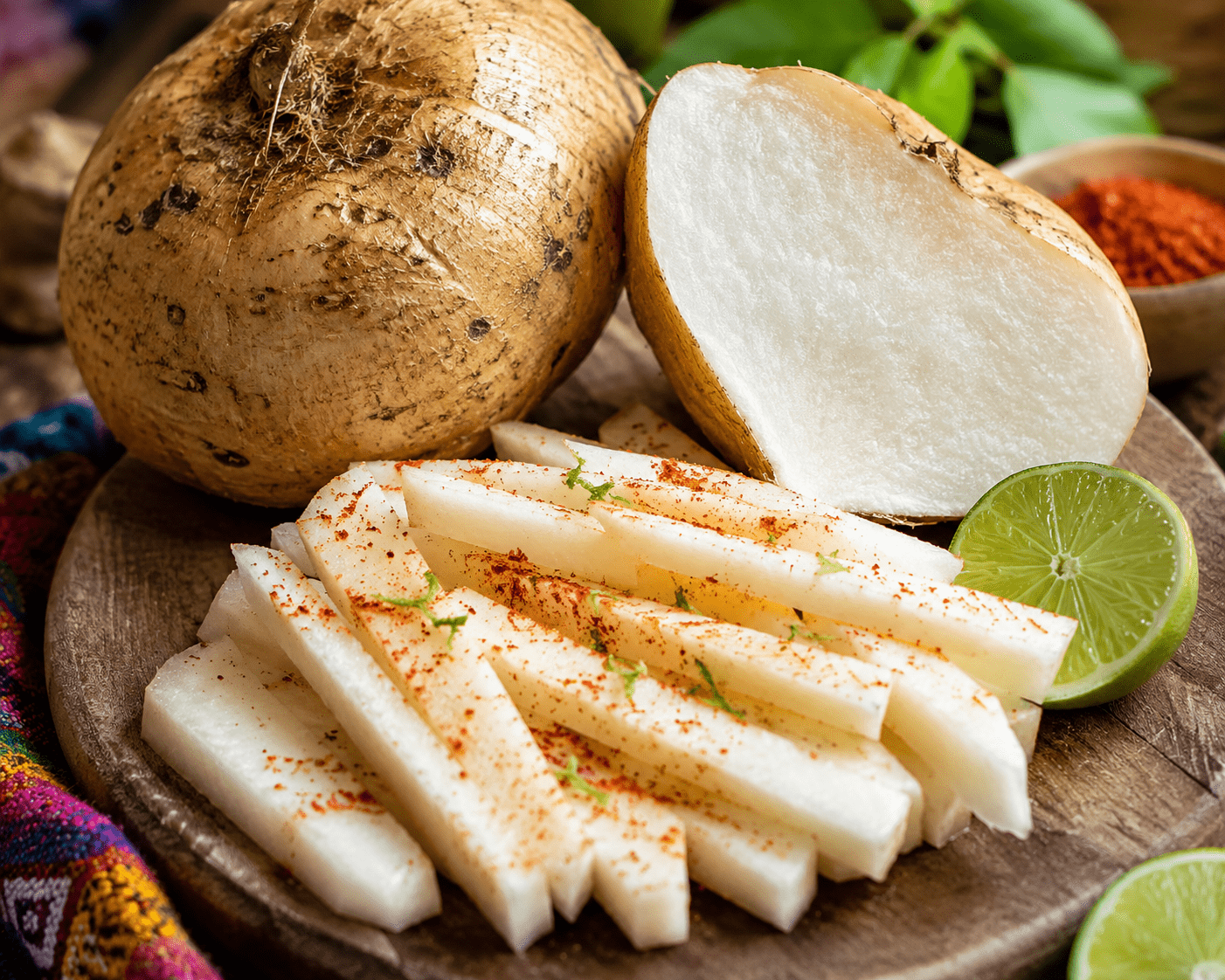
The image shows fresh sliced jicama with chili seasoning and lime in a vibrant, food-focused style.

I have to admit, a lot of people here in the United States have absolutely no idea what jicama even is. If you say the word out loud, you’ll probably get a confused look and a, “A what now?” I discovered jicama years ago while spending a lot of time in Mexico, and honestly, I could not believe I had gone so long without trying it.

Once I had my first bite, I was hooked.

It is crunchy, refreshing, slightly sweet, and incredibly versatile. Plus, after learning all of the health benefits packed into this strange-looking root vegetable, I started wondering why it is not sitting in every grocery cart in America.

If you have never tried jicama before, you may be missing out on one of nature’s most underrated foods.

What Exactly Is Jicama?

Jicama (pronounced HEE-kah-ma) is a root vegetable native to Mexico and parts of Central America. It grows underground as part of a climbing vine plant and belongs to the bean family.

The outside looks a little rough at first glance. It has a thick tan skin that almost resembles a potato crossed with a turnip. Inside, however, is where the magic happens. Once peeled, the flesh is bright white, crisp, juicy, and refreshing.

The texture reminds many people of a water chestnut or a very crunchy pear.

Taste-wise, jicama has a mild sweetness with a fresh, slightly nutty flavor. It is one of those foods that somehow feels both like a fruit and a vegetable at the same time.

Fun fact: while the root itself is edible, the seeds and other parts of the plant are toxic and should never be eaten.

Related: A Frugal Kitchen Experiment: Acorn Squash

Why Jicama Is So Popular In Mexico

If you spend time in Mexico, you’ll notice jicama sold in markets, roadside stands, and snack carts. Vendors often slice it into sticks and pile it into cups with lime juice and chili seasoning.

That was exactly how I first discovered it.

And to this day, my favorite way to eat jicama is still simple:

Fresh jicama sticks covered with Tajín and a squeeze of fresh lime.

That sweet, juicy crunch mixed with tangy lime and chili seasoning is ridiculously good. Once you try it, you understand immediately why people love it.

Ways To Eat Jicama

One of the best things about jicama is how easy it is to use.

You can eat it raw or cooked, and it works in all kinds of dishes.

Some delicious ways to enjoy it include:

  • Jicama sticks with Tajín and lime (my fave)
  • Sliced into fresh fruit cups
  • Added to salads for crunch
  • Mixed into coleslaw
  • Added to tacos
  • Diced into salsa
  • Served with chili powder and chamoy
  • Stir-fried with vegetables
  • Used as a low-carb fry substitute
  • Added to spring rolls
  • Eaten plain with a little sea salt

Most people enjoy it raw because it keeps that refreshing crunch.

Related: Vegetables To Plant In May For Summer Harvest

Jicama Is Loaded With Nutritional Benefits

Now let’s talk about why this crunchy little root deserves more attention.

Jicama may taste like a treat, but it quietly packs a pretty impressive nutritional punch.

Rich In Fiber

Jicama contains a large amount of dietary fiber, especially a prebiotic fiber called inulin.

Prebiotics feed the beneficial bacteria in your gut, helping support:

  • Better digestion
  • Healthier gut bacteria
  • Improved regularity
  • Reduced constipation
  • Better overall digestive health

Fiber also helps you stay full longer, which can help reduce unnecessary snacking.

Great Source Of Vitamin C

People often think oranges get all the vitamin C attention, but jicama contains a surprisingly healthy amount too.

Vitamin C helps support:

  • Immune system health
  • Collagen production
  • Skin health
  • Wound healing
  • Antioxidant protection

Many people are not getting enough vitamin C daily, so every little boost helps.

Supports Healthy Blood Sugar Levels

Despite its naturally sweet flavor, jicama actually has a relatively low glycemic impact.

Because it contains fiber and inulin, it may help slow blood sugar spikes compared to highly processed snacks.

That makes it a smart choice when cravings hit.

Hydrating And Low In Calories

Jicama is made up of a lot of water.

That means you get:

  • Crunch
  • Hydration
  • Fiber
  • Nutrients

Without a huge calorie load.

One cup of raw jicama contains relatively few calories while still feeling filling.

Contains Important Nutrients

Jicama also provides smaller amounts of several helpful nutrients including:

  • Potassium
  • Magnesium
  • Folate
  • Iron
  • Manganese

Your body relies on these nutrients for everything from nerve function to muscle health.

Full Of Antioxidants

Jicama contains antioxidants that help fight oxidative stress in the body.

Antioxidants may help protect cells from damage caused by free radicals and support overall long-term health.

Can You Grow Jicama At Home?

Surprisingly, yes.

Jicama can be grown at home if you have plenty of warmth and patience.

The plant grows as a vigorous vine and loves long, hot growing seasons. Since we are talking about a tropical plant, it does best in warmer climates with plenty of sunlight.

A few growing basics:

  • Plant after danger of frost has passed
  • Use well-draining soil
  • Give vines plenty of room
  • Provide full sun
  • Expect a long growing season

Jicama takes several months to mature, sometimes up to five to nine months depending on conditions.

The root develops underground while vines spread above ground.

Gardeners in warmer southern states often have better success because of the longer growing season.

Final Thoughts

Jicama is one of those foods many Americans simply have never been introduced to, which is a shame because it checks almost every box.

It tastes good.

It is refreshing.

It is loaded with fiber and nutrients.

It works in both healthy recipes and snack cravings.

And honestly, if you have never tried fresh jicama with Tajín and lime, put it on your grocery list immediately.

You may end up wondering the same thing I did after discovering it in Mexico:

How did I go this long without eating this stuff?

Lisa Crow contributed to this article. She is a true crime junkie and lifestyle blogger based in Waco, Texas. Lisa is the Head of Content at Gigi’s Ramblings and Southern Bred True Crime Junkie. She spends her free time traveling when she can and making memories with her large family which consists of six children and sixteen grandchildren.

Vintage style Gigi’s Ramblings recipe card titled Lemon Dessert Roundup featuring illustrated lemon treats including lemon bars, lemon pound cake, lemon icebox pie, lemon cookies, lemon cheesecake, lemon meringue pie, lemon dump cake, lemon cupcakes, lemon bread, and lemon trifle arranged with yellow lemons, greenery, and a rustic farmhouse background.

There’s just something about lemon desserts in the spring. They’re bright, fresh, and not too heavy. After a long stretch of rich winter treats, that sweet and tangy flavor hits different. Whether you like creamy, baked, or no-bake desserts, lemon always delivers.

If you love lemon like I do, this roundup is going to make you hungry.

Classic Lemon Bars

Lemon bars are always a good idea. The buttery crust paired with that smooth, tart filling is hard to beat. A light dusting of powdered sugar on top finishes them perfectly.

They’re also easy to slice and serve, which makes them great for gatherings, potlucks, or just keeping in the fridge for when you want something sweet.

Lemon Pound Cake

Lemon pound cake is rich, moist, and full of flavor. The dense texture makes it feel like a bakery treat, especially when you add a simple lemon glaze over the top.

You can serve it plain, with fresh berries, or with whipped topping. It works for dessert, but honestly it’s good anytime.

Lemon Icebox Pie

Lemon icebox pie is cool, creamy, and perfect for warmer days. It usually comes together with just a few ingredients and chills until set.

The graham cracker crust adds a little crunch while the filling stays smooth and refreshing. It’s light enough after dinner but still satisfies that sweet craving.

Lemon Cookies

Soft lemon cookies are bright, sweet, and easy to grab and go. Some are chewy, some are fluffy, but they all bring that fresh lemon flavor.

A light glaze on top makes them even better. They’re simple, but they never last long.

Lemon Cheesecake

Lemon cheesecake feels rich without being too heavy. The creamy filling, combined with citrus flavor, makes it taste lighter than traditional cheesecake.

Top it with lemon curd, fresh berries, or whipped topping. Any way you serve it, it’s a crowd favorite.

Lemon Meringue Pie

Lemon meringue pie is a classic for a reason. The tart lemon filling and fluffy meringue create the perfect balance.

It also looks impressive on the table. The toasted topping gives it that homemade touch that always stands out.

Lemon Dump Cake

Lemon dump cake is one of the easiest desserts you can make. Just layer the ingredients and bake until golden and bubbly.

It comes out warm, gooey, and perfect with a scoop of vanilla ice cream. This one tastes like you spent way more time than you actually did.

Lemon Cupcakes

Lemon cupcakes are light, fluffy, and perfect for spring. Pair them with lemon buttercream or cream cheese frosting for extra flavor.

They’re great for birthdays, showers, or just because you want something sweet and citrusy.

Lemon Bread

Lemon bread is soft, moist, and packed with flavor. The glaze on top soaks in slightly and makes every bite extra good.

It’s easy to slice, serve, and even freeze for later. This one is simple but always hits the spot.

Lemon Trifle

Lemon trifle is layered, pretty, and perfect for a crowd. Cake, pudding, whipped topping, and lemon flavor all come together in one dish.

It’s light, refreshing, and looks like you put in a lot more effort than you actually did.

Final Thoughts

Lemon desserts just feel like spring. They’re fresh, bright, and never too heavy. Whether you go with something simple like cookies or something rich like cheesecake, you really can’t go wrong.

Honestly, I’ll take lemon anything. 🍋

Lisa Crow contributed to this article. She is a true crime junkie and lifestyle blogger based in Waco, Texas. Lisa is the Head of Content at Gigi’s Ramblings and Southern Bred True Crime Junkie. She spends her free time traveling when she can and making memories with her large family which consists of six children and sixteen grandchildren.

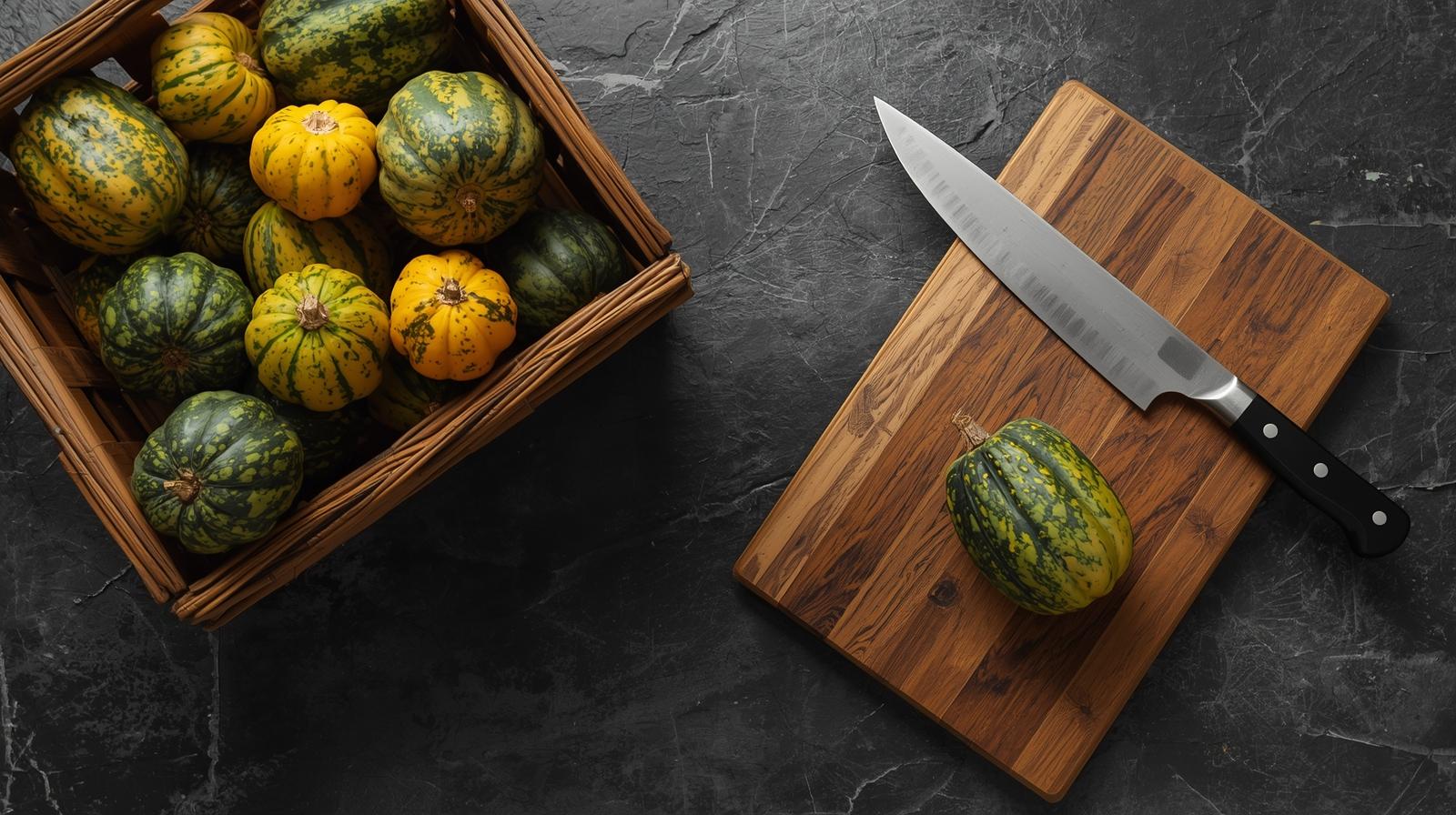
basket of acorn squash sitting on the counter

As I learn more about gardening, preserving food, and living more frugally in general, I’ve been pushing myself to try things I’ve honestly overlooked for years. When I spotted acorn squash on sale at H-E-B and heard how easy they are to grow, it felt like the perfect excuse to finally give them a shot. Cheap, versatile, and garden-friendly? That’s my kind of experiment.

What Is Acorn Squash?

Acorn squash is a winter squash with dark green skin, deep ridges, and sweet yellow-orange flesh. Despite the name, it doesn’t taste nutty. Instead, it has a mild, slightly sweet flavor that works well in both savory and sweet dishes.

It’s affordable, filling, and easy to store, which makes it a great option if you’re trying to stretch your grocery budget or rely less on processed foods.

Why Acorn Squash Makes Sense for Frugal Living

This is one of those foods that quietly checks all the boxes.

Acorn squash is usually inexpensive, especially in fall and winter. One squash can feed two to four people depending on how it’s prepared. It stores well for weeks, sometimes months, without any special equipment. Even better, it’s packed with fiber, potassium, and vitamins A and C, so it pulls its weight nutritionally.

When you’re learning to be more intentional with food choices, this kind of versatility really matters.

Growing Acorn Squash at Home

If you’re considering growing your own food, acorn squash is often recommended for beginners.

It grows on vines, so it does need space. A single plant can spread several feet, but it produces generously. It prefers full sun and well-drained soil and does best when planted after the danger of frost has passed.

From planting to harvest, you’re looking at about 80 to 100 days. You’ll know it’s ready when the skin turns dark green, feels hard, and resists puncture from a fingernail.

Even if you’re new to gardening, this is a low-maintenance crop that rewards you for your effort.

How to Store and Preserve Acorn Squash

Whole acorn squash can be stored in a cool, dry place for several weeks. A pantry or storage closet works just fine.

Once cut, keep it in the refrigerator and use it within a few days. Cooked acorn squash freezes well too. You can mash it, cube it, or roast it first, then freeze portions for future meals. That’s a big win if you’re trying to cut down on waste and avoid last-minute grocery runs.

Related: Planning a More Self-Sufficient Life Through Gardening and Canning

Easy Ways to Cook Acorn Squash

One reason I’m enjoying experimenting with acorn squash is how simple it is to prepare.

Roasting is the most common method. Just slice it in half, scoop out the seeds, brush with oil, season, and roast until tender. The natural sweetness really comes through.

You can also microwave it for a quicker option, steam it, or even slice it into wedges for roasting like potatoes.

Simple Acorn Squash Recipe Ideas

Here are a few beginner-friendly ideas that don’t require fancy ingredients:

Classic Roasted Acorn Squash
Halve the squash, drizzle with oil, season with salt and pepper, and roast until fork-tender.

Savory Stuffed Squash
Fill roasted halves with ground meat, rice, beans, or leftover veggies. It’s a great clean-out-the-fridge meal.

Sweet Cinnamon Squash
Roast with a little butter, cinnamon, and brown sugar for a simple side dish.

Mashed Acorn Squash
Mash cooked squash with butter and seasoning as a budget-friendly alternative to mashed potatoes.

Health Benefits of Acorn Squash

Acorn squash also brings solid health benefits to the table, which makes it even more appealing when you’re trying to eat better without spending more. It’s high in fiber, which supports digestion and helps you feel full longer, making meals more satisfying. Acorn squash is also a good source of potassium for heart health, along with vitamins A and C that support immune function and overall wellness. For a budget-friendly food, it delivers real nutritional value without requiring specialty ingredients or complicated preparation.

Is Acorn Squash Worth It?

For someone learning more about frugal living, gardening, and food preservation, acorn squash feels like a smart place to start. It’s affordable, easy to grow, easy to store, and forgiving in the kitchen.

Trying new foods like this has been a reminder that frugal living isn’t about deprivation. It’s about learning how to use what’s available, stretching what you buy, and building skills that actually make life easier in the long run.

If you’ve been eyeing those acorn squash at your grocery store or Farmers Market and wondering if they’re worth it, I’d say yes. Sometimes the simplest foods turn out to be the most useful ones.

Related: Meal Prep for Mortals: Easy Freezer Meals for Busy Weeks

Lisa Crow contributed to this article. She is a true crime junkie and lifestyle blogger based in Waco, Texas. Lisa is the Head of Content at Gigi’s Ramblings and Southern Bred True Crime Junkie. She spends her free time traveling when she can and making memories with her large family which consists of six children and fifteen grandchildren.

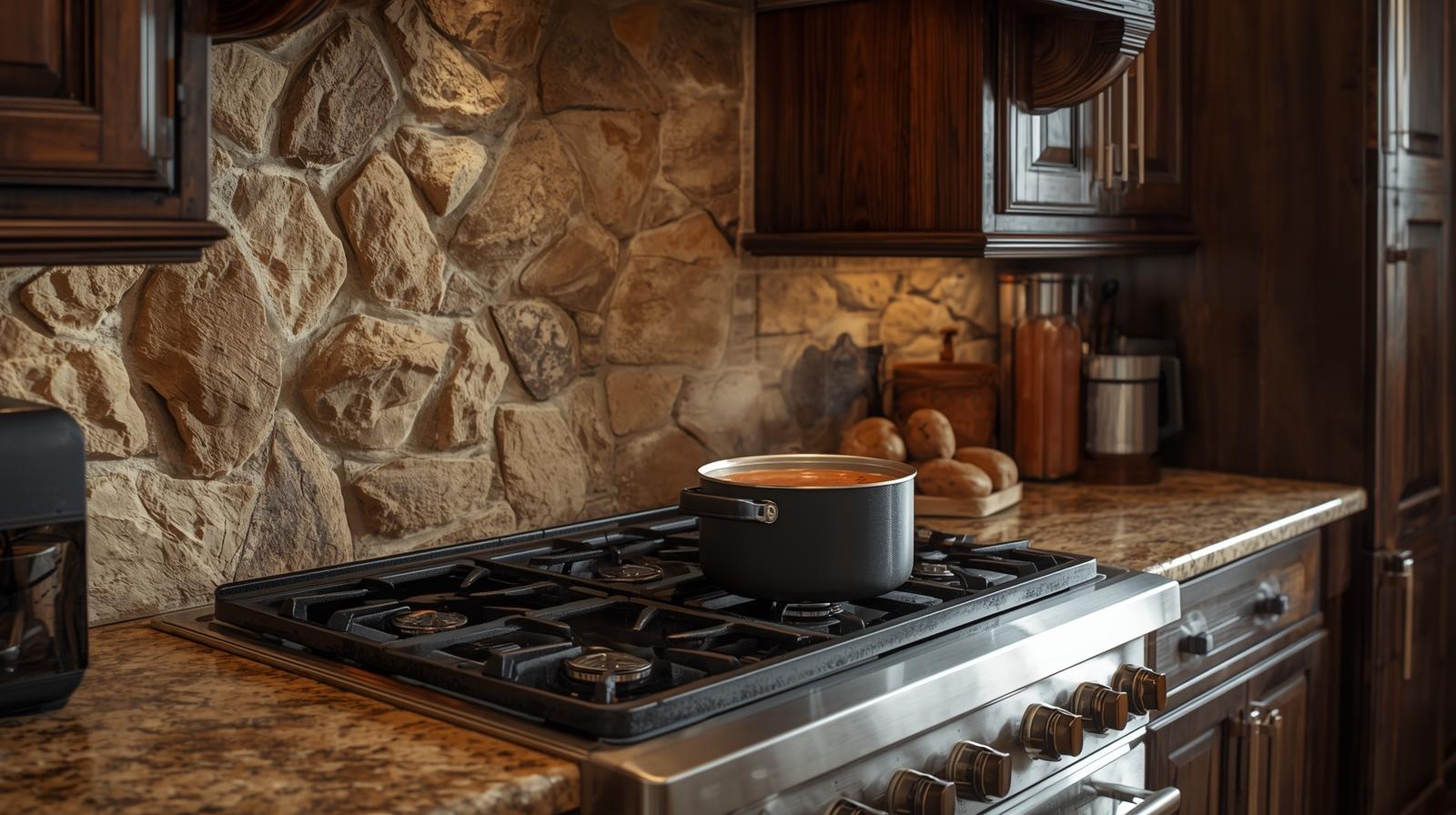
soup simmering on cooktop

When the weather turns cold and comfort is calling, soup just makes sense. Nothing fancy here. These are familiar, cozy favorites that don’t require specialty ingredients or advanced kitchen skills. Just good, honest bowls of warmth.

Classic Beef & Vegetable Soup

This is the kind of soup most of us grew up on. Tender beef, potatoes, carrots, celery, and a rich broth that tastes even better the next day. It’s hearty, filling, and perfect for slow simmering on a chilly evening.

Creamy Potato Soup

Simple, comforting, and always a crowd-pleaser. Potatoes, onion, broth, and cream come together into a thick, velvety soup that feels like a warm hug. Top it with cheese or green onions if you want, but it stands strong all on its own.

Tomato Basil Soup

A timeless classic that never disappoints. Smooth, rich tomato flavor with a touch of basil makes this one perfect for dipping or sipping straight from the bowl. It’s easy to make and feels cozy without being heavy.

Chicken Noodle Soup

The one and only chicken soup on this list, and for good reason. It’s familiar, soothing, and downright comforting. Tender chicken, egg noodles, and a simple broth make this a go-to when you want something classic and dependable.

Lentil Soup

Don’t overlook this one. Lentil soup is filling, affordable, and surprisingly comforting. With onions, carrots, garlic, and spices, it’s a great meatless option that still feels hearty and satisfying.

Vegetable Soup

Simple doesn’t mean boring. A good vegetable soup uses everyday veggies and a flavorful broth to create something warm and nourishing. It’s flexible, forgiving, and perfect for cleaning out the fridge without sacrificing comfort.

Wrapping It All Up

There’s something comforting about sticking with the classics. These soups don’t require fancy ingredients or complicated steps, just a little time and a warm pot on the stove. Whether you’re feeding a family, warming up after a cold day, or simply craving something familiar, these recipes deliver comfort without the stress.

Soup has a way of slowing things down. It invites you to sit, breathe, and enjoy the moment. Keep this roundup handy for those days when you want simple, hearty meals that feel like home.

Lisa Crow contributed to this article. She is a true crime junkie and lifestyle blogger based in Waco, Texas. Lisa is the Head of Content at Gigi’s Ramblings and Southern Bred True Crime Junkie. She spends her free time traveling when she can and making memories with her large family which consists of six children and fifteen grandchildren.

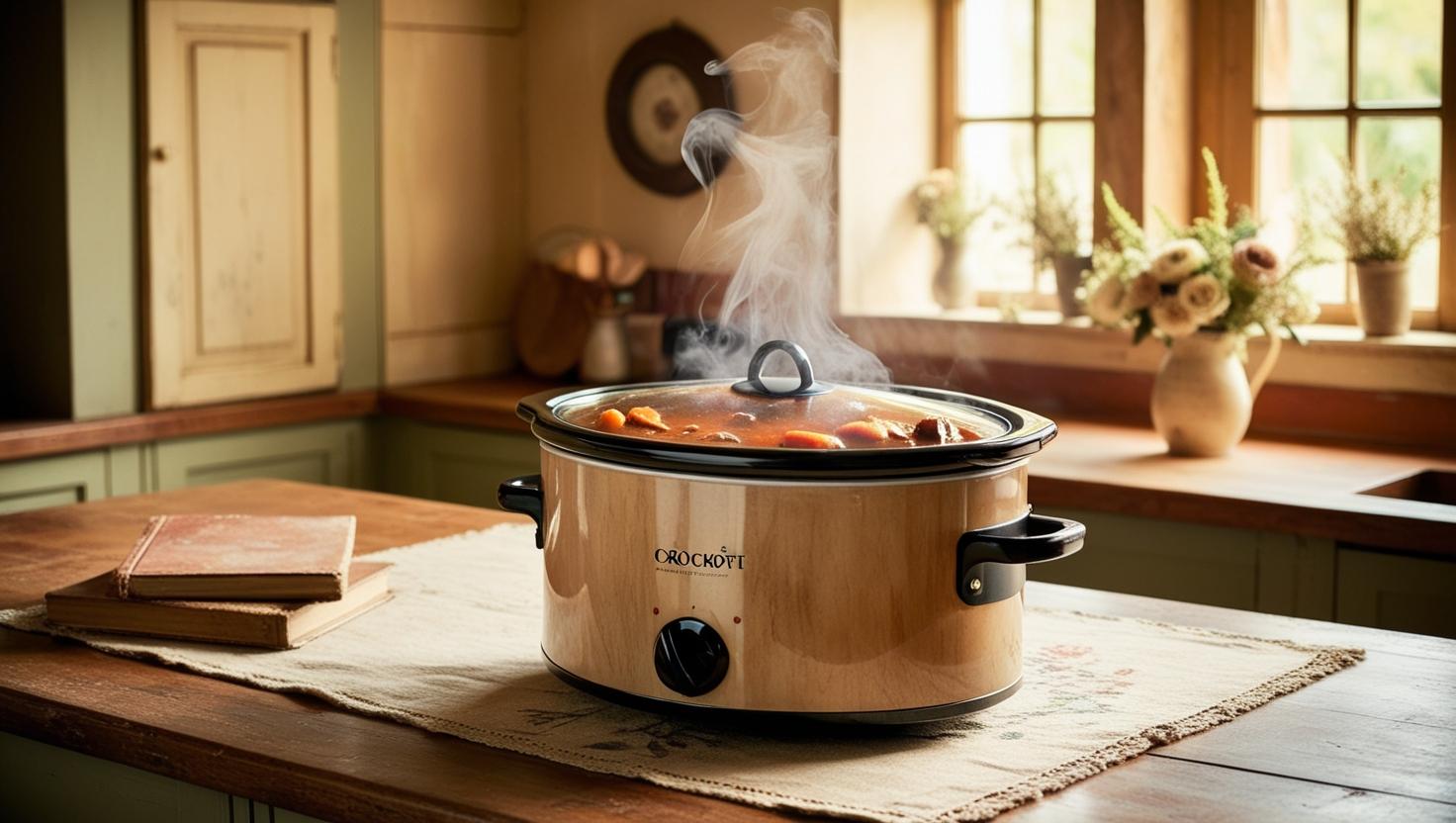
crockpot

Image created with Canva Magic Studio

Winter is the perfect time to indulge in hearty, comforting meals that warm both the body and soul. There’s nothing quite like the aroma of a home-cooked meal wafting through the house on a chilly day. In this blog, we’ll share some delicious comfort food recipes that are sure to keep you cozy all season long.

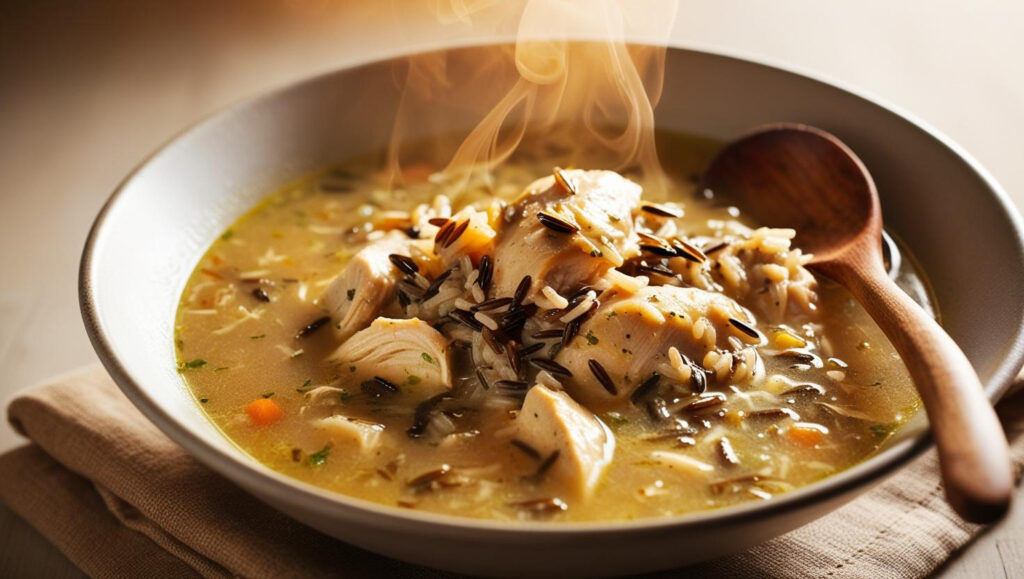
chicken and wild rice

Photo created with Canva Magic Studio

Creamy Chicken and Wild Rice Soup

A steaming bowl of soup is a winter staple, and this creamy chicken and wild rice soup hits all the right notes. Packed with tender chicken, hearty wild rice, and a medley of vegetables, this dish is both satisfying and nourishing.

Ingredients:

  • 1 cup wild rice
  • 1 pound chicken breast, cooked and shredded
  • 1 onion, diced
  • 2 carrots, chopped
  • 2 celery stalks, chopped
  • 4 cups chicken broth
  • 2 cups heavy cream
  • 2 tablespoons butter
  • Salt and pepper to taste

Instructions:

  1. Cook the wild rice according to the package instructions.
  2. In a large pot, melt the butter over medium heat. Add the onion, carrots, and celery, and sauté until softened.
  3. Stir in the chicken broth and bring to a simmer. Add the cooked rice and shredded chicken.
  4. Pour in the heavy cream and stir until well combined. Season with salt and pepper to taste.
  5. Simmer for 10-15 minutes until heated through. Serve hot.
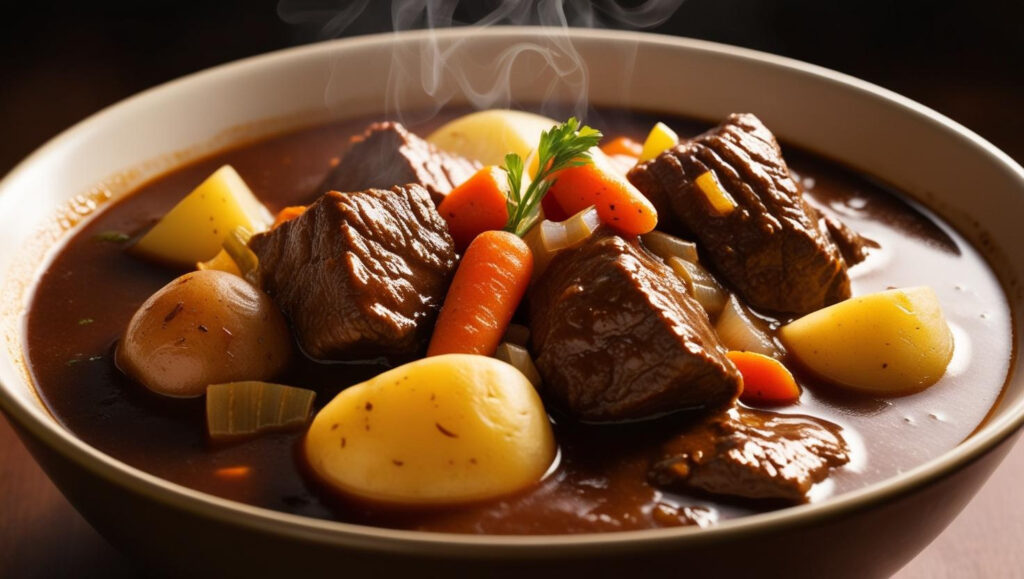
beef stew

Image created with Canva Magic Studio

Beef Stew

This classic beef stew is a hearty dish that’s perfect for cold winter nights. The tender beef, combined with flavorful vegetables, creates a comforting and filling meal.

Ingredients:

  • 2 pounds beef chuck, cut into chunks
  • 4 carrots, peeled and chopped
  • 3 potatoes, peeled and cubed
  • 2 parsnips, peeled and chopped
  • 1 onion, diced
  • 4 cups beef broth
  • 2 tablespoons tomato paste
  • 2 tablespoons flour
  • 2 tablespoons olive oil
  • Salt and pepper to taste

Instructions:

  1. Heat the olive oil in a large pot over medium heat. Add the beef chunks, season with salt and pepper, and brown on all sides.
  2. Remove the beef from the pot and set aside. Add the onion and sauté until translucent.
  3. Stir in the flour and tomato paste, cooking for a minute. Gradually add the beef broth, stirring to combine.
  4. Return the beef to the pot, along with the carrots, potatoes, and parsnips. Bring to a simmer.
  5. Cover and cook on low heat for 1.5 to 2 hours, until the beef is tender and the vegetables are cooked through. Serve hot.

Image created with Canva Magic Studio

Baked Macaroni and Cheese

Macaroni and cheese is the ultimate comfort food, and this baked version takes it to the next level. The creamy cheese sauce and crispy breadcrumb topping make it a family favorite.

Ingredients:

  • 1 pound elbow macaroni
  • 4 cups shredded cheddar cheese
  • 2 cups milk
  • 1/4 cup butter
  • 1/4 cup flour
  • 1/2 cup breadcrumbs
  • Salt and pepper to taste

Instructions:

  1. Preheat the oven to 375°F. Cook the macaroni according to the package instructions and drain.
  2. In a saucepan, melt the butter over medium heat. Stir in the flour and cook for a minute.
  3. Gradually whisk in the milk and cook until thickened. Remove from heat and stir in 3 cups of the shredded cheese until melted.
  4. Combine the cheese sauce with the cooked macaroni. Pour into a baking dish and top with the remaining cheese and breadcrumbs.
  5. Bake for 20-25 minutes until bubbly and golden brown. Serve warm.
shepherds pie

Image created with Canva Magic Studio

Shepherd’s Pie

Shepherd’s pie is a comforting dish that layers seasoned ground meat and vegetables under a blanket of creamy mashed potatoes. It’s a filling meal that’s perfect for a winter evening.

Ingredients:

  • 1 pound ground beef or lamb
  • 1 onion, diced
  • 2 carrots, chopped
  • 1 cup peas
  • 2 tablespoons tomato paste
  • 1 cup beef broth
  • 4 cups mashed potatoes
  • 2 tablespoons olive oil
  • Salt and pepper to taste

Instructions:

  1. Preheat the oven to 400°F. In a large skillet, heat the olive oil over medium heat. Add the onion and carrots, cooking until softened.
  2. Add the ground meat, season with salt and pepper, and cook until browned. Stir in the tomato paste and beef broth. Simmer until thickened.
  3. Stir in the peas and remove from heat. Transfer the mixture to a baking dish.
  4. Spread the mashed potatoes over the meat mixture, smoothing the top.
  5. Bake for 20-25 minutes until the top is golden brown. Serve hot.

Conclusion

These comforting recipes are sure to keep you warm and satisfied all winter long. Whether you’re in the mood for a creamy soup, a hearty stew, or a cheesy pasta dish, there’s something here to please every palate. So, gather your ingredients, fire up the stove, and enjoy the cozy flavors of winter.

Related: Stay Balanced: Why Homeostasis is Key, Especially in Winter!

Lisa Crow contributed to this article. She is a true crime junkie and lifestyle blogger based in Waco, Texas. Lisa is the Head of Content at Gigi’s Ramblings and Southern Bred True Crime Junkie. She spends her free time traveling when she can and making memories with her large family which consists of six children and fifteen grandchildren.

This website may contain affiliate links, including links to products on Amazon. As an Amazon Affiliate, I earn from qualifying purchases. This does not affect your purchase price but helps support the site at no additional cost to you. Thank you for your support!