
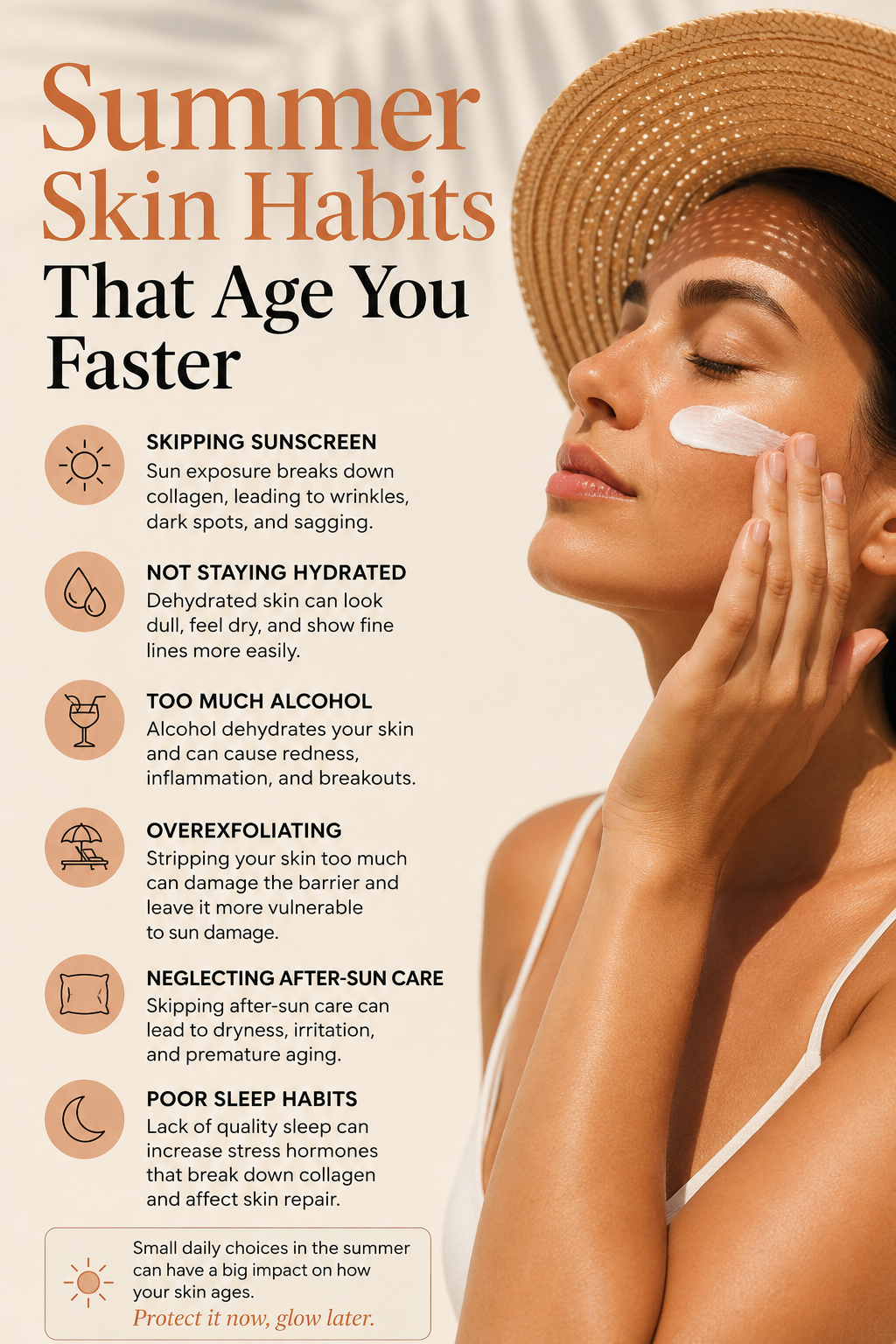
Woman applying sunscreen while enjoying a sunny summer day.

This article contains Amazon links. I may earn commission on certain purchases at no cost to you.

Summer is hard on your skin. Between intense UV exposure, heat, sweat, and dehydration, even small daily habits can speed up the appearance of fine lines, uneven skin tone, and loss of elasticity. While most people focus on preventing sunburn, many overlook the everyday mistakes that quietly contribute to premature aging all season long.

The good news is that protecting your skin does not require an expensive routine. In many cases, avoiding a few common habits can make a noticeable difference in how your skin looks and feels both now and years from now.

Related: Summer Hair Mistakes That Wreck Color Fast

Skipping Sunscreen On Cloudy Days

One of the biggest mistakes people make is assuming sunscreen is only necessary when the sun is blazing overhead. In reality, UV rays can penetrate clouds and still reach your skin. Even brief daily exposure adds up over time and contributes to collagen breakdown, dark spots, and wrinkles.

Applying a broad-spectrum sunscreen every morning should be as routine as brushing your teeth. Reapplying throughout the day is just as important, especially if you are sweating, swimming, or spending extended time outdoors.

Not Drinking Enough Water

Hot temperatures increase fluid loss, and dehydration often shows up in your skin before you notice it elsewhere. Skin that lacks moisture can appear dull, tired, and less plump, making fine lines more noticeable.

While drinking water is not a miracle cure for every skin concern, staying properly hydrated supports your skin’s natural barrier and helps maintain a healthier appearance during the hottest months of the year.

Overexfoliating During Summer

Many people reach for scrubs, acids, and exfoliating treatments when their skin feels oily or congested. However, excessive exfoliation can strip away the skin’s protective barrier and leave it more vulnerable to irritation and sun damage.

During summer, it is especially important to strike a balance. Gentle exfoliation can help remove dead skin cells, but using harsh products too often may create more problems than it solves.

Forgetting Hats And Sunglasses

Most people remember sunscreen for their face but forget about the extra protection that physical barriers provide. Wide-brimmed hats help shield areas that are often missed, including the scalp, ears, and neck.

Sunglasses are equally important because the skin around the eyes is thinner and more delicate than the rest of the face. Constant squinting in bright sunlight can also contribute to the development of expression lines over time.

Drinking Too Much Alcohol Outdoors

Summer gatherings often revolve around pool parties, barbecues, and patio dinners. While enjoying a drink occasionally is not a problem, excessive alcohol consumption can dehydrate the body and skin.

When combined with heat and sun exposure, alcohol may leave skin looking dry, flushed, and tired. Alternating alcoholic beverages with water can help reduce some of these effects and keep you feeling better overall.

Ignoring After-Sun Care

Even if you avoid a sunburn, your skin still experiences stress after a day outdoors. Many people wash off the sunscreen and call it a day, but proper after-sun care can help support recovery.

Using a gentle moisturizer, hydrating serum, or soothing ingredients such as aloe vera can help replenish lost moisture and calm skin that has been exposed to heat and UV rays. My current favorite is Clarins Double Serum. Yes, it’s ridiculously expensive, but it is so good!

Sleeping Less During Summer

Longer days, vacations, and busy schedules often lead to later bedtimes. Unfortunately, poor sleep can affect much more than your energy levels. During sleep, your body works to repair and regenerate skin cells.

Consistently cutting back on rest may contribute to dullness, uneven skin tone, and a less refreshed appearance. Prioritizing quality sleep remains one of the simplest ways to support healthy-looking skin year-round.

Smoking And Vaping In The Sun

Smoking has long been linked to premature skin aging, but many people do not realize how much worse the effects can be when combined with regular sun exposure. Both habits can contribute to oxidative stress that damages collagen and elastin.

Over time, this combination may accelerate the appearance of wrinkles and reduce the skin’s ability to maintain a youthful look.

Things to Ponder

Summer should be about enjoying the outdoors, not speeding up the aging process of your skin. Small habits such as wearing sunscreen daily, staying hydrated, getting enough sleep, and protecting your skin from excessive sun exposure can have a lasting impact.

You do not need a complicated skincare routine to protect your skin. Often, avoiding a few common mistakes is enough to help keep your skin looking healthier, smoother, and more radiant all summer long.

Lisa Crow contributed to this article. She is a true crime junkie and lifestyle blogger based in Waco, Texas. Lisa is the Head of Content at Gigi’s Ramblings and Southern Bred True Crime Junkie. She spends her free time traveling when she can and making memories with her large family which consists of six children and sixteen grandchildren.

Woman in summer sun with hair color fading from vibrant to dull and brassy.

Summer always feels like the season where everything looks better. Longer days, pool trips, beach weekends, road trips, and every excuse to be outside. Unfortunately, summer can also be brutal on hair color. You spend good money getting your hair exactly how you want it, only to realize a few weeks later that your rich brunette suddenly looks flat, your blonde turned yellow, or your red faded faster than expected.

The frustrating part is that most people blame their stylist or assume the color simply did not last. In reality, a lot of everyday summer habits quietly destroy hair color without people even realizing it.

If your color seems to disappear every year once temperatures climb, a few sneaky summer mistakes may be the reason.

Spending Too Much Time In Direct Sun

Everyone thinks about sunscreen for skin. Hardly anyone thinks about sunscreen for hair.

UV rays do not just damage skin. They can break down hair pigments and oxidize color molecules. Blondes often turn brassy. Reds fade incredibly fast. Dark shades can lose depth and become flat looking.

This gets worse if you spend hours outside at ball games, festivals, lake days, or vacations.

A cute hat is not just an accessory during summer. It can actually protect your investment. Hair products with UV protection can also make a noticeable difference.

Living In Chlorine All Summer

Pool season is fun until your hair starts paying the price.

Chlorine strips natural oils from hair and opens the cuticle layer. Once that protective layer opens, color molecules escape more easily. Hair can quickly become dry, faded, and rough.

Blondes often get hit the hardest. Some people even notice a green tint after repeated swimming.

One simple trick can help. Wet your hair with regular water before getting into the pool. Hair acts like a sponge. If it absorbs clean water first, it may soak up less chlorine.

Wearing your hair up can help too if you practically live in the water during summer.

Washing Hair Too Often

Sweating during summer makes people want to wash their hair constantly.

That daily shampoo habit can become a major problem for color longevity. I can’t even lie, I shampoo my hair twice every shower, every single day. Despite being a hairstylist for many years, I will NOT bend on this one. I cannot stand dirty hair! I will encourage you not to, while I continue to do it until I’m on the other side of the dirt.

Every wash removes small amounts of color. During summer, many people wash more because of sweat, humidity, and outdoor activities. Suddenly, hair that normally lasts eight weeks between appointments starts fading after only a few.

Dry shampoo can become your best friend during hot months. Even stretching washes by one extra day can help preserve color.

Using Clarifying Shampoo Too Much

Clarifying shampoos absolutely have a purpose. They remove buildup and can leave hair feeling extra clean.

The problem happens when people start using them constantly during summer because of sweat, sunscreen, pool chemicals, and styling products.

Most clarifying shampoos are stronger than color-safe formulas. Frequent use can strip color much faster than expected.

Instead, save clarifying products for occasional use and stick with shampoos designed specifically for color-treated hair.

Related: What Summer Looked Like in the ‘80s vs Now

Ignoring Hard Water Damage

People often blame summer weather when hard water may be quietly causing the real issue.

Mineral-heavy water can build up on hair and make color appear dull, faded, or oddly brassy. During summer, this sometimes becomes more noticeable because hair already deals with sun exposure and swimming.

If your hair suddenly feels rough or your color starts acting strange, buildup may be part of the problem.

A shower filter can help reduce some of the damage over time.

Heat Styling On Top Of Heat Exposure

Summer already puts hair under stress.

Now add curling irons, blow-dryers, straighteners, and other hot tools every day.

Hair color survives best when the hair cuticle stays healthy. Excessive heat weakens the outer layer, causing fading to occur faster.

During summer, air drying can be your friend. Braids, messy buns, heatless curls, and simple styles can save both time and color.

If you do use heat tools, use heat protectant every single time.

Waiting Too Long For Hair Care Maintenance

People often schedule color appointments and assume the work ends there.

Summer hair usually needs a little extra attention. Hydrating masks, gloss treatments, trims, and moisture treatments can help keep colored hair healthier between appointments.

Think of it like maintaining a vehicle. Ignoring small issues eventually creates bigger ones.

Hair color lasts longer when the hair itself stays healthy.

Tiny Habits Add Up Fast

Most summer color disasters do not happen overnight.

It is usually a combination of little habits that slowly chip away at your color week after week. Extra sun, extra washing, pool time, heat tools, and stronger shampoos can all pile up before you notice what happened.

The good news is that preserving color usually does not require huge changes. A few small adjustments can keep your hair looking fresher far longer.

Because nobody wants to pay salon prices just to watch their color disappear before summer even ends.

Lisa Crow contributed to this article. She is a true crime junkie and lifestyle blogger based in Waco, Texas. Lisa is the Head of Content at Gigi’s Ramblings and Southern Bred True Crime Junkie. She spends her free time traveling when she can and making memories with her large family which consists of six children and sixteen grandchildren.

The image shows fresh sliced jicama with chili seasoning and lime in a vibrant, food-focused style.

I have to admit, a lot of people here in the United States have absolutely no idea what jicama even is. If you say the word out loud, you’ll probably get a confused look and a, “A what now?” I discovered jicama years ago while spending a lot of time in Mexico, and honestly, I could not believe I had gone so long without trying it.

Once I had my first bite, I was hooked.

It is crunchy, refreshing, slightly sweet, and incredibly versatile. Plus, after learning all of the health benefits packed into this strange-looking root vegetable, I started wondering why it is not sitting in every grocery cart in America.

If you have never tried jicama before, you may be missing out on one of nature’s most underrated foods.

What Exactly Is Jicama?

Jicama (pronounced HEE-kah-ma) is a root vegetable native to Mexico and parts of Central America. It grows underground as part of a climbing vine plant and belongs to the bean family.

The outside looks a little rough at first glance. It has a thick tan skin that almost resembles a potato crossed with a turnip. Inside, however, is where the magic happens. Once peeled, the flesh is bright white, crisp, juicy, and refreshing.

The texture reminds many people of a water chestnut or a very crunchy pear.

Taste-wise, jicama has a mild sweetness with a fresh, slightly nutty flavor. It is one of those foods that somehow feels both like a fruit and a vegetable at the same time.

Fun fact: while the root itself is edible, the seeds and other parts of the plant are toxic and should never be eaten.

Related: A Frugal Kitchen Experiment: Acorn Squash

Why Jicama Is So Popular In Mexico

If you spend time in Mexico, you’ll notice jicama sold in markets, roadside stands, and snack carts. Vendors often slice it into sticks and pile it into cups with lime juice and chili seasoning.

That was exactly how I first discovered it.

And to this day, my favorite way to eat jicama is still simple:

Fresh jicama sticks covered with Tajín and a squeeze of fresh lime.

That sweet, juicy crunch mixed with tangy lime and chili seasoning is ridiculously good. Once you try it, you understand immediately why people love it.

Ways To Eat Jicama

One of the best things about jicama is how easy it is to use.

You can eat it raw or cooked, and it works in all kinds of dishes.

Some delicious ways to enjoy it include:

  • Jicama sticks with Tajín and lime (my fave)
  • Sliced into fresh fruit cups
  • Added to salads for crunch
  • Mixed into coleslaw
  • Added to tacos
  • Diced into salsa
  • Served with chili powder and chamoy
  • Stir-fried with vegetables
  • Used as a low-carb fry substitute
  • Added to spring rolls
  • Eaten plain with a little sea salt

Most people enjoy it raw because it keeps that refreshing crunch.

Related: Vegetables To Plant In May For Summer Harvest

Jicama Is Loaded With Nutritional Benefits

Now let’s talk about why this crunchy little root deserves more attention.

Jicama may taste like a treat, but it quietly packs a pretty impressive nutritional punch.

Rich In Fiber

Jicama contains a large amount of dietary fiber, especially a prebiotic fiber called inulin.

Prebiotics feed the beneficial bacteria in your gut, helping support:

  • Better digestion
  • Healthier gut bacteria
  • Improved regularity
  • Reduced constipation
  • Better overall digestive health

Fiber also helps you stay full longer, which can help reduce unnecessary snacking.

Great Source Of Vitamin C

People often think oranges get all the vitamin C attention, but jicama contains a surprisingly healthy amount too.

Vitamin C helps support:

  • Immune system health
  • Collagen production
  • Skin health
  • Wound healing
  • Antioxidant protection

Many people are not getting enough vitamin C daily, so every little boost helps.

Supports Healthy Blood Sugar Levels

Despite its naturally sweet flavor, jicama actually has a relatively low glycemic impact.

Because it contains fiber and inulin, it may help slow blood sugar spikes compared to highly processed snacks.

That makes it a smart choice when cravings hit.

Hydrating And Low In Calories

Jicama is made up of a lot of water.

That means you get:

  • Crunch
  • Hydration
  • Fiber
  • Nutrients

Without a huge calorie load.

One cup of raw jicama contains relatively few calories while still feeling filling.

Contains Important Nutrients

Jicama also provides smaller amounts of several helpful nutrients including:

  • Potassium
  • Magnesium
  • Folate
  • Iron
  • Manganese

Your body relies on these nutrients for everything from nerve function to muscle health.

Full Of Antioxidants

Jicama contains antioxidants that help fight oxidative stress in the body.

Antioxidants may help protect cells from damage caused by free radicals and support overall long-term health.

Can You Grow Jicama At Home?

Surprisingly, yes.

Jicama can be grown at home if you have plenty of warmth and patience.

The plant grows as a vigorous vine and loves long, hot growing seasons. Since we are talking about a tropical plant, it does best in warmer climates with plenty of sunlight.

A few growing basics:

  • Plant after danger of frost has passed
  • Use well-draining soil
  • Give vines plenty of room
  • Provide full sun
  • Expect a long growing season

Jicama takes several months to mature, sometimes up to five to nine months depending on conditions.

The root develops underground while vines spread above ground.

Gardeners in warmer southern states often have better success because of the longer growing season.

Final Thoughts

Jicama is one of those foods many Americans simply have never been introduced to, which is a shame because it checks almost every box.

It tastes good.

It is refreshing.

It is loaded with fiber and nutrients.

It works in both healthy recipes and snack cravings.

And honestly, if you have never tried fresh jicama with Tajín and lime, put it on your grocery list immediately.

You may end up wondering the same thing I did after discovering it in Mexico:

How did I go this long without eating this stuff?

Lisa Crow contributed to this article. She is a true crime junkie and lifestyle blogger based in Waco, Texas. Lisa is the Head of Content at Gigi’s Ramblings and Southern Bred True Crime Junkie. She spends her free time traveling when she can and making memories with her large family which consists of six children and sixteen grandchildren.
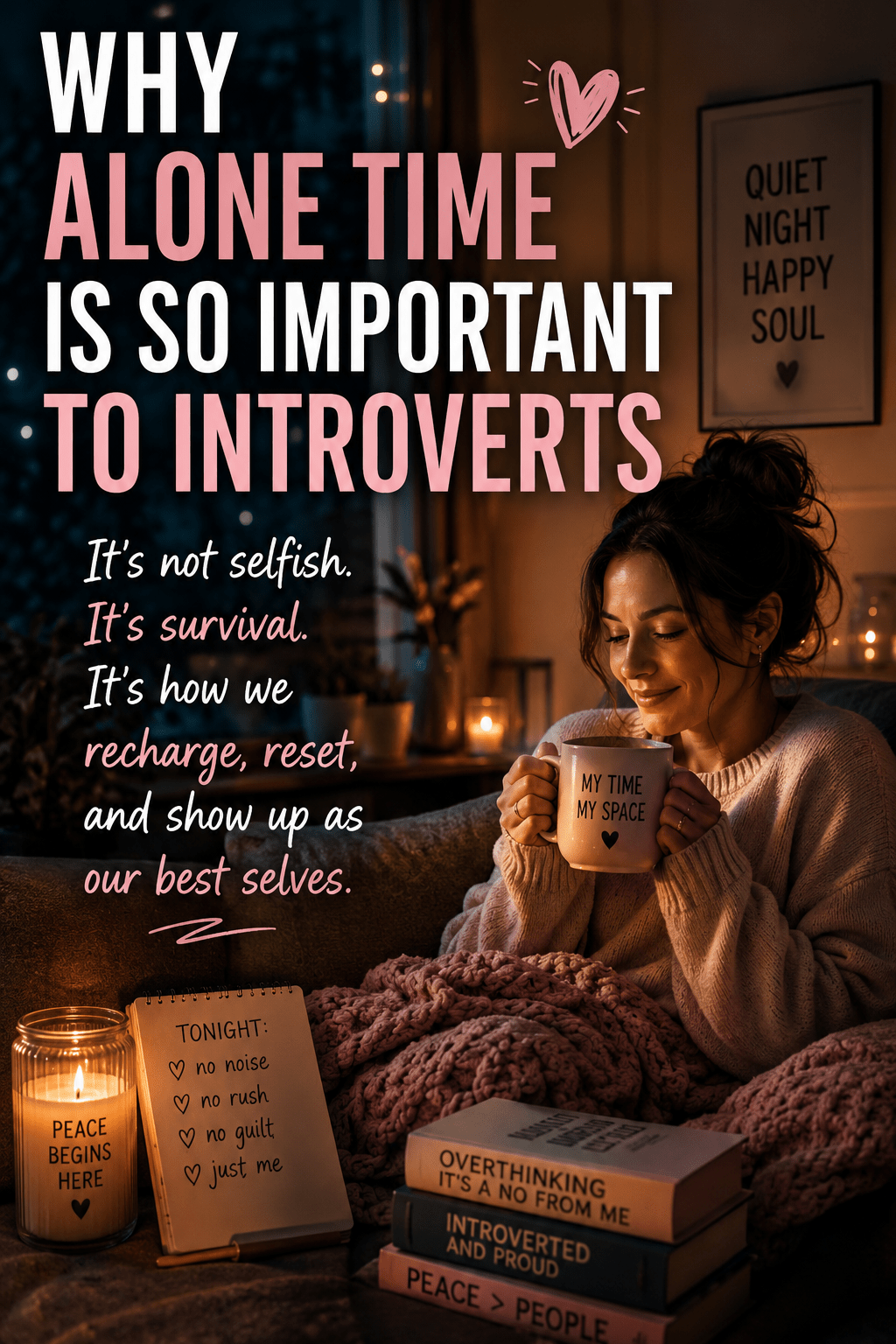
A cozy nighttime scene showing a relaxed woman wrapped in a blanket on a couch, holding a mug that says “My Time My Space.” Warm candlelight and soft lights glow around the room while large text explains why alone time is important to introverts. The peaceful setting captures the quiet comfort of late-night solitude and recharging after a long day.

Some people recharge by going out, being around friends, and staying busy all the time. Introverts are usually the exact opposite. We recharge by finally getting a little peace and quiet. Not because we hate people or don’t love our families, but because constant interaction can feel mentally exhausting after a while.

And honestly? Sometimes the best part of the day does not even start until everybody else goes to sleep.

Introverts Need Quiet To Recharge

For introverts, alone time is not some dramatic “escape from the world” thing. It is more like plugging your phone into a charger after the battery hits 5%.

When you spend all day talking, helping people, answering questions, working, parenting, cleaning, texting, and dealing with noise nonstop, your brain gets overloaded. Eventually, you just need a little silence to reset.

That reset looks different for everybody. Some people read. Some scroll TikTok in silence. Some craft, journal, watch crime documentaries, or just sit there enjoying the fact that nobody is asking them for anything for five whole minutes.

The point is simple. Alone time gives introverts breathing room.

Nighttime Feels Different

There is something magical about late-night quiet. The house feels calmer. The world slows down. No notifications going off every second. No errands. No expectations.

For a lot of introverts, nighttime becomes the only time that truly belongs to them.

I love my husband dearly, but I thank goodness he goes to bed early because I absolutely cherish that quiet nighttime window. It has always been that way for me.

Back when my kids were little, late night was literally the only alone time I could get. During the day, somebody always needed something. Snacks, homework help, rides, laundry, attention, more snacks somehow five minutes later. Moms barely get time to hear themselves think sometimes.

So I stayed up late.

Honestly, I almost never went to bed before 2 AM when my kids were younger. That was my decompression time. My brain finally got to unclench a little. I could watch what I wanted, work on my own hobbies, think my own thoughts, or just enjoy the silence without hearing “Mommmm” every twelve seconds.

Those quiet nighttime hours saved my sanity more than once.

Alone Time Does Not Mean You Love People Less

This is something introverts constantly have to explain.

Wanting alone time does not mean you are mad at your spouse. It does not mean you dislike your kids. It definitely does not mean you are antisocial.

Actually, a lot of introverts are deeply loving people. We just get emotionally drained faster from nonstop interaction.

That quiet hour at night is what helps many introverts show back up as better partners, better parents, and better humans in general.

Without that reset time, everything starts feeling overstimulating. Even little noises can become irritating when your mental battery is empty.

Meanwhile, after a little alone time? Suddenly, you feel human again.

Related: Simple Habits That Improve Mental Health

Moms Especially Understand This

Mothers, especially moms with multiple kids, know how rare true alone time can be.

Even when you technically have “free time,” somebody usually still needs something. You are still mentally on call all day long. That constant responsibility is exhausting, especially for introverts.

That is why so many moms end up becoming nighttime people.

The house finally gets quiet, and your brain immediately relaxes because nobody is touching you, asking questions, fighting over snacks, or yelling from another room.

You finally get to exist as a person instead of being needed every second.

Honestly, those little nighttime rituals become sacred after years of motherhood.

Getting Older Changes It A Little

These days, I do not stay up until 2 AM anymore. I am older now, and sleep matters a whole lot more than it used to.

But I still need that quiet nighttime decompression time.

Now I am perfectly happy squeezing in an hour or two before bed. Sometimes that is all it takes. A little silence, a little scrolling, maybe watching something nobody else in the house wants to watch, and suddenly the whole day feels balanced again.

That peaceful alone time still matters just as much as it always did.

Maybe even more.

Introverts Should Stop Feeling Guilty About Needing Space

Somewhere along the way, people started acting like wanting alone time is selfish. It is not.

Everybody has different ways of recharging emotionally. Extroverts often feel energized around people. Introverts usually recover in quiet spaces.

Neither one is wrong.

If your favorite part of the day is when the house finally gets quiet at night, you are definitely not alone. A lot of introverts understand that feeling completely.

Sometimes, the most peaceful moment of the entire day is sitting in silence while everybody else is asleep, finally getting a little time that belongs only to you.

Lisa Crow contributed to this article. She is a true crime junkie and lifestyle blogger based in Waco, Texas. Lisa is the Head of Content at Gigi’s Ramblings and Southern Bred True Crime Junkie. She spends her free time traveling when she can and making memories with her large family which consists of six children and sixteen grandchildren.

Close-up promotional image of a woman in her 40s sitting at a desk in soft natural light, looking thoughtful and calm. On the left side, bold text reads “HORMONE TESTING PANELS FOR WOMEN OVER 40” in a clean, modern layout. The background is bright and minimal with a subtle green plant for a natural, wellness-focused feel, and blood test tubes are slightly visible in the foreground.

When you hit your 40s, your body starts shifting in ways that don’t always come with a clear warning label. Energy changes, sleep gets lighter or more broken, moods can swing faster, and your cycle might start acting unpredictable. That’s usually when hormone testing stops being “optional curiosity” and starts being useful information.

Why Hormone Testing Matters At This Stage

Hormones in your 40s don’t just gently decline. They fluctuate. Estrogen, progesterone, and even testosterone can move up and down in patterns that feel random day to day.

That’s why symptoms often feel inconsistent. One week you’re fine, the next you’re exhausted, anxious, or just off. Testing helps connect those dots instead of guessing.

On top of that, thyroid changes and insulin resistance often start showing up around this age too, which can intensify everything else going on.

Core Hormones Most Panels Check

Most standard hormone panels focus on a few key hormones that give a general snapshot of what’s happening.

Estrogen (Especially Estradiol)

Estrogen affects mood, sleep, skin, and cycle regularity. In your 40s, it doesn’t just decline steadily. It can spike and drop, which is why symptoms can feel unpredictable.

Progesterone

Progesterone helps balance estrogen and supports calm, sleep, and cycle stability. When it drops, it can show up as anxiety, irritability, or restless sleep.

Testosterone

Women need testosterone too. It plays a role in energy, motivation, libido, and muscle tone. Low levels can feel like fatigue or just a general lack of drive.

Thyroid Testing Is Just As Important

A lot of people focus only on sex hormones and miss the thyroid entirely, which is a mistake.

A solid thyroid panel usually includes:

  • TSH
  • Free T3
  • Free T4
  • Thyroid antibodies (when needed)

Even small thyroid shifts can feel big. Weight changes, brain fog, hair thinning, and low energy often trace back here.

Blood Sugar And Insulin Markers

This part gets ignored too often, but it matters a lot in your 40s.

Common tests include:

  • Fasting glucose
  • Fasting insulin
  • Hemoglobin A1C

When insulin is out of balance, it can mess with energy, cravings, weight, and even hormone stability overall.

Optional But Helpful Add-On Tests

Depending on symptoms, some providers also check a few extras.

Cortisol

This is your stress hormone. When it’s off, you might feel tired but wired, or completely drained in the afternoon.

DHEA

Supports energy and hormone production. It tends to decline with age and long-term stress.

Vitamin D

Not technically a hormone, but it behaves like one in the body. Low levels can affect mood, immunity, and hormone balance.

Timing Actually Matters

Hormones shift throughout the month, so when you test can change the results.

For example, progesterone is most useful when tested about a week after ovulation. If timing is off, the numbers can look misleading even if something is actually wrong.

Related: Perimenopause Is Kicking My Ass: A Survival Story 11 Years in the Making

What These Tests Really Help You Do

Hormone testing isn’t about chasing perfect numbers. It’s about spotting patterns.

Once you see what’s high, low, or fluctuating, you can make better decisions about diet, stress, sleep, supplements, or medical treatment if needed.

Final Thought

Your 40s aren’t about everything going wrong. They’re about your body changing the rules. Hormone testing just helps you understand those new rules instead of guessing every time something feels off.

Lisa Crow contributed to this article. She is a true crime junkie and lifestyle blogger based in Waco, Texas. Lisa is the Head of Content at Gigi’s Ramblings and Southern Bred True Crime Junkie. She spends her free time traveling when she can and making memories with her large family which consists of six children and sixteen grandchildren.
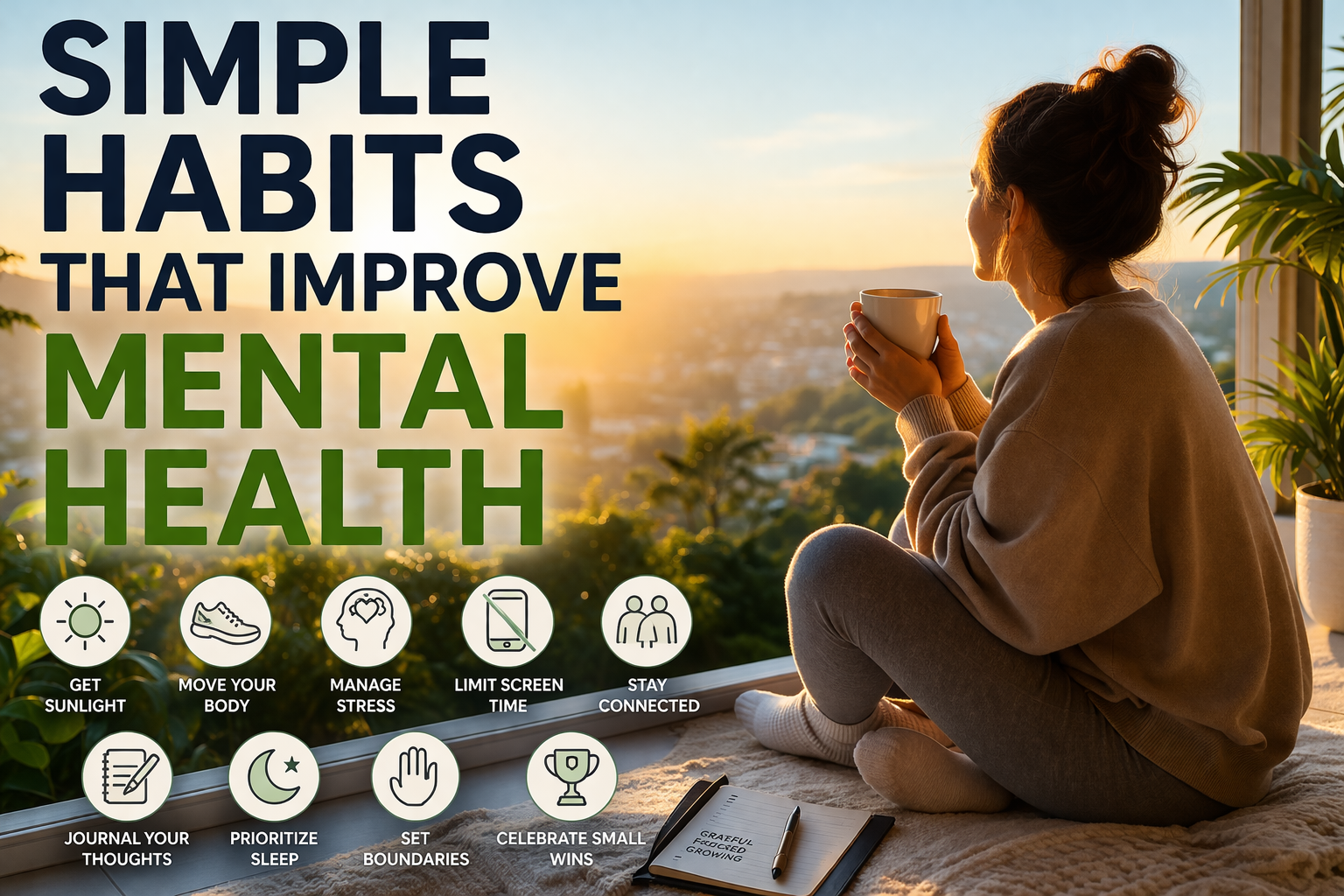
Woman sitting by a sunlit window holding coffee while overlooking a peaceful city view, with bold text highlighting simple habits that improve mental health like sunlight, movement, sleep, and connection.

Mental health isn’t something that suddenly breaks or magically fixes itself overnight. It’s built slowly through the little things you do every day. The way you start your morning, how you handle stress, and even how you talk to yourself all play a role in how you feel.

The good news is that improving your mental health doesn’t require some massive life overhaul. It usually comes down to simple habits that, when done consistently, start to shift things in a better direction.

Start Your Day Without Jumping on Your Phone

Most people roll over and grab their phone before they’re even fully awake. The problem is that it immediately floods your brain with noise, stress, and comparison. Instead of easing into your day, you’re reacting before you’ve even had a chance to think.

Try giving yourself a little space in the morning. Even ten or fifteen minutes without screens can help your mind wake up naturally and set a calmer tone for the rest of the day.

Get Outside and Let Your Brain Breathe

Spending time outside might sound simple, but it’s one of the easiest ways to improve your mood. Fresh air and sunlight help regulate your body and can pull you out of that heavy, stuck feeling that builds up indoors.

You don’t need to go on a long hike or make it a whole event. A short walk, sitting on the porch, or even stepping outside for a few minutes can help reset your head.

Move Your Body Without Making It Miserable

Exercise has a reputation for being something you have to force yourself to do, but it doesn’t have to be that way. The goal isn’t punishment, it’s movement.

Find something you don’t dread. That might be walking, working in the yard, dancing around the house, or lifting weights if that’s your thing. When your body moves, your brain benefits right along with it.

Build a Routine That Works for You

Even if you think you don’t like structure, your brain does. Having a loose routine helps reduce stress because you’re not constantly figuring out what comes next.

This doesn’t mean scheduling every second of your day. It just means having a general rhythm, like waking up around the same time, eating regularly, and having a consistent way to wind down at night.

Cut Back on Mindless Scrolling

Social media can be fun, but it can also quietly wreck your mood. The constant comparisons, bad news, and endless scrolling can leave you feeling drained without you even realizing why.

Instead of cutting it out completely, just be more intentional. Limit when and how long you scroll so it doesn’t take over your time or your mindset.

Stay Connected to Real People

Even if you’re someone who enjoys being alone, real human connection still matters. Talking to someone, even briefly, can help you feel grounded and less isolated.

It doesn’t have to be a big social event. A quick call, a conversation, or even a simple check-in with someone you trust can go a long way.

Get Your Thoughts Out of Your Head

Keeping everything bottled up in your mind makes things feel heavier than they actually are. Writing things down helps clear that mental clutter and gives you a way to process what’s going on.

You don’t need to be a writer to do this. Just jot down what’s on your mind, what’s stressing you out, or even what you need to get done. It’s simple, but it works.

Read More: What Is Mushroom Matcha?

Make Sleep a Priority

When your sleep is off, everything else feels harder. Your patience is shorter, your energy drops, and even small problems feel bigger than they are.

Try to keep a consistent sleep schedule and give yourself time to wind down before bed. Even small improvements in your sleep can make a noticeable difference in how you feel.

Learn to Say No Without Feeling Guilty

Saying yes to everything might keep people happy for a while, but it usually leads to burnout. Protecting your time and energy is necessary if you want to stay mentally balanced.

You don’t need a long explanation either. A simple no is enough, and setting that boundary helps you avoid taking on more than you can handle.

Pay Attention to the Small Wins

Most people overlook the small things they accomplish every day. Getting through a tough moment, finishing something you’ve been putting off, or even just showing up when you didn’t feel like it all counts.

Recognizing those small wins builds momentum and helps you start seeing progress where you might have missed it before.

Final Thoughts

Improving your mental health isn’t about doing everything perfectly. It’s about making small, consistent choices that support you instead of draining you.

Start with one or two habits and build from there. Over time, those simple changes stack up and create a noticeable shift in how you feel and handle everyday life.

Lisa Crow contributed to this article. She is a true crime junkie and lifestyle blogger based in Waco, Texas. Lisa is the Head of Content at Gigi’s Ramblings and Southern Bred True Crime Junkie. She spends her free time traveling when she can and making memories with her large family which consists of six children and sixteen grandchildren.
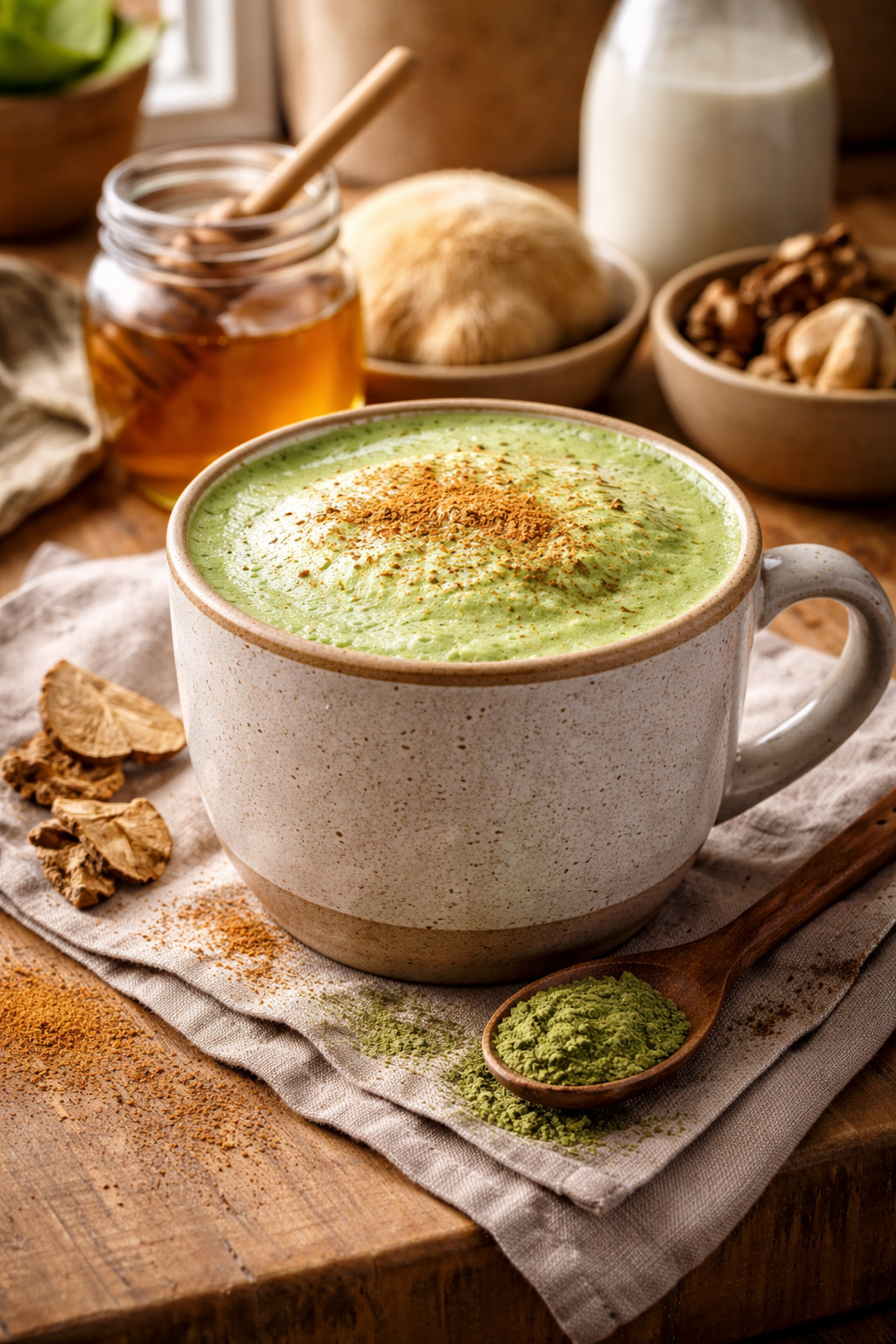
Frothy mushroom matcha latte in a ceramic mug on a rustic country countertop with honey, almond milk, cinnamon, and matcha powder nearby.

Mushroom matcha is exactly what it sounds like: high-quality matcha green tea blended with functional mushroom extracts. However, it is much more than a trendy wellness drink. This superfood combo brings together the calm focus of matcha with the adaptogenic power of medicinal mushrooms.

Unlike traditional coffee, mushroom matcha delivers steady energy without the jittery spike and crash. Because of that, it has become my personal substitute for coffee. I do not drink coffee at all, so this is what starts my mornings.

Two of my go-to blends are Ryze Superfoods Mushroom Matcha and JUYIHEAL Mushroom Matcha. Both offer a balanced mix of matcha and functional mushrooms, and they mix well into my daily routine.

Related: Winter Tea Blends: Cozy Sips to Get You Through the Cold Months

The Types of Mushrooms in Mushroom Matcha

Most mushroom matcha blends include a combination of functional mushrooms known for cognitive support, immune health, and stress reduction. While formulas vary slightly by brand, these are the most common ones you will find:

Lion’s Mane

Lion’s Mane is known for supporting brain health and focus. Many people report clearer thinking and improved concentration. That calm mental clarity is one of the biggest reasons I reach for mushroom matcha daily.

Reishi

Reishi is often called the “mushroom of immortality.” It supports immune health and helps the body adapt to stress. Over time, this adaptogenic effect can promote a more balanced mood.

Chaga

Chaga is rich in antioxidants. Because of that, it supports overall immune function and helps fight oxidative stress.

Cordyceps

Cordyceps are often included for natural energy and stamina. Instead of an aggressive caffeine jolt, cordyceps support smoother, more sustained vitality.

Together, these mushrooms create a functional blend that supports focus, mood, and long-term wellness.

Related: Stay Balanced: Why Homeostasis is Key, Especially in Winter!

The Vitamins and Nutrients Inside Mushroom Matcha

Mushroom matcha is packed with nutrients, especially when high-quality matcha powder is used. Matcha itself contains:

  • Vitamin C
  • Vitamin A
  • Vitamin E
  • Vitamin K
  • B-complex vitamins
  • L-theanine
  • Natural caffeine
  • Antioxidants (especially EGCG)

Functional mushrooms also contain:

  • B vitamins
  • Vitamin D (in some varieties)
  • Beta-glucans for immune support
  • Antioxidants
  • Adaptogenic compounds

Because of this nutrient density, mushroom matcha feels more like a daily wellness ritual than just a beverage.

How Mushroom Matcha Makes You Feel

One of the biggest differences between mushroom matcha and coffee is how it feels in your body.

Instead of a racing heart or mid-morning crash, the energy feels steady. The L-theanine in matcha works synergistically with caffeine to promote calm alertness. As a result, you stay focused without feeling wired.

Personally, I notice a clear head and stable energy. There is no anxious buzz. No heavy crash. Just smooth productivity.

Since I have been drinking superfoods, wheatgrass, and other greens for a very long time, my palate is used to earthy flavors. In fact, I actually crave that taste. Mushroom matcha has a slightly earthy, grounding flavor that I genuinely enjoy. That said, if someone is new to superfoods, they may not immediately love the taste. It can take time.

My Daily Mushroom Matcha Routine

Every morning, I prepare my mushroom matcha the same way. First, I whisk the powder with hot water until smooth. Then I add:

  • A splash of almond milk
  • A drizzle of honey
  • A dash of cinnamon
  • A pinch of cayenne

The almond milk softens the earthy notes. Meanwhile, honey adds natural sweetness without overpowering it. Cinnamon gives warmth, and cayenne adds just a subtle kick that wakes everything up.

Because I do not drink coffee, this ritual has replaced that traditional morning cup. Instead of feeling dependent on caffeine spikes, I feel nourished and steady.

Benefits of Drinking Mushroom Matcha Daily

Consistency matters with functional mushrooms. Drinking mushroom matcha daily may support:

Improved Focus and Mental Clarity

Lion’s Mane and matcha together promote sharper thinking and sustained attention.

Stress Support

Adaptogenic mushrooms like Reishi help your body respond better to daily stress.

Immune System Support

Beta-glucans and antioxidants help strengthen natural defenses.

Steady Energy

Cordyceps and matcha provide balanced vitality without harsh crashes.

Antioxidant Protection

Matcha is rich in catechins, especially EGCG, which help combat oxidative stress.

Over time, these benefits compound. Rather than feeling like a quick fix, mushroom matcha supports overall wellness.

Is Mushroom Matcha for Everyone?

While I love the earthy taste, not everyone will. Some people may prefer to start with extra honey or more almond milk to ease into it. Others may need a few weeks to adjust.

However, if you are looking for a coffee alternative that supports focus, energy, and immune health, mushroom matcha is worth trying.

For me, it is not just a trendy drink. It is a daily superfood ritual. Because I have been consuming greens and functional powders for years, this fits seamlessly into my lifestyle. The earthy flavor feels grounding, and the calm energy keeps me productive.

In the end, mushroom matcha is about more than caffeine replacement. It is about intentional energy, nutrient density, and long-term wellness. And honestly, once you get used to it, you might even start craving it too.

Lisa Crow contributed to this article. She is a true crime junkie and lifestyle blogger based in Waco, Texas. Lisa is the Head of Content at Gigi’s Ramblings and Southern Bred True Crime Junkie. She spends her free time traveling when she can and making memories with her large family which consists of six children and fifteen grandchildren.

Close-up of a honeybee on a white flower with a hive in the background, overlaid with text about severe bee allergies, anaphylaxis risk, and symptoms of a serious allergic reaction.

Understanding a Severe Bee Allergy

A bee allergy is not the same thing as disliking insects or being dramatic about a sting. For some people, a single sting can trigger a life-threatening allergic reaction known as anaphylaxis. That is where things escalate quickly.

When someone with a severe allergy is stung, their immune system overreacts to the venom. Instead of localized redness and mild swelling, the body can respond with widespread inflammation, difficulty breathing, rapid heartbeat, and a dangerous drop in blood pressure. In short, it becomes a medical emergency.

Because of that reality, avoiding bees is not about fear. It is about survival.

What Happens During an Allergic Reaction to a Bee Sting

Most people experience temporary pain, minor swelling, and itching after a bee sting. However, a true bee sting allergy looks very different.

Symptoms of a serious allergic reaction can include:

  • Immediate swelling beyond the sting site
  • Hives or widespread skin reactions
  • Tightness in the throat
  • Shortness of breath
  • Dizziness or fainting
  • Rapid swelling of the lips, tongue, or face

Anaphylaxis can develop within minutes. Therefore, anyone with a history of severe reactions must take the risk seriously.

In my case, swelling starts almost immediately after a sting. That rapid response is a clear warning sign that my body does not handle venom well. Because of that, I am at risk for anaphylaxis, and that is not something I am willing to gamble with.

Why Avoidance Is Not Overreacting

There is often a casual attitude toward bees. People will say things like, “They won’t bother you if you don’t bother them,” or “It’s just a sting.” While that may be true for many individuals, it is not universally true.

For someone with a severe allergy, one sting can lead to emergency intervention. Consequently, avoiding bees, wasps, hornets, and anything else with a stinger is not dramatic. It is a responsible health decision.

Outdoor gatherings, gardening, and even simple yard work require a heightened awareness. Spring and summer months increase exposure, which means extra caution is necessary. That might include:

  • Wearing protective clothing outdoors
  • Avoiding heavily scented products that attract insects
  • Staying away from known nesting areas
  • Keeping emergency medication accessible

These precautions are not excessive. They are preventive.

Related: Beekeeping in Early Spring: What Every Beginner Should Know

The Risk of Anaphylaxis

Anaphylaxis is a rapid, severe allergic reaction that can affect multiple body systems at once. Breathing can become restricted. Blood pressure can drop suddenly. Without immediate treatment, the situation can turn critical.

According to allergy specialists, individuals with a history of systemic reactions to insect stings are considered high risk for recurrence. In other words, if it has happened before, it can absolutely happen again.

Because I begin swelling immediately after a sting, I do not test fate. I do not handle bees. I do not “wait and see.” I do not try to push through it.

Living With a Bee Sting Allergy

Living with a severe bee allergy requires awareness but not paranoia. It means planning ahead. It means educating family and friends. It means recognizing that what seems minor to someone else may not be minor for you.

I do not mess with bees or anything else with a stinger. Period. I am highly allergic to anything with a stinger. I begin swelling immediately after a sting, and I am at risk for anaphylaxis. That is not a preference. It is a medical reality.

There is a difference between caution and fear. Caution keeps you safe. Fear keeps you frozen. I choose caution.

Final Thoughts on Bee Allergies and Safety

Bee allergies are real. Severe allergic reactions are real. Anaphylaxis is real. While many people can coexist peacefully with bees, not everyone has that luxury.

If you or someone in your family has experienced more than localized swelling after a sting, take it seriously. Speak with a medical professional. Understand the risks. Make a plan.

Your health is not something to downplay, especially when the consequences can be immediate and severe.

Lisa Crow contributed to this article. She is a true crime junkie and lifestyle blogger based in Waco, Texas. Lisa is the Head of Content at Gigi’s Ramblings and Southern Bred True Crime Junkie. She spends her free time traveling when she can and making memories with her large family which consists of six children and fifteen grandchildren.

Woman looking out a window at sunset reflecting on the fear of time passing

The Quiet Fear Nobody Talks About

At some point, it starts to creep in. Not loudly. Not dramatically. Just a soft little thought that shows up while you’re folding laundry, scrolling photos, or watching your kids do something they used to need help with. Time is moving. And it feels fast. The fear of time passing is not always about getting older. Most of the time, it is about realizing how much has already happened. It is about noticing that years feel shorter than they used to. Days blend together. Memories start stacking up faster than plans. It can feel weirdly heavy, even on good days.

Why Time Feels Faster As You Get Older

When you are younger, everything is new. Firsts happen constantly. First job. First heartbreak. First place of your own. Your brain records those moments deeply, so time feels slower. As you get older, routines take over. Work. Family. Responsibilities. Life starts running on autopilot. Because fewer moments feel new, your brain stores them more loosely. So time does not actually speed up. It just feels like it does. And that alone can trigger a whole lot of time anxiety.

Related: The Rise of AI Anxiety

The Real Fear Is Not Time, It Is Regret

Here is the part nobody likes to admit. The fear of time passing is usually not about clocks or birthdays. It is about missed chances. Unfinished dreams. Things you thought you would have done by now. It is the quiet thought of: I thought I would be further along. I thought I would feel more settled. I thought I would have more time. Nostalgia plays a role too. You remember old versions of yourself. Old seasons. Old feelings. Sometimes they feel safer than the present, even if they were not. So the fear becomes layered. It is fear of aging mixed with fear of wasting time mixed with fear of change. All tangled together.

How Social Media Makes It Worse

Let’s be honest. Social media does not help. You are constantly seeing: People hitting milestones. People starting over successfully. People living lives that look neat and exciting. Meanwhile, your real life feels messy, repetitive, and quiet. It creates this fake sense that everyone else is “doing it right” while you are running out of time to catch up. Even if you know it is not real, it still hits emotionally. Comparison turns time into a scoreboard. And that is where the anxiety really kicks in.

Signs You Might Have Time Anxiety

The fear of time passing shows up in subtle ways. You might: Feel uneasy on birthdays. Get emotional looking at old photos. Constantly think about “where you should be.” Feel guilty for resting or doing nothing. Panic about not using time productively. It is not always dramatic. Sometimes it is just a background hum of pressure that never really shuts off.

The Truth Nobody Wants To Hear

There is no moment where you suddenly feel “caught up.” No age where you finally feel finished. No timeline that actually exists. No version of life where time stops. Even the people who seem ahead are still worried about the same things. They just worry about different chapters. Time passing is not a problem you solve. It is a reality you learn to make peace with.

Related: The Long-Term Effects of Cortisol Overload

How To Make Peace With Time Instead of Fighting It

This part is easier said than done, but it helps. First, notice the moments you usually rush through. Those are often the ones you miss later. Second, stop waiting for life to feel complete before enjoying it. Most of life happens in the middle, not at the milestones. Third, allow yourself to evolve. You are not behind. You are just in a different season than the one you imagined. And finally, remember that memories are still being made right now, even on boring days. You just will not realize which ones matter until later. That is how it has always worked.

A Softer Way To Look At Time

Instead of seeing time as something slipping away, try seeing it as something you are moving through. You are not losing years. You are collecting them. Every version of you still exists in some way. They just passed the torch to who you are now. The fear of time passing never fully disappears. But it does get quieter when you stop treating life like a race and start treating it like a story. And stories are not meant to be rushed through. They are meant to be lived page by page, even when the chapters feel short.

Lisa Crow contributed to this article. She is a true crime junkie and lifestyle blogger based in Waco, Texas. Lisa is the Head of Content at Gigi’s Ramblings and Southern Bred True Crime Junkie. She spends her free time traveling when she can and making memories with her large family which consists of six children and fifteen grandchildren.

woman laying in bed staring at the ceiling

Late-night thoughts hit differently than daytime thoughts. When everything is quiet and distractions disappear, the mind suddenly feels louder, heavier, and harder to control. The psychology of late-night thoughts explains why worries grow, emotions intensify, and memories resurface just as you’re trying to fall asleep. This isn’t random or weakness. It’s how the brain behaves when it’s tired, overstimulated, and finally alone with itself.

Why Late-Night Thoughts Feel So Intense

As night sets in, the brain’s ability to regulate emotions weakens. The prefrontal cortex, responsible for logic, impulse control, and rational thinking, slows down with fatigue. Meanwhile, emotional centers like the amygdala remain active. This imbalance causes late-night thoughts to feel more personal and more threatening. Problems that seemed manageable during the day suddenly feel overwhelming because the brain has lost its emotional filter.

Mental Fatigue and Nighttime Overthinking

Mental fatigue plays a huge role in nighttime overthinking. By the end of the day, your brain has processed stress, decisions, conversations, and constant stimulation. When energy runs low, the brain relies on repetitive thought patterns. This is why late-night thoughts often spiral or loop. You replay conversations, analyze past mistakes, and imagine worst-case scenarios because the brain is exhausted but still searching for answers.

Why Silence Makes Thoughts Louder

Silence is fuel for late-night thoughts. During the day, noise, tasks, and social interaction keep intrusive thoughts at bay. At night, those distractions vanish. Psychologically, when external stimulation drops, internal awareness increases. The brain fills the quiet with unresolved emotions and unfinished mental business. Thoughts that were buried during the day finally surface because there’s nothing left to drown them out.

Related: Why ASMR Became the Internet’s Favorite Relaxation Tool

Emotional Vulnerability After Dark

Emotional vulnerability increases at night. Studies show that sleep deprivation intensifies negative emotions while dulling positive ones. This explains why late-night thoughts tend to lean toward anxiety, regret, or self-doubt. Your brain is less capable of emotional balance, making fears feel more believable and emotions feel heavier. It’s not that things are worse at night, it’s that your emotional resilience is lower.

Late-Night Thoughts and Anxiety

Late-night thoughts and anxiety are tightly connected. When the brain is tired, it becomes more reactive to perceived threats. Anxiety thrives in this state, convincing you that worries are urgent and unsolvable. This is why late-night anxiety often leads to catastrophic thinking. The brain jumps to conclusions without evidence because logic is offline and emotion is driving the conversation.

Why Creativity Shows Up at Night Too

Not all late-night thoughts are negative. Creativity often spikes during nighttime hours. With fewer distractions and reduced self-criticism, the brain becomes more open to abstract and imaginative thinking. This is why ideas, insights, and creative breakthroughs often appear late at night. The same loosened mental control that fuels overthinking can also unlock creativity.

Related: The Long-Term Effects of Never Fully Resting

How to Manage Late-Night Thoughts

Managing late-night thoughts starts with understanding that tired thoughts are unreliable. Writing worries down helps move them out of your head and signals closure to the brain. Calming routines, dim lighting, and reduced screen time lower mental stimulation. Most importantly, remind yourself that thoughts at night feel real but aren’t always accurate. What feels massive at midnight often shrinks after sleep.

Why Morning Perspective Changes Everything

Sleep restores balance between emotion and logic. After rest, the brain regains its ability to evaluate problems realistically. This is why late-night worries often feel less intense in the morning. Late-night thoughts come from a tired brain, not a clear one. Understanding this makes it easier to let thoughts pass instead of spiraling when the lights go out.g.

Lisa Crow contributed to this article. She is a true crime junkie and lifestyle blogger based in Waco, Texas. Lisa is the Head of Content at Gigi’s Ramblings and Southern Bred True Crime Junkie. She spends her free time traveling when she can and making memories with her large family which consists of six children and fifteen grandchildren.