Tiny pastel-blue library filled with books, surrounded by flowers, with “Take a Book, Leave a Book” sign.

There is something awfully charming about stumbling across a little wooden box filled with books while walking through a neighborhood. Maybe it is painted like a miniature cottage, tucked beneath a tree, or sitting beside a sidewalk with a tiny door and a roof of its own. You open it expecting to find a handful of forgotten paperbacks, only to discover everything from children’s books and mysteries to cookbooks and old classics. These tiny libraries have become increasingly common, and honestly, I can see why people are falling in love with them.

Tiny libraries are more than just places to grab a free book. They represent something that feels increasingly rare these days: sharing something simply because you think another person might enjoy it. There are no membership cards, complicated checkout systems, or overdue notices. You find a book, take it home, and eventually pass along one of your own if you have something worth sharing. It is an incredibly simple idea, yet it has created little pockets of community all over the country.

What Exactly Is A Tiny Library?

A tiny library is essentially a small, publicly accessible book exchange. Most are located in front yards, near sidewalks, outside community spaces, or along popular walking routes. Some are officially registered with organizations such as Little Free Library, while others are completely independent projects created by homeowners who simply wanted to give their neighbors a place to exchange books.

The basic concept is beautifully uncomplicated. If you see a book you want, you take it. If you have books sitting around at home that you have already read and no longer need, you can leave them for someone else. There is generally no expectation that the exact book will ever return, which makes the whole system feel less like borrowing from a traditional library and more like passing a good book from one reader to another.

How Tiny Libraries Became So Popular

The idea of neighborhood book exchanges has been around for a long time, but the modern tiny library movement really began gaining attention as people looked for simple ways to strengthen their communities. Little Free Library helped turn the concept into a recognizable movement, and thousands of small book-sharing structures eventually appeared in neighborhoods and communities around the world.

Part of the appeal is that tiny libraries fit beautifully into everyday life. You do not have to make a special trip across town, find a parking space, or plan an afternoon around visiting one. You might simply notice one while walking the dog or driving through your neighborhood. That little box can turn an ordinary afternoon into an unexpected opportunity to discover something new.

They Are About More Than Books

Although books are obviously the main attraction, tiny libraries often create something else that people may not expect: connection. A person stops to browse, another neighbor walks up with a stack of donations, and suddenly two strangers are talking about the book sitting on the top shelf. It is a small interaction, but those little interactions are often how communities begin to feel more familiar and welcoming.

Tiny libraries also create opportunities for people to share pieces of themselves without having to make a big production out of it. Someone might donate the mystery novel they loved, a gardening book they no longer need, or a children’s favorite that their kids have outgrown. Every book becomes a tiny connection between the person who left it and the person who eventually discovers it.

Every Tiny Library Has Its Own Personality

One of the best things about tiny libraries is that they rarely look exactly alike. Some are simple wooden boxes that are clearly designed to get the job done, while others are miniature works of art. You might find one that resembles a farmhouse, an old schoolhouse, a Victorian cottage, or even a tiny version of the owner’s actual home.

The personality does not stop with the structure itself. Some have flower boxes underneath the windows, little benches nearby, chalkboards announcing new arrivals, or separate shelves for children’s books. Others have whimsical signs and decorations that make them impossible to miss. Because so many are built and maintained by individuals, they become little reflections of the people and neighborhoods where they live.

You Never Know What You Will Find

That element of surprise is another reason tiny libraries are so much fun. When you walk into a bookstore or shop online, you usually have some idea of what you are looking for. With a tiny library, you have absolutely no idea what might be waiting behind that little door.

You might find an old paperback mystery, a romance novel, a cookbook, a gardening guide, a children’s story, or a classic you have somehow never gotten around to reading. Sometimes you will find something you have been wanting to read for years. Other times, you will pull out a book simply because the title catches your attention, and it turns out to be one of those unexpected reads that stays with you.

There is also something special about finding an older, well-loved book. A worn paperback with a name written inside the cover or an inscription from decades ago can make you wonder where that book has been. Maybe it traveled through several homes before reaching that particular little library. Suddenly, you are not just reading a story. You are becoming part of the story of the book itself.

Tiny Libraries Make Reading Feel Like An Adventure

For children especially, tiny libraries can make reading feel less like an assignment and more like treasure hunting. Imagine being a kid and discovering a miniature house full of books right in your own neighborhood. You can open the door, look through the shelves, choose something that catches your eye, and take it home.

That freedom can be incredibly appealing. There is no required reading list and nobody telling you which book you are supposed to choose. Instead, children get to browse, make their own decisions, and discover stories based on nothing more complicated than curiosity. For parents trying to encourage reluctant readers, that kind of independence can be surprisingly powerful.

You Can Build One Yourself

Another reason tiny libraries have continued to spread is that they do not have to be elaborate or expensive. Someone with basic woodworking skills can build a simple structure from leftover lumber, while a creative homeowner might transform an old cabinet or other weather-resistant container into a book exchange. Some people go all out with detailed roofs, windows, paint, and decorations, while others keep theirs charmingly simple.

The important thing is creating a safe, accessible place where books can stay reasonably protected from the weather. Beyond that, there is a tremendous amount of room for creativity. You can make yours match your house, reflect your hobbies, celebrate your favorite books, or simply look like a tiny little house sitting in the yard waiting for readers to stop by.

The Best Part Is The Sharing

Perhaps the most meaningful thing about tiny libraries is that they operate largely on generosity and trust. You take something without paying for it, and you leave something without expecting anything in return. In a world where we are accustomed to seeing a price tag attached to nearly everything, that simple exchange feels surprisingly refreshing.

You do not even have to leave a book every time you take one. Sometimes you might find something perfect and have nothing to contribute that day. That is okay. The whole idea is based on the understanding that people will participate when they can, keeping the shelves stocked so that someone else can experience the same little thrill of discovery later.

They Can Become Neighborhood Landmarks

Over time, a tiny library can become part of the identity of a neighborhood. Children may check it while riding their bikes, walkers may stop to browse, and neighbors may start setting aside books specifically because they know the little library is there. Eventually, that tiny structure becomes something people recognize and look for.

That is what makes the idea so appealing to me. A tiny library takes up very little space, costs relatively little to maintain, and yet can become a familiar part of someone’s daily routine. Years from now, someone might remember finding a favorite childhood book in that little box or discovering an author they still read today.

Why Tiny Libraries Matter

The rise of tiny libraries is not really about a decorating trend or even a book trend. It is about people finding simple ways to share something with one another. It is about giving books another life, encouraging children to read, clearing space from our own shelves, and creating little moments of connection between people who might otherwise never meet.

Perhaps that is why these miniature libraries have such a big appeal. They do not require a committee, a huge budget, or a complicated plan. All it takes is a small structure, some books, and someone willing to share.

So the next time you spot a tiny library while walking through your neighborhood, do not rush past it. Stop and take a look inside. You might discover an old favorite, a book you have never heard of, or a story that becomes your next great read. And if you have a book at home collecting dust, consider giving it a new life by leaving it behind for the next curious reader.

Lisa Crow contributed to this article. She is a true crime junkie and lifestyle blogger based in Waco, Texas. Lisa is the Head of Content at Gigi’s Ramblings and Southern Bred True Crime Junkie. She spends her free time traveling when she can and making memories with her large family which consists of six children and sixteen grandchildren.
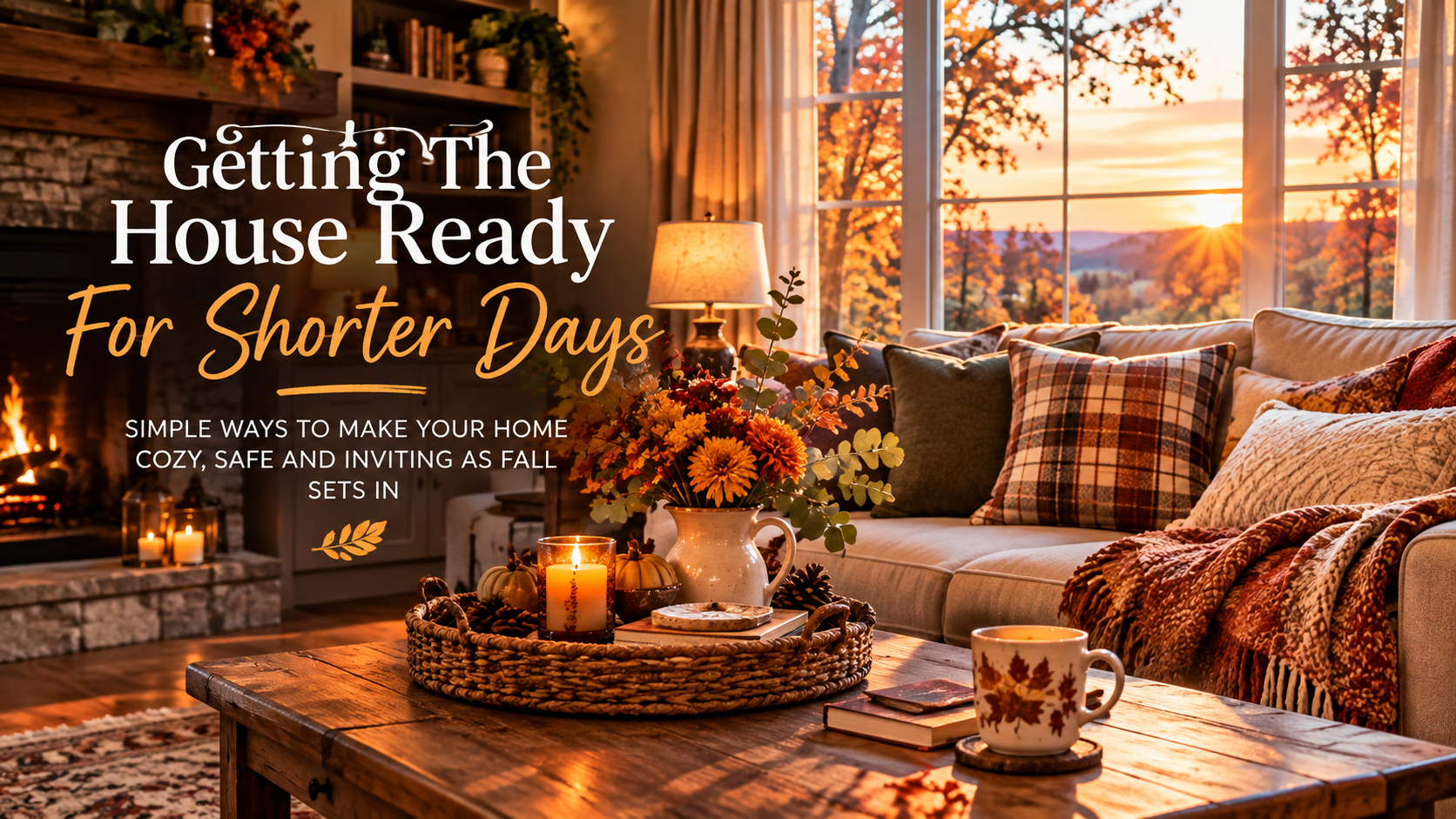

Colorful mountain town surrounded by vibrant autumn foliage with cozy shops, cabins, and scenic mountain views.

There is something magical about a mountain town once autumn arrives. Crisp mornings, colorful forests, cozy cabins, and small-town charm somehow make everything feel a little slower and a lot more beautiful. While beaches may dominate summer vacations, fall belongs to the mountains.

Whether you’re planning a weekend getaway or simply dreaming about your next road trip, these mountain towns truly come alive once the leaves begin to change. Some are famous for brilliant fall foliage, while others offer festivals, scenic train rides, hiking trails, and cozy downtown streets that practically beg you to explore.

Gatlinburg, Tennessee

Nestled beside the Great Smoky Mountains, Gatlinburg transforms into a postcard every October.

The surrounding mountains explode with shades of crimson, orange, yellow, and gold, creating one of the longest fall color seasons in the country. Early morning fog drifting through the valleys only adds to the atmosphere.

While you’re there, you can:

  • Ride the SkyLift for incredible mountain views.
  • Explore Great Smoky Mountains National Park.
  • Visit local candy shops and pancake houses.
  • Browse handmade crafts and local art galleries.

The combination of mountain scenery and classic Southern hospitality makes Gatlinburg one of America’s favorite fall destinations.

Related: Happy Augtober! The Unofficial First Day of Fall

Leavenworth, Washington

If you’ve ever wanted to visit a Bavarian village without leaving the United States, Leavenworth delivers.

Surrounded by the Cascade Mountains, this charming town becomes even more beautiful as autumn colors settle across the hillsides.

Visitors love:

  • German-inspired architecture
  • Cozy cafés
  • Oktoberfest celebrations
  • Mountain hiking trails
  • Scenic river walks

The crisp mountain air paired with colorful forests makes every stroll feel like stepping into a storybook.

Estes Park, Colorado

Autumn in Estes Park comes with an unexpected bonus: elk season.

Large herds wander throughout town during the annual rut, making wildlife viewing one of the biggest attractions of the season. Add golden aspens covering the Rocky Mountains, and you’ve got an unforgettable destination.

Popular activities include:

  • Scenic drives through Rocky Mountain National Park
  • Wildlife photography
  • Local breweries
  • Mountain shopping districts
  • Cozy cabin rentals

The cool temperatures make hiking especially enjoyable after the heat of summer.

Stowe, Vermont

Few places capture New England fall quite like Stowe.

Rolling mountains become blanketed in brilliant foliage while charming white churches, covered bridges, and family farms complete the classic autumn scenery.

Don’t miss:

  • Smugglers’ Notch Scenic Drive
  • Local maple syrup shops
  • Apple cider donuts
  • Farm markets
  • Gondola rides for panoramic foliage views

Every corner seems designed for postcards.

Blue Ridge, Georgia

Blue Ridge offers all the beauty of the Appalachian Mountains with a quieter pace than many larger tourist towns.

Downtown features boutique shops, restaurants, and local breweries, while nearby mountain roads provide endless opportunities for leaf-peeping.

One of the biggest attractions is the Blue Ridge Scenic Railway, which winds through colorful forests and riverside landscapes.

It’s an ideal destination for couples, families, and anyone looking to enjoy peaceful mountain views.

Highlands, North Carolina

Highlands sits more than 4,000 feet above sea level, making it one of the first places in the Southeast to experience cooler autumn weather.

The surrounding waterfalls become even more spectacular as colorful leaves frame every trail.

Visitors often spend their days:

  • Hiking waterfall trails
  • Shopping downtown
  • Visiting art galleries
  • Dining on outdoor patios
  • Taking scenic mountain drives

The relaxed atmosphere makes Highlands feel wonderfully removed from everyday life.

Telluride, Colorado

Telluride may be famous for skiing, but many travelers believe fall is actually its best season.

Golden aspens blanket the surrounding peaks while the summer crowds begin to disappear.

The historic downtown offers:

  • Boutique shopping
  • Local restaurants
  • Scenic gondola rides
  • Mountain festivals
  • Incredible photography opportunities

If you’re looking for dramatic mountain scenery, Telluride rarely disappoints.

Helen, Georgia

Helen brings Alpine charm to the North Georgia mountains.

The town’s Bavarian-inspired buildings pair perfectly with colorful mountain backdrops during autumn, and Oktoberfest festivities keep visitors entertained for weeks.

Nearby waterfalls, hiking trails, and wineries make excellent additions to any fall itinerary.

The combination of festive atmosphere and mountain scenery makes Helen especially popular during October.

Jim Thorpe, Pennsylvania

Often called the “Switzerland of America,” Jim Thorpe sits among rolling mountains that become incredibly colorful each fall.

Historic Victorian buildings line the streets while scenic rail excursions showcase the surrounding forests.

Visitors enjoy:

  • Historic architecture
  • Train rides
  • Boutique shopping
  • Hiking nearby trails
  • Seasonal festivals

It’s one of Pennsylvania’s most charming autumn destinations.

Banner Elk, North Carolina

Banner Elk combines mountain scenery with a relaxed small-town feel.

Located in the Blue Ridge Mountains, it’s surrounded by colorful forests, wineries, apple orchards, and scenic overlooks.

Fall visitors often enjoy:

  • Apple picking
  • Winery tours
  • Mountain hiking
  • Craft breweries
  • Local farmers markets

The slower pace makes it perfect for a relaxing autumn escape.

Tips for Planning a Fall Mountain Getaway

Mountain towns become incredibly popular during peak leaf season, so planning ahead can make your trip much more enjoyable.

Consider these tips:

  • Book lodging several months in advance.
  • Visit during weekdays for smaller crowds.
  • Pack layers because mountain weather changes quickly.
  • Start scenic drives early for the best lighting and fewer cars.
  • Check local fall foliage reports before traveling.

A little planning helps you enjoy more time soaking in the scenery instead of waiting in traffic.

Final Thoughts

Autumn has a way of making mountain towns feel even more inviting. Crisp air, colorful forests, cozy cafés, scenic drives, and charming downtown streets create memories that linger long after the leaves have fallen.

Whether you’re drawn to the Smoky Mountains, the Rockies, New England, or the Blue Ridge, these destinations prove that some places truly save their best season for fall. If you’re looking for a getaway filled with breathtaking views and cozy small-town charm, any of these mountain towns deserves a spot on your autumn travel list.

Lisa Crow contributed to this article. She is a true crime junkie and lifestyle blogger based in Waco, Texas. Lisa is the Head of Content at Gigi’s Ramblings and Southern Bred True Crime Junkie. She spends her free time traveling when she can and making memories with her large family which consists of six children and sixteen grandchildren.

garden container boxes on front lawn

For years, the front yard has been treated like a display piece. Perfect green grass, neatly trimmed shrubs, and colorful flower beds have long been the standard. However, that mindset is beginning to change. More homeowners are realizing that a beautiful yard can also be a productive one, and front yard vegetable gardens are becoming more popular than ever.

I have to admit, I absolutely love this trend. If I had my way, I’d happily trade a large patch of thirsty grass for raised beds overflowing with tomatoes, peppers, herbs, and squash. It just makes sense. Instead of spending weekends mowing, fertilizing, and watering a lawn that serves little purpose, why not grow something you can actually eat?

Whether your goal is saving money, becoming a little more self-sufficient, or simply creating a unique landscape, there’s never been a better time to rethink the traditional front yard.

Why Front Yard Gardens Are Becoming So Popular

Several factors have helped fuel this gardening movement. Grocery prices continue to climb, making homegrown produce more valuable than ever. At the same time, many people are looking for ways to live more sustainably while reducing their dependence on the grocery store.

Social media has also played a huge role. Beautiful raised beds, decorative trellises, colorful vegetables, and charming cottage-style gardens are everywhere. What once looked unusual now feels stylish and intentional.

Perhaps the biggest reason is that many backyards simply aren’t ideal for gardening. Some receive too much shade from mature trees, while others have pools, play equipment, or limited space. Meanwhile, the front yard often gets the best sunlight on the property, making it the perfect location for growing vegetables.

Related: Planning a More Self-Sufficient Life Through Gardening and Canning

Beauty and Function Can Go Hand in Hand

One of the biggest misconceptions is that vegetable gardens have to look messy. In reality, today’s edible landscapes can be every bit as attractive as traditional landscaping.

Raised cedar beds create clean lines and add structure. Decorative fencing keeps everything tidy while protecting plants from curious pets or wildlife. Gravel pathways, stone edging, and colorful mulch make the entire space feel professionally designed rather than improvised.

Vegetables themselves are surprisingly beautiful. Deep green kale, vibrant rainbow Swiss chard, climbing beans, bright peppers, and rows of leafy lettuce create texture and color throughout the season. Add flowering herbs and companion plants like marigolds, zinnias, or nasturtiums, and visitors may not even realize they’re looking at a vegetable garden at first glance.

The Financial Benefits Add Up

Replacing part of your lawn with edible plants can actually save money over time. Lawns require water, fertilizer, weed control, mowing, edging, and regular maintenance. Vegetable gardens certainly require work, but they also give something back.

A handful of tomato plants can produce dozens of pounds of fruit throughout the summer. Herbs continue producing for months, and leafy greens can often be harvested repeatedly. Peppers, cucumbers, beans, zucchini, and squash all provide impressive harvests from relatively small spaces.

While a garden won’t eliminate your grocery bill overnight, every basket of fresh produce is one less item you have to buy.

Choosing the Right Crops for the Front Yard

Not every vegetable needs to hide behind the house. Many actually make excellent ornamental plants while producing delicious harvests.

Some of the best choices include:

  • Tomatoes
  • Bell peppers
  • Jalapeños
  • Eggplant
  • Bush beans
  • Pole beans on decorative trellises
  • Lettuce
  • Kale
  • Swiss chard
  • Cabbage
  • Herbs like basil, rosemary, oregano, thyme, and sage
  • Strawberries
  • Okra
  • Sweet potatoes
  • Compact squash varieties

Mixing vegetables with flowers creates a softer, more welcoming appearance that blends naturally into the neighborhood.

Tips for Keeping It Neighborhood Friendly

If you’re converting your front yard, a little planning goes a long way. Keep pathways clear, pull weeds regularly, and harvest vegetables before they become overripe. Healthy plants naturally look better than neglected ones.

Grouping plants by height also creates a polished appearance. Place taller crops toward the back while allowing shorter vegetables and herbs to fill the front. Trellises can become attractive focal points instead of eyesores when painted or stained to match your home’s style.

It’s also worth checking your neighborhood rules before digging up the lawn. Some homeowners associations have restrictions, while others are becoming much more accepting of edible landscaping.

Starting Small Is Perfectly Fine

You don’t have to transform your entire yard overnight. In fact, starting with just one or two raised beds is often the smartest approach.

This gives you time to learn what grows well in your climate without feeling overwhelmed. As your confidence grows, you can always expand the garden a little more each season.

Gardening is a skill that develops over time, and even experienced gardeners are constantly learning something new.

A New Way to Think About the American Front Yard

For decades, a perfectly manicured lawn represented the American dream. Today, many homeowners are redefining what that dream looks like.

A front yard filled with vegetables represents resilience, creativity, sustainability, and a desire to produce something meaningful. It invites conversation with neighbors, encourages healthier eating, and reminds us that beauty doesn’t have to be purely decorative.

I hope this trend continues to grow. Seeing tomatoes climbing trellises, herbs spilling from raised beds, and colorful vegetables replacing endless stretches of grass feels like a step in the right direction. After all, a yard that feeds your family is every bit as beautiful as one that’s simply nice to look at.

Lisa Crow contributed to this article. She is a true crime junkie and lifestyle blogger based in Waco, Texas. Lisa is the Head of Content at Gigi’s Ramblings and Southern Bred True Crime Junkie. She spends her free time traveling when she can and making memories with her large family which consists of six children and sixteen grandchildren.

Cozy lived-in home scene with a book, candle, warm drink, and handmade quilt representing the simple comfort of hygge.

For the longest time, I kept seeing the word hygge popping up everywhere on Pinterest. It was in cozy home ideas, fall decorating posts, candle collections, blanket recommendations, and all those dreamy pictures of people curled up with books and mugs. I had absolutely no idea what it meant, but Pinterest was clearly trying to tell me something, so naturally, I had to investigate.

At first, I assumed hygge was just another trendy decorating style that would disappear after a season or two. You know the kind, where suddenly everyone needs the exact same neutral-colored couch, a basket of blankets, and a carefully placed cup of tea that nobody actually drinks. However, after digging into the meaning behind hygge, I realized it was less about a look and much more about a feeling.

The funny thing is, hygge is not really something you buy. It is not a certain candle, a specific blanket, or a Pinterest-perfect room. Instead, it is about creating moments that feel comfortable, peaceful, and meaningful.

What Exactly Is Hygge?

Hygge is a Danish concept that focuses on comfort, contentment, and enjoying simple pleasures. The word itself does not have a perfect English translation, but it is often described as a feeling of coziness and well-being.

The idea behind hygge is slowing down and appreciating the little things that make life feel good. It might be sitting by a warm fire on a chilly evening, enjoying a homemade meal with family, reading a favorite book, or having a quiet moment with a cozy blanket.

While the internet often turns hygge into an entire aesthetic, the heart of it is actually much simpler. Hygge is about creating an atmosphere where you can relax and feel present instead of constantly rushing from one thing to the next.

Hygge Is More Than Candles And Blankets

One of the biggest misconceptions about hygge is that it is all about decorating. Search Pinterest for hygge and you will probably find endless pictures of soft lighting, wooden furniture, chunky blankets, and perfectly styled rooms.

Of course, those things can help create a cozy environment, but they are not the actual meaning behind hygge. You could have the coziest room in the world and still not experience hygge if you are stressed, distracted, or unable to enjoy the moment.

A simple backyard dinner with family, a quiet afternoon working on a craft, or laughing with friends around the kitchen table can be just as hygge as a picture-perfect living room.

How To Add A Little Hygge To Everyday Life

The best part about hygge is that it does not require a major lifestyle change. In fact, some of the most hygge moments are the simplest ones.

Try creating small rituals that make ordinary days feel special. Light a candle while you read, make your favorite warm drink, put on your softest pajamas, or spend a few minutes outside enjoying the evening air.

You can also bring hygge into your home by focusing on comfort instead of perfection. A home does not have to look like a magazine spread to feel welcoming. Sometimes the homes with mismatched furniture, family photos, old books, and well-loved blankets are the ones that feel the most comforting.

Why Hygge Became So Popular

It is easy to understand why hygge caught on around the world. Life today moves at a ridiculous pace, and many people are craving a way to slow down and reconnect with simple joys.

Between busy schedules, endless notifications, and the pressure to always be productive, the idea of intentionally creating moments of peace feels refreshing.

However, the popularity of hygge has also created a little bit of confusion. Somewhere along the way, a simple Danish philosophy became a shopping trend. Suddenly, people felt like they needed expensive decor and a perfectly styled home to achieve something that was never meant to be complicated.

The Southern Version Of Hygge

Honestly, after learning what hygge really means, I realized many of us have been practicing it all along. We just never called it that.

For many Southern families, hygge looks like sitting on the porch during a cool evening, sharing stories around the table, cooking recipes passed down through generations, or gathering together during the holidays.

It is the smell of something delicious cooking in the kitchen, a stack of books waiting to be read, a handmade quilt, or a house full of people laughing until everyone forgets what time it is.

Maybe we did not have a fancy Danish word for it, but we have always understood the importance of comfort, connection, and slowing down.

Hygge Does Not Have To Be Perfect

The biggest lesson I took away from researching hygge is that it is not about creating a picture-perfect life. It is about noticing the good moments that are already happening.

You do not need a perfectly decorated home, expensive accessories, or a trendy Pinterest board to enjoy hygge. You simply need to make room for the things that bring you comfort and happiness.

So yes, I finally figured out what that mysterious Pinterest word meant. Hygge is not about chasing another trend. It is about making everyday life feel a little warmer, a little slower, and a little more enjoyable.

And honestly, that is a trend I can get behind.

Lisa Crow contributed to this article. She is a true crime junkie and lifestyle blogger based in Waco, Texas. Lisa is the Head of Content at Gigi’s Ramblings and Southern Bred True Crime Junkie. She spends her free time traveling when she can and making memories with her large family which consists of six children and sixteen grandchildren.
aerial view of bluffs and Lovers Leap in Cameron Park

The Mystery Behind One Of Waco’s Most Beloved Places

Cameron Park is one of those places that feels like it has a story hiding around every corner. With towering limestone cliffs, winding trails, deep wooded areas, and breathtaking views of the Brazos River, it is easy to understand why generations of Waco residents have created legends around this beautiful piece of Texas landscape.

However, Cameron Park is more than just a place to hike, picnic, or watch the sunset. Over the years, it has become home to some of Waco’s most fascinating tales, from tragic love stories to mysterious landmarks that have fueled the imagination of locals for decades.

Of course, with any old Texas place, the line between history and folklore can become a little blurry. Some stories may have a little truth behind them, while others have grown bigger with every generation that passes them along. That is part of what makes local legends so much fun. They connect us to the places we love and remind us that every trail, overlook, and hidden corner has a story to tell.

The Legend Of Lovers Leap

Perhaps the most famous Cameron Park legend is the heartbreaking tale of Lovers Leap. Standing high above the river, this overlook offers one of the most beautiful views in Waco, but the story connected to it is much more bittersweet.

According to local legend, two young Native American lovers from opposing tribes fell deeply in love during a time when their families were enemies. Unable to be together, the couple supposedly climbed to the cliffs overlooking the river where their tragic story came to an end.

While historians continue to debate how much of the story is fact and how much is folklore, Lovers Leap remains one of Cameron Park’s most recognized landmarks. Today, visitors still make their way to the overlook, not only for the incredible scenery but also because there is something hauntingly beautiful about standing in a place surrounded by such a powerful story.

The Seven Sisters And A Mysterious Mountain Road

Another Cameron Park legend that has fascinated locals for years is the story of the Seven Sisters. This tale centers around a steep stretch of road where visitors have reported strange experiences, especially when traveling there after dark.

The legend says that seven sisters lost their lives in a tragic accident and that their spirits continue to linger in the area. Some versions of the story claim that if you stop your vehicle and put it in neutral, unseen forces will push your car uphill, supposedly the sisters helping move it away from danger.

Like many roadside legends, the details change depending on who tells the story. Some people believe there is a supernatural explanation, while others say it is simply an optical illusion caused by the landscape. Either way, the Seven Sisters remains one of Waco’s most talked-about pieces of local folklore.

Jacob’s Ladder And The Trail To The Past

Long before modern visitors explored Cameron Park’s trails with hiking shoes and mountain bikes, Jacob’s Ladder was already becoming a legendary part of the park. The steep staircase has challenged generations of visitors and earned its reputation as one of the most memorable features in the area.

The name itself brings to mind the biblical story of Jacob’s ladder reaching toward the heavens, which feels fitting for a staircase that climbs dramatically through the natural landscape. For many Waco residents, conquering Jacob’s Ladder became a rite of passage, a childhood challenge, or a favorite place to test their endurance.

Over time, the stairs have become more than just a trail feature. They represent the connection between people and the park, with countless memories built one step at a time.

The Secrets Of Lindsay Hollow

Hidden among the wooded areas of Cameron Park is Lindsay Hollow, a place that has collected plenty of mysterious stories over the years. Like many secluded natural areas, the quiet trails and thick trees have made it the perfect setting for ghost stories and local tales.

Visitors have shared stories of strange sounds, unexplained feelings, and an eerie atmosphere that seems different from other parts of the park. Whether these experiences come from the imagination, the darkness of the woods, or something more mysterious is left up to the person walking the trail.

That is exactly what makes places like Lindsay Hollow so intriguing. Sometimes the atmosphere alone is enough to spark a legend, especially in a place with such a long history.

The Mystery Of Witch’s Castle

No discussion of Cameron Park legends would be complete without mentioning Witch’s Castle. This mysterious structure has captured the curiosity of Waco locals for generations and remains one of the most recognizable spooky stories connected to the park.

The stories surrounding Witch’s Castle vary depending on who is telling them. Some say it was once home to a mysterious woman who practiced strange rituals, while others describe it as an abandoned place surrounded by rumors and ghostly tales.

As with many legends, the truth is difficult to separate from the storytelling. The structure itself, combined with the secluded surroundings, helped create the perfect atmosphere for a tale that would continue being passed down through the years.

Even today, Witch’s Castle remains one of those places that sparks curiosity. It is the kind of local legend that makes people want to know more, even if they are not quite brave enough to explore after dark.

Why Cameron Park Legends Still Live On

The reason these stories continue to survive is simple: people love places with personality. Cameron Park is not just a collection of trails and overlooks. It is a place filled with memories, mysteries, and stories that have been shared across generations.

Every city has locations that become part of its identity, and Cameron Park is one of Waco’s greatest examples. Families have spent afternoons there, couples have visited the overlooks, and generations of kids have dared each other to explore the trails and discover something mysterious.

Even if you do not believe every legend, there is something special about walking through a place where so many stories have taken root. The cliffs, rivers, trees, and hidden paths all create the perfect setting for imagination.

Discovering The Stories Hidden In Cameron Park

The next time you visit Cameron Park, take a moment to look beyond the scenery. Think about the stories connected to Lovers Leap, the mystery of the Seven Sisters, the challenge of Jacob’s Ladder, the whispers surrounding Lindsay Hollow, and the legend of Witch’s Castle.

Whether you believe these tales are true or simply enjoy the fun of local folklore, there is no denying they add another layer of charm to one of Waco’s greatest treasures.

Because sometimes the best places are not just remembered for what they are. They are remembered for the stories they leave behind.

Lisa Crow contributed to this article. She is a true crime junkie and lifestyle blogger based in Waco, Texas. Lisa is the Head of Content at Gigi’s Ramblings and Southern Bred True Crime Junkie. She spends her free time traveling when she can and making memories with her large family which consists of six children and sixteen grandchildren.
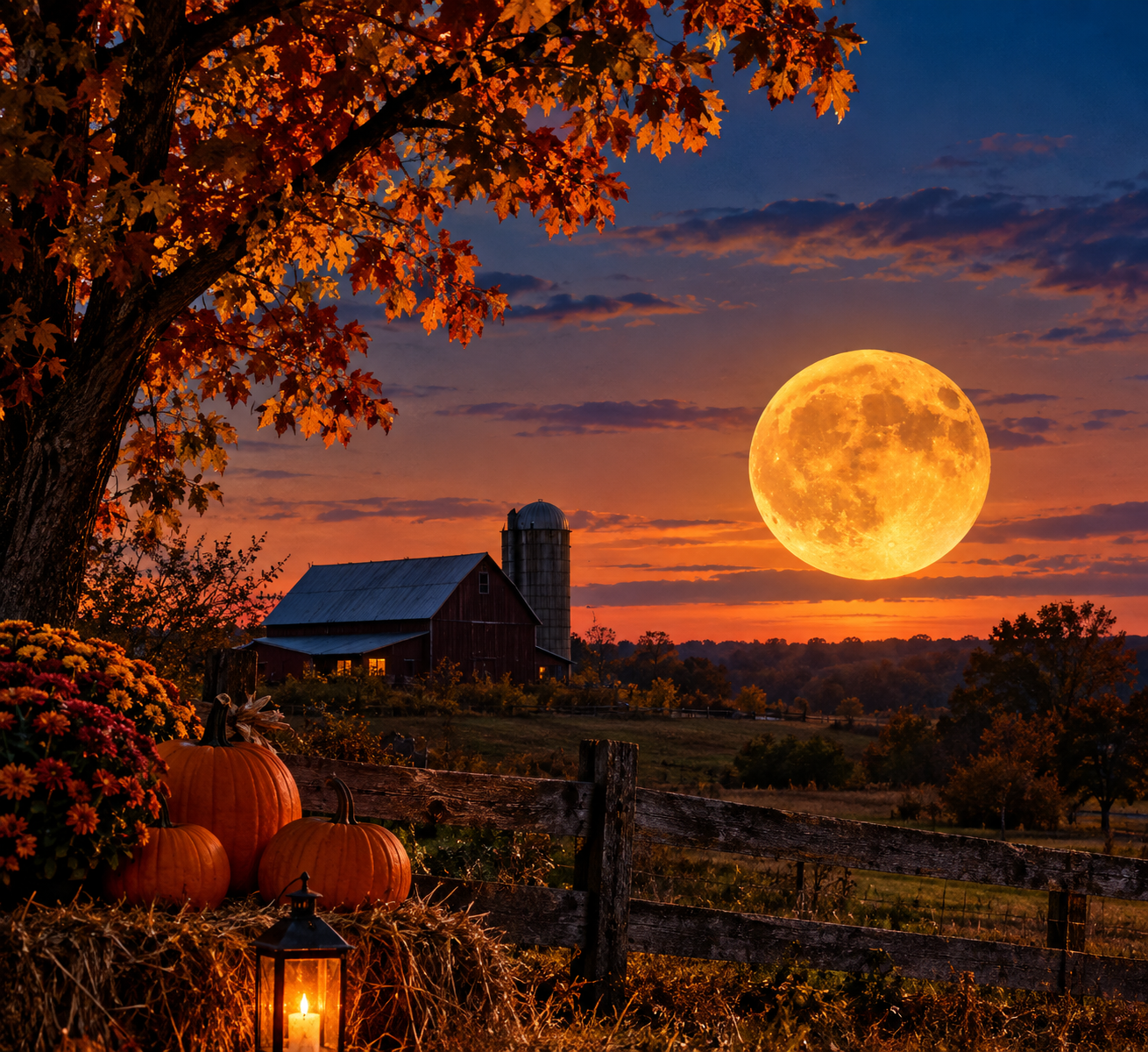
Cozy fall porch decorated with pumpkins, mums, lanterns, plaid blankets, and warm autumn colors celebrating Augtober.

If you ask the calendar, fall is still weeks away. However, if you ask a true autumn lover, today is something much more exciting.

Welcome to Augtober.

Around here, August 1 marks the unofficial beginning of the best season of the year. Sure, it’s probably still 100 degrees outside, the mosquitoes are treating everyone like an all-you-can-eat buffet, and the air conditioner is working overtime. None of that matters. In our hearts, fall has officially arrived.

While everyone else is squeezing in one last pool day, we’re already dreaming about pumpkin patches, oversized sweaters, cinnamon candles, and cozy nights on the couch.

What Exactly Is Augtober?

Augtober is the magical moment when August quietly starts pretending to be October.

No, it isn’t an official holiday. You won’t find it on any calendar. Yet thousands of fall lovers celebrate it every year by mentally closing the chapter on summer and eagerly welcoming everything cozy.

It’s less about the weather and more about the feeling.

That first morning of August somehow flips a switch. Suddenly your social media feeds fill with pumpkins, cozy books, simmer pots, chunky blankets, spooky decorations, apple desserts, and countdowns to Halloween. Even if it’s still blazing hot outside, your brain has already packed away flip-flops and started shopping for flannel.

The Signs You Might Be Celebrating Augtober

If any of these sound familiar, congratulations. You’re one of us.

  • You’re already searching for fall decor.
  • Pumpkin spice season cannot arrive fast enough.
  • You’ve started making your autumn playlist.
  • You secretly wish it would rain all day.
  • Your Pinterest boards are suddenly full of cozy living rooms and front porch ideas.
  • You light a fall candle even though it’s 98 degrees outside.
  • You’re already planning Halloween costumes.
  • Every candle aisle at the store somehow calls your name.
  • You’re watching Gilmore Girls, Hocus Pocus, or Practical Magic…again.
  • You catch yourself saying, “It’ll be fall before we know it.”

Yes, It’s Still Hot. We Simply Choose To Ignore That.

Living in Texas means Augtober requires a little imagination.

The leaves are still bright green. The humidity is trying its best to ruin everyone’s hair. Walking outside feels like opening the oven to check on dinner. Even so, none of those things can stop the excitement.

Instead of waiting for the weather to cooperate, we create our own fall atmosphere.

The candles come out. The cinnamon starts baking. The cozy blankets find their way back onto the couch, even if nobody can actually use them until October. It’s all about embracing the feeling before Mother Nature gets the memo.

The Best Ways To Celebrate Augtober

The beauty of Augtober is that there are no rules. You simply lean into everything that makes autumn feel magical.

Some favorite traditions include:

  • Decorating one small corner of your home for fall.
  • Making a bucket list of everything you want to do this season.
  • Browsing craft stores just to admire the pumpkins.
  • Reading a cozy mystery or spooky novel.
  • Baking something with apples or cinnamon.
  • Creating a new fall playlist.
  • Planning trips to pumpkin patches and fall festivals.
  • Swapping bright summer decor for warm wood tones, plaid, and amber glass.
  • Starting your Christmas gift planning while you’re feeling productive.

Even one tiny autumn touch can make the whole house feel different.

Why Fall Lovers Never Wait Until September

For many people, fall isn’t just another season. It’s a whole personality.

There’s something comforting about slowing down after the busy pace of summer. The colors become warmer. The food becomes heartier. The decorations become cozier. Even everyday routines somehow feel more enjoyable.

Because of that, waiting until late September simply feels too long. Augtober gives us permission to stretch out our favorite season and enjoy every cozy moment we can.

After all, pumpkin candles don’t have expiration dates.

Welcome To Cozy Season

If you’ve ever pulled out a fall mug while everyone else was still sipping lemonade, you’re in good company.

If you’ve ever decorated with pumpkins while your neighbors were still mowing around inflatable pools, we understand completely.

And if you’ve ever looked at the calendar on August 1 and whispered, “Happy Augtober,” then you already know this isn’t just a made-up word.

It’s a state of mind.

So go ahead and light that candle. Turn on your favorite cozy playlist. Browse the pumpkin displays. Start planning your fall baking list. Most importantly, enjoy every extra day of your favorite season.

Happy Augtober, friends. May your sweaters be ready, your candles smell amazing, and may cooler weather hurry up and catch the rest of us.

Lisa Crow contributed to this article. She is a true crime junkie and lifestyle blogger based in Waco, Texas. Lisa is the Head of Content at Gigi’s Ramblings and Southern Bred True Crime Junkie. She spends her free time traveling when she can and making memories with her large family which consists of six children and sixteen grandchildren.
Lush backyard landscape filled with colorful shrubs, ornamental grasses, and flowering perennials.

You don’t need a massive landscaping budget to create a yard that feels lush, welcoming, and established. In fact, some of the most beautiful gardens rely on a handful of dependable plants that quickly fill empty spaces, soften harsh lines, and add layers of texture. Whether you’re working with a tiny front yard or several acres in the country, choosing the right plants can completely transform the look of your outdoor space.

The best part is that many of these plants are affordable, easy to grow, and continue looking better year after year. By mixing heights, colors, and foliage textures, you can make even a newer landscape look like it’s been growing for decades.

Shrubs Create the Backbone of the Landscape

When people think of a full yard, they’re usually noticing the shrubs first. These dependable plants provide year-round structure and make flower beds appear much larger than they actually are.

Hydrangeas are an excellent choice if you want large blooms that fill space throughout the summer. Their rounded shape naturally softens corners while creating an abundant appearance.

Loropetalum offers rich burgundy foliage with bright pink blooms in spring, adding both color and fullness. Many varieties stay attractive throughout the year, making them an excellent investment.

If you live in warmer climates, Indian hawthorn and dwarf yaupon holly also provide thick evergreen coverage that keeps the landscape from looking bare during winter.

Related: DIY Gardening: Tips for Starting Your Spring Garden

Ornamental Grasses Add Movement

Nothing makes a landscape feel alive quite like ornamental grasses. Even a gentle breeze creates movement that instantly makes the yard feel more dynamic.

Muhly grass has become a favorite because of its stunning pink clouds of blooms in the fall. During the rest of the year, its graceful green foliage fills empty areas beautifully.

Fountain grass creates soft mounds that pair well with flowering plants, while switchgrass adds height without overwhelming smaller gardens.

Planting grasses in groups of three or five creates an even fuller appearance than scattering single plants throughout the landscape.

Perennials Keep Beds Looking Packed

Perennials are some of the hardest-working plants in the garden because they return every year while gradually growing larger.

Coneflowers bloom for months and attract butterflies, while black-eyed Susans produce cheerful golden flowers that brighten almost any garden.

Salvia provides tall spikes of color and often blooms multiple times if trimmed back after the first flush of flowers.

Daylilies are another favorite because each clump grows wider over time, naturally filling empty spaces without much effort.

Ground Covers Eliminate Bare Spots

Bare soil is one of the biggest reasons a yard looks unfinished. Ground covers solve that problem while reducing weeds and helping the soil retain moisture.

Creeping phlox creates a colorful carpet of flowers every spring, while creeping Jenny spreads quickly with vibrant chartreuse foliage.

Ajuga adds glossy leaves and striking blue flower spikes that brighten shady areas where grass struggles to grow.

Even simple mulch looks better when surrounded by attractive ground covers that soften the edges.

Layer Different Heights

Professional landscapes rarely rely on one type of plant. Instead, they combine several layers to create depth and visual interest.

Start with taller shrubs in the back, medium-sized flowering plants in the middle, and low-growing ground covers along the front edge. Then weave ornamental grasses throughout the bed to introduce texture and movement.

This layered approach tricks the eye into seeing a much fuller landscape, even when each plant has plenty of room to mature.

Choose Plants With Interesting Foliage

Flowers come and go, but foliage stays around much longer. Mixing different leaf shapes, sizes, and colors keeps the garden looking full throughout the growing season.

Hostas provide broad leaves for shady gardens, while coleus offers vibrant colors that rival many flowering plants. Heuchera, often called coral bells, comes in shades ranging from lime green to deep burgundy, making it easy to add contrast without relying entirely on blooms.

Evergreen shrubs also help maintain fullness when flowering plants go dormant.

Repeat Plants Throughout the Yard

One trick professional landscapers use is repetition. Rather than buying one of everything, repeat the same few plants throughout the landscape.

Using the same hydrangea, ornamental grass, or perennial in multiple beds creates a sense of unity while making the landscape appear thoughtfully designed. It also allows individual plants to make a bigger visual impact.

Repeating plants is often less expensive than constantly adding new varieties, and the finished yard looks far more polished.

Don’t Forget Containers

Large planters can instantly make a porch, patio, or empty corner feel lush. Fill containers with a combination of upright plants, mounding fillers, and trailing vines for the biggest impact.

Even if your flower beds are still growing in, strategically placed containers create instant fullness and color where you need it most.

Changing container plants with the seasons also keeps your yard looking fresh throughout the year.

Final Thoughts

Creating a landscape that feels full isn’t about planting hundreds of flowers. It’s about choosing reliable plants that grow well, layering them thoughtfully, and allowing them time to mature. With a mix of shrubs, ornamental grasses, perennials, and ground covers, your yard can look rich, inviting, and beautifully established without emptying your wallet.

Remember that gardens improve with every season. A few carefully chosen plants today can become the lush, overflowing landscape you’ve been dreaming about before you know it.

Lisa Crow contributed to this article. She is a true crime junkie and lifestyle blogger based in Waco, Texas. Lisa is the Head of Content at Gigi’s Ramblings and Southern Bred True Crime Junkie. She spends her free time traveling when she can and making memories with her large family which consists of six children and sixteen grandchildren.

Skip the recipe cards with these easy dinner ideas you can throw together using simple pantry and fridge staples.

Some nights, the last thing anybody wants to do is stare at a recipe while trying to figure out what’s for supper. After a long day, measuring spices, washing a mountain of dishes, and making three trips to the grocery store just isn’t happening. Thankfully, not every meal has to come from a cookbook.

I’m a big fan of meals that let you use whatever you’ve already got sitting in the refrigerator, freezer, or pantry. These kinds of dinners save money, reduce food waste, and honestly take a whole lot of stress out of cooking. Once you start thinking in combinations instead of recipes, dinner becomes much easier.

Build A Loaded Baked Potato

A baked potato is basically a blank canvas. Bake a few potatoes, then let everyone pile on their favorite toppings. It turns dinner into something fun without creating extra work for you.

Try toppings like:

  • Shredded cheese
  • Sour cream
  • Butter
  • Bacon bits
  • Leftover taco meat
  • Chili
  • Broccoli
  • Green onions
  • Cottage cheese
  • Salsa

Everyone gets exactly what they want, and you don’t have to follow a single recipe.

Make A Snack Board For Dinner

Who decided charcuterie boards were only for parties? Around here, a snack board counts as a perfectly acceptable dinner every now and then.

Mix together things like:

  • Cheese cubes
  • Crackers
  • Fresh fruit
  • Grapes
  • Apple slices
  • Baby carrots
  • Cucumbers
  • Hard-boiled eggs
  • Deli meat
  • Pickles
  • Hummus
  • Nuts

It’s colorful, easy to customize, and requires almost no cooking at all.

Create A Taco Bar

Instead of making one complicated meal, simply put ingredients in bowls and let everyone build their own tacos, burritos, or taco salads.

You can use:

  • Ground beef
  • Shredded chicken
  • Black beans
  • Rice
  • Lettuce
  • Tomatoes
  • Cheese
  • Salsa
  • Guacamole
  • Tortillas
  • Tortilla chips

It’s one of those dinners that somehow feels like more work than it actually is.

Turn Leftovers Into Grain Bowls

Don’t overlook yesterday’s leftovers. A little rice, quinoa, or even mashed potatoes can become the base for an entirely new meal.

Top your bowl with whatever you have available:

  • Leftover vegetables
  • Rotisserie chicken
  • Steak
  • Black beans
  • Corn
  • Avocado
  • Fried egg
  • Cheese
  • Ranch or your favorite dressing

Every bowl comes out a little different, which keeps things interesting.

Breakfast For Supper

Breakfast foods are usually quick, inexpensive, and filling. Better yet, most families already keep the ingredients on hand.

Serve:

  • Scrambled eggs
  • Toast
  • Pancakes
  • Waffles
  • Sausage
  • Bacon
  • Fruit
  • Yogurt

Breakfast for dinner never seems to disappoint.

Pasta Without The Fuss

Pasta doesn’t have to mean spending hours making homemade sauce. Boil your favorite pasta and toss it with whatever sounds good.

Simple combinations include:

  • Butter and Parmesan
  • Olive oil, garlic, and spinach
  • Jarred marinara
  • Alfredo sauce
  • Pesto
  • Cherry tomatoes
  • Grilled chicken
  • Frozen vegetables

Dinner is on the table before anyone has time to complain they’re hungry.

Sheet Pan Suppers

This may be one of the easiest meals ever invented. Toss protein and vegetables onto one baking sheet, drizzle with olive oil, season however you like, and roast everything together.

Some easy combinations include:

  • Sausage and potatoes
  • Chicken with broccoli
  • Shrimp and asparagus
  • Sweet potatoes with peppers
  • Brussels sprouts with smoked sausage

Cleanup is almost as easy as the cooking.

Grilled Cheese And Soup

Sometimes the classics are classics for a reason. A grilled cheese sandwich alongside a bowl of tomato soup, potato soup, or vegetable soup makes a comforting meal that comes together fast.

Pair it with fresh fruit or a simple salad if you want to round things out, but honestly, it’s pretty satisfying all by itself.

Quesadillas Save The Day

Quesadillas are one of the easiest ways to use small amounts of leftovers. Almost anything tastes good tucked inside a tortilla with melted cheese.

Try adding:

  • Chicken
  • Ground beef
  • Black beans
  • Peppers
  • Onions
  • Spinach
  • Mushrooms
  • Leftover roasted vegetables

Serve with salsa or sour cream, and dinner is done.

Rice Bowls With Whatever You Have

Rice stretches ingredients beautifully, especially when groceries are running low. Start with cooked rice and simply add whatever protein and vegetables need to be used up.

Finish everything with soy sauce, teriyaki sauce, barbecue sauce, hot sauce, or ranch dressing. There really aren’t many wrong answers.

Keep A “Dinner Formula” Instead Of Recipes

One trick that makes weeknight cooking much easier is thinking about meals in simple formulas instead of exact instructions.

Most dinners can be built using four basic parts:

  • A protein
  • A starch
  • A vegetable
  • A sauce or seasoning

For example, grilled chicken + rice + green beans + barbecue sauce becomes dinner. Ground beef + potatoes + corn + shredded cheese becomes dinner. Once you start seeing these combinations, you’ll realize you already know far more meals than you thought.

Don’t Overcomplicate Supper

Social media has convinced us every meal needs fifteen ingredients and beautiful presentation, but real life doesn’t usually work that way. Some of the best family dinners come from using what’s already in the kitchen instead of making another trip to the grocery store.

The next time you’re tempted to search for a complicated recipe, open the refrigerator first. You might already have everything you need to make a delicious meal without measuring a single teaspoon. Sometimes the easiest dinners become the ones your family asks for again and again.

A massive golden Buck Moon rises over the Texas countryside as a velvet-antlered whitetail buck stands in a wildflower meadow beside a rustic windmill at sunset.

Every July, people across the country start talking about the Buck Moon, and it’s easy to see why. There’s something special about a full moon hanging low in the warm summer sky, especially when the evenings are filled with the sounds of crickets, lightning bugs, and backyard gatherings. Whether you’re an avid stargazer or simply enjoy stepping outside after sunset, the Buck Moon is one of the year’s most beautiful celestial events.

The 2026 Buck Moon reaches its fullest phase on Wednesday, July 29, making the next few evenings an excellent time to look up. While the moon technically becomes full at a specific moment, it will appear completely full to the naked eye the night before and the night after as well.

Why Is It Called the Buck Moon?

The name “Buck Moon” comes from the time of year when male deer, known as bucks, begin growing a fresh set of antlers. During late spring and early summer, those antlers are covered in a soft, velvety layer that supplies blood and nutrients while they develop. By mid to late summer, the antlers have grown dramatically, making July the perfect time for this full moon to earn its memorable name.

Many of today’s full moon names originated with Indigenous peoples and were later recorded in publications like the Old Farmer’s Almanac. These names helped mark the changing seasons and served as natural reminders of important events in agriculture, hunting, fishing, and daily life.

Other Names for July’s Full Moon

The Buck Moon isn’t the only name this full moon has carried through history. Different cultures recognized July’s full moon for different seasonal events, giving it a variety of fascinating names.

Some of the most well-known include:

  • Thunder Moon, thanks to frequent summer thunderstorms.
  • Hay Moon, marking the season for harvesting hay.
  • Salmon Moon, used by some Indigenous tribes during salmon runs.
  • Raspberry Moon, reflecting the ripening of wild berries.

These traditional names remind us how closely people once watched nature long before calendars and weather apps existed.

When to See the Buck Moon

The best time to enjoy the Buck Moon is shortly after it rises above the eastern horizon. At moonrise, it often appears much larger than it does later in the night. While this is actually an optical illusion, it creates one of the most stunning views you’ll see all year.

If possible, find an open area away from tall buildings and heavy light pollution. Parks, lakes, country roads, and open fields often provide spectacular views of the moon climbing into the evening sky.

Even if you miss the exact peak, don’t worry. The moon will still appear nearly full for a couple of nights before and after July 29.

Is the Buck Moon Really Bigger?

Every year social media fills with claims that the Buck Moon is a giant moon or a supermoon. While those events occasionally happen together, they are not the same thing.

The Buck Moon is simply the traditional name for July’s full moon. Some years it may also qualify as a supermoon if it occurs near the moon’s closest point to Earth. In 2026, however, the Buck Moon is not considered a supermoon. It will still be every bit as beautiful, just without the slightly larger appearance associated with supermoons.

Fun Ways to Celebrate the Buck Moon

You don’t need a telescope or expensive equipment to enjoy this lunar event. Sometimes the simplest evenings become the most memorable.

Here are a few fun ideas:

  • Pack a picnic and watch moonrise.
  • Take nighttime photos with your phone or camera.
  • Go for an evening walk once temperatures cool down.
  • Sit on the porch with a glass of sweet tea and enjoy the peaceful summer sky.
  • Try identifying bright stars or constellations once darkness settles in.

If you have children or grandchildren, the Buck Moon is also a wonderful opportunity to introduce them to astronomy and the stories behind the changing seasons.

Related: Do Full Moons Really Influence Crime Rates?

A Beautiful Reminder to Slow Down

Life has a way of keeping us busy, especially during the summer months. The Buck Moon offers a simple excuse to pause for a little while, step outside, and appreciate something that people have admired for thousands of years.

Whether you’re watching from a quiet country porch, a neighborhood backyard, or a favorite camping spot, July’s full moon is a beautiful reminder that some of nature’s greatest shows don’t require a ticket. Just look up, enjoy the warm summer night, and let the Buck Moon put on its annual performance.

Lisa Crow contributed to this article. She is a true crime junkie and lifestyle blogger based in Waco, Texas. Lisa is the Head of Content at Gigi’s Ramblings and Southern Bred True Crime Junkie. She spends her free time traveling when she can and making memories with her large family which consists of six children and sixteen grandchildren.
Colorful travel planning scene with a world map, passport, boarding passes, camera, tropical drink, cash, and dream destinations in the background, highlighting affordable vacation planning.

Travel doesn’t have to drain your savings account. While social media loves to showcase luxury resorts and first-class flights, the truth is that some of the best vacations happen on a modest budget. A little planning and a few smart strategies can stretch your travel dollars much farther than you might expect.

I’ve always believed that making memories matters more than staying in the fanciest hotel. Whether you’re planning a weekend road trip or finally crossing a dream destination off your bucket list, these cheap vacation tricks can help you spend less and enjoy more.

Be Flexible With Your Travel Dates

One of the easiest ways to save hundreds of dollars is simply by adjusting your travel dates. Flying on a Tuesday or Wednesday is often much cheaper than traveling on weekends, and avoiding major holidays can make an even bigger difference.

If your schedule allows, compare prices for several different departure dates before booking. Even shifting your vacation by a day or two can result in surprisingly large savings.

Travel During the Shoulder Season

Everyone wants to visit destinations during peak season, but that’s exactly when prices skyrocket.

Instead, consider traveling during the shoulder season, which is the period just before or after the busiest tourist months. You’ll often find lower airfare, cheaper hotels, fewer crowds, and a much more relaxing experience overall. The weather is usually still pleasant, making it one of the smartest travel hacks around.

Related: The Most Bizarre Festivals Across the US

Consider Alternative Airports

Most travelers automatically search flights from the nearest major airport, but that isn’t always the cheapest option.

Check nearby airports within a reasonable driving distance. Sometimes a one-hour drive can save several hundred dollars on airfare, especially for families purchasing multiple tickets. The same strategy works for your destination airport as well.

Pack Light to Avoid Extra Fees

Airlines have become experts at charging baggage fees.

Traveling with only a carry-on can save anywhere from $35 to over $100 per bag each way. Besides saving money, you’ll spend less time waiting at baggage claim and won’t have to worry about lost luggage ruining your trip.

Choosing versatile clothing that mixes and matches makes packing much easier than most people expect.

Book Accommodations With a Kitchen

Eating every meal in restaurants adds up quickly.

Renting a vacation home, apartment, or hotel suite with a small kitchen allows you to prepare breakfast, snacks, and even a few dinners. Shopping at a local grocery store is usually far less expensive than dining out three times a day, and it gives you a chance to experience local foods like a resident instead of a tourist.

Even making your own morning coffee or tea can save a surprising amount over the course of a week.

Look Beyond Hotels

Hotels aren’t always the best value.

Vacation rentals, cabins, campgrounds, boutique inns, and locally owned bed-and-breakfasts often provide more space and unique experiences for similar or lower prices. Depending on your destination, they may also include amenities like free parking, laundry facilities, or kitchens that help you save even more.

Always compare your options before making a reservation.

Take Advantage of Free Attractions

Every destination has hidden gems that cost absolutely nothing.

Many cities offer free museums on certain days, beautiful public gardens, hiking trails, scenic overlooks, beaches, festivals, and historic districts that don’t require admission. Some of our family’s favorite vacation memories came from wandering downtown streets, watching sunsets, and exploring local parks rather than paying for expensive attractions.

Sometimes the best experiences are the ones that don’t cost a dime.

Eat Where the Locals Eat

Restaurants located directly beside major tourist attractions usually charge premium prices.

Walk a few blocks away and you’ll often discover locally owned diners, taco stands, food trucks, and neighborhood cafés serving larger portions at much lower prices. Not only will you save money, but you’ll probably enjoy a much more authentic meal.

Checking local reviews before your trip can uncover fantastic hidden favorites.

Use Reward Programs

If you travel even occasionally, reward programs are worth joining.

Many hotel chains, airlines, and travel websites offer free loyalty programs that earn points toward future stays or flights. Over time, those rewards can add up to free nights, discounted airfare, room upgrades, or other valuable perks.

Since most programs are free, there’s little downside to signing up.

Plan a Few Meals Before You Leave

One overlooked vacation expense is constantly deciding where to eat.

Researching a handful of restaurants before your trip helps you avoid overpriced tourist traps and impulse spending. You don’t need every meal planned, but having a few affordable favorites picked out ahead of time can keep your budget on track.

Plus, you’ll spend less time scrolling through reviews when you’d rather be enjoying your vacation.

Consider a Road Trip Instead of Flying

Depending on where you’re going, driving can save a significant amount of money.

Road trips eliminate airfare costs, allow you to bring more luggage, and give you the freedom to stop at interesting attractions along the way. Sharing fuel costs with family or friends makes the trip even more affordable.

Some of the best adventures happen between the destination and the drive itself.

Set a Daily Spending Budget

Vacations can make it easy to lose track of spending.

Setting a realistic daily budget for food, entertainment, and souvenirs helps prevent unpleasant surprises when you return home. Knowing your spending limit also makes it easier to decide when to splurge on something special and when to save.

A little planning now means less financial stress later.

Affordable Adventures Create Lasting Memories

An unforgettable vacation isn’t measured by how much money you spend. It’s measured by the memories you make, the places you explore, and the people you’re with.

By staying flexible, planning ahead, and looking beyond the obvious choices, you can enjoy incredible trips without emptying your bank account. After all, the goal isn’t to spend the most money. It’s to come home with the best stories.

Frequently Asked Questions

What is the cheapest day to book a vacation?

Prices constantly change, but traveling on weekdays and booking well in advance often leads to better deals than waiting until the last minute.

How can I save money on food while traveling?

Choose accommodations with a kitchen, shop at local grocery stores, pack snacks, and eat at restaurants that locals recommend instead of tourist hotspots.

Is driving cheaper than flying?

For shorter distances or family vacations, driving is often less expensive because you avoid airfare, baggage fees, rental car costs, and airport parking.

How much should I budget for daily vacation spending?

The amount varies by destination, but setting a daily spending limit before your trip can help you stay on budget while still enjoying your vacation.

Lisa Crow contributed to this article. She is a true crime junkie and lifestyle blogger based in Waco, Texas. Lisa is the Head of Content at Gigi’s Ramblings and Southern Bred True Crime Junkie. She spends her free time traveling when she can and making memories with her large family which consists of six children and sixteen grandchildren.