
winter cleaning

When the temperature drops and the air turns crisp, my cleaning routine changes. Winter brings unique challenges for keeping my home cozy, clean, and healthy. Here’s what I focus on differently during the colder months.

Tackle the Entryway First

Winter means boots, coats, and muddy paws tracking in snow, salt, and dirt. I sweep and mop entryways more often than in summer. A good doormat and a small boot tray help keep the mess contained. I also wipe down coat hooks and hangers to prevent salt and grime buildup.

Keep Air Quality in Check

Dry indoor air is a winter challenge. I clean air vents, replace filters, and dust surfaces more thoroughly to reduce allergens and dust circulation. Using a humidifier in bedrooms and common areas helps prevent dry skin, chapped lips, and respiratory irritation.

Focus on the Kitchen

Comfort foods, soups, and baking mean more mess in the kitchen. I deep-clean countertops, stovetops, and the inside of the fridge weekly. Spilled sugar or flour attracts pests, which I make sure to avoid by wiping down surfaces and sweeping crumbs regularly.

Bathroom Maintenance Shifts

Cold weather keeps showers shorter and windows closed, increasing humidity and the risk of mildew. I pay extra attention to scrubbing shower tiles, sinks, and faucets. Wiping down surfaces after each use reduces water spots and keeps bathrooms smelling fresh.

Laundry Adjustments

Winter clothes are heavier—think sweaters, jeans, and hoodies. I wash my winter clothes more often. Sweaters and coats get gentle care, and I make sure hats and gloves don’t get ruined.

Floors Take Priority

Leaves, slush, and mud can ruin floors fast. I vacuum and mop high-traffic areas frequently. Rugs and runners near entrances get shaken out or washed more often. For wood floors, I use a damp mop rather than soaking to avoid warping from winter moisture.

Seasonal Extras

Winter is a great time for cleaning tasks we often forget: wiping down baseboards, dusting ceiling fans, and cleaning light fixtures. These tasks make the home feel brighter and more welcoming during the shorter, darker days.

Winter cleaning isn’t just about tidiness—it’s about comfort, safety, and making your home feel warm and inviting during the cold months. Adjusting routines for the season keeps both the home and the people inside happy.

Lisa Crow contributed to this article. She is a true crime junkie and lifestyle blogger based in Waco, Texas. Lisa is the Head of Content at Gigi’s Ramblings and Southern Bred True Crime Junkie. She spends her free time traveling when she can and making memories with her large family which consists of six children and fifteen grandchildren.


garden area

Becoming more self-sufficient is something we’ve been thinking about seriously, not as a trend but as a long-term goal. Rising food costs, supply issues, and a growing desire to rely less on outside systems have pushed us to start preparing now rather than waiting until it feels urgent.

One of the most important parts of that preparation is food. Learning how to grow and preserve our own food through gardening and canning feels like a practical, achievable place to start. The goal isn’t perfection or doing everything at once. It’s education, planning, and building skills that can grow over time.

Why Gardening and Canning Are the Foundation

Gardening gives you control over what you grow and how it’s produced. Canning ensures that work doesn’t go to waste and allows you to stock a pantry that supports your household year-round. Together, they create food security and reduce dependence on constant grocery store trips.

Starting now gives us time to learn without pressure, make mistakes safely, and build confidence before investing heavily in supplies or expanding production.

Learning Before Doing

Before buying seeds or jars, education comes first. Understanding soil, climate, planting schedules, and food safety makes everything else easier and far less overwhelming.

Books remain one of the most reliable resources, especially for canning where safety matters. Gardening guides specific to Texas and trusted preservation manuals help cut through misinformation and avoid risky shortcuts.

Understanding Our Growing Area

Living in Central Texas means gardening comes with both advantages and challenges. We have a long growing season, mild winters, and intense summer heat. Spring and fall gardens are both possible, but crop selection and timing matter.

Knowing our USDA hardiness zone, average frost dates, and which plants tolerate heat helps shape the entire plan, from seed choices to planting schedules.

Building on Past Gardening Experience

This isn’t our first experience with gardening. In the past, we’ve had consistent success with squash, bell peppers, jalapeños, cucumbers, tomatoes, onions, and okra. Even without a perfect setup, these crops have done well for us, which gives us a solid foundation to build on.

That experience matters. Instead of starting from scratch, the focus now is on expanding intentionally. We already know what works in our climate, so the goal is to add variety, improve planning, and grow with preservation and storage in mind.

Planning the Garden Before Buying Seeds

A productive garden starts with a plan, not impulse purchases. Knowing how much space is available, how much sun the area gets, and how much time can realistically be committed each week prevents frustration later.

Just as important is growing food we actually use and know how to preserve. Gardening for self-sufficiency means thinking beyond harvest and planning for storage.

Basic Garden Planning Checklist

  • Measure available growing space
  • Decide on in-ground beds, raised beds, or containers
  • Track daily sun exposure
  • Choose crops with preservation in mind
  • Plan planting dates and succession crops
  • Leave room for mistakes and learning

Easy Vegetables to Grow and Can in Central Texas

Some vegetables are simply more forgiving than others, especially for gardeners who want reliable results.

Tomatoes are versatile and ideal for sauces, salsas, and juice. Green beans grow quickly and pressure can well. Peppers thrive in the heat and can be pickled or canned. Cucumbers are productive and perfect for pickling. Okra handles Texas summers effortlessly and preserves well. Squash and zucchini produce heavily and freeze or can easily. Onions store well and are used in nearly every preservation recipe.

These crops will remain staples in the plan because they’re dependable and useful.

Expanding Beyond the Basics

While those reliable vegetables will stay part of the garden, adding new crops increases flexibility and variety.

Additional vegetables worth incorporating include carrots, bush beans, sweet potatoes, beets, Swiss chard, and herbs like basil and oregano. These pair well with existing crops and open the door to more canning, freezing, drying, and everyday cooking options.

Vegetables That Grow Well in Planters and Containers

Not everything needs to be planted in the ground. Container gardening allows for flexibility, better soil control, and easier pest management. It also makes it possible to grow more food without expanding the footprint of the main garden.

Peppers, tomatoes (especially determinate or patio varieties), cucumbers with trellises, bush beans, leafy greens like lettuce and spinach, radishes, green onions, and herbs all grow well in planters. Larger containers can also support dwarf squash varieties and even sweet potatoes when given enough space.

Incorporating more container gardening into the plan makes it easier to experiment with new crops while keeping things manageable.

Starting Seeds Indoors

Starting seeds indoors allows for stronger plants and better control, especially for heat-loving vegetables like tomatoes and peppers. With the right timing and setup, it’s also more cost-effective than buying transplants.

Basic supplies include seed trays, quality seed-starting mix, proper lighting, and labels. Timing matters, and seedlings need to be hardened off before moving outdoors to avoid shock.

First-Year Canning Goals

The first year of canning isn’t about filling shelves wall to wall. It’s about learning safe techniques and building confidence.

Focusing on a few reliable recipes like tomato sauce, pickles, green beans, and tested salsa recipes keeps the process manageable. Mastering both water bath and pressure canning methods slowly lays the groundwork for expanding later.

Basic Canning Supplies Checklist

  • Water bath canner
  • Pressure canner
  • Mason jars
  • New lids
  • Jar lifter
  • Funnel
  • Bubble remover

Creating a Realistic First-Year Plan

Trying to do too much at once is the fastest way to burn out. A better approach is to limit the number of crops, take notes throughout the season, and review what worked at the end.

End-of-Season Review Checklist

  • Which crops produced best
  • Which struggled and why
  • What we actually used and preserved
  • What to repeat next year
  • What to remove from the plan

Moving Forward With Intention

Self-sufficiency isn’t a destination. It’s a process built through preparation, patience, and consistency. By building on past gardening success, expanding into new crops and container gardening, and learning preservation skills now, we’re creating a foundation that can grow year after year.

This is about progress, not perfection, and about starting before it feels urgent.

slow mornings

Reflecting, Not Overthinking
I like to spend the first morning of the year reflecting quietly. I don’t write long lists of resolutions or force a complete life overhaul. Instead, I think about the small wins from the past year and what I want more of in the coming months. I consider relationships, health, and moments that brought me peace. Reflection isn’t about judgment or guilt; it’s about clarity. It’s acknowledging where I am and where I want to gently steer my energy.

Rituals That Ground Me
Certain rituals help me start the year calm. A simple cup of hot tea, a short walk outside, or lighting a candle in my favorite scent creates a sense of familiarity and comfort. These small actions signal to my mind that I am in control of how I enter this new chapter. Rituals don’t have to be elaborate—they just need to be meaningful enough to anchor me in the present.

Setting Intentions, Not Rules
Instead of rigid resolutions, I focus on intentions. Intentions are flexible and realistic, guiding me without creating pressure. For example, I intend to be more present with family, to carve out moments for creativity, or to prioritize rest when I need it. Framing goals this way keeps the start of the year gentle, encouraging growth without stress.

Slowing Down, Not Rushing Forward
One of the most important ways I stay calm is by slowing down. The first few days of January aren’t for rushing or overcommitting. I give myself permission to ease back into routines, to savor quiet mornings, and to move at my own pace. By starting slow, I carry a sense of calm into the weeks ahead.

A Mindset of Calm
Starting the year calm isn’t about doing everything perfectly; it’s about choosing peace over chaos. It’s letting go of what I can’t control and leaning into what matters. For me, calm comes from reflection, ritual, and patience. It’s a mindset more than an action, and it sets a tone that lasts long after the calendar flips.

Lisa Crow contributed to this article. She is a true crime junkie and lifestyle blogger based in Waco, Texas. Lisa is the Head of Content at Gigi’s Ramblings and Southern Bred True Crime Junkie. She spends her free time traveling when she can and making memories with her large family which consists of six children and fifteen grandchildren.

new year planner

The beginning of a new year carries a certain quiet magic. It’s not loud like resolutions shouted into the January air. It’s softer. Slower. More thoughtful. Starting the year with intention isn’t about changing everything overnight. It’s about choosing how you want to show up and letting that guide your steps.

Why Intention Matters More Than Resolutions

Resolutions often focus on fixing what feels broken. Intention focuses on alignment. Instead of saying, “I have to do better,” intention asks, “What feels right for me this season of life?”

Intentions leave room for grace. They understand that growth is rarely a straight line. When life throws curveballs, intention allows flexibility without guilt.

Reflect Before You Move Forward

Before setting intentions, take time to look back. Reflection creates clarity.

Ask yourself what worked last year and what didn’t. Notice where you felt peace and where you felt drained. Pay attention to patterns, not just moments.

This reflection isn’t about judgment. It’s about understanding yourself better so you can move forward with purpose.

Choose Intentions That Feel Grounded

Intentions should feel steady, not overwhelming. They should support your life, not compete with it.

Examples of intentional themes include choosing presence over busyness, prioritizing rest without apology, or creating space for creativity. These aren’t tasks. They’re ways of living.

When your intention feels grounded, it becomes easier to return to it when motivation fades.

Create Small Daily Anchors

Big change often starts with tiny habits. Daily anchors help keep your intention alive.

This could look like five quiet minutes in the morning, journaling before bed, or setting boundaries around your time. The goal isn’t perfection. The goal is consistency.

Anchors act as reminders of who you’re becoming, even on messy days.

Release the Pressure to Do It All

Starting the year with intention means letting go of unrealistic expectations. You don’t need a perfectly mapped-out year. You don’t need to have everything figured out by January.

Growth unfolds in layers. Some intentions will evolve. Others may fall away. That’s not failure. That’s wisdom.

Give yourself permission to move at your own pace.

Let Intention Guide, Not Control

Intentions aren’t rules. They’re guideposts. When decisions come up, ask whether they align with how you want to feel and live this year.

If the answer is no, it’s okay to step back. If the answer is yes, move forward with confidence.

Living intentionally creates a year that feels meaningful, not rushed.

A Gentle Start Is Still a Strong One

You don’t need a dramatic transformation to have a powerful year. Sometimes the strongest choice is starting quietly, intentionally, and with self-trust.

This year doesn’t need to be perfect. It just needs to be yours.

Lisa Crow contributed to this article. She is a true crime junkie and lifestyle blogger based in Waco, Texas. Lisa is the Head of Content at Gigi’s Ramblings and Southern Bred True Crime Junkie. She spends her free time traveling when she can and making memories with her large family which consists of six children and fifteen grandchildren.

soup simmering on cooktop

When the weather turns cold and comfort is calling, soup just makes sense. Nothing fancy here. These are familiar, cozy favorites that don’t require specialty ingredients or advanced kitchen skills. Just good, honest bowls of warmth.

Classic Beef & Vegetable Soup

This is the kind of soup most of us grew up on. Tender beef, potatoes, carrots, celery, and a rich broth that tastes even better the next day. It’s hearty, filling, and perfect for slow simmering on a chilly evening.

Creamy Potato Soup

Simple, comforting, and always a crowd-pleaser. Potatoes, onion, broth, and cream come together into a thick, velvety soup that feels like a warm hug. Top it with cheese or green onions if you want, but it stands strong all on its own.

Tomato Basil Soup

A timeless classic that never disappoints. Smooth, rich tomato flavor with a touch of basil makes this one perfect for dipping or sipping straight from the bowl. It’s easy to make and feels cozy without being heavy.

Chicken Noodle Soup

The one and only chicken soup on this list, and for good reason. It’s familiar, soothing, and downright comforting. Tender chicken, egg noodles, and a simple broth make this a go-to when you want something classic and dependable.

Lentil Soup

Don’t overlook this one. Lentil soup is filling, affordable, and surprisingly comforting. With onions, carrots, garlic, and spices, it’s a great meatless option that still feels hearty and satisfying.

Vegetable Soup

Simple doesn’t mean boring. A good vegetable soup uses everyday veggies and a flavorful broth to create something warm and nourishing. It’s flexible, forgiving, and perfect for cleaning out the fridge without sacrificing comfort.

Wrapping It All Up

There’s something comforting about sticking with the classics. These soups don’t require fancy ingredients or complicated steps, just a little time and a warm pot on the stove. Whether you’re feeding a family, warming up after a cold day, or simply craving something familiar, these recipes deliver comfort without the stress.

Soup has a way of slowing things down. It invites you to sit, breathe, and enjoy the moment. Keep this roundup handy for those days when you want simple, hearty meals that feel like home.

Lisa Crow contributed to this article. She is a true crime junkie and lifestyle blogger based in Waco, Texas. Lisa is the Head of Content at Gigi’s Ramblings and Southern Bred True Crime Junkie. She spends her free time traveling when she can and making memories with her large family which consists of six children and fifteen grandchildren.

minimalistic living room at Christmas

Why “More” Isn’t What Makes Holidays Special

Somewhere along the way, holidays turned into a competition of receipts. Bigger gifts, fuller tables, more decorations—yet somehow more stress. Meaningful holidays aren’t built on how much you spend; they’re built on how present you are. The memories people carry aren’t the price tags, they’re the moments.

Set the Mood, Not the Budget on Fire

Atmosphere matters more than excess. Soft lighting, familiar scents, and a cozy space do more heavy lifting than expensive décor ever could. Candles, wax melts, or incense instantly shift a room into “holiday mode” without wrecking your wallet. Reuse what you already have and layer it differently—mix textures, swap locations, change lighting. Same items, brand-new vibe.

Traditions Beat Transactions

The holidays people remember most usually involve rituals, not shopping bags. Movie nights, baking days, storytelling, game nights, or evening walks to look at lights—these repeatable moments become anchors. They cost little, but their emotional return is huge. Pick one or two traditions and protect them every year. That consistency is what makes them special.

Thoughtful Gifts Don’t Have to Be Expensive

Meaningful gifting is about attention, not money. Consumables, handmade items, thrifted finds, or curated bundles often feel more personal than store-bought clutter. A small gift paired with a handwritten note will always hit harder than something expensive and forgettable. If it shows you know the person, you’re doing it right.

Food That Feels Like Home

Holiday meals don’t need to be elaborate to be memorable. Focus on a few comfort dishes that everyone loves instead of an overwhelming spread. Potlucks, soup nights, breakfast-for-dinner, or themed meals keep costs down and energy relaxed. Food should bring people together, not leave the host exhausted and broke.

Give Time, Not Just Things

Volunteering, baking for neighbors, writing letters, or helping someone decorate costs very little but adds depth to the season. These acts ground the holidays in connection instead of consumption. Kids especially remember how the holidays felt, not what they received.

Redefine What “Enough” Looks Like

Overspending usually comes from pressure, comparison, or guilt. Let go of the idea that holidays need to look a certain way. Your version only needs to feel right for your household. A slower pace, fewer obligations, and intentional choices often create more joy than a packed calendar ever could.

Related: My Must-Play Christmas Songs

The Real Takeaway

Meaningful holidays aren’t cheaper because they lack value—they’re richer because they focus on what matters. Warmth, familiarity, intention, and connection will always outshine excess. When you strip away the noise, what’s left is the good stuff.

Lisa Crow contributed to this article. She is a true crime junkie and lifestyle blogger based in Waco, Texas. Lisa is the Head of Content at Gigi’s Ramblings and Southern Bred True Crime Junkie. She spends her free time traveling when she can and making memories with her large family which consists of six children and fifteen grandchildren.
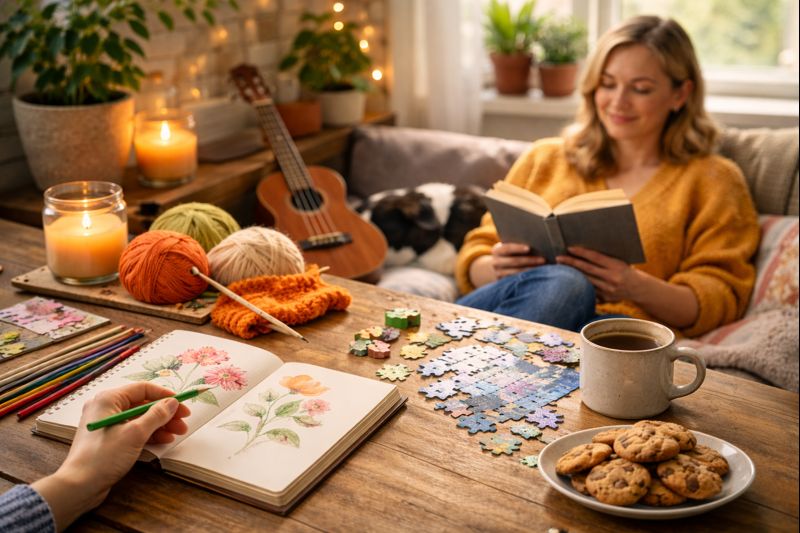
Winter once shaped the rhythm of home life in ways modern living has largely forgotten. Before constant schedules and convenience culture, the colder months encouraged slower days, warmer spaces, and a focus on care rather than productivity. Winter homemaking wasn’t about aesthetics or perfection — it was about creating a home that could sustain comfort, nourishment, and connection through long, dark seasons.

Today, this lost art is quietly resurfacing as people seek more intentional, grounded ways to live through winter.

What Winter Homemaking Traditionally Meant

Historically, winter homemaking centered on preparation and preservation. Homes were stocked ahead of time, meals relied on slow cooking and stored ingredients, and daily routines shifted inward. Families spent evenings repairing, cooking, reading, and resting together rather than rushing from place to place.

This approach treated winter as a season of maintenance and care. The goal was not productivity, but sustainability — physically, emotionally, and mentally.

Why Modern Winters Feel So Draining

Modern life no longer slows down when temperatures drop. Work schedules, social obligations, and digital demands remain constant, even as daylight fades. As a result, winter often feels exhausting instead of restorative.

The absence of seasonal rhythm is one reason winter homemaking feels lost. Homes are no longer encouraged to become places of rest and recovery, but extensions of busy external lives.

Slowing the Pace of the Home

Reclaiming winter homemaking begins with allowing the home to move at a different pace. This doesn’t require drastic lifestyle changes — it simply means working with the season rather than against it.

Slower evenings, fewer commitments after dark, and meals that take time to prepare all help signal rest. When the home slows down, it naturally becomes warmer, calmer, and more supportive during winter months.

Creating Comfort That Serves a Purpose

Winter homemaking is not about buying more or following trends. It focuses on comfort that supports daily living. Soft lighting instead of harsh overhead bulbs, familiar scents that make a space feel lived in, and textiles that invite rest all play a role.

Food is equally important. Slow-simmered meals, baking, and warm drinks fill the home with comfort long before they are consumed. These elements are practical, not decorative — they exist to make winter life easier and more nurturing.

Homemaking as Care, Not Performance

One reason winter homemaking faded is because homemaking itself became performative. Homes turned into displays rather than shelters. Winter homemaking challenges that mindset by prioritizing function over appearance.

A winter-ready home may include repeated meals, visible clutter during busy weeks, and imperfect spaces that still feel safe and grounding. Comfort and care matter more than presentation.

How to Bring Back the Art of Winter Homemaking

You don’t need to adopt historical traditions or change your lifestyle completely to reclaim winter homemaking. Simple shifts make a meaningful difference. Cooking foods that take time, creating evening routines that encourage rest, and using lighting, scent, and texture to soften your space all support a more seasonal home.

The lost art of winter homemaking was never about doing more.

It was about doing less — with intention.

In a fast-paced world, winter offers an opportunity to slow down, turn inward, and let the home become a place of true care once again.

Lisa Crow contributed to this article. She is a true crime junkie and lifestyle blogger based in Waco, Texas. Lisa is the Head of Content at Gigi’s Ramblings and Southern Bred True Crime Junkie. She spends her free time traveling when she can and making memories with her large family which consists of six children and fifteen grandchildren.

glass winter simmer pot

When the weather turns cold, there’s something comforting about a pot quietly bubbling on the stove, filling the house with a deep, layered scent that feels lived-in and intentional. Winter simmer pots are simple, affordable, and customizable, and they beat artificial sprays every single time. No flames to babysit, no overpowering chemical smells, just real ingredients doing what they’ve always done best.

What Is a Winter Simmer Pot?

A simmer pot is exactly what it sounds like. You add water and fragrant ingredients to a pot, bring it to a gentle simmer, and let the steam carry the scent through your home. This isn’t about exact measurements or perfection. It’s about building a scent that matches the season and your mood.

Winter blends warm, spicy, citrusy, and slightly earthy. Think kitchens that smell like something good is always happening, even if nothing’s in the oven.

Classic Winter Simmer Pot Ingredients

You don’t need anything fancy. Most of these are already sitting in your kitchen.

Citrus fruits like oranges, lemons, or grapefruit add brightness and keep heavier spices from smelling too dense. Cinnamon sticks are the backbone of most winter blends, warm and familiar without being sugary. Cloves add depth, but go easy, a little goes a long way. Star anise brings a subtle licorice note that feels old-world and cozy. Fresh rosemary or pine needles give that evergreen, just-cut-tree vibe without smelling like a cleaning product.

Easy Winter Simmer Pot Combinations

Orange slices, cinnamon sticks, cloves, and star anise create a classic winter kitchen scent that works all season long.

Apple slices, cinnamon, nutmeg, and a splash of vanilla extract feel like baking without turning on the oven.

Lemon slices, rosemary sprigs, and a few peppercorns give a clean, woodsy scent that’s perfect if you don’t love sweet smells.

Cranberries, orange peel, and cinnamon sticks look beautiful in the pot and smell festive without screaming holiday.

How to Use a Simmer Pot Safely

Add all ingredients to a pot and cover with water. Bring to a gentle simmer, then lower the heat so it barely bubbles. Never let it boil dry. Check the water level every hour or so and top it off as needed. You can reuse the same ingredients for a day or two, but once they lose their scent, toss them and start fresh.

If you don’t want the stove on, you can also use a small slow cooker on low.

Related: The Old Ways of Drying Fruit & Simple Seasonal Crafts to Try

Why Simmer Pots Just Feel Better

Simmer pots don’t just make your house smell good. They create atmosphere. They say “someone lives here,” not “someone sprayed something.” They pair beautifully with wax melts, incense, and seasonal décor, especially during winter when everything else feels a little quiet.

When the weather turns cold, there’s something grounding about a pot gently simmering on the stove, filling the house with a warm, familiar scent. Winter simmer pots are simple, affordable, and easy to customize, and they’re a solid alternative to sprays and plug-ins.

No complicated steps. No exact measurements. Just real ingredients doing what they’re supposed to do.

What a Winter Simmer Pot Is

A simmer pot is water plus fragrant ingredients heated on low. As it warms, the steam carries the scent through your home. That’s it. You’re not cooking anything, just letting the ingredients slowly release their aroma.

Winter blends usually lean warm, citrusy, and slightly spicy without being sweet or overpowering.

Related: DIY Cinnamon Pinecones: The Easiest Way to Make Your Home Smell Like the Holidays

Common Ingredients That Work Well

Most simmer pots start with fruit. Oranges, lemons, or apples are easy and reliable. Cinnamon sticks add warmth without smelling sugary. Cloves bring depth but should be used sparingly. Star anise adds a subtle, earthy note. Fresh rosemary or pine gives a clean, woodsy edge that feels natural, not artificial.

Use what you like. Skip what you don’t.

Easy Winter Simmer Pot Combinations

Orange slices with cinnamon sticks make a classic, all-season winter scent.

Apple slices with cinnamon and a small splash of vanilla smell like baking without being heavy.

Lemon slices with rosemary create a clean, fresh blend that works well if you don’t enjoy sweet scents.

Cranberries with orange peel and cinnamon look good in the pot and smell bright without being over the top.

How to Use a Simmer Pot

Add everything to a pot and cover with water. Bring it to a gentle simmer, then lower the heat so it barely bubbles. Check the water level occasionally and add more as needed. Don’t let it boil dry.

If you prefer, a small slow cooker on low works just as well.

Why Simmer Pots Are Still Popular

They’re simple, inexpensive, and flexible. They make your home smell good without overpowering it, and they feel more natural than most store-bought options. In winter especially, that kind of low-key warmth goes a long way.It’s simple, old-fashioned, and honestly kind of magical in the best way.

Lisa Crow contributed to this article. She is a true crime junkie and lifestyle blogger based in Waco, Texas. Lisa is the Head of Content at Gigi’s Ramblings and Southern Bred True Crime Junkie. She spends her free time traveling when she can and making memories with her large family which consists of six children and fifteen grandchildren.

baking cinnamon pinecones

Nothing says “holidays in the South” quite like that warm hit of cinnamon when you walk through the door. And even better? Making your own cinnamon pinecones costs next to nothing and gives you better scent, better style, and way more personality than the overpriced store-bought ones. Pinecones are basically free décor scattered all over the yard, and with a little love, they become the coziest winter touch for your home.

Gather Your Pinecones

Start by collecting a good pile of pinecones. If they’re fully open, dry, and looking pretty, perfect. If they’re closed up or damp, don’t stress. That just means they need a little drying time later. Try to avoid cones that look moldy or soggy. Texas folks like us usually have pine trees everywhere, so this step is practically free. If you don’t have easy access to a wooded area, craft stores sell bags of plain pinecones that work just as well.

Bake Them First (Trust Me, This Step Matters)

This is the part everyone skips, but it’s the real secret behind good-looking, long-lasting pinecone décor. Baking gets rid of hidden bugs, dries up sticky sap, and helps the cones fully open. Heat your oven to 200°F, line a baking sheet with foil, and spread your pinecones out in a single layer. Bake them for 30 to 40 minutes, keeping an eye on them so they don’t burn. You’re aiming for dry and toasty, not crunchy. Once they’re done, let them cool completely.

Related: The Old Ways of Drying Fruit & Simple Seasonal Crafts to Try

Mix Your Cinnamon Scent

Time for the part that makes the whole project worth it. You can use cinnamon essential oil, cinnamon fragrance oil, or a blend like cinnamon, clove, orange, and vanilla. Fragrance oils usually smell stronger and last longer, especially for holiday home scent projects. In a small spray bottle, mix 20 to 30 drops of oil with 2 or 3 tablespoons of water. If you want a bold scent, go wild and add more drops. There is no “too strong” here unless you prefer something subtle.

Coat and Seal for Maximum Scent

Place your pinecones inside a gallon-size Ziploc bag or an airtight container. Spray your scent mixture over them until they’re lightly coated. You don’t need them dripping wet—just enough for the fragrance to cling. Seal the bag tightly and let the pinecones sit for at least 24 to 48 hours. If you want them extremely strong, leave them sealed up for several days. The longer they rest, the more intense that holiday aroma becomes.

Related: The Surprisingly Spicy History of Gingerbread

Let Them Dry and Display

Once they’re fully scented, take the pinecones out and let them air-dry on a towel for a couple of hours. After that, they’re ready to make your home smell like cinnamon heaven. Add them to bowls or baskets, tuck them into wreaths or garlands, place them on decorative trays, or even use them for product photos for Mama Crow’s. They bring that cozy rustic charm without looking cheap or store-bought.

Optional: Dress Them Up

If you want extra flair, brush the tips with white paint for a snow-kissed look, add glitter if you love sparkle, or tie twine bows around a few for a farmhouse vibe. It’s totally up to your style.

Lisa Crow contributed to this article. She is a true crime junkie and lifestyle blogger based in Waco, Texas. Lisa is the Head of Content at Gigi’s Ramblings and Southern Bred True Crime Junkie. She spends her free time traveling when she can and making memories with her large family which consists of six children and fifteen grandchildren.

amazon christmas decorations

As an Amazon Associate, I earn from qualifying purchases.

One of the best perks of being an Amazon Influencer is getting our hands on the season’s hottest items months before everyone else even knows they exist. By the time December rolls around, I already have a secret stash of what’s trending, what’s worth the hype, and what’s about to sell out.

And y’all know me — Christmas decorating is a full-time sport around here. I’m always hunting for pieces that feel festive, fun, and a little bit “Lisa.” Here are a few things I’ve been watching (and honestly fighting the urge to buy immediately).

A Sign That Basically Screams My Name

“It’s Either Serial Killer Documentaries or Christmas Movies” Rustic Wooden Sign

If you know me at all, you already understand why this jumped straight into my cart. It blends my two moods perfectly — true crime binge nights and Hallmark-Christmas-movie-marathon days. It’s cute, farmhouse-style, and one of those things that everyone points at and laughs because… well, it’s me.

flocked christmas tree

The Pre-Lit Tree That Has Me Considering a Fifth Tree

Mountain Pine Flocked Tree with Remote (7.5 ft)

Now this tree? She’s stunning. Fully flocked, pre-lit, pre-decorated, and classy in a way that makes me want to rearrange furniture just to make room. The lights are gorgeous, the flocking looks expensive, and the remote control is just small-town luxury at its finest.

velvet inflatable ornaments

Oversized Velvet Ornament Balls

Set of Three 32-Inch Inflatable Velvet Christmas Balls

These are downright adorable. Think huge statement ornaments you can toss in the yard, foyer, porch, or any corner that feels a little too plain. They look plush and high-end, and the size alone makes them an instant conversation starter.

lighted christmas boxes

Lighted Gift Boxes for Under the “No-Gift” Trees

Three-Piece Lighted Holiday Gift Box Set

I don’t put presents under every tree in the house — some of them are strictly decorative. These lighted boxes are perfect for filling that empty space in the cutest way possible. They glow, they sparkle, and they make a tree look finished without any wrapping paper at all.

cedar garland

The Garland Everyone Is Talking About

Thick, Realistic Faux-Cedar Garland (5 ft)

This garland is all over the place this year, and for good reason. It looks natural, drapes beautifully, and instantly gives that rich, cedar-forest vibe without shedding all over the floor. I’ve been eyeing it hard for mantels, entry tables, and stair rails.

christmas tree wax warmer

A Christmas Wax Warmer That Fits Right Into Mama Crow’s

Tannenbaum Tree Wax Melt Warmer

You already know I had to include something that pairs perfectly with Mama Crow’s Wax Melts. This warmer looks like a little Christmas tree and blends right in with holiday décor. It’s festive without being cheesy, and the glow is soft enough to feel cozy at night.

Lisa Crow contributed to this article. She is a true crime junkie and lifestyle blogger based in Waco, Texas. Lisa is the Head of Content at Gigi’s Ramblings and Southern Bred True Crime Junkie. She spends her free time traveling when she can and making memories with her large family which consists of six children and fifteen grandchildren.