
soup simmering on cooktop

When the weather turns cold and comfort is calling, soup just makes sense. Nothing fancy here. These are familiar, cozy favorites that don’t require specialty ingredients or advanced kitchen skills. Just good, honest bowls of warmth.

Classic Beef & Vegetable Soup

This is the kind of soup most of us grew up on. Tender beef, potatoes, carrots, celery, and a rich broth that tastes even better the next day. It’s hearty, filling, and perfect for slow simmering on a chilly evening.

Creamy Potato Soup

Simple, comforting, and always a crowd-pleaser. Potatoes, onion, broth, and cream come together into a thick, velvety soup that feels like a warm hug. Top it with cheese or green onions if you want, but it stands strong all on its own.

Tomato Basil Soup

A timeless classic that never disappoints. Smooth, rich tomato flavor with a touch of basil makes this one perfect for dipping or sipping straight from the bowl. It’s easy to make and feels cozy without being heavy.

Chicken Noodle Soup

The one and only chicken soup on this list, and for good reason. It’s familiar, soothing, and downright comforting. Tender chicken, egg noodles, and a simple broth make this a go-to when you want something classic and dependable.

Lentil Soup

Don’t overlook this one. Lentil soup is filling, affordable, and surprisingly comforting. With onions, carrots, garlic, and spices, it’s a great meatless option that still feels hearty and satisfying.

Vegetable Soup

Simple doesn’t mean boring. A good vegetable soup uses everyday veggies and a flavorful broth to create something warm and nourishing. It’s flexible, forgiving, and perfect for cleaning out the fridge without sacrificing comfort.

Wrapping It All Up

There’s something comforting about sticking with the classics. These soups don’t require fancy ingredients or complicated steps, just a little time and a warm pot on the stove. Whether you’re feeding a family, warming up after a cold day, or simply craving something familiar, these recipes deliver comfort without the stress.

Soup has a way of slowing things down. It invites you to sit, breathe, and enjoy the moment. Keep this roundup handy for those days when you want simple, hearty meals that feel like home.

Lisa Crow contributed to this article. She is a true crime junkie and lifestyle blogger based in Waco, Texas. Lisa is the Head of Content at Gigi’s Ramblings and Southern Bred True Crime Junkie. She spends her free time traveling when she can and making memories with her large family which consists of six children and fifteen grandchildren.

minimalistic living room at Christmas

Why “More” Isn’t What Makes Holidays Special

Somewhere along the way, holidays turned into a competition of receipts. Bigger gifts, fuller tables, more decorations—yet somehow more stress. Meaningful holidays aren’t built on how much you spend; they’re built on how present you are. The memories people carry aren’t the price tags, they’re the moments.

Set the Mood, Not the Budget on Fire

Atmosphere matters more than excess. Soft lighting, familiar scents, and a cozy space do more heavy lifting than expensive décor ever could. Candles, wax melts, or incense instantly shift a room into “holiday mode” without wrecking your wallet. Reuse what you already have and layer it differently—mix textures, swap locations, change lighting. Same items, brand-new vibe.

Traditions Beat Transactions

The holidays people remember most usually involve rituals, not shopping bags. Movie nights, baking days, storytelling, game nights, or evening walks to look at lights—these repeatable moments become anchors. They cost little, but their emotional return is huge. Pick one or two traditions and protect them every year. That consistency is what makes them special.

Thoughtful Gifts Don’t Have to Be Expensive

Meaningful gifting is about attention, not money. Consumables, handmade items, thrifted finds, or curated bundles often feel more personal than store-bought clutter. A small gift paired with a handwritten note will always hit harder than something expensive and forgettable. If it shows you know the person, you’re doing it right.

Food That Feels Like Home

Holiday meals don’t need to be elaborate to be memorable. Focus on a few comfort dishes that everyone loves instead of an overwhelming spread. Potlucks, soup nights, breakfast-for-dinner, or themed meals keep costs down and energy relaxed. Food should bring people together, not leave the host exhausted and broke.

Give Time, Not Just Things

Volunteering, baking for neighbors, writing letters, or helping someone decorate costs very little but adds depth to the season. These acts ground the holidays in connection instead of consumption. Kids especially remember how the holidays felt, not what they received.

Redefine What “Enough” Looks Like

Overspending usually comes from pressure, comparison, or guilt. Let go of the idea that holidays need to look a certain way. Your version only needs to feel right for your household. A slower pace, fewer obligations, and intentional choices often create more joy than a packed calendar ever could.

Related: My Must-Play Christmas Songs

The Real Takeaway

Meaningful holidays aren’t cheaper because they lack value—they’re richer because they focus on what matters. Warmth, familiarity, intention, and connection will always outshine excess. When you strip away the noise, what’s left is the good stuff.

Lisa Crow contributed to this article. She is a true crime junkie and lifestyle blogger based in Waco, Texas. Lisa is the Head of Content at Gigi’s Ramblings and Southern Bred True Crime Junkie. She spends her free time traveling when she can and making memories with her large family which consists of six children and fifteen grandchildren.
Winter once shaped the rhythm of home life in ways modern living has largely forgotten. Before constant schedules and convenience culture, the colder months encouraged slower days, warmer spaces, and a focus on care rather than productivity. Winter homemaking wasn’t about aesthetics or perfection — it was about creating a home that could sustain comfort, nourishment, and connection through long, dark seasons.

Today, this lost art is quietly resurfacing as people seek more intentional, grounded ways to live through winter.

What Winter Homemaking Traditionally Meant

Historically, winter homemaking centered on preparation and preservation. Homes were stocked ahead of time, meals relied on slow cooking and stored ingredients, and daily routines shifted inward. Families spent evenings repairing, cooking, reading, and resting together rather than rushing from place to place.

This approach treated winter as a season of maintenance and care. The goal was not productivity, but sustainability — physically, emotionally, and mentally.

Why Modern Winters Feel So Draining

Modern life no longer slows down when temperatures drop. Work schedules, social obligations, and digital demands remain constant, even as daylight fades. As a result, winter often feels exhausting instead of restorative.

The absence of seasonal rhythm is one reason winter homemaking feels lost. Homes are no longer encouraged to become places of rest and recovery, but extensions of busy external lives.

Slowing the Pace of the Home

Reclaiming winter homemaking begins with allowing the home to move at a different pace. This doesn’t require drastic lifestyle changes — it simply means working with the season rather than against it.

Slower evenings, fewer commitments after dark, and meals that take time to prepare all help signal rest. When the home slows down, it naturally becomes warmer, calmer, and more supportive during winter months.

Creating Comfort That Serves a Purpose

Winter homemaking is not about buying more or following trends. It focuses on comfort that supports daily living. Soft lighting instead of harsh overhead bulbs, familiar scents that make a space feel lived in, and textiles that invite rest all play a role.

Food is equally important. Slow-simmered meals, baking, and warm drinks fill the home with comfort long before they are consumed. These elements are practical, not decorative — they exist to make winter life easier and more nurturing.

Homemaking as Care, Not Performance

One reason winter homemaking faded is because homemaking itself became performative. Homes turned into displays rather than shelters. Winter homemaking challenges that mindset by prioritizing function over appearance.

A winter-ready home may include repeated meals, visible clutter during busy weeks, and imperfect spaces that still feel safe and grounding. Comfort and care matter more than presentation.

How to Bring Back the Art of Winter Homemaking

You don’t need to adopt historical traditions or change your lifestyle completely to reclaim winter homemaking. Simple shifts make a meaningful difference. Cooking foods that take time, creating evening routines that encourage rest, and using lighting, scent, and texture to soften your space all support a more seasonal home.

The lost art of winter homemaking was never about doing more.

It was about doing less — with intention.

In a fast-paced world, winter offers an opportunity to slow down, turn inward, and let the home become a place of true care once again.

Lisa Crow contributed to this article. She is a true crime junkie and lifestyle blogger based in Waco, Texas. Lisa is the Head of Content at Gigi’s Ramblings and Southern Bred True Crime Junkie. She spends her free time traveling when she can and making memories with her large family which consists of six children and fifteen grandchildren.
glass winter simmer pot

When the weather turns cold, there’s something comforting about a pot quietly bubbling on the stove, filling the house with a deep, layered scent that feels lived-in and intentional. Winter simmer pots are simple, affordable, and customizable, and they beat artificial sprays every single time. No flames to babysit, no overpowering chemical smells, just real ingredients doing what they’ve always done best.

What Is a Winter Simmer Pot?

A simmer pot is exactly what it sounds like. You add water and fragrant ingredients to a pot, bring it to a gentle simmer, and let the steam carry the scent through your home. This isn’t about exact measurements or perfection. It’s about building a scent that matches the season and your mood.

Winter blends warm, spicy, citrusy, and slightly earthy. Think kitchens that smell like something good is always happening, even if nothing’s in the oven.

Classic Winter Simmer Pot Ingredients

You don’t need anything fancy. Most of these are already sitting in your kitchen.

Citrus fruits like oranges, lemons, or grapefruit add brightness and keep heavier spices from smelling too dense. Cinnamon sticks are the backbone of most winter blends, warm and familiar without being sugary. Cloves add depth, but go easy, a little goes a long way. Star anise brings a subtle licorice note that feels old-world and cozy. Fresh rosemary or pine needles give that evergreen, just-cut-tree vibe without smelling like a cleaning product.

Easy Winter Simmer Pot Combinations

Orange slices, cinnamon sticks, cloves, and star anise create a classic winter kitchen scent that works all season long.

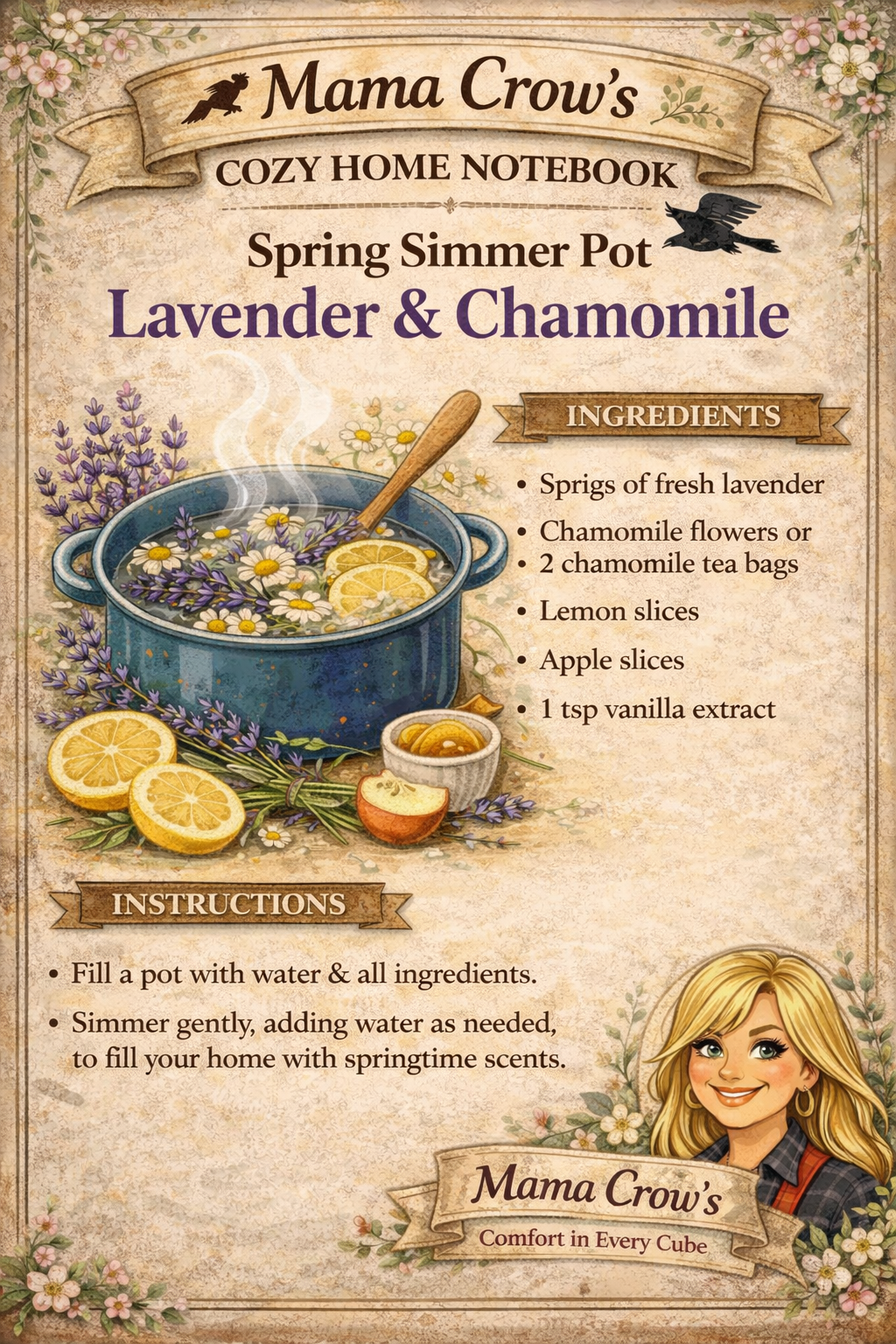
Apple slices, cinnamon, nutmeg, and a splash of vanilla extract feel like baking without turning on the oven.

Lemon slices, rosemary sprigs, and a few peppercorns give a clean, woodsy scent that’s perfect if you don’t love sweet smells.

Cranberries, orange peel, and cinnamon sticks look beautiful in the pot and smell festive without screaming holiday.

How to Use a Simmer Pot Safely

Add all ingredients to a pot and cover with water. Bring to a gentle simmer, then lower the heat so it barely bubbles. Never let it boil dry. Check the water level every hour or so and top it off as needed. You can reuse the same ingredients for a day or two, but once they lose their scent, toss them and start fresh.

If you don’t want the stove on, you can also use a small slow cooker on low.

Related: The Old Ways of Drying Fruit & Simple Seasonal Crafts to Try

Why Simmer Pots Just Feel Better

Simmer pots don’t just make your house smell good. They create atmosphere. They say “someone lives here,” not “someone sprayed something.” They pair beautifully with wax melts, incense, and seasonal décor, especially during winter when everything else feels a little quiet.

When the weather turns cold, there’s something grounding about a pot gently simmering on the stove, filling the house with a warm, familiar scent. Winter simmer pots are simple, affordable, and easy to customize, and they’re a solid alternative to sprays and plug-ins.

No complicated steps. No exact measurements. Just real ingredients doing what they’re supposed to do.

What a Winter Simmer Pot Is

A simmer pot is water plus fragrant ingredients heated on low. As it warms, the steam carries the scent through your home. That’s it. You’re not cooking anything, just letting the ingredients slowly release their aroma.

Winter blends usually lean warm, citrusy, and slightly spicy without being sweet or overpowering.

Related: DIY Cinnamon Pinecones: The Easiest Way to Make Your Home Smell Like the Holidays

Common Ingredients That Work Well

Most simmer pots start with fruit. Oranges, lemons, or apples are easy and reliable. Cinnamon sticks add warmth without smelling sugary. Cloves bring depth but should be used sparingly. Star anise adds a subtle, earthy note. Fresh rosemary or pine gives a clean, woodsy edge that feels natural, not artificial.

Use what you like. Skip what you don’t.

Easy Winter Simmer Pot Combinations

Orange slices with cinnamon sticks make a classic, all-season winter scent.

Apple slices with cinnamon and a small splash of vanilla smell like baking without being heavy.

Lemon slices with rosemary create a clean, fresh blend that works well if you don’t enjoy sweet scents.

Cranberries with orange peel and cinnamon look good in the pot and smell bright without being over the top.

How to Use a Simmer Pot

Add everything to a pot and cover with water. Bring it to a gentle simmer, then lower the heat so it barely bubbles. Check the water level occasionally and add more as needed. Don’t let it boil dry.

If you prefer, a small slow cooker on low works just as well.

Why Simmer Pots Are Still Popular

They’re simple, inexpensive, and flexible. They make your home smell good without overpowering it, and they feel more natural than most store-bought options. In winter especially, that kind of low-key warmth goes a long way.It’s simple, old-fashioned, and honestly kind of magical in the best way.

Lisa Crow contributed to this article. She is a true crime junkie and lifestyle blogger based in Waco, Texas. Lisa is the Head of Content at Gigi’s Ramblings and Southern Bred True Crime Junkie. She spends her free time traveling when she can and making memories with her large family which consists of six children and fifteen grandchildren.
baking cinnamon pinecones

Nothing says “holidays in the South” quite like that warm hit of cinnamon when you walk through the door. And even better? Making your own cinnamon pinecones costs next to nothing and gives you better scent, better style, and way more personality than the overpriced store-bought ones. Pinecones are basically free décor scattered all over the yard, and with a little love, they become the coziest winter touch for your home.

Gather Your Pinecones

Start by collecting a good pile of pinecones. If they’re fully open, dry, and looking pretty, perfect. If they’re closed up or damp, don’t stress. That just means they need a little drying time later. Try to avoid cones that look moldy or soggy. Texas folks like us usually have pine trees everywhere, so this step is practically free. If you don’t have easy access to a wooded area, craft stores sell bags of plain pinecones that work just as well.

Bake Them First (Trust Me, This Step Matters)

This is the part everyone skips, but it’s the real secret behind good-looking, long-lasting pinecone décor. Baking gets rid of hidden bugs, dries up sticky sap, and helps the cones fully open. Heat your oven to 200°F, line a baking sheet with foil, and spread your pinecones out in a single layer. Bake them for 30 to 40 minutes, keeping an eye on them so they don’t burn. You’re aiming for dry and toasty, not crunchy. Once they’re done, let them cool completely.

Related: The Old Ways of Drying Fruit & Simple Seasonal Crafts to Try

Mix Your Cinnamon Scent

Time for the part that makes the whole project worth it. You can use cinnamon essential oil, cinnamon fragrance oil, or a blend like cinnamon, clove, orange, and vanilla. Fragrance oils usually smell stronger and last longer, especially for holiday home scent projects. In a small spray bottle, mix 20 to 30 drops of oil with 2 or 3 tablespoons of water. If you want a bold scent, go wild and add more drops. There is no “too strong” here unless you prefer something subtle.

Coat and Seal for Maximum Scent

Place your pinecones inside a gallon-size Ziploc bag or an airtight container. Spray your scent mixture over them until they’re lightly coated. You don’t need them dripping wet—just enough for the fragrance to cling. Seal the bag tightly and let the pinecones sit for at least 24 to 48 hours. If you want them extremely strong, leave them sealed up for several days. The longer they rest, the more intense that holiday aroma becomes.

Related: The Surprisingly Spicy History of Gingerbread

Let Them Dry and Display

Once they’re fully scented, take the pinecones out and let them air-dry on a towel for a couple of hours. After that, they’re ready to make your home smell like cinnamon heaven. Add them to bowls or baskets, tuck them into wreaths or garlands, place them on decorative trays, or even use them for product photos for Mama Crow’s. They bring that cozy rustic charm without looking cheap or store-bought.

Optional: Dress Them Up

If you want extra flair, brush the tips with white paint for a snow-kissed look, add glitter if you love sparkle, or tie twine bows around a few for a farmhouse vibe. It’s totally up to your style.

Lisa Crow contributed to this article. She is a true crime junkie and lifestyle blogger based in Waco, Texas. Lisa is the Head of Content at Gigi’s Ramblings and Southern Bred True Crime Junkie. She spends her free time traveling when she can and making memories with her large family which consists of six children and fifteen grandchildren.

amazon christmas decorations

As an Amazon Associate, I earn from qualifying purchases.

One of the best perks of being an Amazon Influencer is getting our hands on the season’s hottest items months before everyone else even knows they exist. By the time December rolls around, I already have a secret stash of what’s trending, what’s worth the hype, and what’s about to sell out.

And y’all know me — Christmas decorating is a full-time sport around here. I’m always hunting for pieces that feel festive, fun, and a little bit “Lisa.” Here are a few things I’ve been watching (and honestly fighting the urge to buy immediately).

A Sign That Basically Screams My Name

“It’s Either Serial Killer Documentaries or Christmas Movies” Rustic Wooden Sign

If you know me at all, you already understand why this jumped straight into my cart. It blends my two moods perfectly — true crime binge nights and Hallmark-Christmas-movie-marathon days. It’s cute, farmhouse-style, and one of those things that everyone points at and laughs because… well, it’s me.

flocked christmas tree

The Pre-Lit Tree That Has Me Considering a Fifth Tree

Mountain Pine Flocked Tree with Remote (7.5 ft)

Now this tree? She’s stunning. Fully flocked, pre-lit, pre-decorated, and classy in a way that makes me want to rearrange furniture just to make room. The lights are gorgeous, the flocking looks expensive, and the remote control is just small-town luxury at its finest.

velvet inflatable ornaments

Oversized Velvet Ornament Balls

Set of Three 32-Inch Inflatable Velvet Christmas Balls

These are downright adorable. Think huge statement ornaments you can toss in the yard, foyer, porch, or any corner that feels a little too plain. They look plush and high-end, and the size alone makes them an instant conversation starter.

lighted christmas boxes

Lighted Gift Boxes for Under the “No-Gift” Trees

Three-Piece Lighted Holiday Gift Box Set

I don’t put presents under every tree in the house — some of them are strictly decorative. These lighted boxes are perfect for filling that empty space in the cutest way possible. They glow, they sparkle, and they make a tree look finished without any wrapping paper at all.

cedar garland

The Garland Everyone Is Talking About

Thick, Realistic Faux-Cedar Garland (5 ft)

This garland is all over the place this year, and for good reason. It looks natural, drapes beautifully, and instantly gives that rich, cedar-forest vibe without shedding all over the floor. I’ve been eyeing it hard for mantels, entry tables, and stair rails.

christmas tree wax warmer

A Christmas Wax Warmer That Fits Right Into Mama Crow’s

Tannenbaum Tree Wax Melt Warmer

You already know I had to include something that pairs perfectly with Mama Crow’s Wax Melts. This warmer looks like a little Christmas tree and blends right in with holiday décor. It’s festive without being cheesy, and the glow is soft enough to feel cozy at night.

Lisa Crow contributed to this article. She is a true crime junkie and lifestyle blogger based in Waco, Texas. Lisa is the Head of Content at Gigi’s Ramblings and Southern Bred True Crime Junkie. She spends her free time traveling when she can and making memories with her large family which consists of six children and fifteen grandchildren.
drying orange slices

How Folks Dried Fruit in the Past

Long before anyone had an electric oven humming in the kitchen, people still knew how to preserve fruit for decor, remedies, and good smells around the home. Drying citrus, apples, berries, and herbs wasn’t for looks back then — it was practical. But the methods they used feel right at home in today’s cozy winter crafting.

Most families used steady, gentle heat to dry things out. That warmth usually came from the hearth or a wood-burning stove. Fruit slices sat on boards, wire racks, or were strung up and hung near the fire. Some homes had a small cabinet built beside the stove that acted like a modern dehydrator — just slow, low heat drifting in from the chimney. When the weather was dry, folks also used sunlight and good airflow to finish the job.

How the Method Translates Today

The idea hasn’t changed at all. Low heat, slow evaporation, and a whole lot of patience. The only difference is we now use an oven set to 200°F instead of a fire that’s been burning since dawn.
Drying fruit today is easier and cleaner, but the end result — that rustic, warm, handmade charm — is exactly the same as what women were making generations ago.

dried oranges, cinnamon and cloves

How to Dry Citrus the Modern Way

Drying fruit today gives you those pretty slices for simmer pots, wreaths, Yule logs, garlands, and potpourri.

Basic Method

  • Slice oranges ¼ inch thick.
  • Pat them dry.
  • Bake on parchment at 200°F for 3–4 hours, flipping every hour.
  • Cool on a rack.

This works for lemons, limes, blood oranges, apples, pears, and even cranberries with a tiny poke in the skin.

Old-Fashioned Drying, Step-by-Step

If you want to create a real vintage-style project, you can dry fruit the old way:

By the Hearth: Place slices on a board near a warm fireplace.
Hung on String: Thread slices and hang where there’s steady warmth.
In the Sun: Set slices outside on a screened rack protected by cheesecloth.
Near a Wood Stove: Use the warming shelf or crack the stove door.

It’s slow — but beautifully authentic.

Seasonal Crafts You Can Make Right Now

Winter is the best time for natural crafts. The air is crisp, the mood is cozy, and dried citrus looks perfect in low golden light.

Dried Orange Garland

Thread dried slices with twine or jute. Add cinnamon sticks, bay leaves, or small wooden beads between slices. Hang across a mantel or window for a soft farmhouse look.

winter simmer pot

Simmer Pot Mixes

Bundle your dried fruit in little jars or small gift bags with cloves, cinnamon sticks, and star anise. These make beautiful gifts, and they smell like comfort the second they hit warm water.

Winter Potpourri

Mix dried oranges, pine needles, cinnamon, cloves, rosemary, cedar tips, and dried berries. Add a few drops of essential oil if you want it stronger.

christmas yule log

Yule Log Decorations

Decorate a Yule log with dried oranges, rosemary branches, cinnamon sticks, cranberries, and a few fresh pine clippings. It’s gorgeous on a mantel even if you don’t burn it.

Wax Melt or Candle Embellishments

Place dried citrus slices inside a clear jar candle or decorate your packaging with a slice tied to twine for a rustic, handmade finish.

Natural Ornaments

Tie dried citrus slices with ribbon or jute and hang on your tree. Add a few cloves to the flesh side for an old-world look.

winter tablescape

Seasonal Table Décor

Scatter dried fruit, pinecones, and cinnamon sticks down the center of a table runner. Add a few candles and it becomes instant winter magic.

Why These Crafts Feel So Meaningful

There’s something grounding about taking natural ingredients and turning them into warm, beautiful pieces for your home. It’s simple, affordable, and connects you with generations who did the very same thing — not for trends, but for tradition.
Drying fruit and crafting with winter botanicals adds a sense of calm to the season, and everything you make brings a little of that magic into your home.

Lisa Crow contributed to this article. She is a true crime junkie and lifestyle blogger based in Waco, Texas. Lisa is the Head of Content at Gigi’s Ramblings and Southern Bred True Crime Junkie. She spends her free time traveling when she can and making memories with her large family which consists of six children and fifteen grandchildren.

living room decorated for the holidays

As the weather cools and the last of the autumn leaves fall, it’s natural to start thinking about holiday decorations. For some people, that transition starts as soon as Halloween is over, while others—like me—prefer to soak up every last bit of fall. Personally, I don’t start my holiday decorating until Thanksgiving night, because I adore all my pumpkins, scarecrows, and turkeys. But here’s the thing: you should decorate whenever it feels right for you. Enjoy the holidays your way.

Step 1: Start with a Clean Slate

Before you begin pulling out the garlands and ornaments, take a little time to clear away fall clutter. Dust off surfaces, pack up your pumpkins, and give your home a light refresh. This helps you see your space with new eyes and makes decorating less overwhelming.

Step 2: Choose a Transition Theme

If you’re not ready to say goodbye to fall just yet, try blending both seasons together. Think cozy plaid blankets mixed with twinkling lights or neutral holiday tones paired with your favorite rustic décor. Using textures like burlap, pinecones, and evergreen branches helps create a warm, in-between look.

Step 3: Swap Out Scents and Textures

Changing the way your home feels and smells can make a big impact. Switch from pumpkin spice and cinnamon scents to wintery aromas like cedar, peppermint, or vanilla. Add a few faux fur throws or knitted pillows to bring in that cozy holiday vibe without going full Christmas right away.

Step 4: Layer in Holiday Touches Slowly

If you like to ease into the holidays, start small. Add candles, wreaths, or a few twinkling lights to your existing décor. Gradually replace fall elements with more festive ones as you go—maybe swap your fall wreath for one with pine and berries, or trade out your orange candles for silver and red.

Step 5: Make It Personal

There’s no rulebook when it comes to decorating for the holidays. Maybe you love bold Christmas reds, or maybe you prefer a soft, snowy winter palette. You might even leave a few pumpkins out alongside your nutcrackers—and that’s perfectly fine! The best décor reflects you, your family, and your traditions.

Step 6: Enjoy the Process

Whether you decorate early in November or wait until Thanksgiving night like I do, remember that the holidays are about joy and togetherness. Don’t stress about perfection—just create a space that makes you happy every time you walk through the door.

soup cooking on stove baked chicken on counter

Tomorrow’s supposed to be our first chilly day of the season, and I couldn’t be happier. After all this Texas heat, I’m more than ready to bring out the cozy meals. I already know what’s on our menu—I’ll be making myself a big pot of soup and fixing Santiago a baked chicken with dressing. But with the cooler weather rolling in, it’s the perfect time to talk about all those simple comfort meals that make cold days something to look forward to.

Warm, Hearty Soups

Soup season is officially back, and it’s the easiest way to chase off the chill. Whether you’re simmering a pot of creamy potato soup, chicken and dumplings, or a spicy chili, nothing hits quite like that first spoonful. The best part? Soups are low-effort but high-reward—perfect for slow days when you just want the house to smell amazing. Pair with a slice of cornbread or a grilled cheese sandwich and you’ve got a complete, cozy meal.

Classic Casseroles

Casseroles are the ultimate comfort food multitaskers—easy to prep, budget-friendly, and perfect for leftovers. A creamy chicken and rice casserole, cheesy baked ziti, or shepherd’s pie will fill your home with warmth and fill everyone’s belly with happiness. They’re the kinds of dishes that remind you of family gatherings and Sunday dinners after church.

Slow-Cooked Favorites

Pull out that slow cooker or Dutch oven—it’s time for all those rich, hearty meals that taste like they took all day (because they did). Think tender pot roast with carrots and potatoes, beef stew that melts in your mouth, or a slow-cooked gumbo that fills the kitchen with Cajun spice. The longer it cooks, the better it gets.

Down-Home Southern Sides

No comfort meal is complete without the sides. Fluffy mashed potatoes with gravy, macaroni and cheese, buttered corn, or baked beans can turn a simple dinner into a feast. And let’s not forget a pan of golden cornbread—because nothing soaks up that last bit of gravy or broth quite like it.

Sweet Finishes

After a comforting meal, a warm dessert is the perfect ending. Apple crisp, bread pudding, peach cobbler, or banana pudding—these aren’t fancy desserts, just old-fashioned favorites that never disappoint. They’re the kind of sweets that make you want to stay curled up in your pajamas a little longer.

When the weather cools down, comfort food does more than just fill you up—it wraps you up. It brings people to the table, slows down the pace, and makes home feel even cozier. So as the cold creeps in, pull out those family recipes, stir up a pot of something good, and let the warmth start from the inside out.

Lisa Crow contributed to this article. She is a true crime junkie and lifestyle blogger based in Waco, Texas. Lisa is the Head of Content at Gigi’s Ramblings and Southern Bred True Crime Junkie. She spends her free time traveling when she can and making memories with her large family which consists of six children and fifteen grandchildren.

porch decorate dfor fall

Image created with Canva AI

When September rolls in and the heat starts to break—well, sometimes—it feels like something’s shifting in the South. The cicadas grow quieter, the air smells of cut hay, and front porches get dressed with pumpkins and mums. But beyond the decorations and cooler mornings, early fall in the South has always carried a touch of mystery. Generations have passed down stories, signs, and superstitions that tie this season to both the land and the spirit world.

Signs Nature Gives

Southerners long relied on the natural world to predict what was ahead. If the goldenrod bloomed heavy, it meant frost was on its way. A big acorn drop warned of a rough winter coming. Blackbirds crowding power lines meant a chill wasn’t far off. Even the insects had something to say—crickets chirping fast at night promised more warm days, while sudden silence in the woods was taken as a bad omen.

Spirits Stirring in the Season

As the nights grew longer, folks whispered that the line between the living and the dead blurred. Families told tales of ghostly women wandering backroads, phantom lanterns luring travelers into swamps, and restless soldiers marching under the harvest moon. These stories weren’t just for scaring children—they were warnings to respect the season’s power.

Haunted Legends of the South

Early fall is the perfect time for old Southern ghost stories to resurface. In Tennessee, people still whisper about the Bell Witch of Adams, a spirit said to torment the Bell family in the early 1800s. Her laughter, shrieks, and strange voices are still part of local legend every autumn. In Arkansas, the Gurdon Light—a mysterious glowing orb that appears along railroad tracks—has been seen since the 1930s, believed by some to be the lantern of a murdered rail worker. Down in Mississippi, folks talk of Stuckey’s Bridge, where the ghost of an old innkeeper is said to haunt the waters, especially on cool fall nights.

Witches, Charms, and Porch Lore

Witches held a special place in early fall folklore. In Appalachia and the Deep South, people believed witches were at their strongest during the harvest moon. Carved turnips or gourds were set by doors to keep mischief away, a practice that later turned into the jack-o’-lantern tradition. Some even swore leaving a rocking chair empty on a porch at night invited a witch—or worse, a spirit—to make themselves comfortable.

Folklore as Guidance

Though the tales sound spooky, much of the folklore served a purpose. Farmers learned to prepare for winter by watching squirrels, crops, and skies. Families passed ghost stories to remind children not to wander too far after dark. Witches and charms gave people a sense of control when life was unpredictable.

The Story Lives On

Today, we may check weather apps instead of acorns, and porch rockers are more about comfort than superstition. Still, these stories linger. Around bonfires, tailgates, and porches, Southerners keep sharing them, weaving a little mystery into the cooling air. Early fall in the South is more than a season—it’s a reminder that tradition, superstition, and storytelling are as much a part of autumn as falling leaves.

Lisa Crow contributed to this article. She is a true crime junkie and lifestyle blogger based in Waco, Texas. Lisa is the Head of Content at Gigi’s Ramblings and Southern Bred True Crime Junkie. She spends her free time traveling when she can and making memories with her large family which consists of six children and fifteen grandchildren.