
getting back to normal

For many, the phrase “back to normal” sounds comforting. It promises a return to routines, familiar faces, and a sense of stability. But what it often brings is quiet, unspoken pressure. The pressure to perform, to pretend everything is fine, and to fit into a timeline that doesn’t always match our own. My husband went back to work today and I miss him already!

Society’s Unspoken Timeline

From work deadlines to social expectations, we’re constantly reminded that life should resume at full speed. People post their “back to normal” selfies, kids return to school, and offices buzz again. It can feel like a subtle competition: Who is coping best? Who adjusted fastest? For those who struggled, the pressure to catch up can be exhausting.

Emotional Overload Behind the Mask

Even when routines resume, our minds and hearts may still carry the weight of recent challenges. Anxiety, grief, or burnout doesn’t always vanish when schedules return to normal. Pretending everything is fine only adds to stress. This invisible emotional labor is real, and it’s draining.

Redefining “Normal” on Your Terms

The truth is, “normal” doesn’t have a universal definition. It’s personal. Some may thrive in full social engagement, while others need slower steps. Allowing yourself to acknowledge your limits isn’t failure—it’s self-respect. Small adjustments, flexible routines, and honest communication can create a healthier version of normal that works for you.

Setting Boundaries Without Guilt

One of the hardest parts of resuming life is saying no. Whether it’s social events, extra work, or family obligations, boundaries are crucial. Saying no doesn’t make you weak—it protects your energy. Embracing your own pace helps you rebuild strength instead of burning out chasing someone else’s idea of “normal.”

Moving Forward Mindfully

Instead of rushing to blend into old rhythms, take time to reflect. Notice what truly matters and what feels like performative pressure. Celebrate small wins, seek support when needed, and allow yourself to reshape routines. Returning to life after disruption doesn’t mean erasing experiences—it means integrating them thoughtfully.

Life isn’t a race, and the invisible pressure of “back to normal” doesn’t have to define you. Moving forward on your own terms creates a lasting balance, one step at a time.

Lisa Crow contributed to this article. She is a true crime junkie and lifestyle blogger based in Waco, Texas. Lisa is the Head of Content at Gigi’s Ramblings and Southern Bred True Crime Junkie. She spends her free time traveling when she can and making memories with her large family which consists of six children and fifteen grandchildren.
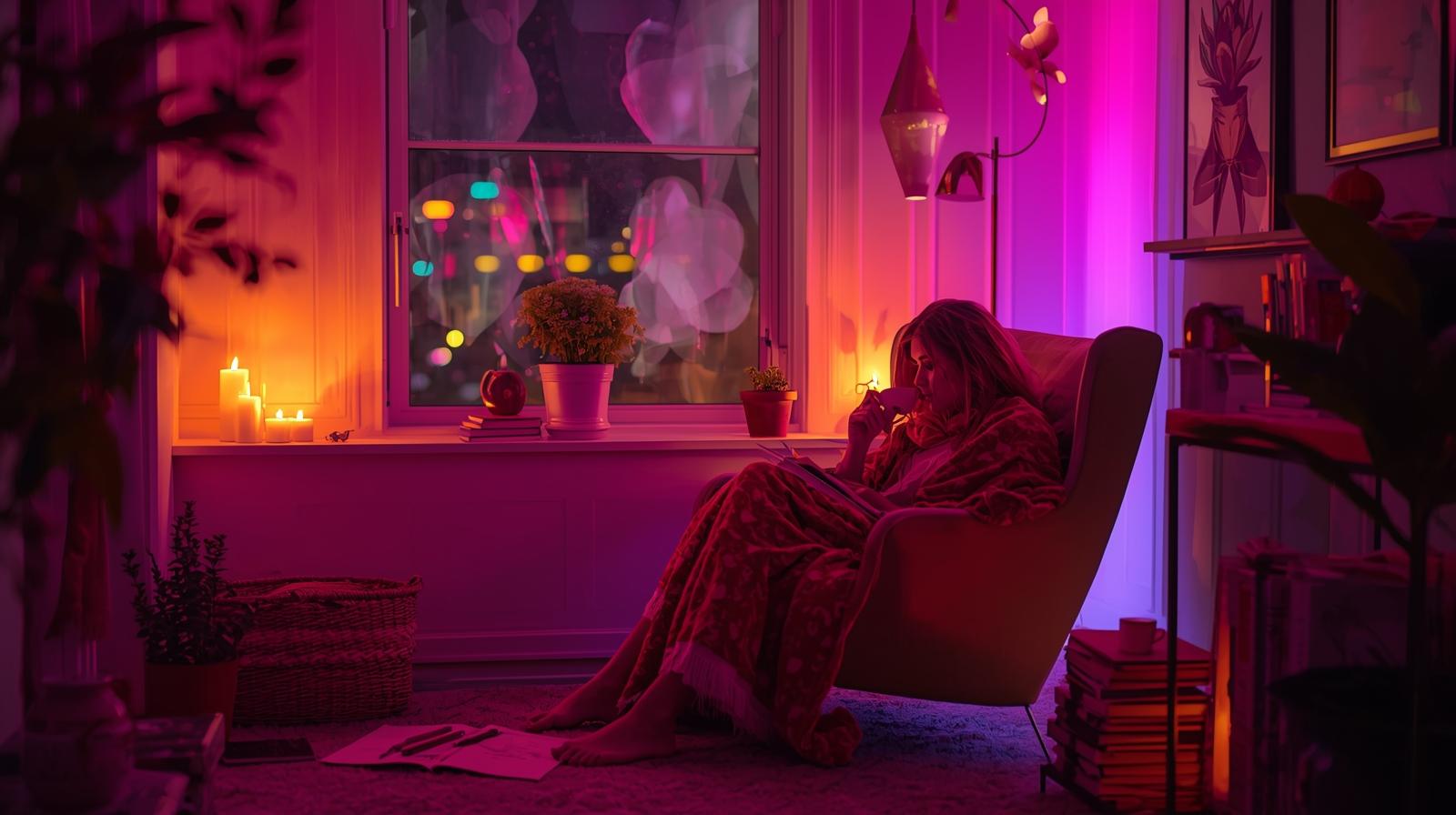

woman who cannot sleep

I’ve always been the type to pack every day full—late nights, early mornings, and hitting the ground running the moment I wake up. Even when I’m asleep, I never feel fully at rest. My mind keeps racing, my body stays tense, and I wake up drained, not refreshed. Over time, I’ve realized that never truly resting isn’t just exhausting—it takes a serious toll on your body and mind.

Sleep That Doesn’t Recharge

It’s easy to think that getting seven or eight hours of sleep is enough. But when you’re never fully relaxed, those hours don’t count. Tossing and turning, waking up multiple times, or just lying there thinking about everything you “have to do” prevents your body from entering deep, restorative sleep. The result? Chronic fatigue that no amount of coffee or energy drinks can fix.

How It Affects Your Mind

When your brain never gets a proper break, it shows. I notice it in memory lapses, poor focus, and a growing sense of anxiety that never seems to leave. Stress hormones stay high, leaving you in a constant state of fight-or-flight—even during moments meant for rest. For me, this mental strain is the hardest part. Even when I try to relax, my mind won’t let me.

Physical Consequences

Chronic lack of rest isn’t just in your head—it affects your body too. Immune function drops, aches and pains worsen, and long-term risks like high blood pressure or heart issues quietly increase. I’ve learned the hard way that pushing through fatigue day after day can leave lasting damage, even if it doesn’t feel urgent now.

The Vicious Cycle

The more exhausted you feel, the harder you push. Early mornings, late nights, juggling multiple responsibilities, caffeine—these all feel like survival strategies. But the harder you push, the more impossible true rest becomes. It’s a cycle that feeds itself, and breaking it takes awareness and effort.

Related: How I Start the Year Calm

Finding Real Rest

Rest isn’t just about lying down. For me, it means actively creating space for my mind and body to recover. That could be setting a bedtime routine, unplugging from screens, taking a short nap, or practicing breathing exercises. It’s not laziness—it’s repair.

The Takeaway

Never fully resting doesn’t just make daily life harder—it slowly erodes your mental, emotional, and physical health. I’ve lived it, and I can tell you: prioritizing rest isn’t optional. Small, intentional steps to truly recharge can make a world of difference. You deserve to wake up feeling like yourself again.

Lisa Crow contributed to this article. She is a true crime junkie and lifestyle blogger based in Waco, Texas. Lisa is the Head of Content at Gigi’s Ramblings and Southern Bred True Crime Junkie. She spends her free time traveling when she can and making memories with her large family which consists of six children and fifteen grandchildren.

winter cleaning

When the temperature drops and the air turns crisp, my cleaning routine changes. Winter brings unique challenges for keeping my home cozy, clean, and healthy. Here’s what I focus on differently during the colder months.

Tackle the Entryway First

Winter means boots, coats, and muddy paws tracking in snow, salt, and dirt. I sweep and mop entryways more often than in summer. A good doormat and a small boot tray help keep the mess contained. I also wipe down coat hooks and hangers to prevent salt and grime buildup.

Keep Air Quality in Check

Dry indoor air is a winter challenge. I clean air vents, replace filters, and dust surfaces more thoroughly to reduce allergens and dust circulation. Using a humidifier in bedrooms and common areas helps prevent dry skin, chapped lips, and respiratory irritation.

Focus on the Kitchen

Comfort foods, soups, and baking mean more mess in the kitchen. I deep-clean countertops, stovetops, and the inside of the fridge weekly. Spilled sugar or flour attracts pests, which I make sure to avoid by wiping down surfaces and sweeping crumbs regularly.

Bathroom Maintenance Shifts

Cold weather keeps showers shorter and windows closed, increasing humidity and the risk of mildew. I pay extra attention to scrubbing shower tiles, sinks, and faucets. Wiping down surfaces after each use reduces water spots and keeps bathrooms smelling fresh.

Laundry Adjustments

Winter clothes are heavier—think sweaters, jeans, and hoodies. I wash my winter clothes more often. Sweaters and coats get gentle care, and I make sure hats and gloves don’t get ruined.

Floors Take Priority

Leaves, slush, and mud can ruin floors fast. I vacuum and mop high-traffic areas frequently. Rugs and runners near entrances get shaken out or washed more often. For wood floors, I use a damp mop rather than soaking to avoid warping from winter moisture.

Seasonal Extras

Winter is a great time for cleaning tasks we often forget: wiping down baseboards, dusting ceiling fans, and cleaning light fixtures. These tasks make the home feel brighter and more welcoming during the shorter, darker days.

Winter cleaning isn’t just about tidiness—it’s about comfort, safety, and making your home feel warm and inviting during the cold months. Adjusting routines for the season keeps both the home and the people inside happy.

Lisa Crow contributed to this article. She is a true crime junkie and lifestyle blogger based in Waco, Texas. Lisa is the Head of Content at Gigi’s Ramblings and Southern Bred True Crime Junkie. She spends her free time traveling when she can and making memories with her large family which consists of six children and fifteen grandchildren.

slow mornings

Reflecting, Not Overthinking
I like to spend the first morning of the year reflecting quietly. I don’t write long lists of resolutions or force a complete life overhaul. Instead, I think about the small wins from the past year and what I want more of in the coming months. I consider relationships, health, and moments that brought me peace. Reflection isn’t about judgment or guilt; it’s about clarity. It’s acknowledging where I am and where I want to gently steer my energy.

Rituals That Ground Me
Certain rituals help me start the year calm. A simple cup of hot tea, a short walk outside, or lighting a candle in my favorite scent creates a sense of familiarity and comfort. These small actions signal to my mind that I am in control of how I enter this new chapter. Rituals don’t have to be elaborate—they just need to be meaningful enough to anchor me in the present.

Setting Intentions, Not Rules
Instead of rigid resolutions, I focus on intentions. Intentions are flexible and realistic, guiding me without creating pressure. For example, I intend to be more present with family, to carve out moments for creativity, or to prioritize rest when I need it. Framing goals this way keeps the start of the year gentle, encouraging growth without stress.

Slowing Down, Not Rushing Forward
One of the most important ways I stay calm is by slowing down. The first few days of January aren’t for rushing or overcommitting. I give myself permission to ease back into routines, to savor quiet mornings, and to move at my own pace. By starting slow, I carry a sense of calm into the weeks ahead.

A Mindset of Calm
Starting the year calm isn’t about doing everything perfectly; it’s about choosing peace over chaos. It’s letting go of what I can’t control and leaning into what matters. For me, calm comes from reflection, ritual, and patience. It’s a mindset more than an action, and it sets a tone that lasts long after the calendar flips.

Lisa Crow contributed to this article. She is a true crime junkie and lifestyle blogger based in Waco, Texas. Lisa is the Head of Content at Gigi’s Ramblings and Southern Bred True Crime Junkie. She spends her free time traveling when she can and making memories with her large family which consists of six children and fifteen grandchildren.
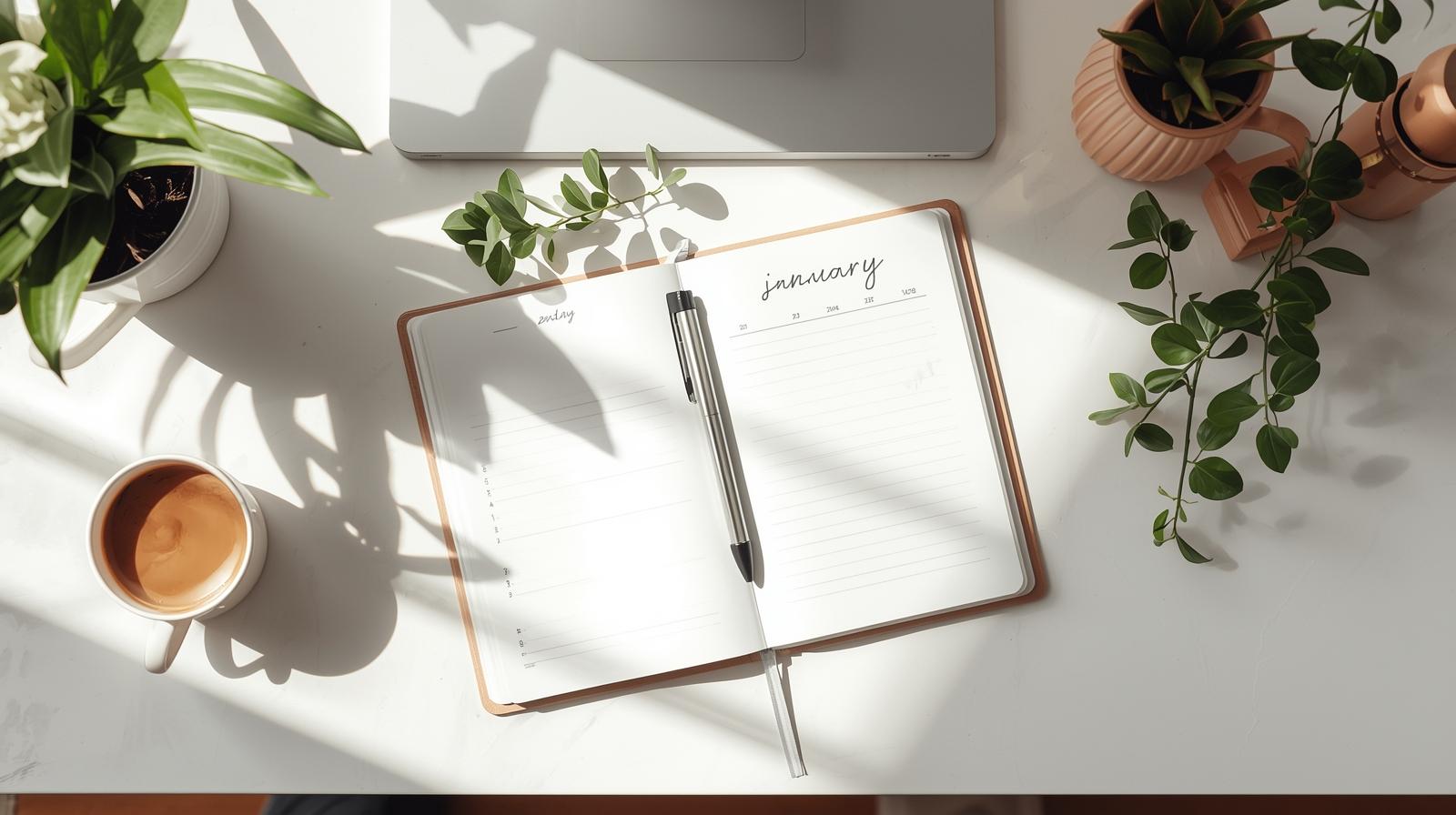
new year planner

The beginning of a new year carries a certain quiet magic. It’s not loud like resolutions shouted into the January air. It’s softer. Slower. More thoughtful. Starting the year with intention isn’t about changing everything overnight. It’s about choosing how you want to show up and letting that guide your steps.

Why Intention Matters More Than Resolutions

Resolutions often focus on fixing what feels broken. Intention focuses on alignment. Instead of saying, “I have to do better,” intention asks, “What feels right for me this season of life?”

Intentions leave room for grace. They understand that growth is rarely a straight line. When life throws curveballs, intention allows flexibility without guilt.

Reflect Before You Move Forward

Before setting intentions, take time to look back. Reflection creates clarity.

Ask yourself what worked last year and what didn’t. Notice where you felt peace and where you felt drained. Pay attention to patterns, not just moments.

This reflection isn’t about judgment. It’s about understanding yourself better so you can move forward with purpose.

Choose Intentions That Feel Grounded

Intentions should feel steady, not overwhelming. They should support your life, not compete with it.

Examples of intentional themes include choosing presence over busyness, prioritizing rest without apology, or creating space for creativity. These aren’t tasks. They’re ways of living.

When your intention feels grounded, it becomes easier to return to it when motivation fades.

Create Small Daily Anchors

Big change often starts with tiny habits. Daily anchors help keep your intention alive.

This could look like five quiet minutes in the morning, journaling before bed, or setting boundaries around your time. The goal isn’t perfection. The goal is consistency.

Anchors act as reminders of who you’re becoming, even on messy days.

Release the Pressure to Do It All

Starting the year with intention means letting go of unrealistic expectations. You don’t need a perfectly mapped-out year. You don’t need to have everything figured out by January.

Growth unfolds in layers. Some intentions will evolve. Others may fall away. That’s not failure. That’s wisdom.

Give yourself permission to move at your own pace.

Let Intention Guide, Not Control

Intentions aren’t rules. They’re guideposts. When decisions come up, ask whether they align with how you want to feel and live this year.

If the answer is no, it’s okay to step back. If the answer is yes, move forward with confidence.

Living intentionally creates a year that feels meaningful, not rushed.

A Gentle Start Is Still a Strong One

You don’t need a dramatic transformation to have a powerful year. Sometimes the strongest choice is starting quietly, intentionally, and with self-trust.

This year doesn’t need to be perfect. It just needs to be yours.

Lisa Crow contributed to this article. She is a true crime junkie and lifestyle blogger based in Waco, Texas. Lisa is the Head of Content at Gigi’s Ramblings and Southern Bred True Crime Junkie. She spends her free time traveling when she can and making memories with her large family which consists of six children and fifteen grandchildren.

fall collage

Kicking Off the Weekend

This weekend felt like one of those rare ones where we actually balanced fun with productivity. Our incense and wax shipment got delayed, so Santiago decided he wanted to switch it up and make a car freshie. Y’all, it’s been a long time since we’ve done one, but once you get in that craft mode, it all comes back quick.

Craft Store Temptations

On Saturday, we made the brave decision to hit up both Michael’s and Hobby Lobby for their big sales. I don’t know about you, but walking into those stores this time of year is dangerous. Every aisle screams “take me home,” and well… I might’ve grabbed a little bit of everything—Halloween, Fall, Thanksgiving, and Christmas. Basically, my cart looked like the seasonal aisle exploded.

We also picked up some emergency wax because nothing gets in the way of seasonal holiday melts around here. Priorities, right?

Creative Chaos

Saturday night turned into a full-blown craft-a-thon. We had a quick little paint date (yes, covered in paint before dinner is a whole vibe), then we were pouring wax until the wee hours of the morning. No regrets—except maybe when the alarm clock went off and we realized we slept in until 9.

Sunday Reset Mode

Even with a late start, we didn’t waste the day. Santi took care of the dogs while I tackled the bedding (ours and the dogs), and we got the pool winterized and covered for the season. That always feels like the official “goodbye summer” moment, doesn’t it?

Not Your Typical Sunday Dinner

Usually, Sundays mean a big home-cooked meal, but today I kept it simple—nachos for dinner and a strawberry cake for dessert. Let’s be real, that cake isn’t doing me any favors in the “getting back to homeostasis” department, but it sure tasted good.

Wrapping It Up

Now the evening’s winding down with the race and some football. Honestly, it feels like the perfect way to close out a weekend that had a little bit of everything—crafting, shopping, chores, and a whole lot of fun.

Lisa Crow contributed to this article. She is a true crime junkie and lifestyle blogger based in Waco, Texas. Lisa is the Head of Content at Gigi’s Ramblings and Southern Bred True Crime Junkie. She spends her free time traveling when she can and making memories with her large family which consists of six children and fifteen grandchildren.

desk covered with papers and a vaction picture

Image created with Canva AI

Coming home from vacation is always a little bittersweet. Yesterday we returned from South Padre Island, and while the memories are still fresh, reality is already knocking. The drive home took more than eight hours, and by the time we pulled into the driveway, exhaustion had completely taken over.

A Long Ride Back Home

The drive from South Padre felt never-ending. After hours on the road, we were drained and ready to collapse. To top it off, NASCAR moved the race to Saturday night, and the Canelo Alvarez vs. Bud Crawford fight was happening the same evening. Instead of unpacking or doing much of anything, we sank into the couch and let the night pass quietly.

Sunday Comforts at Home

This morning felt like the true reset. Santiago woke up ready for a home-cooked meal, and the grill was calling his name. He threw on steaks and jalapeño poppers while I cooked fresh green beans and red potatoes inside. There’s something grounding about sharing a simple meal together after days of restaurant food and road snacks. It reminded me of how comforting home can be.

The Struggle of Returning to Routine

As good as it feels to be home, reality always finds its way back in. I’ve already slipped into work mode, tackling tasks and easing back into my usual rhythm. Santiago, though, has been extra clingy these past few days, and I can tell his heart isn’t in returning to the grind. He misses working for himself, and it weighs on him every time vacation ends. Watching him struggle with that transition makes me wish things were different.

Holding On to Vacation Peace

Vacations remind us of the balance we crave. On SPI, we spent long hours by the beach and evenings wandering the dunes. Those quiet, simple moments gave us space to breathe and reconnect. Even though the trip is behind us now, those memories carry a calming energy we can take into our daily lives.

Finding Joy in the Everyday

Back to reality Sundays may not be exciting, but they offer a chance to reset. Grilling in the backyard, sitting down to a homemade meal, or even just resting on the couch watching football can bring that same sense of peace we find on vacation. While he heads back to work tomorrow and I continue with my own projects, we both know the next adventure will come soon enough.

Coming home isn’t always easy, but it makes the time away even more valuable.

Lisa Crow contributed to this article. She is a true crime junkie and lifestyle blogger based in Waco, Texas. Lisa is the Head of Content at Gigi’s Ramblings and Southern Bred True Crime Junkie. She spends her free time traveling when she can and making memories with her large family which consists of six children and fifteen grandchildren.

tiktok

Selling on TikTok Live is now a high-stakes game. Audiences scroll fast. Let them glance, buy, or move on. If you want your live sessions to capture attention and convert, you need more than just a product. You need a setup, style, and strategy that make people stop and stay. Here are key items and practices that will help—starting with one you already have: a wireless microphone.

1. Wireless Microphone — Crisp, Clean, Confidence

A good wireless mic gives you the freedom to move, gesticulate, and pick up your product without being tethered. Here’s what to look for and how to use it: freedom of movement so you can walk around and show details, sound quality that eliminates background noise and keeps your voice crisp, proper placement near your face or chest to avoid fabric scratching, and charged battery with solid connectivity to avoid dropouts.

2. Lighting — See the Product, See the Details

Even the best mic won’t help if viewers can’t see what you’re selling clearly. Use a ring light or soft panel light facing you so your face and product are lit evenly. Consider side fills to avoid shadows. Natural light can work too, but make sure it’s consistent and not overly harsh.

3. Stable & Clean Camera Setup

Keep your camera steady with a tripod or stand, and clean the lens before each stream. Use the rear camera if possible for sharper quality. Test zooms and filters ahead of time so you’re not fumbling during your live.

4. Good Background & Branding

Keep your backdrop uncluttered. A tidy background with branded props, shelves, or color themes helps focus attention on you and your product. Choose colors that contrast with what you’re selling so items pop on screen.

5. Engaging Presentation & Script (without sounding scripted)

Open with a hook to grab attention, then demonstrate instead of just describing. Share quick stories or comparisons that make products relatable. Prepare a loose script but leave room for audience questions so it feels natural.

6. Interactivity & CTA (Call to Action)

Ask your viewers questions, encourage comments, and use limited-time offers to drive urgency. Always be clear about how they can purchase and remind them during the stream.

7. Test Runs & Technical Rehearsals

Check your mic, camera, and lighting in advance. Do a private run or record yourself to see how you look and sound. Strong Wi-Fi or wired internet prevents buffering and keeps your live smooth.

8. Editing & Post-Live Optimization

Save your live videos and repurpose them into shorter clips for TikTok or other platforms. Add captions, highlight reels, and thumbnails to extend reach. Review your analytics to see what worked and where you lost viewers.

9. Mind Your Look & Energy

Dress in a way that represents your brand and boosts confidence. Keep your tone upbeat and your pacing clear. Audiences feed off your energy—if you’re excited about your product, they’ll feel it too.

Final Thoughts

In live selling, first impressions matter. The right wireless microphone can set the tone with professional audio and give you the freedom to move naturally. Combine that with solid lighting, a clean background, and interactive hosting, and you’ll have everything you need to stand out and turn viewers into buyers.

Lisa Crow contributed to this article. She is a true crime junkie and lifestyle blogger based in Waco, Texas. Lisa is the Head of Content at Gigi’s Ramblings and Southern Bred True Crime Junkie. She spends her free time traveling when she can and making memories with her large family which consists of six children and fifteen grandchildren.

pan of homemade lasagna

This weekend came and went in a blur, but it was exactly what we needed. We were up early both mornings, but instead of getting right to it, we stayed in bed until almost 11. That’s not something we usually do, and it made the weekend feel different in a good way.

Friday night we stayed up late making melts and incense with music going in the background. Nothing mind-blowing, just us hanging out and enjoying the time. Saturday was a lazy one—we got up, showered, and moved to the couch. Sometimes that’s all you need.

Today, I was in the kitchen. Santiago asked for homemade lasagna and banana pudding, so that’s what he got. I don’t make lasagna often because it takes some work, but when I do, it doesn’t last long. And no, I didn’t make the pudding from scratch—I’d already put in enough time on dinner.

I thought I would include the recipe for anybody interested. I should also mention: I use ground beef instead of sausage in my lasagna. I don’t eat pork, and the beef works just as well.

Homemade Beef Lasagna

Ingredients

  • 1 pound ground beef
  • 1 small onion, diced
  • 3 cloves garlic, minced
  • 1 can (28 ounces) crushed tomatoes
  • 2 tablespoons tomato paste
  • 1 can (15 ounces) tomato sauce
  • 2 teaspoons dried basil
  • 1 teaspoon dried oregano
  • 1 teaspoon sugar
  • Salt and pepper to taste
  • 12 lasagna noodles
  • 15 ounces ricotta cheese
  • 1 large egg
  • 1/2 cup grated Parmesan cheese
  • 3 cups shredded mozzarella cheese
  • Fresh parsley for garnish (optional)

Directions

  1. Preheat oven to 375°F.
  2. Cook ground beef and onion in a skillet until browned. Drain any excess fat.
  3. Add garlic, then stir in crushed tomatoes, tomato paste, tomato sauce, basil, oregano, sugar, salt, and pepper. Simmer 30 minutes, stirring occasionally.
  4. Boil noodles according to package directions. Drain.
  5. Mix ricotta, egg, and Parmesan in a bowl.
  6. Spread a thin layer of sauce in a 9×13 dish. Add noodles, half the ricotta mix, a cup of mozzarella, then sauce. Repeat layers, finishing with sauce and mozzarella.
  7. Cover with foil and bake 25 minutes. Remove foil and bake 20 more until the top is bubbly and golden.
  8. Let sit 10–15 minutes before serving.

Final Thoughts

The lasagna was the highlight of this slow weekend, and honestly, it’s one of those meals that’s even better the next day. It’s a bit of work, but worth it if you’re feeding a crowd—or just want leftovers that actually taste good.

Lisa Crow contributed to this article. She is a true crime junkie and lifestyle blogger based in Waco, Texas. Lisa is the Head of Content at Gigi’s Ramblings and Southern Bred True Crime Junkie. She spends her free time traveling when she can and making memories with her large family which consists of six children and fifteen grandchildren.

swing in hammock

Image by Lukas from Pixabay

August carries a certain energy. The days are still hot, the sun feels endless, and the calendar whispers that summer’s wrapping up. It’s that sweet spot where being productive matters, but taking it slow feels just as important. This is the lazy-but-strategic mood—where you recharge while setting up for what’s next.

Balancing Relaxation and Planning

The August mindset thrives on balance. Even when afternoons are slow and quiet, there’s a subtle focus on the bigger picture. Tasks get done, but without rushing. The pace is intentional, and the to-do list is approached with a mix of efficiency and ease.

Rather than pushing through every moment, August invites a softer approach. Small wins matter. A quick tidy-up here, a bit of prep there—these little efforts keep things moving without exhausting your energy.

Using the Heat to Your Advantage

The warm, lingering days can be a perfect excuse to slow down. Early mornings and cooler evenings become prime time for handling important work. The middle of the day? That’s reserved for lighter tasks or even a well-earned break.

By aligning your schedule with the weather, productivity feels less forced. You’re still getting things done, but the rhythm is easier, less demanding. It’s strategic energy conservation.

Decluttering Your Summer

August is an underrated month for clearing out the physical and mental clutter left behind by summer. Those items you bought for a trip but never used? Donate or store them. The random projects that kept getting pushed aside? Wrap them up now, so September starts fresh.

This isn’t about deep cleaning or massive overhauls—it’s about creating space. Even small changes help shift your mindset toward the months ahead.

Planning for the Transition to Fall

There’s a quiet advantage to prepping before September arrives. While everyone else scrambles once summer officially ends, you’ll already be ahead. This could mean revisiting your budget, mapping out work goals, or making small seasonal adjustments to your home.

By taking this slow and steady approach, fall’s busier pace won’t feel so overwhelming. You’ve laid the groundwork without feeling like you’ve been working nonstop.

Rest Without Guilt

The “lazy” part of the August mood is just as important as the “strategic” part. Rest is a tool, not a weakness. Allowing yourself a slower day, a nap, or an unplanned afternoon can boost creativity and focus later.

Instead of seeing downtime as lost time, it’s reframed as fuel. That shift in perspective makes rest feel purposeful rather than indulgent.

Setting Small, Intentional Goals

Big goals have their place, but August is ideal for micro-goals. These are the bite-sized actions that move you forward without draining your energy. For example, reading a few pages of a book instead of finishing a whole chapter. Making a single healthy meal instead of overhauling your entire diet.

These small, consistent steps add up. By September, you’ll notice you’re in a better position without ever feeling burned out.

The Takeaway

August is more than just the end of summer—it’s a bridge. It’s a time to honor the season’s slower pace while still preparing for what’s next. Lazy days and strategic moves can coexist beautifully.

By leaning into this balance, you allow yourself to enjoy the last stretch of summer while quietly setting the stage for success in the months ahead.

Lisa Crow contributed to this article. She is a true crime junkie and lifestyle blogger based in Waco, Texas. Lisa is the Head of Content at Gigi’s Ramblings and Southern Bred True Crime Junkie. She spends her free time traveling when she can and making memories with her large family which consists of six children and fifteen grandchildren.