
A massive glowing full Blue Moon rising over a quiet Texas countryside, wildflowers in the foreground, dramatic star-filled sky, rich blue and silver tones, highly detailed, magical atmosphere, cinematic lighting, realistic photography style, vertical Pinterest format, no text.

Skywatchers have something special to look forward to on May 31, 2026. The month’s second full moon, known as a Blue Moon, will light up the night sky and provide a beautiful sight for anyone willing to step outside and look up.

Most people have heard the phrase “once in a blue moon,” but many don’t realize it refers to a real astronomical event. While Blue Moons are not as rare as the saying suggests, they are uncommon enough to generate plenty of excitement among stargazers.

If you enjoy watching celestial events or simply appreciate a beautiful night sky, here’s what you need to know about the upcoming Blue Moon.

What Is a Blue Moon?

A Blue Moon occurs when two full moons happen within the same calendar month. Since the lunar cycle lasts about 29.5 days, this does not happen very often.

In May 2026, the first full moon occurs on May 1, while the second full moon reaches peak illumination on May 31. Because it is the second full moon of the month, it earns the Blue Moon designation.

Despite its name, the moon will not actually appear blue. The term refers to the timing of the full moon rather than its color.

When Will the May 2026 Blue Moon Peak?

The Blue Moon reaches peak illumination on Sunday, May 31, 2026, at approximately 4:45 a.m. EDT.

Fortunately, you do not need to be outside at that exact moment to enjoy it. The moon will appear full for several nights surrounding the peak, giving plenty of opportunities to catch the show.

If weather conditions cooperate, the evening of May 30 and the night of May 31 should provide excellent viewing opportunities.

Why Do People Say “Once in a Blue Moon”?

The phrase “once in a blue moon” has been used for generations to describe something that happens infrequently.

Although Blue Moons occur every two to three years on average, they are still uncommon enough to stand out. Over time, the phrase became part of everyday language and remains one of the most recognizable expressions connected to astronomy.

Today, many people know the saying long before they learn there is an actual lunar event behind it.

Related: Do Full Moons Really Influence Crime Rates?

Will the Moon Actually Look Blue?

This is probably the most common question people ask.

The answer is no.

The May 2026 Blue Moon will look very much like any other full moon. It may appear white, silver, golden, or even orange depending on atmospheric conditions and its position in the sky.

On rare occasions, volcanic ash, wildfire smoke, or other particles in the atmosphere can give the moon a bluish tint. However, those situations are unrelated to the official definition of a Blue Moon.

Best Ways to Watch the Blue Moon

One of the best things about a full moon is that you do not need expensive equipment to enjoy it.

For the best experience:

  • Find an area away from bright city lights.
  • Look for a clear view of the eastern horizon around moonrise.
  • Check the weather forecast before heading out.
  • Bring binoculars if you want a closer look at the moon’s surface.
  • Consider taking photographs during moonrise when the moon often appears larger than usual.

Even a simple lawn chair and a quiet evening outdoors can make for a memorable Blue Moon experience.

Interesting Blue Moon Facts

Blue Moons Are More Common Than Many People Think

Most Blue Moons occur every two to three years, making them unusual but not extraordinarily rare.

The Moon Often Appears Larger Near the Horizon

This effect is known as the moon illusion. Your brain perceives the moon as larger when it is close to the horizon, even though its actual size remains unchanged.

Blue Moons Have Inspired Folklore for Centuries

Many cultures have associated full moons with stories, traditions, and celebrations. Because Blue Moons occur less frequently, they have often been viewed as especially significant.

You Can See It Without a Telescope

Unlike some astronomical events that require specialized equipment, a Blue Moon is visible to anyone with a clear sky.

Related: The Surprising Link Between Moon Phases and Mood

Why This Blue Moon Is Worth Watching

Life gets busy, and many of us spend more time looking at screens than looking at the sky. Events like the May 2026 Blue Moon are a good reminder to slow down for a few minutes and appreciate something simple.

Whether you watch from your back porch, a campsite, or your favorite country road, the Blue Moon offers a chance to enjoy one of nature’s most beautiful displays.

After all, it’s not every day that you get to experience something that only happens once in a blue moon.

Lisa Crow contributed to this article. She is a true crime junkie and lifestyle blogger based in Waco, Texas. Lisa is the Head of Content at Gigi’s Ramblings and Southern Bred True Crime Junkie. She spends her free time traveling when she can and making memories with her large family which consists of six children and sixteen grandchildren.
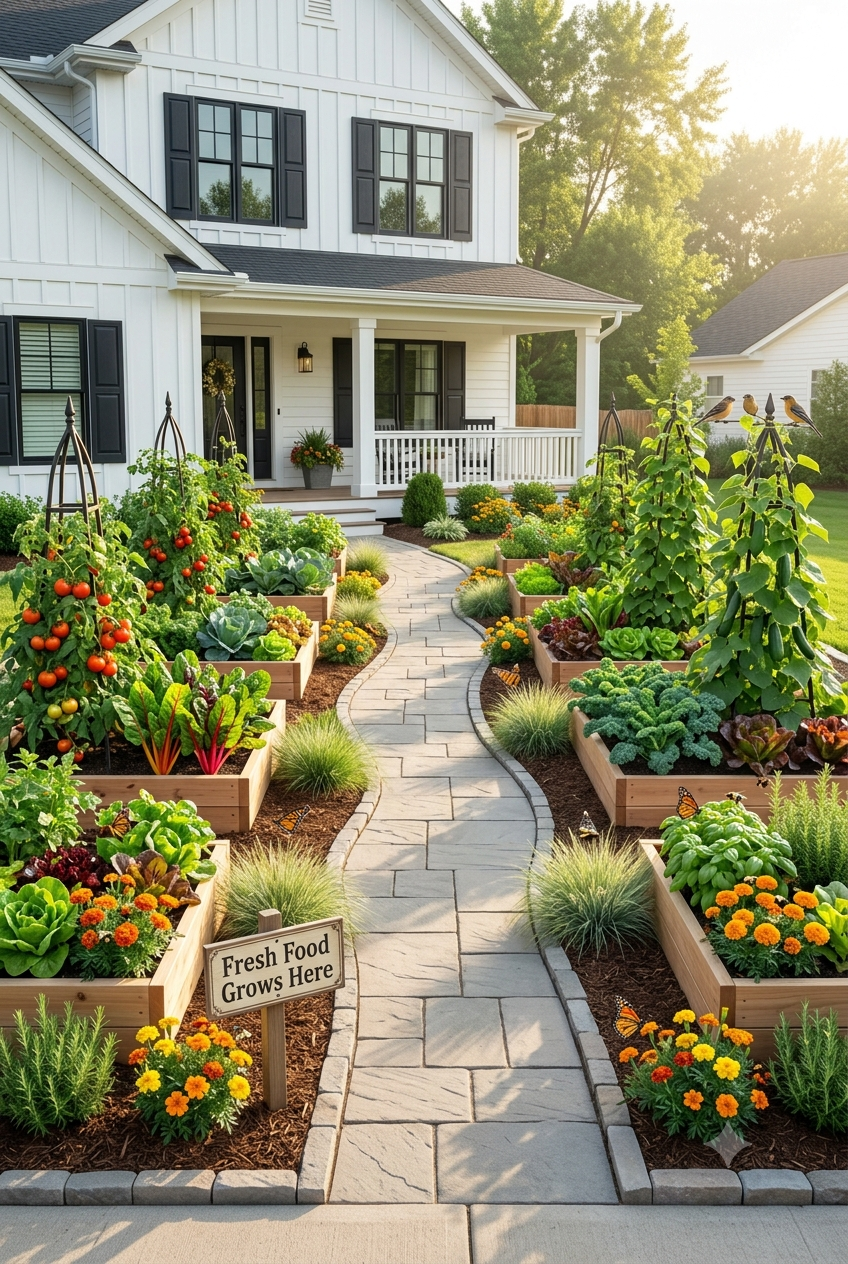
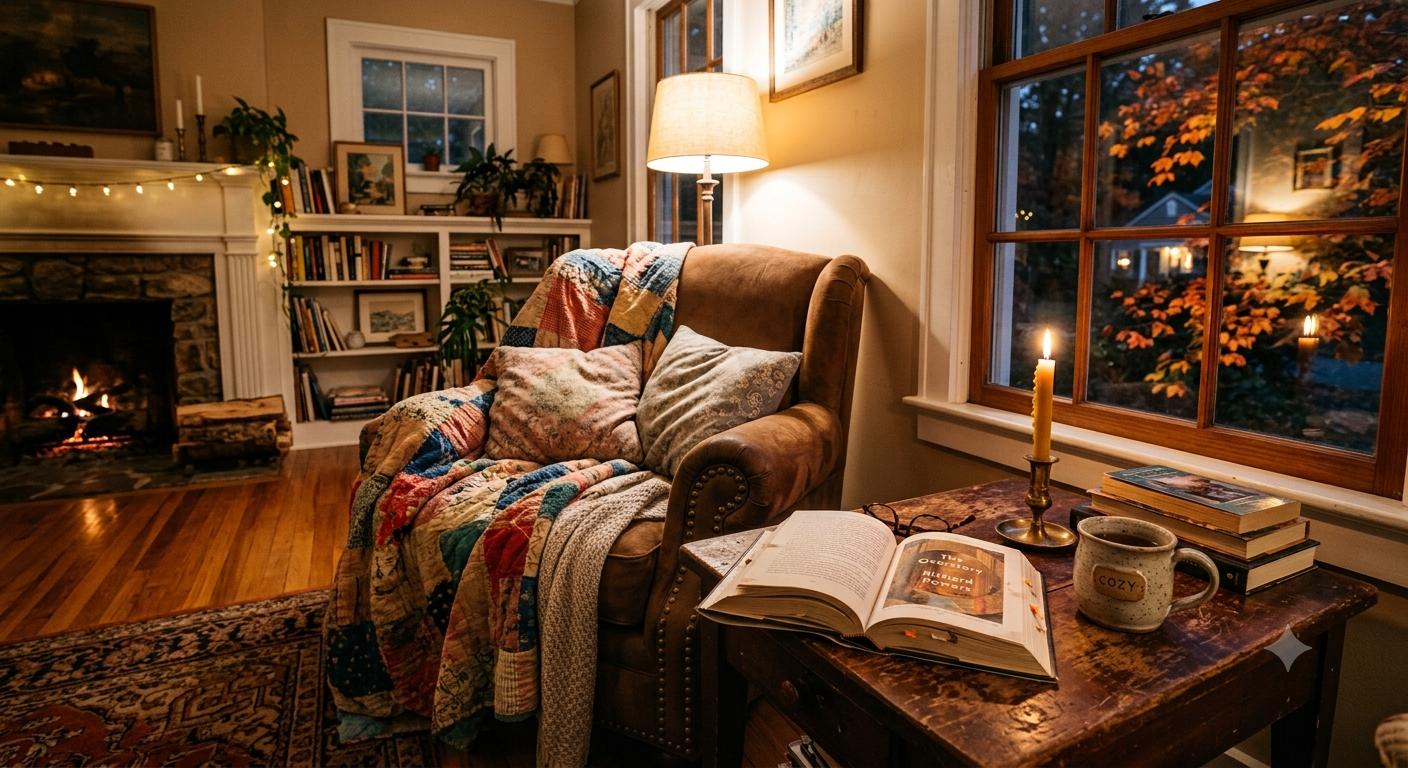
Cozy living room corner, warm evening light from a single table lamp, soft chunky knit throw draped over an armchair, small ceramic wax warmer glowing on a wooden side table, a steaming mug nearby, neutral warm tones of cream and amber, soft shadows, hygge aesthetic, lifestyle photography style

This article contains Amazon links where I may earn a commission.

There’s a feeling I’m always chasing. You know the one, when you walk into a room and your whole body just exhales. Where the light is soft, something smells incredible, and you genuinely don’t want to be anywhere else in the world.

The good news? That feeling is a lot easier to create than most people think. You don’t need a Pinterest-perfect home or a major renovation. You just need to know which small things make the biggest difference.

Here are five things I come back to every single time I want a room to feel more like home.

1. Layer your lighting

Overhead lights are the enemy of cozy. I said what I said.

Ceiling lights flood a room with flat, even brightness, which is great for cleaning or finding your keys, but terrible for actually relaxing. The fix is simple: turn off the overhead and switch to lamps instead.

Table lamps, floor lamps, even a string of warm-toned fairy lights, anything that creates pools of light rather than one big blast of it. The lower the light source, the cozier the room automatically feels. It’s almost like a trick, but it works every single time.

Warm bulbs (look for 2700K or lower on the packaging) make a world of difference too. Cool white light makes spaces feel clinical. Warm light makes them feel like evening, even in the middle of the afternoon.

2. Bring in scent

This is the one people underestimate most, and honestly, it’s my favorite.

Scent hits differently than any other sensory detail. You can have the most beautifully decorated room in the world, but if it smells like nothing, or worse, like yesterday’s takeout, it just doesn’t feel cozy. But walk into a room that smells warm and inviting, and your brain immediately registers comfort before you’ve even sat down.

I’ve been making and using wax melts for years and I genuinely won’t go back to anything else. I love that you can switch scents as often as you want, there’s no flame to worry about, and the scent throw is so much better than most candles. In winter, I lean toward vanilla, cinnamon, and woodsy scents. Summer gets lighter, citrus, clean linen, something that smells like a breeze. And fall? Don’t even get me started on fall. That’s when the wax warmer basically lives on the kitchen counter.

If you haven’t tried wax melts yet, start with whatever scent makes you feel the most at home. That’s your cozy scent. Everything else is just seasonal fun. Mama Crow’s has you covered!

3. Add texture wherever you can

Cozy is something you feel as much as see, and texture is how you make a room feel good to be in.

Think a chunky knit throw draped over the arm of your sofa, a soft rug underfoot instead of bare floor, velvet or linen pillow covers instead of the scratchy ones that came with the couch. These things don’t have to match perfectly. In fact, the mix is part of what makes it feel lived-in and warm rather than staged.

I like to think of texture in layers. Something soft to sit on, something soft nearby to reach for, and something that grounds the space, usually a rug. Once you start noticing texture, you’ll see exactly where a room is missing it.

4. Put something beautiful at eye level

This one is subtle, but it changes everything.

We notice things at eye level without even realizing it. So when there’s something beautiful sitting right in your sightline, a small vase of flowers, a candle on a tray, a little stack of books you love, your eye keeps landing there and registering that this place is nice.

It doesn’t have to be expensive or fancy. A few stems from the grocery store, a little dish where you keep something meaningful, a framed photo you actually love looking at. The point is just one spot in each room that feels intentional and pretty. It does more for the overall feel of a room than moving furniture around ever will.

5. Make yourself a warm drink and actually sit down

Okay, this one is more about you than the room itself, but hear me out.

A room can have perfect lighting, beautiful texture, and smell absolutely incredible, and you can still blow through it on your way to the next task. Cozy isn’t just a design aesthetic. It’s a practice. It’s the decision to actually be in a space rather than passing through it.

So make the tea. Or the coffee, or the hot chocolate, or whatever your thing is. Put it in a mug you actually like. And then sit down in your nicely lit, good-smelling, textured room and just be there for a few minutes.

That’s it. That’s the whole secret.

Cozy isn’t a destination you arrive at once you have the right furniture or the perfect home. It’s built from small, intentional things, and honestly, most of them you can do this afternoon.

Start with one. See how it feels. Then add another.

And if you want my honest first recommendation? Go light a wax melt. The rest gets a lot easier when the room already smells like somewhere you want to stay.

Tell me, what’s the one thing that makes a space feel cozy to you? I’d love to hear it in the comments.

You might also enjoy:

  • What to melt in your home based on your mood
  • My simple evening wind-down routine
  • How I make my home smell amazing all week

Lisa Crow contributed to this article. She is a true crime junkie and lifestyle blogger based in Waco, Texas. Lisa is the Head of Content at Gigi’s Ramblings and Southern Bred True Crime Junkie. She spends her free time traveling when she can and making memories with her large family which consists of six children and sixteen grandchildren.

A bright summer farmers market scene with piles of fresh watermelons, hands lifting and checking melons, close-up details of creamy yellow field spots and sugar webbing, bold Pinterest-style layout, vibrant colors, juicy sliced watermelon in foreground, eye-catching text that says "Watermelon Picking Tips That Actually Matter"

Picking a watermelon should be simple, but somehow it turns into a guessing game every summer. People knock on them like drums, stare at them for ten minutes, and still end up slicing into one that tastes like crunchy water. The truth is, a few small details can tell you a lot about what’s hiding under that thick green rind. While no trick works every single time, knowing what to look for dramatically improves your chances of bringing home a sweet, juicy watermelon.

Instead of relying on old myths or random internet hacks, pay attention to signs that actually matter.

Look For The Field Spot

One of the easiest clues is the field spot, which is the area where the watermelon rested on the ground while growing. This patch should not be white or pale. A creamy yellow or deep buttery color is a much better sign because it means the melon had enough time to ripen naturally on the vine.

If the spot is almost nonexistent or bright white, the watermelon may have been picked too early. That often leads to bland flavor and a texture that feels disappointing once cut open.

Pick It Up And Feel The Weight

A ripe watermelon should feel surprisingly heavy for its size. Watermelons are mostly water, so a juicy melon tends to have more weight packed into it.

If you are choosing between two melons that appear similar in size, grab both. The heavier one is often the better choice. This quick test is one of the easiest ways to narrow down your options without overthinking it.

Ignore Perfect Looks

Many shoppers automatically grab the smoothest, prettiest watermelon in the pile. However, perfectly polished fruit is not always the winner.

Small scratches, rough webbing, and minor imperfections can actually be signs that bees pollinated the flower well and that the fruit developed naturally. Cosmetic flaws are often far less important than ripeness clues.

Of course, avoid large cuts, deep bruises, or soft spots. Those are signs of damage rather than character.

Pay Attention To Shape

A watermelon should have a consistent shape without strange bumps or uneven sections. Whether round or oval, the fruit should look symmetrical.

Odd lumps or irregular growth can sometimes happen because of inconsistent watering during development. That can occasionally affect flavor and texture.

Uniform shape is usually a safer bet.

Give It A Knock, But Do Not Obsess

The classic watermelon thump test has been around forever. People swear by it, but it causes more confusion than almost anything else.

A ripe watermelon often produces a deep, hollow sound when tapped. An underripe one may sound higher pitched or more metallic. However, this trick takes practice and can be difficult if you do not have multiple melons to compare.

Use it as a bonus clue, not your main decision maker.

Look For Sugar Webbing

Sometimes watermelons develop rough brown web-like lines across the rind. These marks are often called sugar spots or sugar webbing.

While they are not a guarantee, many experienced growers believe these areas can signal strong pollination and sweetness. If you notice a melon with a few webby patches plus a creamy field spot and heavy weight, you may have found a winner.

Check The Stem Area

If a small stem is still attached, take a look at it. A dried brown stem usually suggests the watermelon had time to ripen before harvest.

A fresh green stem can mean it was picked too early.

Not every store leaves stems attached, so this clue is helpful when available but not essential.

Buy In Season Whenever Possible

Timing matters more than people realize. Peak watermelon season usually brings sweeter fruit because melons are harvested closer to natural ripeness.

Buying during the heart of summer often gives you better odds than grabbing one early in the season when stores rush produce onto shelves.

The best watermelon in the world still has to be picked at the right time.

Final Thoughts

You do not need secret farmer knowledge or lucky guessing skills to choose a good watermelon. Focus on the field spot, check the weight, look for a consistent shape, and stop judging fruit contests by perfect appearances. Once you combine several clues together, your chances improve fast.

The next time you stand in the produce section staring at a giant pile of watermelons, you will at least have a strategy that beats random guessing.

Lisa Crow contributed to this article. She is a true crime junkie and lifestyle blogger based in Waco, Texas. Lisa is the Head of Content at Gigi’s Ramblings and Southern Bred True Crime Junkie. She spends her free time traveling when she can and making memories with her large family which consists of six children and sixteen grandchildren.

Split-image showing a crowded nostalgic shopping mall on one side and an abandoned empty mall on the other with bold text reading “The Death of the Shopping Mall Experience.”

There was a time when going to the mall was an actual event. You didn’t just run in for one thing and leave. You made a whole day out of it. Teenagers practically lived there on weekends, families wandered around for hours, and food courts stayed packed from lunch until closing time. The mall was where you hung out, people-watched, grabbed snacks, and somehow always ended up buying something you didn’t even go there for in the first place.

Now? Half the malls across America feel like ghost towns.

I can’t even pretend I’m not part of the reason for it either. I absolutely played my role in the downfall of in-person shopping. At this point, I do not go into a store unless I absolutely have to. I haven’t stepped foot inside Walmart or HEB in probably two or three years unless we were traveling and needed something while out of town. I do curbside pickup, order from Amazon, and have pretty much everything delivered straight to my house. Honestly, people are exhausting to me and I am not doing all that unless necessary.

And the mall? I genuinely cannot remember the last time I went to our local mall.

Malls Used To Be the Place To Be

Back in the day, malls were more than stores. They were social hubs. If you grew up in the ’80s, ’90s, or even early 2000s, you probably have memories tied to a shopping mall somewhere.

You met friends there after school. You walked around with no real plan. You spent twenty dollars and somehow stayed entertained for five hours. The mall had its own smell, its own energy, and its own little ecosystem.

Every mall had:

  • The candle store you could smell from halfway down the hall
  • The CD store blasting music
  • The arcade filled with loud games and flashing lights
  • A crowded food court
  • That one kiosk employee aggressively trying to straighten your hair or sell lotion

During the holidays, malls felt magical. Christmas decorations hung from every ceiling, kids lined up for Santa pictures, and parking lots looked like complete chaos from Thanksgiving through December.

Now, many malls feel quiet, empty, and honestly kinda sad.

Online Shopping Changed Everything

Convenience won. Simple as that.

Why fight traffic, hunt for parking, walk through packed stores, and stand in long checkout lines when you can order what you need from your couch in under five minutes?

That’s exactly what happened for a lot of us.

Online shopping slowly turned into the easier option, then eventually became the preferred option. Stores started offering faster shipping, better return policies, and curbside pickup. Once people realized they could avoid the crowds entirely, there was really no going back.

And if we are being honest, the pandemic sped the whole thing up even more. A lot of people got used to having groceries delivered, placing pickup orders, and avoiding stores altogether. Some never returned to old shopping habits after that.

I know I didn’t.

People Just Shop Differently Now

The younger generation shops completely differently than we did growing up. They discover products through social media, buy directly from apps, and often skip traditional retail stores altogether.

Instead of spending Saturday at the mall, people scroll online while sitting on the couch watching TV. Retail therapy became tapping “add to cart” at midnight.

Even clothing shopping has changed. Years ago, people wanted to walk through department stores trying things on. Now, many shoppers order multiple sizes online, keep what fits, and send the rest back.

Technology made shopping easier, but it also made it a lot less personal.

Some Malls Never Adapted

Not every mall failed because of online shopping alone. Some just never evolved.

A lot of malls stayed exactly the same while shopping habits changed around them. Empty anchor stores started appearing, maintenance slipped, and fewer desirable stores moved in. Once enough stores closed, fewer shoppers came. Then, even more stores left.

It became a cycle that was hard to stop.

Meanwhile, newer shopping centers focused on restaurants, entertainment, outdoor spaces, and experiences instead of traditional department store shopping. People still like going out, but they want more than wandering through endless retail stores now.

There Is Still Something Nostalgic About It

Even though I barely shop in person anymore, there’s still a weird sadness seeing malls disappear.

They hold memories for a lot of people. First dates, back-to-school shopping, prom dresses, holiday traditions, and just aimlessly roaming around with friends are tied to those places.

You can almost hear the echoes of what they used to be.

Sometimes I think that’s why dead mall videos and abandoned mall photos are so popular online now. People miss the feeling more than the actual shopping itself.

Because honestly, none of us really miss fighting for parking spots during the Christmas shopping season.

But we do miss what malls represented.

Related: Thanksgiving Traditions I’ll Always Hold On To

The Era Probably Isn’t Coming Back

There will always be some successful malls, especially large upscale ones in major cities. But the golden era of the American shopping mall is probably over.

Life is faster now. Convenience matters more. People are tired, overworked, overstimulated, and looking for easier ways to get things done. Clicking a button from home usually wins over wandering through crowded stores for hours.

And for some of us, avoiding people entirely is a pretty solid bonus too.

I never thought I’d become someone who avoids stores at all costs, but here we are. These days, if I can order it online or pull into a curbside pickup spot without leaving my vehicle, that’s exactly what I’m doing.

The mall experience may be fading away, but honestly? A lot of us helped make it happen.

Lisa Crow contributed to this article. She is a true crime junkie and lifestyle blogger based in Waco, Texas. Lisa is the Head of Content at Gigi’s Ramblings and Southern Bred True Crime Junkie. She spends her free time traveling when she can and making memories with her large family which consists of six children and sixteen grandchildren.
Collection of low maintenance houseplants including snake plant, ZZ plant, spider plant, and aloe with text reading "Houseplants That Survive People Who Forget They Exist."

Life gets busy. Between work, kids, pets, errands, and trying to remember what day it is, watering a houseplant can end up way down the list. Then suddenly, you glance over and realize that poor plant in the corner has been surviving on pure determination and neglect for three weeks.

The good news is that some houseplants actually prefer a little distance. In fact, a few seem to thrive when people stop fussing over them. If you forget to water, skip fertilizer, or occasionally realize your plant exists only when company comes over, these are the kinds of plants that can handle it.

If you have always claimed you “kill every plant,” there is still hope.

Snake Plants Barely Need Attention

Snake plants are practically legends in the low-maintenance plant world. Their upright leaves look clean and modern, and they tolerate conditions that would make many other plants give up immediately.

They can handle low light, bright light, dry air, and missed waterings without much drama. In fact, overwatering is one of the fastest ways to hurt them. That means people who forget they own plants are often surprisingly good snake plant owners.

Most people only need to water them every few weeks, and sometimes even less during cooler months.

As a bonus, they fit almost anywhere. They look great on shelves, bedroom corners, desks, or entry tables.

Related: Favorite Bulb Plants (and a Few “Not-Quite-Bulbs”) Worth Planting Every Year

ZZ Plants Might Be Impossible To Kill

If there were an award for surviving neglect, the ZZ plant would probably win.

Its glossy leaves always look healthy, even if you forgot about it for an embarrassing amount of time. The plant stores water in underground rhizomes, which means it has backup reserves when life gets hectic.

ZZ plants tolerate low light and inconsistent care better than many common houseplants. They also do not demand constant pruning, repotting, or special treatment.

Meanwhile, many people accidentally become plant lovers because this one gives them confidence.

Pothos Keep Going Even When You Forget

Pothos plants have a reputation for surviving almost anything.

Forgot to water for two weeks? Usually fine. Forgot where you put it? Still hanging in there.

These trailing plants grow beautifully from shelves, hanging baskets, or bookcases. Plus, they adapt to different lighting conditions and recover quickly if they get a little neglected.

Although pothos appreciate regular care, they are incredibly forgiving. Even if the leaves droop after a dry spell, a good watering often perks them right back up.

That kind of second chance is something plant forgetters appreciate.

Cast Iron Plants Earned Their Name

Sometimes plant names tell you everything you need to know.

Cast iron plants developed a reputation for surviving difficult conditions long before trendy houseplants filled social media feeds. They tolerate low light, dry indoor air, and occasional neglect with very little complaint.

Because they grow slowly, they also do not need constant maintenance. You are not repotting them every few months or dealing with wild growth taking over your living room.

Instead, they quietly exist and make your space look greener with minimal effort.

Spider Plants Bounce Back Fast

Spider plants are one of the most forgiving beginner plants around.

Even if they start looking a little rough from inconsistent watering, they often recover quickly. Their arching leaves create a full appearance, and eventually they produce little baby plants hanging from long stems.

Many people accidentally build an entire collection because spider plants keep producing new babies.

In addition, they tolerate average indoor conditions without requiring special humidity levels or complicated care routines.

Aloe Vera Likes Being Left Alone

People often assume aloe vera needs constant attention because it has a unique look. Surprisingly, it is another plant that prefers less fuss.

Like other succulents, aloe stores water in its thick leaves. That means missing a watering here and there, usually is not a problem.

Place it near a sunny window and leave it alone most of the time. Water only when the soil fully dries out.

Ironically, many struggling plant owners actually do better with aloe because they finally stop overthinking things.

Chinese Evergreen Handles Real Life

Some plants seem designed specifically for people with busy schedules.

Chinese evergreen plants tolerate lower light conditions and occasional neglect without creating unnecessary drama. Their leaves also come in beautiful patterns and colors, which adds visual interest without adding more work.

Meanwhile, they are adaptable enough for offices, bedrooms, and areas that do not receive perfect sunlight.

For people who want something attractive but realistic to maintain, this one checks a lot of boxes.

Peace Lilies Will Tell You When They Need Help

Some plants silently suffer. Peace lilies are not those plants.

When they need water, their leaves droop dramatically. It looks alarming at first, but they often perk back up quickly after watering.

That built-in warning system helps people who struggle to remember plant schedules.

Although they appreciate more moisture than some plants on this list, they communicate clearly. Honestly, that kind of feedback can save a lot of guilt.

You Do Not Need A Green Thumb

People often think successful plant owners follow strict schedules and own fancy watering tools. In reality, choosing the right plants matters far more.

Life gets busy, and nobody remembers every small task all the time. Fortunately, some houseplants thrive with a little independence.

So if you regularly forget your plants exist until you walk past them one random Tuesday, do not give up. Pick a few forgiving varieties and let them work with your lifestyle instead of against it.

Your house still gets greenery, and your plants get exactly what they want, which is surprisingly less attention.

Lisa Crow contributed to this article. She is a true crime junkie and lifestyle blogger based in Waco, Texas. Lisa is the Head of Content at Gigi’s Ramblings and Southern Bred True Crime Junkie. She spends her free time traveling when she can and making memories with her large family which consists of six children and sixteen grandchildren.

Neutral summer porch with simple decor and plants

Summer porch decor should feel relaxed and welcoming, not like every seasonal aisle in every store exploded onto your front steps. The best summer porches look lived in and comfortable. They have personality without looking cluttered, and they feel like a place people actually want to sit with a cold drink after a long day.

The good news is that creating a beautiful summer porch does not require giant signs, neon-colored decorations, or twenty-seven throw pillows. Sometimes less really does look better. A few thoughtful updates can make a huge difference while still keeping everything clean, timeless, and easy to maintain.

Related: The Kind of Stories You Only Hear on a Front Porch

Start With A Neutral Base

If your porch already feels busy, start by simplifying. Neutral furniture and foundation pieces instantly create a calmer look. Think black, white, tan, wood tones, or soft grays for larger items like seating, rugs, and planters.

Then, once your basics are in place, add small seasonal touches around them. This keeps your porch from feeling like it has to be completely redecorated every few months.

Natural textures also help soften everything. Wicker, wood, jute, and galvanized metal all work beautifully during summer and never look overly trendy.

Choose One Accent Color And Stick To It

This is where many porches start feeling overdone. It is tempting to grab every bright summer color available, but too many competing shades create visual chaos.

Instead, pick one accent color and repeat it in small ways.

You might choose:

  • Soft blue
  • Sage green
  • Coral
  • Yellow
  • Terracotta
  • Muted turquoise

For example, blue pillows, a matching planter, and a small lantern create a pulled-together look without feeling forced.

Repeating one color throughout the space creates balance and makes everything feel intentional.

Use Real Plants Instead Of Decorative Clutter

Nothing says summer quite like greenery. Plants make a porch feel alive and fresh without needing dozens of decorations.

Mix different heights and textures for interest:

  • Ferns in hanging baskets
  • Potted herbs
  • Tall grasses
  • Flowering plants
  • Small trees
  • Vintage containers with greenery

The key is allowing plants to become the decoration instead of filling every corner with signs and accessories.

Even a few healthy plants often look better than shelves full of seasonal decor.

Add Outdoor Pillows Carefully

Throw pillows can make a porch look cozy fast. They can also make it look like a furniture showroom if you go overboard.

A good rule is to use fewer than you think you need.

Try:

  • Two pillows on rocking chairs
  • Three on a porch swing
  • Four on a sofa

Mix patterns with solids and vary texture rather than choosing several loud prints competing for attention.

Soft stripes, subtle florals, and simple patterns often age much better than trendy seasonal sayings.

Skip The Giant Word Signs

There was a time when every porch had oversized signs shouting things like “Welcome,” “Gather,” or “Hello Summer.”

Now, porches tend to look cleaner without huge text pieces taking over the space.

Instead, add character through:

  • Vintage watering cans
  • Lanterns
  • Old crates
  • Antique buckets
  • Wooden stools
  • Unique planters

These details feel collected instead of mass-produced.

Layer Lighting For Evenings

Summer porches should look just as inviting at night as they do during the day.

Rather than relying on one bright porch light, layer softer lighting throughout the space.

Ideas include:

  • String lights
  • Lanterns
  • Solar pathway lights
  • Battery candles
  • Small table lamps

Soft lighting instantly creates atmosphere and makes even a simple porch feel cozy.

It also makes the space feel intentional without adding more decorative items.\

Related: Spring Porch Styling on a Budget

Leave Empty Space

Not every surface needs something sitting on it.

One of the biggest differences between a professionally styled porch and an overdecorated porch is breathing room. Empty space allows your favorite pieces to stand out.

If every corner is filled, nothing catches the eye.

Step back occasionally and remove one or two things. Oddly enough, porches often look better after subtracting decor rather than adding more.

Add Seasonal Touches In Small Ways

Summer details still matter. You just do not need a giant display to make it feel seasonal.

Simple ideas include:

  • Lemon stems in a pitcher
  • A lightweight summer wreath
  • Fresh flowers
  • A bowl of shells
  • Citrus-colored napkins
  • Small patriotic touches near holidays

Tiny changes can create a summer feeling without taking over the entire porch.

Focus On Comfort First

At the end of the day, a porch should feel inviting.

No one wants a perfectly decorated porch that nobody actually uses. Comfortable seating, shade, soft cushions, and places to set down drinks matter more than filling every inch with decor.

When comfort comes first, the decor usually falls into place naturally.

The best summer porches are the ones where people linger a little longer.

Lisa Crow contributed to this article. She is a true crime junkie and lifestyle blogger based in Waco, Texas. Lisa is the Head of Content at Gigi’s Ramblings and Southern Bred True Crime Junkie. She spends her free time traveling when she can and making memories with her large family which consists of six children and sixteen grandchildren.

Couple sitting together on a couch smiling and holding warm drinks beside bold text reading “Relationship Habits That Matter” with relationship tips listed alongside them.

Every relationship goes through seasons. Some days feel effortless, while others take a little more patience and intention. The couples who stay strong long-term are not usually the ones with perfect lives or nonstop romance. More often, they are the ones who consistently practice small habits that help them stay connected.

The truth is, relationships are built in everyday moments. A quick conversation in the kitchen, a text during the workday, laughing over something silly, or simply showing up for each other when life gets stressful all matter more than grand gestures people post online.

If you want a healthier, happier relationship, these habits are worth paying attention to.

Communicate Before Problems Explode

A lot of couples wait too long to speak up. By the time they finally talk about what is bothering them, frustration has already built into resentment.

Healthy communication is not about winning arguments. It is about understanding each other. That means talking honestly about needs, stress, expectations, and feelings before things spiral out of control.

Even small check-ins help. Asking “How are you really doing?” can open the door to conversations that keep couples connected instead of drifting apart.

Listening matters just as much as talking. Sometimes your partner does not need a solution. They simply want to feel heard.

Put Down the Phones Sometimes

It is easy to sit beside someone while mentally being somewhere else entirely. Scrolling during dinner, watching separate videos on the couch, or checking notifications every few minutes slowly chips away at quality time.

You do not have to unplug from the world completely, but intentional moments without distractions make a huge difference.

Couples who spend real time together tend to feel more emotionally connected. That can be as simple as cooking supper together, watching a movie without multitasking, taking an evening drive, or sitting outside talking after a long day.

Small moments of attention often mean more than expensive date nights.

Keep Dating Each Other

One mistake many couples make is assuming the effort stops once the relationship feels secure.

Long-term relationships still need excitement, thoughtfulness, and fun. People change over time, and couples who continue learning about each other tend to stay closer emotionally.

Date nights do not have to be fancy or expensive. Some of the best memories come from simple traditions. Maybe it is grabbing takeout and riding around looking at Christmas lights, having movie nights at home, trying a new restaurant, or taking a weekend road trip together.

The important part is making time for each other on purpose.

Show Appreciation Often

Feeling unappreciated can quietly damage a relationship over time.

Most people want to feel noticed for the things they do, even the small everyday stuff. Saying thank you, complimenting your partner, or acknowledging their effort helps create a stronger emotional connection.

It takes only a few seconds to say:

  • “I appreciate you.”
  • “Thanks for handling that.”
  • “You’ve been working really hard lately.”
  • “I’m glad we’re doing life together.”

Those simple words carry more weight than people realize.

Learn How Your Partner Handles Stress

People react differently under pressure. One person may want to talk everything out immediately while the other needs quiet time to process.

Understanding how your partner responds to stress can prevent unnecessary arguments. Instead of assuming the worst, try recognizing when they are overwhelmed, exhausted, or mentally drained.

Relationships become stronger when couples feel safe being imperfect around each other.

Sometimes support looks like deep conversations. Other times it looks like bringing home supper after a rough day or handling something without being asked.

Stop Keeping Score

Healthy relationships are partnerships, not competitions.

Keeping a mental score of who did more chores, spent more money, apologized first, or sacrificed more creates resentment fast. Real relationships require give and take from both people at different times.

There will be seasons where one person carries more weight because life happens. Stress, work, health issues, family responsibilities, and exhaustion all affect relationships.

Strong couples focus less on tallying points and more on helping each other through hard seasons.

Laugh Together More

Humor matters more than people think.

Couples who laugh together often tend to handle stress better and recover from conflict faster. Shared jokes, playful teasing, funny stories, and random moments of silliness create emotional closeness.

Life gets heavy sometimes. Being able to laugh together in the middle of everyday chaos helps relationships feel lighter.

Even years later, those inside jokes and goofy memories become part of what keeps couples connected.

Respect Each Other During Arguments

Disagreements are normal. Every couple argues sometimes. What matters is how those arguments are handled.

Name-calling, mocking, bringing up old mistakes, or intentionally hurting each other during fights leaves damage behind. Respect should still exist even when emotions run high.

Healthy conflict usually involves:

  • Staying calm when possible
  • Listening without interrupting
  • Avoiding personal attacks
  • Focusing on the actual issue
  • Taking a break if things get too heated

You can disagree without tearing each other down.

Make Home Feel Safe

One of the most important relationship habits is creating emotional safety.

People want to feel accepted at home. They want to know they can vent, be vulnerable, admit mistakes, and express emotions without fear of ridicule or constant criticism.

That does not mean avoiding accountability. It simply means approaching each other with kindness instead of hostility.

When home feels peaceful and supportive, relationships tend to thrive.

Related: The Impact of Technology on Modern Relationships

Never Stop Choosing Each Other

Long-lasting relationships are rarely built on constant butterflies and perfect moments. They are built through consistency, loyalty, patience, and intentional effort over time.

The strongest couples continue choosing each other through busy schedules, stressful seasons, financial struggles, family chaos, and all the ordinary moments in between.

In the end, the habits that matter most are often the simplest ones. Listening. Laughing. Showing appreciation. Spending time together. Offering support. Staying kind even during difficult days.

Those little things add up to something big.

Conclusion

Healthy relationships are not about perfection. They are about connection, effort, and the willingness to keep showing up for each other every day. Small habits may seem insignificant in the moment, but over time they shape the foundation of a strong and lasting partnership.

The couples who stay close are usually the ones who continue nurturing their relationship long after the honeymoon phase fades. Consistency, communication, appreciation, and quality time matter far more than flashy gestures ever will.

At the end of the day, relationships thrive when both people feel loved, respected, valued, and supported through every season of life.

Lisa Crow contributed to this article. She is a true crime junkie and lifestyle blogger based in Waco, Texas. Lisa is the Head of Content at Gigi’s Ramblings and Southern Bred True Crime Junkie. She spends her free time traveling when she can and making memories with her large family which consists of six children and sixteen grandchildren.

Smoked brisket sliced on a wooden cutting board beside a smoker with a dark bark, juicy center, barbecue sauce, and Memorial Day decorations in the background.

Brisket is one of those cuts of meat that can either make you feel like a backyard pitmaster or have you standing outside questioning all your life choices at 2 a.m. While most people focus on those giant packer briskets that take all day and half the night to cook, smaller trimmed briskets come with their own set of challenges.

This Memorial Day, we decided to go with a small brisket instead of one of the massive full-size cuts. For one thing, it was just the two of us. Secondly, brisket prices right now are enough to make anybody choke on their sweet tea. The regular-sized briskets were hovering around the $100 mark, which felt downright criminal. We ended up choosing a trimmed brisket around 4.5 pounds that still cost about $50, which honestly still hurt a little.

On top of that, we had taken a short weekend getaway and had just gotten back home. The last thing we wanted was to babysit a smoker for 12 to 16 hours after unpacking bags and getting settled back in. A smaller brisket made a whole lot more sense.

Still, cooking a small trimmed brisket is not always easier. In fact, sometimes they are harder to get right because they can dry out quickly if you are not careful.

Why Small Briskets Are Trickier

A full packer brisket has more fat and thickness, which gives it some protection during those long smoking sessions. Smaller trimmed briskets do not have that luxury. Once a lot of the fat cap has been removed, there is less insulation keeping the meat moist.

That means timing matters more. Temperature matters more. Even how often you check it matters more.

The good news is that if you cook it low and slow and pay attention to moisture, you can still end up with tender slices packed with smoky flavor.

Low and Slow Still Wins

No matter the size, brisket is still a tough cut of meat. It comes from a hardworking muscle, which means it needs time for all that connective tissue to break down properly.

Trying to rush brisket almost always leads to disappointment.

We kept the smoker running around 225 degrees and let the brisket slowly do its thing. Even with a smaller cut, patience still matters. While a giant brisket may take 12 to 16 hours, our little 4.5-pound brisket cooked much faster, which honestly fit the holiday weekend perfectly.

Our brisket smoked for around 6 hours total and turned out just right. A smaller brisket can typically finish in around 5 to 8 hours, depending on thickness, smoker temperature, and whether you wrap it.

Related: Memorial Day Isn’t Just About BBQ and Beach Trips

Choosing the Right Wood

One thing that makes a huge difference when smoking brisket is the type of wood you use. Around Texas, mesquite is a favorite and honestly, that’s what we prefer too. Mesquite gives brisket that bold Texas barbecue flavor a lot of people love.

That said, mesquite is not exactly forgiving.

It burns hotter than many other woods and creates a much more intense smoke flavor. If you are not careful, especially with a smaller trimmed brisket, it can overpower the meat pretty quickly. Since small briskets cook faster and have less fat protection, too much mesquite smoke can become bitter if the fire is not managed properly.

If mesquite feels a little too strong, there are several other great options for brisket:

  • Oak is probably the most popular overall choice because it gives a steady burn and a classic smoky flavor without overpowering the meat.
  • Post oak is especially popular in Central Texas-style barbecue and produces a balanced smoke flavor perfect for brisket.
  • Pecan adds a slightly sweet and nutty flavor that works really well with beef.
  • Hickory is another popular option with a rich, smoky taste, though it can become strong if overused.

A lot of pitmasters actually mix woods together to get the flavor profile they want.

Don’t Skip the Spritz

One thing that becomes even more important with a trimmed brisket is spritzing.

Since there is less fat protecting the meat, the outside can dry out fast. Spritzing helps keep the surface moist while also helping that bark develop nicely.

We used a simple apple cider vinegar and water mixture every hour or so after the first couple of hours. Some people use apple juice, beef broth, or other vinegar mixtures, but honestly, there are several good options depending on the flavor you want.

The key is not soaking the brisket. You just want enough moisture to keep the exterior from drying out while the inside slowly becomes tender.

Seasoning a Small Brisket

You really do not need anything fancy.

Brisket shines when you keep things simple. We usually use Salt Lick or Chupacabra Brisket Rub, but you can also make your own.

A simple mix works perfectly:

  • Salt
  • Black pepper
  • Garlic powder
  • Onion powder
  • Paprika

Make sure you season all sides evenly and give it a little time to sit before it goes on the smoker.

Wrapping Helps Smaller Briskets

Once the brisket hit the stall and the bark looked good, he wrapped it to help lock in moisture and move the cook along.

With a small brisket, wrapping can really help prevent drying out toward the end of the cook. Butcher paper is great if you want to preserve bark texture, while foil holds in more moisture.

Either option works. It really comes down to personal preference.

Internal Temperature Matters More Than Time

One mistake people make with brisket is focusing too much on the clock.

Every brisket cooks differently.

Instead of obsessing over exact hours, pay attention to internal temperature and tenderness. Generally, brisket becomes tender somewhere around 195 to 205 degrees, but the real test is probe tenderness.

When that thermometer slides in like softened butter, you are getting close.

Let It Rest

This part is torture because the brisket smells incredible by this point, but resting is important.

Once it came off the smoker, we wrapped it in a towel and placed it in an empty cooler for about an hour and a half. Resting is a vital step because it allows the juices to redistribute through the meat instead of running all over the cutting board the second you slice into it. Make sure you slice against the gra

Even a small brisket benefits from a good, long rest.

Small Briskets Make Sense Right Now

Honestly, smaller briskets are becoming a lot more appealing these days. Meat prices are wild, and not everybody needs enough brisket to feed a football team.

For couples, smaller families, or holiday weekends when you do not want to dedicate your entire day to the smoker, a trimmed brisket can be a great option.

You just have to treat it a little differently than those giant briskets you see all over YouTube.

Cook it low and slow, keep it moist, do not rush it, and you can still end up with smoky, tender brisket that tastes like summer in Texas.

My husband outdid himself. It was delicious. As the granddaughter of a Purple Heart Veteran, my heart is with the families of those who never came home.

Lisa Crow contributed to this article. She is a true crime junkie and lifestyle blogger based in Waco, Texas. Lisa is the Head of Content at Gigi’s Ramblings and Southern Bred True Crime Junkie. She spends her free time traveling when she can and making memories with her large family which consists of six children and sixteen grandchildren.

Early morning yard sale treasure hunt with vintage collectibles and bargain hunters.

There is something about a yard sale that still feels like a treasure hunt. Most people are looking for cheap décor, kids’ clothes, or random household items. Meanwhile, collectors walk in with a completely different mindset. They are scanning tables for overlooked items that could be rare, valuable, or hard to find.

The funny thing is that some of the best finds are sitting right out in the open. Sellers often price things based on what they think something is worth, not what collectors know it can bring. That old box in the garage or dusty shelf item may be exactly what someone has been searching years to find.

If you enjoy yard sales, flea markets, or estate sales, these are the items seasoned collectors tend to spot first.

Vintage Pyrex

Collectors do not just see old dishes when they spot vintage Pyrex. They look for specific patterns, colors, and production years.

Some patterns that originally sold for just a few dollars now bring surprisingly high prices. Rare designs, promotional releases, and discontinued patterns can attract serious buyers.

Always flip pieces over and check for markings on the bottom. Even chipped pieces sometimes sell if the pattern is difficult to find.

Cast Iron Cookware

Old cast iron still attracts a loyal crowd of collectors. Many people know names like Griswold and Wagner, but even unmarked vintage pieces can have value.

Collectors usually inspect:

  • Bottom markings
  • Heat rings
  • Handle styles
  • Weight and thickness
  • Overall condition

A rusty pan scares off many shoppers, but experienced buyers know surface rust can often be restored.

Related: The Secret World of Extreme Couponing

Vintage Toys

Old toys disappear fast at yard sales because collectors know they can be worth far more than people expect.

Items collectors immediately notice include:

  • Die cast cars
  • Action figures
  • Lunch boxes
  • Toy trucks
  • Dolls
  • Board games
  • Metal toys

Original packaging can make a huge difference. Even incomplete sets sometimes bring strong prices if replacement parts are hard to find.

Old Video Games

People who grew up in the gaming era now have nostalgia money. That has turned old games and consoles into serious collector items.

Early systems, cartridges, and accessories can disappear within minutes at a sale. Collectors often search boxes under tables because many sellers toss gaming items together without realizing their value.

Instruction booklets and boxes can increase value dramatically.

Costume Jewelry

Not every treasure comes in a fancy jewelry case.

Collectors look for vintage costume jewelry from older designers and recognizable brands. Some pieces contain quality materials, unique designs, or limited production runs.

Many sellers dump jewelry into bowls for a dollar or two each. That is exactly why collectors start digging immediately.

Vinyl Records

Vinyl collectors can spot albums from ten feet away.

Condition matters, but rarity matters too. First pressings, unusual cover art, promotional copies, and albums from certain artists can attract serious attention.

Collectors usually pull records from boxes one at a time because valuable titles often get buried in stacks of easy listening albums and Christmas music.

Old Advertising Signs

Metal signs, gas station items, soda advertising, and vintage store displays are huge with collectors.

Original signs can be worth much more than reproductions. Age, wear, and company branding all play a role.

Many people see rust and faded paint. Collectors see character.

Antique Kitchen Items

Kitchen gadgets from decades ago continue to attract buyers because many are tied to nostalgia.

Collectors often look for:

  • Hand mixers
  • Flour sifters
  • Cookie jars
  • Vintage canisters
  • Tin containers
  • Jadeite glass
  • Old measuring tools

Many people remember these items sitting in their grandparents’ kitchens, which adds emotional value as well.

Military Memorabilia

Collectors often search for older military items because they can have historical significance.

Common finds include:

  • Uniform pieces
  • Medals
  • Patches
  • Helmets
  • Photographs
  • Field gear

Condition matters, but original items with documented history often interest collectors the most.

Vintage Christmas Decorations

Older holiday decorations have built a dedicated collector market.

People hunt for:

  • Ceramic Christmas trees
  • Glass ornaments
  • Blow molds
  • Vintage lights
  • Holiday figurines

Many families packed these decorations into attic boxes for decades. When those boxes finally appear at a yard sale, collectors notice quickly.

Old Books And Paper Items

Books, postcards, magazines, maps, and paper collectibles can be surprisingly valuable.

Collectors pay attention to:

  • First editions
  • Signed copies
  • Vintage magazines
  • Comic books
  • Advertising material
  • Postcards

The average yard sale shopper may skip a dusty box of paper items entirely. A collector usually heads straight toward it.

Why Collectors Show Up Early

There is a reason serious yard sale shoppers wake up before sunrise.

The best items rarely sit around all morning. Experienced collectors know valuable finds disappear quickly, especially when sellers advertise photos online ahead of time.

Most of them are not hoping to stumble into hidden treasure. They have trained themselves to recognize it.

That old box sitting under a folding table may look like junk to one person and like a jackpot to another. That is exactly what keeps collectors pulling into driveways every weekend.

Lisa Crow contributed to this article. She is a true crime junkie and lifestyle blogger based in Waco, Texas. Lisa is the Head of Content at Gigi’s Ramblings and Southern Bred True Crime Junkie. She spends her free time traveling when she can and making memories with her large family which consists of six children and sixteen grandchildren.

Cozy home cleaning scene with bold text reading “Lazy Cleaning Hacks That Work” alongside a basket of cleaning supplies in a bright modern living room.

Nobody wants to spend their whole weekend scrubbing baseboards and deep cleaning corners nobody even looks at. The good news is that keeping your house reasonably clean does not always require hours of work or a color-coded cleaning schedule. Sometimes the smartest cleaning tricks are the laziest ones.

If you are busy, tired, overwhelmed, or just not in the mood to clean, these lazy cleaning hacks can help you stay ahead of the mess without feeling like cleaning has become your full-time job. Most of these tricks take only a few minutes, and many can easily become part of your regular routine without much effort at all.

Clean While You Wait

One of the easiest ways to make cleaning feel less annoying is by doing small tasks during moments you would normally spend waiting around anyway.

For example, while your food is heating in the microwave, you can wipe down the counters. During commercials or while waiting for a video to load, you can straighten the living room or toss laundry into the dryer. Even brushing your teeth can become a chance to quickly wipe down the bathroom sink.

Before long, those tiny moments start adding up. As a result, your house stays cleaner without needing a massive cleaning day.

Keep Cleaning Supplies Where You Use Them

Dragging cleaning products from room to room feels like way too much effort sometimes. Because of that, many people put off cleaning longer than they should.

Instead, try keeping basic supplies in the rooms where they are most often used. Store disinfecting wipes under the bathroom sink, keep a small handheld broom near the kitchen, and stash microfiber cloths in a nearby drawer.

When supplies are easy to grab, quick cleanups become much more likely to happen.

Related: Why I’d Rather Clean a Bathroom Than Answer a Phone Call

The Laundry Basket Trick

If clutter seems to multiply overnight, this trick works surprisingly well.

Grab a laundry basket and walk through the house tossing random misplaced items inside. Shoes, chargers, toys, mail, blankets, cups, and all the little things that somehow end up everywhere can quickly be gathered in one trip.

Afterward, you can either put the items away immediately or leave the basket somewhere out of sight until you have more energy to deal with it later. Either way, the room instantly looks better with minimal effort.

Use Dishwasher Tablets for More Than Dishes

Dishwasher tablets are secretly one of the laziest cleaning shortcuts around.

They work well for cleaning garbage cans, outdoor furniture, oven racks, and even stained coffee mugs. Simply drop one into hot water and let it do most of the work for you.

Many people also use them inside toilets or shower pans to help loosen grime with very little scrubbing involved.

Make Your Bed the Easy Way

Perfectly styled beds belong in magazines. Real life is a little different.

Instead of worrying about hospital corners and decorative pillows, just straighten the blanket and fluff the pillows a bit. Even a half-made bed makes the whole bedroom look cleaner.

Since the bed is usually the biggest thing in the room, this small habit creates a noticeable difference almost instantly.

Let Cleaning Products Sit Before Scrubbing

One of the biggest mistakes people make is spraying something and immediately trying to scrub it clean.

Most cleaning products work better when they are allowed to sit for a few minutes first. During that time, the cleaner starts breaking down grease, soap scum, or grime on its own. That means less effort for you afterward.

Spray the shower before you take out the trash or wipe down another area. By the time you come back, most of the hard work has already been done.

Use Baking Soda on Carpets and Furniture

If your house needs a quick refresh, baking soda can help absorb odors without much effort.

Sprinkle it lightly onto carpets, rugs, mattresses, or upholstered furniture and let it sit for a while before vacuuming. It is especially helpful in homes with pets, kids, or strong cooking smells.

This trick works well before guests come over because it helps everything smell fresher fast.

Stop Folding Everything

Not every piece of laundry needs to be folded perfectly.

Socks, pajamas, workout clothes, towels, and even some T-shirts can simply be tossed neatly into drawers or bins. While folding every single thing may look nice, it also takes a lot of time most people do not really want to spend.

Meanwhile, hanging clothes straight from the dryer can help reduce wrinkles and eliminate extra work later.

Keep a “Closing Shift” Routine

Restaurants do this for a reason. A short nighttime reset makes mornings feel much less chaotic.

Before heading to bed, spend about ten minutes doing a quick cleanup. Load the dishwasher, wipe the counters, throw away trash, and straighten the couch blankets.

Because the mess never gets completely out of control, the house stays easier to manage overall.

Related: How to Make Spring Cleaning Fun and Enjoy It

Use Washable Everything

The fewer things you have to deep clean by hand, the better.

Washable slipcovers, machine-washable rugs, mop pads, shower curtains, and reusable cleaning cloths make life much easier. Instead of spending hours scrubbing stains, many messes can simply be tossed into the washing machine.

That small change can save a surprising amount of time over the course of a year.

The “Good Enough” Cleaning Method

Sometimes people avoid cleaning because they feel like everything has to be done perfectly. In reality, a quick imperfect cleanup is usually better than doing nothing at all.

Vacuuming only the visible crumbs still helps. Wiping down the bathroom counter without deep cleaning the whole bathroom still counts. Tossing clutter into a basket still makes the room feel calmer.

A house does not have to look perfect to feel comfortable and welcoming.

Final Thoughts

Cleaning will probably never become anyone’s favorite hobby, but it also does not have to take over your entire day. A few lazy cleaning hacks here and there can make your home feel more manageable without exhausting you in the process.

At the end of the day, the goal is not perfection. It is simply creating a space that feels comfortable, lived-in, and a little less stressful to deal with.

Lisa Crow contributed to this article. She is a true crime junkie and lifestyle blogger based in Waco, Texas. Lisa is the Head of Content at Gigi’s Ramblings and Southern Bred True Crime Junkie. She spends her free time traveling when she can and making memories with her large family which consists of six children and sixteen grandchildren.