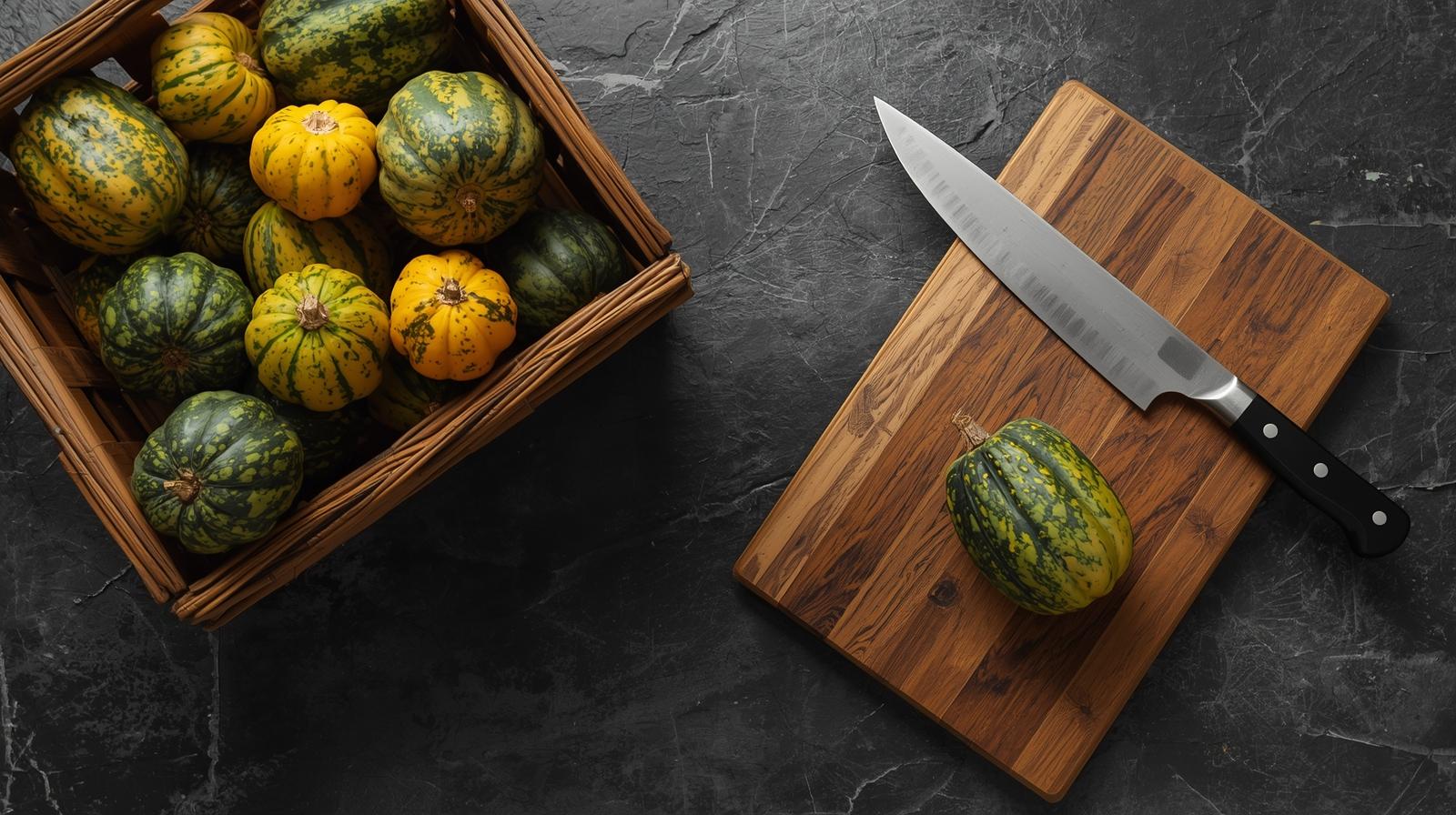
As I learn more about gardening, preserving food, and living more frugally in general, I’ve been pushing myself to try things I’ve honestly overlooked for years. When I spotted acorn squash on sale at H-E-B and heard how easy they are to grow, it felt like the perfect excuse to finally give them a shot. Cheap, versatile, and garden-friendly? That’s my kind of experiment.
What Is Acorn Squash?
Acorn squash is a winter squash with dark green skin, deep ridges, and sweet yellow-orange flesh. Despite the name, it doesn’t taste nutty. Instead, it has a mild, slightly sweet flavor that works well in both savory and sweet dishes.
It’s affordable, filling, and easy to store, which makes it a great option if you’re trying to stretch your grocery budget or rely less on processed foods.
Why Acorn Squash Makes Sense for Frugal Living
This is one of those foods that quietly checks all the boxes.
Acorn squash is usually inexpensive, especially in fall and winter. One squash can feed two to four people depending on how it’s prepared. It stores well for weeks, sometimes months, without any special equipment. Even better, it’s packed with fiber, potassium, and vitamins A and C, so it pulls its weight nutritionally.
When you’re learning to be more intentional with food choices, this kind of versatility really matters.
Growing Acorn Squash at Home
If you’re considering growing your own food, acorn squash is often recommended for beginners.
It grows on vines, so it does need space. A single plant can spread several feet, but it produces generously. It prefers full sun and well-drained soil and does best when planted after the danger of frost has passed.
From planting to harvest, you’re looking at about 80 to 100 days. You’ll know it’s ready when the skin turns dark green, feels hard, and resists puncture from a fingernail.
Even if you’re new to gardening, this is a low-maintenance crop that rewards you for your effort.
How to Store and Preserve Acorn Squash
Whole acorn squash can be stored in a cool, dry place for several weeks. A pantry or storage closet works just fine.
Once cut, keep it in the refrigerator and use it within a few days. Cooked acorn squash freezes well too. You can mash it, cube it, or roast it first, then freeze portions for future meals. That’s a big win if you’re trying to cut down on waste and avoid last-minute grocery runs.
Related: Planning a More Self-Sufficient Life Through Gardening and Canning
Easy Ways to Cook Acorn Squash
One reason I’m enjoying experimenting with acorn squash is how simple it is to prepare.
Roasting is the most common method. Just slice it in half, scoop out the seeds, brush with oil, season, and roast until tender. The natural sweetness really comes through.
You can also microwave it for a quicker option, steam it, or even slice it into wedges for roasting like potatoes.
Simple Acorn Squash Recipe Ideas
Here are a few beginner-friendly ideas that don’t require fancy ingredients:
Classic Roasted Acorn Squash
Halve the squash, drizzle with oil, season with salt and pepper, and roast until fork-tender.
Savory Stuffed Squash
Fill roasted halves with ground meat, rice, beans, or leftover veggies. It’s a great clean-out-the-fridge meal.
Sweet Cinnamon Squash
Roast with a little butter, cinnamon, and brown sugar for a simple side dish.
Mashed Acorn Squash
Mash cooked squash with butter and seasoning as a budget-friendly alternative to mashed potatoes.
Health Benefits of Acorn Squash
Acorn squash also brings solid health benefits to the table, which makes it even more appealing when you’re trying to eat better without spending more. It’s high in fiber, which supports digestion and helps you feel full longer, making meals more satisfying. Acorn squash is also a good source of potassium for heart health, along with vitamins A and C that support immune function and overall wellness. For a budget-friendly food, it delivers real nutritional value without requiring specialty ingredients or complicated preparation.
Is Acorn Squash Worth It?
For someone learning more about frugal living, gardening, and food preservation, acorn squash feels like a smart place to start. It’s affordable, easy to grow, easy to store, and forgiving in the kitchen.
Trying new foods like this has been a reminder that frugal living isn’t about deprivation. It’s about learning how to use what’s available, stretching what you buy, and building skills that actually make life easier in the long run.
If you’ve been eyeing those acorn squash at your grocery store or Farmers Market and wondering if they’re worth it, I’d say yes. Sometimes the simplest foods turn out to be the most useful ones.
Related: Meal Prep for Mortals: Easy Freezer Meals for Busy Weeks
Lisa Crow contributed to this article. She is a true crime junkie and lifestyle blogger based in Waco, Texas. Lisa is the Head of Content at Gigi’s Ramblings and Southern Bred True Crime Junkie. She spends her free time traveling when she can and making memories with her large family which consists of six children and fifteen grandchildren.