thanksgiving crime scene

Thanksgiving is meant to be a time for gratitude, family, and good food—but for some, it’s a day that turned dark and unforgettable. Over the years, several shocking crimes have unfolded on this holiday, proving that even the most peaceful traditions can take a deadly turn. Let’s look at a few Thanksgiving tragedies that shook their communities to the core.

The Thanksgiving Day Massacre – Jupiter, Florida (2009)

What was supposed to be a joyful family dinner turned into a horrific scene when 35-year-old Paul Michael Merhige opened fire on his own relatives during Thanksgiving dinner. He killed four family members, including his 6-year-old cousin Makayla. Merhige had reportedly harbored long-standing resentment toward his family, and the attack was carefully planned. He fled the scene and was captured weeks later after being featured on America’s Most Wanted.

The Thanksgiving Slasher – New York City (2016)

On Thanksgiving Day 2016, police were called to a Manhattan apartment where 23-year-old Halima Aden was found stabbed to death. Her boyfriend, Rasheem Brown, was later arrested and charged with her murder. Investigators revealed that an argument over dinner preparations escalated into violence. The case served as a grim reminder that domestic disputes can turn deadly—even on a day meant for love and togetherness.

The Hidden Horror of the Bradford Family (Texas, 2012)

In 2012, in rural Texas, police discovered the bodies of 48-year-old Timothy Bradford and his wife, Debra, after neighbors grew concerned when they didn’t show up for Thanksgiving dinner. Their son, 22-year-old William Bradford, later confessed to killing both parents the night before. He calmly joined friends for a Thanksgiving meal the next day as though nothing had happened. When police confronted him days later, he admitted to the murders without remorse.

The Turkey Day Tragedy – Sacramento, California (2013)

Thanksgiving morning in 2013, neighbors heard gunfire coming from a quiet home in Sacramento. When officers arrived, they found a family of four dead inside. Investigators learned that 28-year-old Andres Avila shot his wife and two children before turning the gun on himself. Family members said the couple had been struggling financially and emotionally. The case became known locally as the “Turkey Day Tragedy.”

The Murder of Heather Bogle – Ohio (2015)

While Heather’s murder wasn’t discovered until days later, investigators believe she was killed over Thanksgiving weekend. The 28-year-old mother was last seen leaving work the day after the holiday. Her body was found beaten and shot, stuffed inside the trunk of her car. The case took several years to solve, with multiple false arrests along the way. Eventually, Daniel Myers, her former coworker, was convicted. The case exposed corruption and incompetence within local law enforcement and sparked community outrage.

Thanksgiving Gone Wrong – Maine (2018)

In 2018, 47-year-old Patrick McCabe was arrested after stabbing his brother during a Thanksgiving dinner in Maine. The fight reportedly started over politics and quickly escalated. The brother survived, but the story went viral as a symbol of how volatile family gatherings can become when tempers flare.

A Day for Family—and for Murder

These stories remind us that beneath the warmth of the holiday season, tensions, secrets, and resentment can sometimes boil over. Thanksgiving may be about gratitude, but for the families of these victims, the day will forever be marked by loss.

Lisa Crow contributed to this article. She is a true crime junkie and lifestyle blogger based in Waco, Texas. Lisa is the Head of Content at Gigi’s Ramblings and Southern Bred True Crime Junkie. She spends her free time traveling when she can and making memories with her large family which consists of six children and fifteen grandchildren.
thanksgiving festivities

Thanksgiving has always been one of my favorite times of the year. It’s more than just turkey and pie — it’s the memories, the music, the little traditions that make it special year after year. Some things might change, but there are a few Thanksgiving rituals I’ll never let go of.

Staying Up All Night Cooking

There’s something comforting about the quiet hours before Thanksgiving morning — the kitchen warm, music playing softly, and the smell of everything coming together. I stay up all night cooking the turkey, prepping the dressing, and making my sausage balls along with all the other goodies. It’s exhausting, sure, but it’s also the heart of the holiday for me. And yes, my cranberry sauce will always come straight out of the can — one big, wobbly blob with the lines still showing. That’s non-negotiable.

Music, Memories, and Late-Night Reflections

While the oven hums and the house fills with the smell of home cooking, I love to listen to music and think back on Thanksgivings gone by. It’s usually a mix of laughter and a little nostalgia — remembering my mama in her apron, the kids underfoot, and the beautiful chaos that always came with family gatherings.

Parade Morning Magic

No matter how late I’ve stayed up the night before, I’m up early on Thanksgiving morning. Watching the parades has always been part of the day — it just wouldn’t feel right without it. I used to spread the newspaper out across the table, flipping through all the Black Friday ads while the floats went by. These days, with no local paper, I scroll through my phone instead. It’s not quite the same, but it still brings back that familiar excitement.

Black Friday Memories

Back in the day, I’d be up before dawn, coffee in hand, ready to hit the stores with a plan and a mission. Elbow-to-elbow with other shoppers, hunting down those doorbusters — that was half the fun. Now, I do about 95% of my shopping online. It’s calmer, easier, and honestly, I don’t miss the crowds one bit. But I still smile thinking about those early mornings and how wild it all used to be.

Putting Up the Christmas Trees

My absolute favorite tradition comes right after Thanksgiving dinner — putting up my trees. I know a lot of folks start early these days, but I love my fall and Thanksgiving décor too much to rush through it. That was my mama’s tradition, and I hold it close to my heart. My main tree is always a live one, so putting it up before Thanksgiving isn’t really an option if I want it to last through New Year’s. There’s just something special about making the switch from pumpkins to twinkle lights when the leftovers are packed away and the house smells like pie.

Football and Charlie Brown

You can bet there’s always football on the TV, especially when the Dallas Cowboys play — that’s just part of being a Texan on Thanksgiving Day. And sometime during the week before, I always make sure to watch A Charlie Brown Thanksgiving when it airs. It’s a small, sweet reminder of the simpler holidays when I was growing up.

Thanksgiving may look a little different these days — fewer ads to flip through and more shopping done online — but the spirit of it all stays the same. Family, food, laughter, and those timeless little traditions are what make the day so special. And those? I’ll always hold on to.

Lisa Crow contributed to this article. She is a true crime junkie and lifestyle blogger based in Waco, Texas. Lisa is the Head of Content at Gigi’s Ramblings and Southern Bred True Crime Junkie. She spends her free time traveling when she can and making memories with her large family which consists of six children and fifteen grandchildren.

dia de los muertos celebration

Every November 1st and 2nd, families across Mexico and beyond come together to celebrate Día de Muertos — the Day of the Dead. It’s not a day of mourning but of remembrance, a time when the veil between the living and the departed grows thin, and love bridges the gap.

Ever since I was able to spend a significant amount of time in Mexico City, I’ve admired this beautiful tradition. The colors, the music, the marigolds — everything about it is meant to honor life, not death. The belief is simple yet powerful: our loved ones never truly leave us as long as we keep their memory alive.

The Meaning Behind the Altars

At the heart of every Día de Muertos celebration is the ofrenda, an altar built to welcome the spirits home. Each piece of the altar has a meaning — candles to light the way, water to quench thirst after a long journey, and favorite foods or trinkets to remind the spirit of home. The marigolds, or cempasúchil, with their bright orange petals and sweet scent, are said to guide souls back to the land of the living.

For many, the ofrenda isn’t just decoration — it’s a love letter to those who came before us. It’s a space where grief turns into gratitude, and remembrance turns into celebration.

A Celebration of Connection

I’ve always believed that love doesn’t fade when someone passes — it just changes form. Día de Muertos captures that so beautifully. Families gather around gravesites, share stories, eat together, and laugh at old memories. It’s not somber — it’s lively, colorful, and deeply emotional.

The sugar skulls, or calaveras, are playful reminders that death is a part of life, not something to fear. The pan de muerto — that sweet, soft bread often shaped with bones — symbolizes the cycle of life itself. It’s a blend of sweetness and symbolism, much like the holiday itself.

Bringing the Spirit Home

Even if you’re not in Mexico, there’s something to learn from this tradition. Setting up a small ofrenda at home, lighting a candle, or cooking your loved one’s favorite meal can be a meaningful way to honor them. It’s not about getting everything “right” — it’s about connection, love, and remembrance.

For me, I find comfort in thinking that maybe, just maybe, our loved ones stop by when we speak their names or share their stories. Maybe the warmth we feel isn’t just memory — it’s them.

Hello November post

Every November feels like a blur, doesn’t it? Between family gatherings, travel plans, and holiday prep, it’s easy for blogging to take a back seat. But if there’s one thing I’ve learned over the years, it’s that consistency—especially during the busy months—makes all the difference. Whether you’re a full-time blogger or just writing when you can, this time of year can test your discipline, creativity, and focus.

Balancing Holiday Hustle with Blog Goals

The holidays can easily swallow your schedule whole. Suddenly, days are filled with cooking, decorating, and running errands, and before you know it, your blog sits untouched for weeks. That’s why I’m setting a simple goal this November: stay consistent without burning out.

Instead of trying to publish something every few days, I’m focusing on quality over quantity. That might mean batching content early in the month, scheduling posts in advance, or jotting down quick ideas to turn into full articles later. The goal isn’t perfection—it’s progress.

Planning Ahead Makes All the Difference

Planning ahead might sound tedious, but it’s a game-changer when life gets chaotic. A quick brainstorming session can keep your content calendar full without last-minute panic. For me, that means sitting down with a notebook and writing out post ideas for the month—holiday-related topics, year-end reflections, and a few evergreen pieces that’ll still be relevant come January.

If you know you’ve got a busy week coming, get your drafts ready early. Schedule them, set reminders, and don’t be afraid to repurpose older posts with a fresh spin. Readers love a good throwback with updated tips or insights.

Giving Yourself Grace

The truth is, no one’s perfect—and some weeks, things will slip through the cracks. The key is not to give up completely. If you miss a post, jump right back in the next week. What matters most is the commitment to show up again and again, even when life gets noisy.

And remember: the holidays are about connection. If you’re struggling to write long-form posts, try shorter updates, quick reflections, or photo-based content. Your audience will appreciate the authenticity far more than a forced article written at midnight.

Looking Ahead

As I move through November, I’m keeping my goals simple: stay present, stay grateful, and keep creating. The consistency I build now will carry me into the new year feeling confident instead of overwhelmed.

So, if you’re reading this and feeling the same holiday crunch, know you’re not alone. Slow and steady still counts. Every word written, every post published—it all adds up. Let’s finish this year strong, one post at a time.

Lisa Crow contributed to this article. She is a true crime junkie and lifestyle blogger based in Waco, Texas. Lisa is the Head of Content at Gigi’s Ramblings and Southern Bred True Crime Junkie. She spends her free time traveling when she can and making memories with her large family which consists of six children and fifteen grandchildren.
Bobbing for apples

Few fall traditions feel as classic as bobbing for apples — that splash of laughter, chilly water, and shiny red fruit floating in a wooden tub. But beneath this wholesome game lies a strange mix of romance, fortune-telling, and superstition that goes back centuries.

From Ancient Harvest Rituals

The roots of bobbing for apples reach all the way back to ancient Celtic and Roman traditions. When the Romans conquered Britain, they brought with them a harvest festival honoring Pomona, the goddess of fruit and trees. Her symbol was — you guessed it — the apple.

Over time, Celtic Samhain celebrations (the holiday that inspired Halloween) mixed with Pomona’s harvest customs. Apples became symbols of fertility, love, and life after death. It wasn’t long before people started using them in games and fortune-telling rituals.

The Love Game

In the 17th and 18th centuries, bobbing for apples wasn’t just a kids’ activity. It was a romantic divination game for young adults. Each apple in the tub represented a potential suitor. If a girl could bite into one on her first try, it meant she’d marry that person. A second or third attempt predicted a rockier road to love. It was lighthearted fun, but many people believed the results revealed their romantic fate.

From Parlor Game to Halloween Classic

As time passed, apple bobbing lost its romantic meaning and became a common party game, especially during fall harvest celebrations in the U.S. By the early 1900s, it was a Halloween staple — a simple, safe way to bring friends and families together for some messy fun.

A Splash of Spookiness

Even though it’s playful today, bobbing for apples still carries a hint of mystery. Apples have long been tied to the supernatural — from the forbidden fruit in the Garden of Eden to the idea that slicing one open on Halloween night could reveal your future lover’s initials. The water, too, symbolizes the barrier between the living and the spirit world in old folklore. So that innocent tub of apples? It’s got centuries of magic and myth swirling around in it.

Why We Still Love It

In an era of haunted houses and high-tech scares, there’s something charming about a game so simple and traditional. Bobbing for apples connects us to old harvest festivals, early Halloween traditions, and that shared excitement of fall gatherings.

So next time you see a tub of apples at a festival or fall fair, remember — you’re taking part in a tradition that’s been around for over two thousand years. And maybe, just maybe, there’s still a little magic floating in that water.

Lisa Crow contributed to this article. She is a true crime junkie and lifestyle blogger based in Waco, Texas. Lisa is the Head of Content at Gigi’s Ramblings and Southern Bred True Crime Junkie. She spends her free time traveling when she can and making memories with her large family which consists of six children and fifteen grandchildren.
dark Halloween night

Every year, as Halloween night creeps closer, strange stories seem to rise from the shadows. Tales of poisoned candy, haunted houses, and mysterious figures stalking the streets make their rounds — even in our digital age. But why does Halloween attract so many urban legends? The answer lies in our history, our fears, and the powerful mix of imagination and tradition that define this spooky season.

A Holiday Rooted in Fear and Mystery

Halloween’s roots stretch back to the ancient Celtic festival of Samhain — a night when it was believed the veil between the living and the dead was thinnest. People feared wandering spirits and wore disguises to hide from them. Over time, these old superstitions evolved, but that eerie atmosphere stuck around. The holiday itself invites stories about what might be lurking just beyond the candlelight.

The Power of Storytelling

Humans have always loved to tell scary stories. They’re thrilling, easy to remember, and even serve as lessons or warnings. Halloween, being a celebration of the macabre, practically begs for storytelling. Around this time of year, tales spread faster than any ghost — from campfire whispers to viral posts online.

Urban legends like razor blades in candy or the “killer in the backseat” work so well because they blend everyday life with fear. They feel close enough to be real, which makes them irresistible to repeat.

Media and the Fear Factor

Movies, TV shows, and news headlines all feed the legend machine. Each October, local reports of “tainted candy” or “strange sightings” pop up, even when there’s no proof. Horror films released during Halloween season also keep those fears alive — transforming rumors into cultural icons. Freddy Krueger, Michael Myers, and Bloody Mary all trace their fame to the same human urge to fear what we can’t control.

A Safe Scare

Part of Halloween’s magic is that it lets people flirt with fear in a safe way. Urban legends fit right in — they give us chills without real danger. Believing (just a little) in these tales adds excitement to the season. It’s a shared experience: we laugh, we get spooked, and we keep the stories alive for the next generation.

The Legends Live On

As long as Halloween exists, urban legends will too. Each year brings new versions — digital-age horror stories about hacked phones, cursed videos, or haunted apps. The details may change, but the reason stays the same: Halloween feeds on mystery, and we love to be scared together.

Lisa Crow contributed to this article. She is a true crime junkie and lifestyle blogger based in Waco, Texas. Lisa is the Head of Content at Gigi’s Ramblings and Southern Bred True Crime Junkie. She spends her free time traveling when she can and making memories with her large family which consists of six children and fifteen grandchildren.

corn maze at fall festival

Every fall, the rustle of dry stalks fills the air, and families wander into golden fields that seem alive with secrets. Corn mazes may look like a simple autumn attraction, but their roots reach deep—into ancient myth, ritual, and the timeless rhythm of harvest and renewal.

From Ancient Labyrinths to Cornfields

Long before farmers carved paths through their crops, ancient people were already walking sacred labyrinths. The famous Labyrinth of Crete told the story of courage and transformation—a hero’s journey through twists of shadow and light. Later, in medieval Europe, church labyrinths symbolized the soul’s path toward enlightenment.

When corn became the heart of the American harvest, it didn’t take long for that old idea to take root in new soil. The first modern corn maze appeared in Pennsylvania in 1993, crafted by Don Frantz and Adrian Fisher. It was meant to celebrate the season’s abundance—and it did, sparking a fall tradition that spread like wildfire across the countryside.

The Symbolism Behind the Maze

Mazes have always represented journeys, both physical and spiritual. Step into a corn maze, and you step into something older than you might think.

🌾 A Journey of Life: Every twist and turn mirrors the choices we make and the patience it takes to find our way.
🌽 Abundance and Gratitude: Corn, sacred in many Native traditions, symbolizes nourishment, renewal, and the bond between people and the earth.
🌙 Mystery and Transformation: The maze invites us to lose ourselves—just enough—to emerge changed on the other side.

In a way, walking through a corn maze is a quiet act of faith. You trust there’s an exit, even when you can’t see it. You keep going, guided by instinct, laughter, or maybe a little moonlight.

Modern Mazes: Art, Harvest & Heart

Today’s corn mazes are more than a weekend attraction. They’re living art—crafted with GPS precision but rooted in old-fashioned joy. Each design tells a story, whether it’s a local legend, a spooky scene, or a tribute to farm life.

These mazes bring people together in the most down-to-earth way: under open skies, surrounded by the scent of hay, and reminded that harvest isn’t just about crops—it’s about community, creativity, and connection.

Getting Lost to Find Yourself

Every autumn, when you wander between the whispering rows, remember that you’re walking an ancient path in modern boots. Corn mazes remind us that getting lost can be part of finding what matters most.

So take your time. Breathe in that cool, sweet air. And if you listen closely, you might just hear the old stories rustling in the stalks. 🌾✨

Lisa Crow contributed to this article. She is a true crime junkie and lifestyle blogger based in Waco, Texas. Lisa is the Head of Content at Gigi’s Ramblings and Southern Bred True Crime Junkie. She spends her free time traveling when she can and making memories with her large family which consists of six children and fifteen grandchildren.

candy apple on a platter with a razor blade

Every Halloween, parents warn their kids to check their candy before eating it. The legend of razor blades hidden in treats has become one of the most widespread fears of the season. But where did this chilling rumor come from—and is there any truth to it?

How the Razor Blade Scare Began

The panic dates back to the 1960s and 1970s, when stories began circulating in newspapers about people finding sharp objects in Halloween candy. One of the earliest reports appeared in 1968, warning parents to inspect treats for hidden dangers. Soon, the story of “razor blades in apples” spread like wildfire through neighborhoods across America.

The idea of a stranger intentionally harming children played into real fears of the time. Urban life was changing, and people no longer knew their neighbors as well as before. Halloween, with its door-to-door nature, became the perfect setting for those anxieties to surface.

What the Evidence Really Shows

Despite decades of worry, there’s very little proof that anyone has actually been injured by tampered Halloween candy. Sociologists like Joel Best, who studied every reported case since the 1950s, found almost no verified incidents of strangers intentionally inserting razors or needles into candy to harm children. Most cases were either pranks, misunderstandings, or even hoaxes created by kids or parents seeking attention.

In rare instances where sharp objects were found, they were typically traced back to people the victims already knew—not random strangers. Yet the fear persisted, reinforced by sensational news coverage and word-of-mouth.

Related: The Origins of Trick-or-Treating (It’s Older Than You Think)

Why the Urban Legend Won’t Die

The story of razor blades in candy taps into a powerful cultural fear: the danger of the unknown. It reminds us how easily fear can spread when it involves children and something as innocent as candy. Over time, this myth has become part of the Halloween tradition itself, passed down like ghost stories around a campfire.

Even today, police departments often issue warnings each October to inspect candy “just in case.” And while modern trick-or-treaters are safer than ever, the myth continues to live on in our collective imagination.

The Takeaway for Parents

While the razor blade scare may not be based on real threats, it’s still smart to keep safety in mind. Stick to sealed, store-bought treats, inspect anything that looks suspicious, and remind kids not to eat anything until they get home. Most of all, remember that Halloween is meant to be fun—not frightening.

Lisa Crow contributed to this article. She is a true crime junkie and lifestyle blogger based in Waco, Texas. Lisa is the Head of Content at Gigi’s Ramblings and Southern Bred True Crime Junkie. She spends her free time traveling when she can and making memories with her large family which consists of six children and fifteen grandchildren.
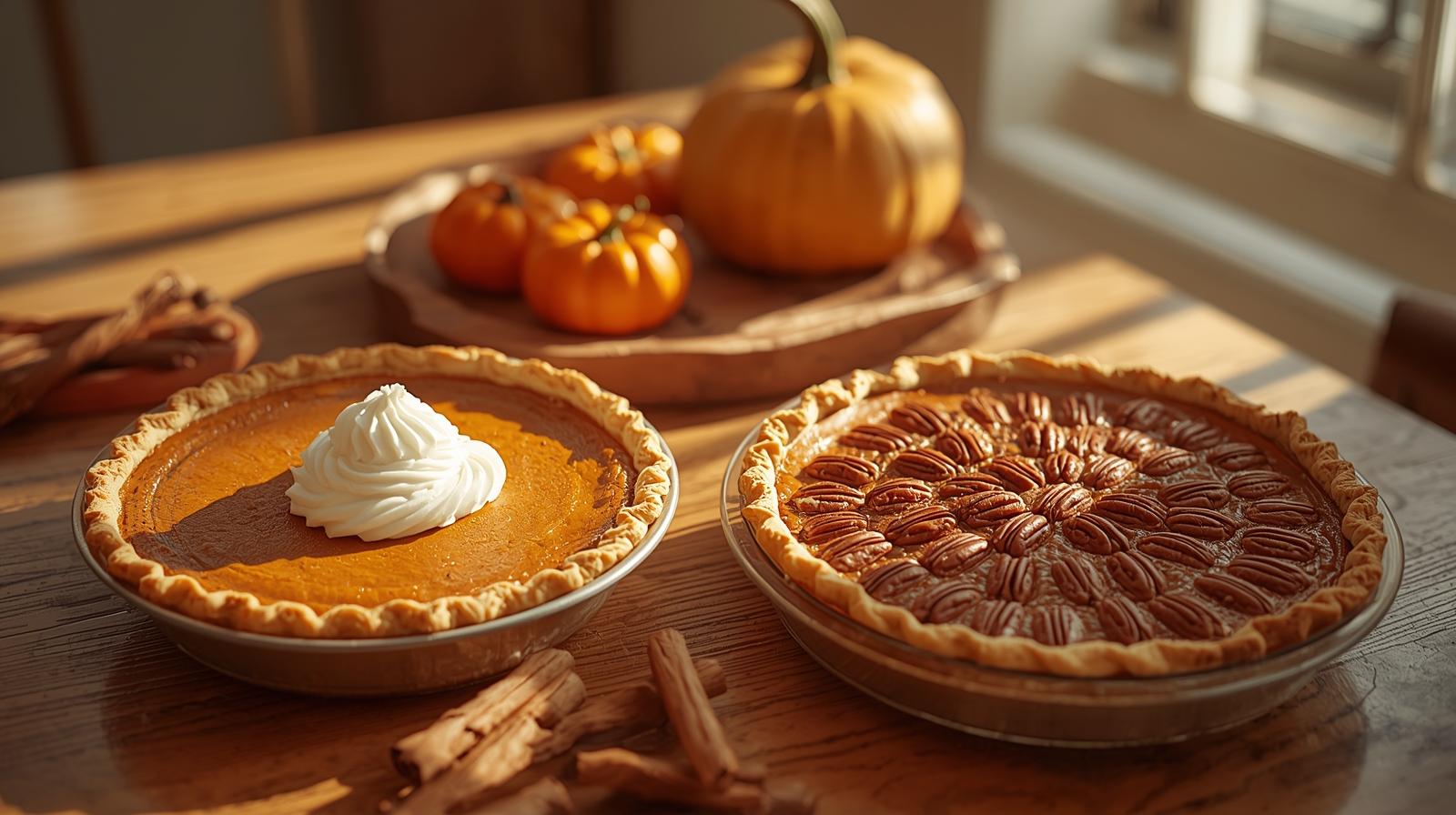
pumpkin pie, latte, spice and pumpkins

When the first crisp breeze of autumn rolls in, one thing dominates every store shelf, coffee shop, and social feed — pumpkins. From lattes to candles to front porch décor, it’s clear the pumpkin has become the unofficial mascot of fall. But how did this orange squash steal the season from apples — the original fall favorite?

A Slice of Autumn History

Before the pumpkin craze, apples reigned supreme. Apple orchards, cider presses, and pie-baking traditions defined the harvest season for generations. But while apples had a long history, pumpkins had something more powerful waiting in the wings: iconic American symbolism.

Pumpkins have deep roots in Native American agriculture, used for food, storage, and even decoration. When early colonists arrived, they quickly adopted the pumpkin for its versatility — it could be roasted, mashed, or baked into pies that graced early Thanksgiving tables. By the 1800s, the pumpkin wasn’t just food — it was a symbol of the American harvest spirit.

The Power of Pumpkin Pie and Nostalgia

No fall food has more emotional pull than pumpkin pie. It’s tied to Thanksgiving — a holiday built on gratitude, family, and tradition. Over time, that connection anchored pumpkins as the flavor of nostalgia.

When brands realized how powerful that emotional tie was, they bottled it up — literally. From pumpkin spice candles to the now-famous Pumpkin Spice Latte, it became more than a flavor — it was a feeling.

Pumpkin spice screams cozy sweaters, bonfires, and falling leaves. Apples? They just couldn’t compete with that level of seasonal mood.

Marketing Magic and the Pumpkin Takeover

The real turning point came in the early 2000s when Starbucks launched the Pumpkin Spice Latte (PSL). What started as a seasonal drink quickly became a cultural phenomenon, sparking an avalanche of pumpkin-flavored everything: muffins, cereal, beer, body lotion — you name it.

Once social media picked it up, pumpkins became the visual symbol of fall. Their warm orange color photographed beautifully, fitting perfectly into the autumn aesthetic. Before long, brands and influencers alike pushed pumpkins front and center while apples faded quietly into the background.

The Apple’s Quiet Comeback

Apples still have their loyal fans — think fresh cider, caramel apples, and orchard trips — but their image leans more rustic than trendy. Pumpkins, meanwhile, represent modern fall culture — cozy yet chic, nostalgic yet marketable.

Still, there’s a subtle shift happening. More people are revisiting apple picking and heritage cider-making, bringing apples back into the fall spotlight, even if pumpkins still dominate the stage.

Why Pumpkins Will Always Win Fall

At the end of the day, pumpkins won because they’re versatile, symbolic, and emotional. They tie together harvest tradition, American history, and sensory nostalgia — all wrapped up in one perfectly Instagrammable package.

So next time you sip that pumpkin spice latte or light your favorite pumpkin candle, remember — you’re not just celebrating a trend. You’re part of a story that’s been centuries in the making.

Lisa Crow contributed to this article. She is a true crime junkie and lifestyle blogger based in Waco, Texas. Lisa is the Head of Content at Gigi’s Ramblings and Southern Bred True Crime Junkie. She spends her free time traveling when she can and making memories with her large family which consists of six children and fifteen grandchildren.
kids in halloween costumes

Every Halloween, kids put on costumes, grab their candy buckets, and hit the streets chanting “trick or treat!” But believe it or not, this spooky little ritual goes way further back than most people think. Long before candy corn and superhero costumes, there were ancient festivals, medieval prayers, and a few mischievous traditions that helped shape what we know today.

From Celtic Samhain to Halloween Night

Over 2,000 years ago, the Celtic people celebrated Samhain, marking the end of harvest and the start of winter. They believed that on this night, the boundary between the living and the dead grew thin, allowing spirits to cross over. To keep ghosts happy—or to blend in with them—people lit bonfires, wore disguises, and left out food offerings.

Sound familiar? Those early Samhain customs set the stage for what eventually became Halloween.

“Souling” and “Guising” in the Middle Ages

When Christianity spread through Europe, the pagan Samhain merged with All Saints’ Day and All Souls’ Day. That’s when a new custom called souling began. The poor would go door-to-door asking for soul cakes in exchange for prayers for the dead.

Meanwhile, in Ireland and Scotland, children and young folks practiced guising—dressing in costumes, singing songs, or performing little tricks in exchange for treats like fruit, coins, or nuts. Guising was playful, a little spooky, and the direct ancestor of modern trick-or-treating.

Immigrants Bring It to America

Irish and Scottish immigrants carried these Halloween traditions to the United States in the 1800s. But it wasn’t until the early 1900s that “trick-or-treating” as we know it started showing up—first in Canada, then spreading across the U.S.

By the 1930s, kids were roaming neighborhoods asking for treats while threatening harmless pranks if they didn’t get any. The phrase “trick or treat” became common, and after World War II, when sugar rationing ended, the candy companies jumped on board and turned it into a national tradition.

The Modern Halloween Tradition

Today, trick-or-treating is a staple of American Halloween. Kids (and plenty of adults) still dress up, knock on doors, and fill their bags with candy. The old superstitions may have faded, but the heart of the ritual remains the same: a mix of fun, community, and just a hint of mischief.

From ancient Celtic fields to suburban front porches, trick-or-treating has traveled centuries and continents to become one of the most beloved parts of Halloween night.

Lisa Crow contributed to this article. She is a true crime junkie and lifestyle blogger based in Waco, Texas. Lisa is the Head of Content at Gigi’s Ramblings and Southern Bred True Crime Junkie. She spends her free time traveling when she can and making memories with her large family which consists of six children and fifteen grandchildren.