Planning your garden

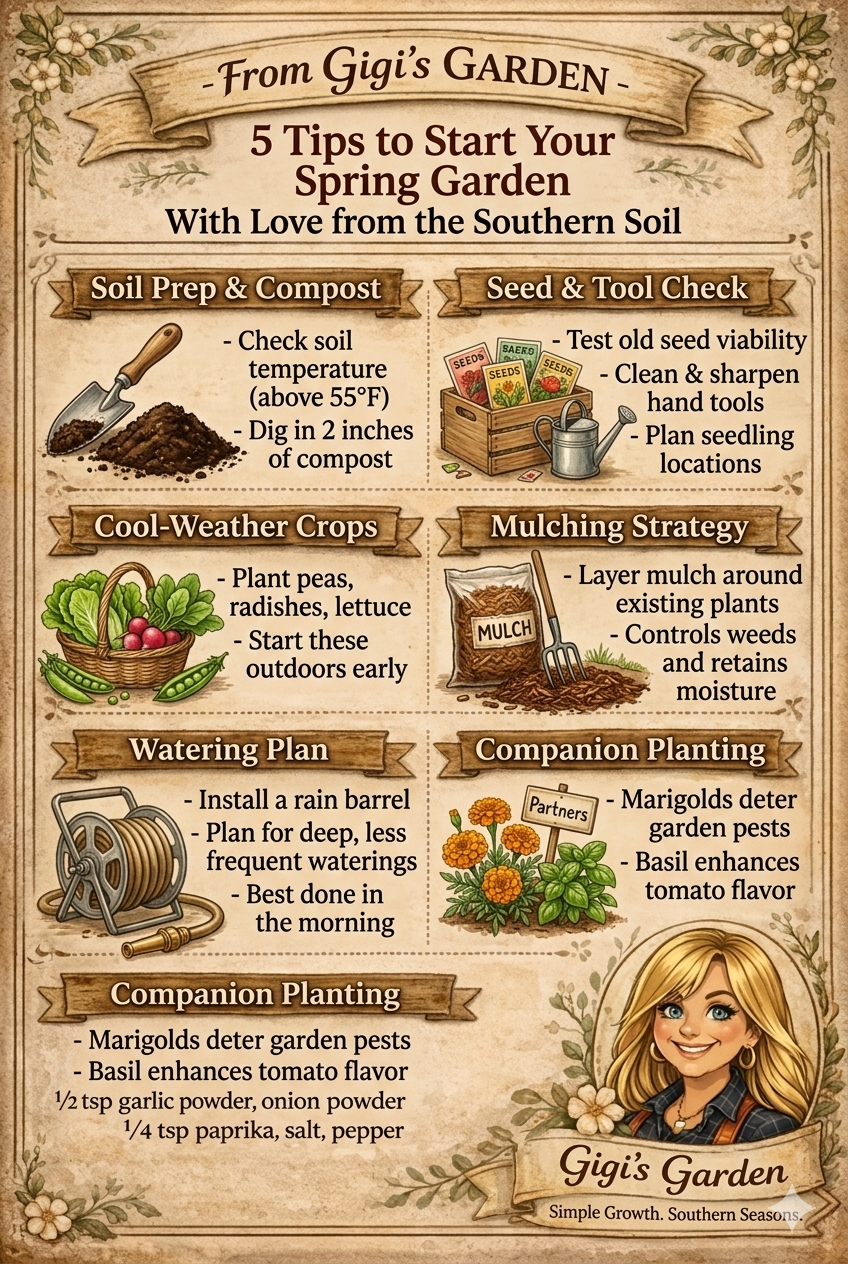
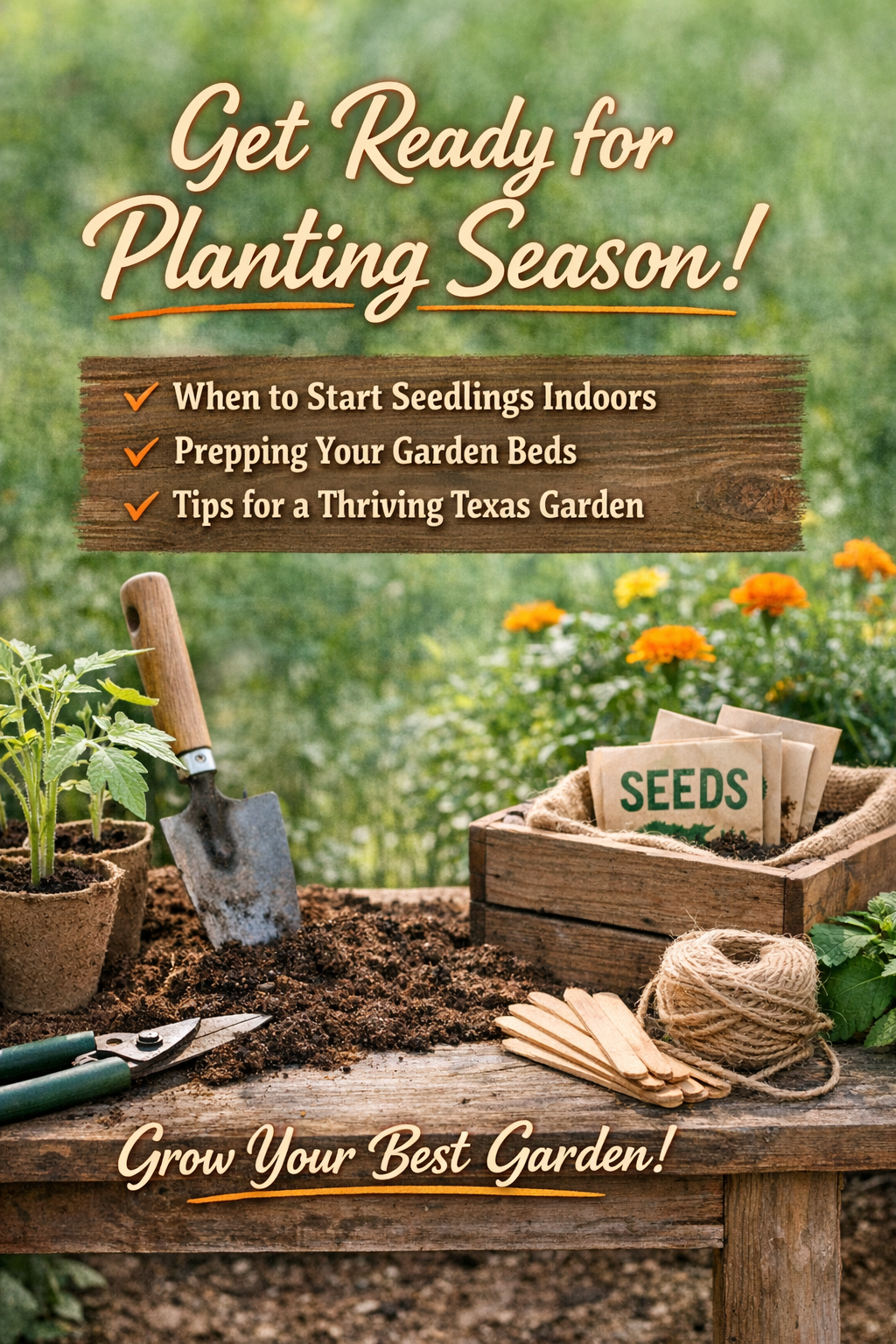
Getting a jump on gardening season starts long before you ever stick a shovel in the dirt. The secret to a lush, productive garden is timing and preparation. When you know when to start your seedlings indoors and how to prep your garden beds ahead of planting time, you set yourself up for fewer problems and better harvests.

Whether you are growing tomatoes, peppers, herbs, or flowers, a little planning now saves you a whole lot of frustration later.

Why Starting Seeds Indoors Matters

Starting seeds indoors gives your plants a head start. Instead of waiting on unpredictable spring weather, you get strong seedlings ready to go the moment the soil warms up.

Indoor starting is especially helpful for slow-growing plants like tomatoes, peppers, eggplants, and many flowers. These plants need weeks to mature before they can handle outdoor conditions.

By the time your neighbors are just planting seeds, you are already putting healthy young plants into the ground.

Related: Planning a More Self-Sufficient Life Through Gardening and Canning

When to Start Your Seedlings Indoors

The timing depends on your last average frost date. Most seed packets list how many weeks before that frost date you should start indoors.

For most areas in Texas and the South, the average last frost falls between late February and mid March. That means most seedlings should be started between mid-January and early February.

Here is a simple guide for common garden plants:

  • Tomatoes, peppers, and eggplants: Start 6 to 8 weeks before last frost
  • Broccoli, cabbage, and cauliflower: Start 6 to 8 weeks before last frost
  • Herbs like basil and parsley: Start 6 to 10 weeks before last frost
  • Flowers like marigolds and zinnias: Start 4 to 6 weeks before last frost
  • Cucumbers, squash, and melons: Start 3 to 4 weeks before last frost or direct sow later

If you start too early, seedlings become leggy and weak. If you start too late, you lose valuable growing time.

How to Start Seeds Indoors the Right Way

  • Use clean containers with drainage holes. Seed starting trays, yogurt cups, and recycled containers all work as long as excess water can escape.
  • Use a light seed starting mix, not heavy garden soil. Regular soil holds too much moisture and can cause rot and fungus.
  • Plant seeds at the depth listed on the packet. Many small seeds just need to be pressed into the soil and lightly covered.
  • Water gently. Mist or bottom water to avoid washing seeds away.
  • Place seedlings in bright light. A sunny window is not always enough. Grow lights help prevent tall, skinny plants.
  • Keep soil warm. Most seeds like soil around 70 to 75 degrees to sprout.

Hardening Off Before Transplanting

Before seedlings go into the garden, they must be hardened off. This means slowly exposing them to outdoor conditions.

Start by placing them outside in the shade for one to two hours a day. Increase the time and sunlight over a week. This prevents shock and leaf burn.

Skipping this step is one of the fastest ways to kill healthy seedlings.

Related: DIY Gardening: Tips for Starting Your Spring Garden

How to Prep Your Garden Before Planting

Prepping your garden early makes planting season smoother and more productive.

Clean Out Old Debris

Remove dead plants, weeds, and leftover mulch. This gets rid of pests and disease that may have overwintered in your soil.

Test and Improve Your Soil

Healthy soil grows healthy plants. Add compost, aged manure, or organic matter to improve drainage and nutrients.

If your soil is heavy clay, add compost and coarse material to loosen it. If it is sandy, compost helps it hold moisture.

Loosen the Soil

Use a shovel, fork, or tiller to loosen soil at least 8 to 12 inches deep. This helps roots grow strong and deep.

Add Fertilizer

Before planting, mix in a balanced organic fertilizer or compost. This gives seedlings a nutrient boost right when they need it.

Plan Your Layout

Decide where each crop will go. Keep tall plants from shading shorter ones. Group plants with similar watering needs together.

This prevents overcrowding and helps avoid disease.

When Your Garden Is Ready for Planting

Your soil should be workable, not soggy. If you squeeze a handful and it stays in a wet clump, it is too wet. Wait a few days.

Once the danger of frost has passed and the soil is warm, it is time to transplant your seedlings.

Final Thoughts

Starting seeds indoors and prepping your garden ahead of time is the secret to a thriving growing season. It gives you stronger plants, earlier harvests, and fewer problems down the road.

A little work now means you get to enjoy watching your garden flourish instead of scrambling to catch up later.

Lisa Crow contributed to this article. She is a true crime junkie and lifestyle blogger based in Waco, Texas. Lisa is the Head of Content at Gigi’s Ramblings and Southern Bred True Crime Junkie. She spends her free time traveling when she can and making memories with her large family which consists of six children and fifteen grandchildren.

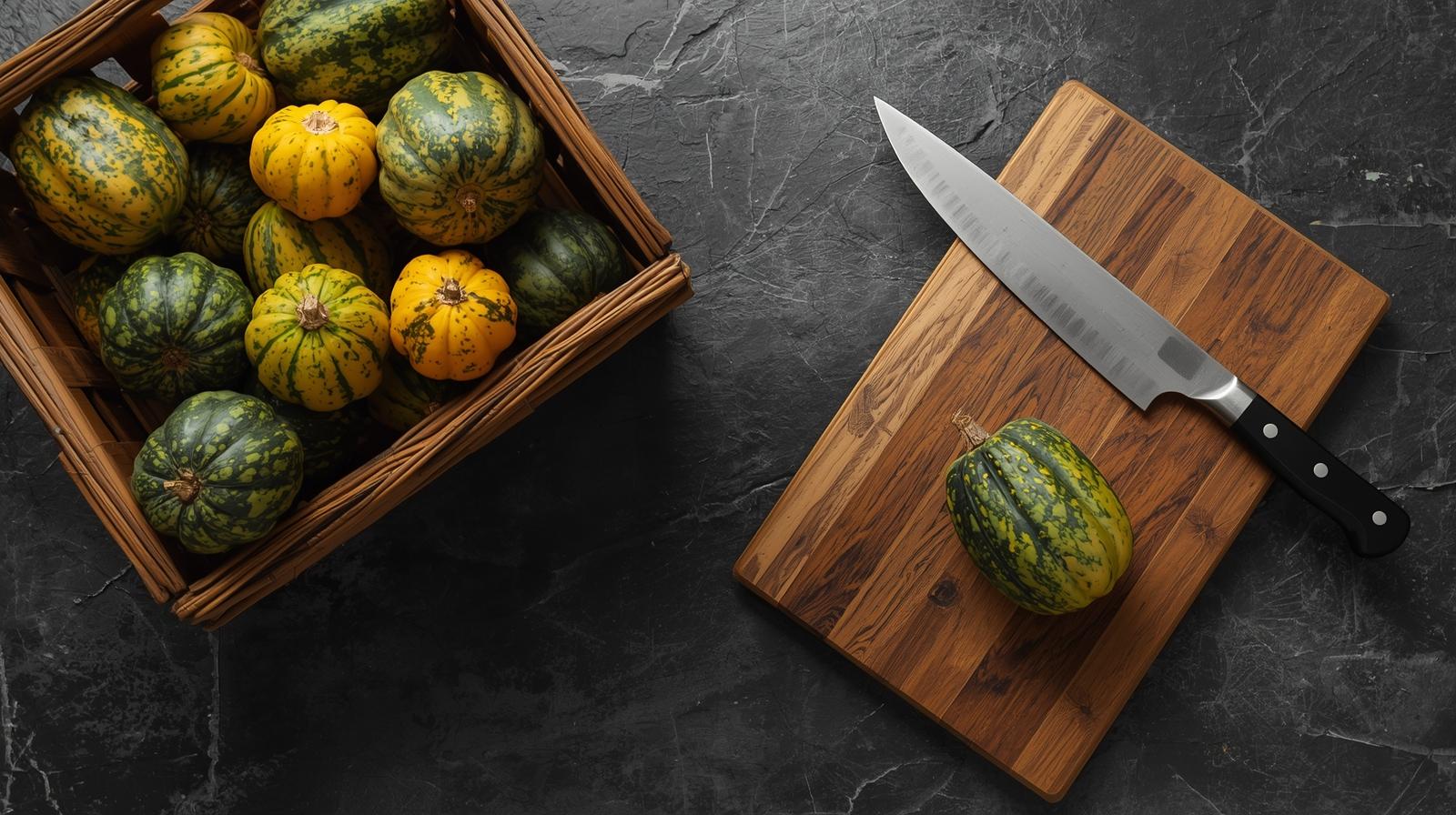
basket of acorn squash sitting on the counter

As I learn more about gardening, preserving food, and living more frugally in general, I’ve been pushing myself to try things I’ve honestly overlooked for years. When I spotted acorn squash on sale at H-E-B and heard how easy they are to grow, it felt like the perfect excuse to finally give them a shot. Cheap, versatile, and garden-friendly? That’s my kind of experiment.

What Is Acorn Squash?

Acorn squash is a winter squash with dark green skin, deep ridges, and sweet yellow-orange flesh. Despite the name, it doesn’t taste nutty. Instead, it has a mild, slightly sweet flavor that works well in both savory and sweet dishes.

It’s affordable, filling, and easy to store, which makes it a great option if you’re trying to stretch your grocery budget or rely less on processed foods.

Why Acorn Squash Makes Sense for Frugal Living

This is one of those foods that quietly checks all the boxes.

Acorn squash is usually inexpensive, especially in fall and winter. One squash can feed two to four people depending on how it’s prepared. It stores well for weeks, sometimes months, without any special equipment. Even better, it’s packed with fiber, potassium, and vitamins A and C, so it pulls its weight nutritionally.

When you’re learning to be more intentional with food choices, this kind of versatility really matters.

Growing Acorn Squash at Home

If you’re considering growing your own food, acorn squash is often recommended for beginners.

It grows on vines, so it does need space. A single plant can spread several feet, but it produces generously. It prefers full sun and well-drained soil and does best when planted after the danger of frost has passed.

From planting to harvest, you’re looking at about 80 to 100 days. You’ll know it’s ready when the skin turns dark green, feels hard, and resists puncture from a fingernail.

Even if you’re new to gardening, this is a low-maintenance crop that rewards you for your effort.

How to Store and Preserve Acorn Squash

Whole acorn squash can be stored in a cool, dry place for several weeks. A pantry or storage closet works just fine.

Once cut, keep it in the refrigerator and use it within a few days. Cooked acorn squash freezes well too. You can mash it, cube it, or roast it first, then freeze portions for future meals. That’s a big win if you’re trying to cut down on waste and avoid last-minute grocery runs.

Related: Planning a More Self-Sufficient Life Through Gardening and Canning

Easy Ways to Cook Acorn Squash

One reason I’m enjoying experimenting with acorn squash is how simple it is to prepare.

Roasting is the most common method. Just slice it in half, scoop out the seeds, brush with oil, season, and roast until tender. The natural sweetness really comes through.

You can also microwave it for a quicker option, steam it, or even slice it into wedges for roasting like potatoes.

Simple Acorn Squash Recipe Ideas

Here are a few beginner-friendly ideas that don’t require fancy ingredients:

Classic Roasted Acorn Squash
Halve the squash, drizzle with oil, season with salt and pepper, and roast until fork-tender.

Savory Stuffed Squash
Fill roasted halves with ground meat, rice, beans, or leftover veggies. It’s a great clean-out-the-fridge meal.

Sweet Cinnamon Squash
Roast with a little butter, cinnamon, and brown sugar for a simple side dish.

Mashed Acorn Squash
Mash cooked squash with butter and seasoning as a budget-friendly alternative to mashed potatoes.

Health Benefits of Acorn Squash

Acorn squash also brings solid health benefits to the table, which makes it even more appealing when you’re trying to eat better without spending more. It’s high in fiber, which supports digestion and helps you feel full longer, making meals more satisfying. Acorn squash is also a good source of potassium for heart health, along with vitamins A and C that support immune function and overall wellness. For a budget-friendly food, it delivers real nutritional value without requiring specialty ingredients or complicated preparation.

Is Acorn Squash Worth It?

For someone learning more about frugal living, gardening, and food preservation, acorn squash feels like a smart place to start. It’s affordable, easy to grow, easy to store, and forgiving in the kitchen.

Trying new foods like this has been a reminder that frugal living isn’t about deprivation. It’s about learning how to use what’s available, stretching what you buy, and building skills that actually make life easier in the long run.

If you’ve been eyeing those acorn squash at your grocery store or Farmers Market and wondering if they’re worth it, I’d say yes. Sometimes the simplest foods turn out to be the most useful ones.

Related: Meal Prep for Mortals: Easy Freezer Meals for Busy Weeks

Lisa Crow contributed to this article. She is a true crime junkie and lifestyle blogger based in Waco, Texas. Lisa is the Head of Content at Gigi’s Ramblings and Southern Bred True Crime Junkie. She spends her free time traveling when she can and making memories with her large family which consists of six children and fifteen grandchildren.