Bright, colorful Groundhog Day scene featuring a groundhog in the snow with a festive sign and sunny winter background.

Groundhog Day has become a quirky and beloved tradition each February 2, when folks across the U.S. and Canada look to a furry prognosticator to predict the rest of winter. This year, Punxsutawney Phil did see his shadow, signaling six more weeks of winter according to folklore.

Whether you’re a believer or just along for the fun, Groundhog Day is a moment to celebrate seasonal traditions and connect with friends and family.

The History of Groundhog Day

The origins of Groundhog Day go back hundreds of years to ancient European weather lore, where a badger or other animal was looked to for weather predictions. When German settlers came to Pennsylvania, they brought the tradition with them — and the groundhog became the star of the show. In Punxsutawney, Pennsylvania, the ceremonies have been carried out since the late 1800s, attracting crowds and media attention every February 2.

What It Means When Phil Sees His Shadow

According to tradition, if Punxsutawney Phil sees his shadow, he gets spooked by the sun and retreats back into his burrow — which means six more weeks of winter weather. This year, that’s exactly what happened. Snow lovers might cheer, while spring lovers might groan, but it’s all in good fun.

Related: Fun Ways to Celebrate Groundhog Day with Kids

Do I Think Phil Can Really Predict the Weather?

Let’s be honest: do I believe ol’ Phil can predict the weather? No. But it’s a fun tradition that brings people together and sparks conversation every year. Whether winter truly sticks around longer or not, Groundhog Day gives us a reason to smile and celebrate a piece of American folklore.

Groundhog Day Around the Country

While Punxsutawney Phil is the most famous groundhog predictor, many towns across the U.S. and Canada hold their own festivities. People of all ages enjoy parades, breakfast events, and local gatherings where the groundhog takes center stage. Groundhog Day isn’t just about weather — it’s about community and tradition.

Final Thoughts on Groundhog Day 2026

Groundhog Day reminds us that even in the gray of winter, we can find joy in tradition. Shadow or no shadow, it’s a moment to reflect on the changing seasons and look forward to warmer days ahead — whether they come in six weeks or sooner.

Lisa Crow contributed to this article. She is a true crime junkie and lifestyle blogger based in Waco, Texas. Lisa is the Head of Content at Gigi’s Ramblings and Southern Bred True Crime Junkie. She spends her free time traveling when she can and making memories with her large family which consists of six children and fifteen grandchildren.

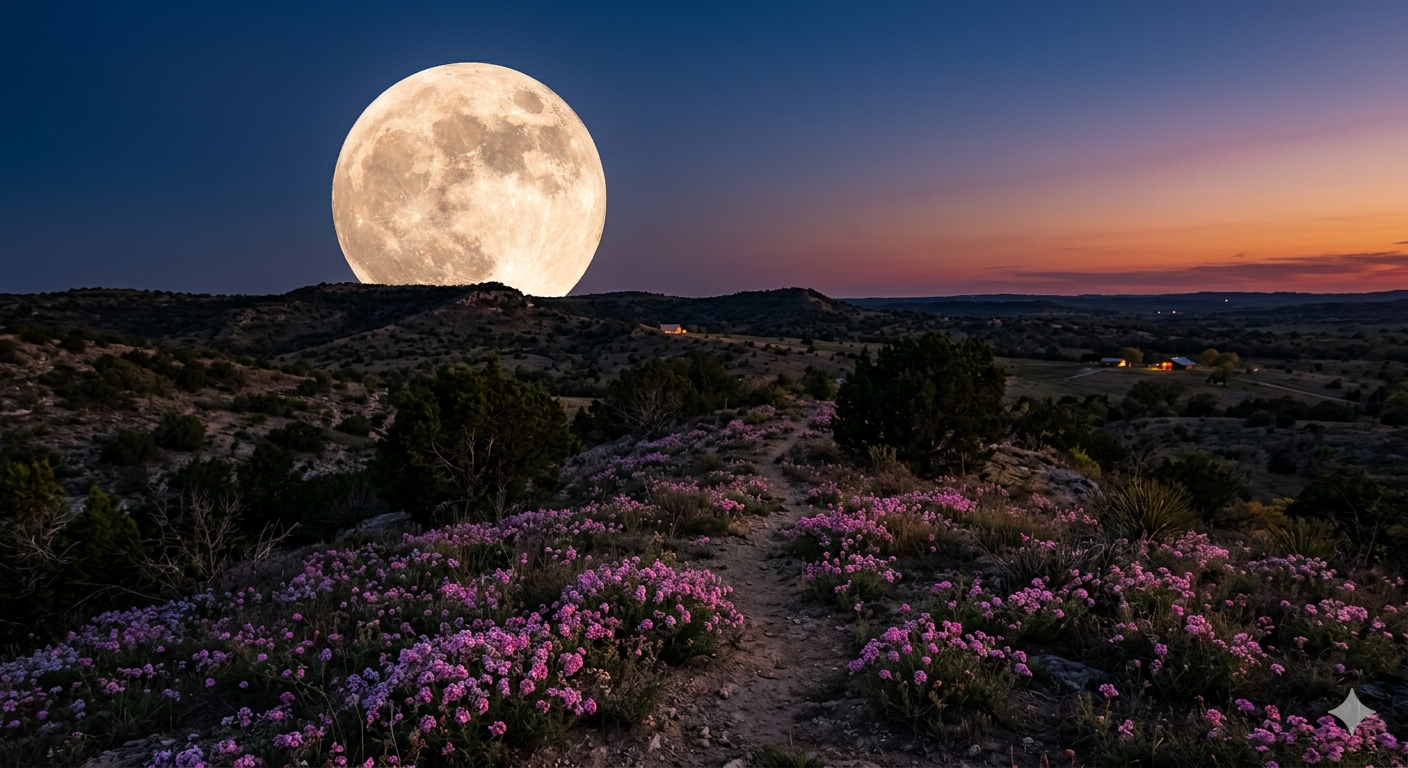
Snow Moon glowing over a quiet winter landscape with snow-covered trees at night

Tonight’s full moon is the Snow Moon, and if you step outside and actually look up, it hits different. It is bright, cold, and kinda dramatic in that quiet winter way. Not loud magic. More like slow, old magic.

The Snow Moon is the full moon of February, and it earned its name honestly. This was traditionally the snowiest time of year in the Northern Hemisphere. Food was scarce, nights were long, and people paid attention to the sky because it actually mattered.

Now we just check the weather app and keep it moving. But the moon is still up there doing its thing.

Why It’s Called the Snow Moon

The name comes from Native American and early colonial traditions. February brought heavy snowfall, brutal cold, and survival mode. Other historical names for this moon include:

  • Hunger Moon
  • Bone Moon
  • Storm Moon

Not exactly cheerful, but very real.

This moon represents endurance, patience, and getting through the last hard stretch of winter. It is the emotional equivalent of saying, I am tired, but I am still here.

Related: Embracing the Energy of the Pink Full Moon

The Witchy Side of the Snow Moon

Spiritually, the Snow Moon is all about release and resilience.

It is a great time to:

  • Let go of things that drained you over winter
  • Reset bad habits that crept in during survival mode
  • Clean house, mentally and physically
  • Set intentions for spring energy

This is not a manifest a million dollars moon. This is a get your life back together moon.

Simple Snow Moon ritual if you are into that:

  • Light a candle
  • Write down what you are done carrying
  • Say it out loud
  • Rip the paper up
  • Go look at the moon

No crystals required. No chanting. Just honesty.

Actual Cool Facts About the Snow Moon

  • It rises around sunset and sets around sunrise
  • It appears brighter because winter air is clearer
  • Snow reflects moonlight and makes it glow more
  • Ancient cultures used it to track seasons and farming cycles
  • Animals start shifting behavior around this time

It is literally nature’s soft reboot.

How to Actually Enjoy It

You do not need to do anything dramatic.

  • Sit outside for five minutes
  • Look up from your phone
  • Notice how quiet everything feels
  • Breathe like a normal human again

The Snow Moon is subtle. It is not fireworks energy. It is more like a deep exhale.

The kind you did not realize you needed.

And honestly, after January energy, we all deserve that.

Related: The Surprising Link Between Moon Phases and Mood

Lisa Crow contributed to this article. She is a true crime junkie and lifestyle blogger based in Waco, Texas. Lisa is the Head of Content at Gigi’s Ramblings and Southern Bred True Crime Junkie. She spends her free time traveling when she can and making memories with her large family which consists of six children and fifteen grandchildren.

Happy Birthday banner in black, gray and pink

Ten years.

Y’all, I had to sit with that number for a minute. Ten years of writing, sharing, oversharing, figuring things out as I go, and inviting you into the beautiful chaos that is my life. Ten years of Gigi’s Ramblings.

I started this blog back in February 2016, and by then I already had my hands full with six grandkids. (Four of them were born in 2015 alone… talk about a busy year!) At the time, I’d been writing travel articles and curating family vacation destinations around the world for MiniTime.com for about four years, and honestly? That’s what sparked the whole thing. I loved exploring new places and sharing where families could make amazing memories together. So Gigi’s Ramblings started as a travel blog. My Let’s Travel To… series was my baby, and I was all in on helping families plan their next adventure.

But life has a funny way of taking you places you didn’t plan to go (and I’m not just talking about vacation destinations). Over the years, this blog evolved from travel-focused content into a true lifestyle blog where we discuss it all. Family, grandparenting, business, the messy middle of everyday life, and yeah, still some travel when I can swing it.

And speaking of milestones? February also marks 14 years at my full-time job. Fourteen years of working from home as a virtual assistant and freelance writer, juggling deadlines and clients while building this blog and business on the side. It’s been a wild, wonderful ride balancing it all, and I wouldn’t have it any other way.

The Early Days (AKA: What Was I Thinking?)

Let’s be honest. Those first posts were rough. I was finding my voice, learning what people actually wanted to read, and figuring out how to balance vulnerability with “okay, maybe I shouldn’t share that on the internet.” But even in those early, awkward days, I knew one thing: I wanted this blog to feel like a conversation. Like you and I were sitting across from each other with coffee (or wine, depending on the day), talking about whatever was on our minds.

That’s still what Gigi’s Ramblings is today. Just… with better writing. And hopefully fewer typos.

What’s Changed (Spoiler: A Lot)

When I started this blog in 2016, I had six kids and six grandkids. Now I’m Gigi to 15 (about to be 16!) grandbabies, and let me tell you, being a grandmother is one of the greatest joys of my life, but it’s also a whole different ball game than I expected. The stories I get to tell now? The perspective I have on family, life stages, and what actually matters? That’s all thanks to these past ten years of living out loud and sharing the journey with y’all.

The content has evolved, too. What started as a travel blog with my Let’s Travel To… series has blossomed into a space where we talk about everything. Life as a wife, mom, and Gigi. Navigating grandparenthood. Running a business from home. The highs, the lows, and all the gloriously messy moments in between. It’s become a true lifestyle blog, and honestly? I love that it’s grown with me.

My business life has changed, too. I launched Mama Crow’s, my wax melt and incense business, and it’s become such a fun creative outlet. Mixing scents, writing product descriptions that make you feel the fragrance before you even smell it, connecting with customers who love cozy vibes as much as I do… it’s been a blast.

And then there’s Southern Bred Crime Junkie, my true crime blog that launched three years ago. Turns out, my obsession with true crime (especially Southern cases) was something a lot of y’all shared, and that community has grown into something I’m really proud of. But Gigi’s Ramblings? This is where it all started. This is home base.

What Hasn’t Changed

Even with all the growth, pivots, and new ventures, the heart of this blog has stayed the same. I’m still writing about:

  • Real life: the good, the chaotic, and the “did that actually just happen?”
  • Family moments that make me laugh, cry, or both at the same time
  • The challenges of juggling work, relationships, and trying to remember where I put my phone
  • Finding joy in the everyday and not taking it all too seriously
  • Honest reflections on the seasons of life… because they keep coming, and we keep learning
  • My favorite travel destinations

And I’m still showing up as me. I’m country as brown eggs and cornbread. No filter, no pretending I have it all figured out, no perfect Instagram moments. Just a Southern gal in Waco, Texas, doing her best and hoping it resonates with someone out there who needed to hear it.

Related: Blogging in 2026: Is It Still Worth It?

The People Who Made This Possible

Here’s the thing: I couldn’t have done this without you.

The readers who’ve been here since the beginning. The ones who followed along with the Let’s Travel To… series and stuck around as the blog evolved into something bigger. The ones who found me somewhere along the way and decided to stay. The folks who comment, send messages, share posts, and let me know that something I wrote made them feel seen or understood or just made them laugh on a hard day.

You’ve celebrated with me through the wins: new grandbabies, business launches, exciting opportunities. And you’ve shown up for me during the hard stuff, too. The low-energy days. The moments of doubt. The times when I wasn’t sure if I had anything left to say.

Your support, encouragement, and willingness to engage with my ramblings (see what I did there?) has meant more than I can put into words. You’re not just readers. You’re a community. And that’s what makes this whole thing worth it.

What’s Next

I wish I could tell you I have some master plan for the next ten years. But honestly? I’m just going to keep doing what I’ve been doing. Showing up, sharing the real stuff, and writing like I’m talking to a friend.

I’ve got more stories to tell. More grandkids to spoil. More scents to create, more true crime cases to dig into, more life to live out loud. And who knows? Maybe even some more travel content if the stars align.

And I hope you’ll stick around for it.

Because here’s what I’ve learned in ten years of blogging: life keeps moving, circumstances keep changing, and we’re all just figuring it out as we go. But when you find people who get it… who laugh at the same things, relate to the struggles, and cheer you on through the journey? That’s something special.

So thank you. For ten years of reading, engaging, supporting, and being part of this community. For making Gigi’s Ramblings more than just a blog. It’s a space where real life happens, and where we all get to navigate it together.

Here’s to the next chapter. Whatever it holds, I’m glad you’re here for it. 🎉☕✨

Now I want to hear from you: How long have you been reading Gigi’s Ramblings? What’s your favorite type of content I share? Drop a comment and let’s celebrate together!

wolf hunting it's prey

The wolf doesn’t bare its teeth at first

How Predators Gain Trust Without Looking Dangerous

When most people think about predators, they imagine someone who seems obviously threatening. In reality, that’s rarely the case. Many predators appear kind, attentive, and completely normal at first. That’s actually part of the strategy.

Understanding how predators gain trust is not about being paranoid. Instead, it’s about recognizing patterns. Grooming tactics often unfold slowly, using psychological manipulation tactics that make someone feel safe before they realize their boundaries are being tested.

They Mirror You to Create Instant Connection

One of the most common ways predators build trust is through mirroring. They pay close attention to your interests, beliefs, and personal experiences. Then, they subtly reflect those same traits back to you.

For example, if you love a certain hobby, suddenly they do too. If you’ve gone through a painful situation, they claim they’ve experienced something nearly identical. As a result, you feel understood and emotionally connected much faster than usual.

However, real relationships typically develop over time. When someone feels like a “perfect match” unusually quickly, that can be one of the early signs of grooming behavior.

They Use Helpfulness as a Trust-Building Tool

Predators often go out of their way to be helpful. They might offer rides, run errands, give gifts, or provide emotional support during tough times. On the surface, it looks like kindness. And sometimes it is. But in predatory behavior patterns, this generosity often has strings attached.

Over time, repeated favors can create a sense of obligation. You may start to feel like you owe them. Because of that, it becomes harder to say no later or to notice red flags of predators when their behavior begins to shift.

Gradually, this trust-building manipulation creates emotional or practical dependence, which gives them more control in the relationship.

Related: How to Spot the Signs of a Narcissist

They Test Boundaries in Small, Subtle Ways

Another key part of how manipulators build trust involves small boundary tests. It rarely starts with something clearly inappropriate. Instead, they push limits in tiny ways that seem easy to dismiss.

They might make a slightly uncomfortable joke, stand a little too close, or share overly personal information very early. Then they watch your reaction. If you don’t object, they take another small step next time.

Because each moment feels minor on its own, the pattern is easy to miss. Still, this slow escalation is one of the most common grooming tactics and a major warning sign of grooming.

They Make You Feel Chosen or Special

Predators frequently create a sense of exclusivity. They might say things like, “I can’t talk to anyone else the way I talk to you,” or “You’re more mature than everyone else your age.” As a result, the connection starts to feel unique and deeply personal.

At the same time, they may slowly distance you from others. They might criticize your friends, question your family’s intentions, or suggest other people “don’t really understand you.” Little by little, isolation increases.

This emotional narrowing is one of the biggest red flags of predators, especially when it’s paired with secrecy and intense bonding.

They Use Secrets to Strengthen Control

Another common tactic in trust-building manipulation is the use of secrets. At first, they may share something personal to create a feeling of closeness. Then, they encourage you to share secrets too.

Soon, the relationship may revolve around things “just between us.” While that can feel intimate, it can also create pressure. You might worry about betrayal, embarrassment, or consequences if the secret comes out.

This dynamic is one of the more serious psychological manipulation tactics because it ties trust to silence, which increases control.

Why These Signs of Grooming Behavior Matter

Individually, these behaviors can seem harmless. After all, friendliness, support, and emotional connection are normal parts of healthy relationships. The difference lies in the pattern, the speed, and the gradual loss of your comfort or independence.

By recognizing how predators gain trust, people can better spot warning signs of grooming before situations escalate. Awareness doesn’t mean assuming the worst about everyone. Instead, it means paying attention to how someone makes you feel over time.

If trust feels rushed, boundaries feel blurry, or you feel pressured to keep secrets or pull away from others, those feelings deserve to be taken seriously.

Lisa Crow contributed to this article. She is a true crime junkie and lifestyle blogger based in Waco, Texas. Lisa is the Head of Content at Gigi’s Ramblings and Southern Bred True Crime Junkie. She spends her free time traveling when she can and making memories with her large family which consists of six children and fifteen grandchildren.

Bright, cozy living room scene with a woman reading on a couch while a coffee mug, sketchbook with colored pencils, yarn, and a small jigsaw puzzle sit on a wooden table in soft natural light.

Why We Scroll Without Even Thinking

Let’s be honest. Most of us don’t pick up our phones because we need something. Instead, we scroll because we’re bored, tired, stressed, or avoiding something else.

Scrolling is easy and requires zero effort. However, it often leaves you feeling like you wasted time and somehow still didn’t relax. That’s exactly where hobbies instead of scrolling make a difference. They give your brain something better to focus on while actually improving your mood.

Related: What Is Junk Journaling? A Beginner’s Guide

What Happens When You Choose Hobbies Instead of Scrolling

When you replace screen time with hands-on activities, several powerful changes happen. First, your brain shifts from passive to active mode. Instead of consuming content, you’re creating, learning, or building something. As a result, you feel more accomplished and less mentally drained.

At the same time, time starts to feel fuller. Thirty minutes of scrolling disappears in a blur, but thirty minutes spent on a hobby feels meaningful. Most importantly, hobbies lower stress in a healthier way because they calm your nervous system rather than overstimulating it.

Digital Detox Hobbies That Actually Stick

Not every hobby needs to be complicated or expensive. In fact, simple options are easier to turn into lasting habits. That’s why digital detox hobbies work best when they fit naturally into your daily life.

Creative Hobbies at Home That Beat Screen Time

Creative activities are excellent screen time alternatives because they keep your hands busy and your mind focused. For example, junk journaling, sketching, adult coloring books, candle or wax melt making, knitting, crocheting, and DIY home décor crafts all provide relaxing ways to unwind. Plus, you get something tangible at the end instead of just another forgotten video.

Relaxing Offline Hobbies to Unwind After a Long Day

If your goal is to relax, calming offline hobbies are far more effective than endless scrolling. Reading physical books, doing puzzles, gardening, baking from scratch, or taking evening walks all help slow racing thoughts. Unlike screens, these activities don’t flood your brain with constant input. Instead, they create mental space and ease tension naturally.

Skill-Building Hobbies for Adults Who Want Something More

Trying something new adds excitement back into your routine. That’s why hobbies for adults that involve learning can be energizing. Learning calligraphy, playing a musical instrument, woodworking, cooking new cuisines, or photography with a real camera all provide a sense of progress. Each small improvement gives your brain a reward that scrolling simply cannot match.

How to Replace Scrolling Without Feeling Deprived

Quitting scrolling all at once rarely works. Instead, start with one small swap. For instance, set one no-scroll window each evening and use that time for a hobby.

Also, make your hobbies easier to access than your apps. Leave craft supplies on the table, keep a book on the couch, or set up a puzzle where you normally sit. When hobbies are visible and convenient, you’re much more likely to choose them. Most importantly, don’t aim for perfection. The goal is not to be amazing overnight. The goal is to spend less time scrolling and more time doing things that feel real.

Related: The Return of Knitting and Crochet

Why Screen Time Alternatives Improve Your Mood

There’s a reason you feel different after baking cookies compared to watching random videos for an hour. Hobbies give you a sense of progress, a break from comparison culture, mental focus that quiets anxious thoughts, and even small physical movement that helps release tension.

Over time, choosing hobbies instead of scrolling can improve sleep, reduce stress, and make daily life feel more satisfying.

Final Thoughts on Choosing Hobbies Over Scrolling

Scrolling will always be there. However, your time, energy, and creativity are limited. By adding more screen time alternatives into your routine, you’re building skills, memories, and a life that feels less digital and more fulfilling.

So tonight, instead of reaching for your phone out of habit, reach for something you can actually make, build, or enjoy in the real world. Your brain will thank you.

Lisa Crow contributed to this article. She is a true crime junkie and lifestyle blogger based in Waco, Texas. Lisa is the Head of Content at Gigi’s Ramblings and Southern Bred True Crime Junkie. She spends her free time traveling when she can and making memories with her large family which consists of six children and fifteen grandchildren.

Woman knitting and crocheting with colorful yarn during the return of knitting and crochet trend

The return of knitting and crochet is one of the coziest trends to emerge in recent years. Once seen as old-fashioned pastimes, these yarn crafts are now popular with younger generations who are craving creativity, relaxation, and a break from constant screen time.

What used to be associated with grandmothers and handmade holiday gifts has transformed into a modern movement centered around mindfulness, sustainability, and personal expression.

Why Knitting and Crochet Are Trending Again

People Are Craving Slower Hobbies

Life moves fast, and many people feel overwhelmed by nonstop notifications, work stress, and digital overload. Knitting and crochet offer a calming, repetitive motion that helps quiet the mind and reduce anxiety. These crafts encourage you to slow down and focus on one stitch at a time.

The Mental Health Benefits of Knitting and Crochet

Studies and personal experiences alike show that yarn crafts can help reduce stress, ease symptoms of anxiety, and even improve mood. The rhythmic motion of stitching has a meditative quality, making knitting and crochet powerful tools for emotional balance.

The Crochet Trend Taking Over Social Media

Platforms like TikTok, Instagram, and Pinterest have introduced a whole new audience to modern knitting and crochet. Trendy cardigans, chunky blankets, crochet tops, and handmade accessories are everywhere. Younger crafters are sharing patterns, tutorials, and finished projects, turning traditional skills into viral trends.

Handmade Feels Meaningful

In a world full of mass-produced products, handmade items feel special. Creating something yourself adds emotional value you simply can’t buy in a store. Whether it’s a scarf, a blanket, or a sweater, every piece tells a story.

Knitting and Crochet Support Sustainable Living

The return of knitting and crochet also connects with the growing interest in sustainability. Making your own clothing and home items encourages thoughtful consumption and a move away from fast fashion.

Crafters often choose natural fibers, repurpose old materials, or unravel projects to reuse yarn. This reduces waste and promotes a more mindful approach to what we own and wear.

These Crafts Are More Accessible Than Ever

Learning to knit or crochet used to require a family member or in-person class. Now, thousands of free tutorials and patterns are available online. Beginners can start with a simple scarf or dishcloth and quickly build skills.

Supplies are flexible for any budget too. You can begin with one hook or pair of needles and a single skein of yarn, making this an affordable hobby compared to many others.

The Community Aspect Is Stronger Than Ever

Local yarn shops, online groups, and crafting communities are thriving. People join knitting circles, attend workshops, and connect in Facebook groups or Reddit threads to share tips and show off projects. These communities provide both creative inspiration and meaningful social connection.

Related: What Is Junk Journaling? A Beginner’s Guide

Knitting vs Crochet: What’s the Difference for Beginners?

Knitting uses two needles and creates a stretchier, smoother fabric that’s common in sweaters and garments. Crochet uses one hook and is often easier for beginners to pick up, making it popular for blankets, toys, and decorative pieces. Both crafts offer endless creative possibilities, and many people eventually learn both.

Final Thoughts on the Return of Knitting and Crochet

The return of knitting and crochet isn’t just about yarn. It’s about slowing down, caring for your mental health, creating something with your own hands, and reconnecting with simple, meaningful activities. In a fast-paced digital world, these traditional crafts feel more relevant than ever.

Whether you want to relax, express your creativity, or make something useful, now is the perfect time to grab some yarn and join the movement.

Lisa Crow contributed to this article. She is a true crime junkie and lifestyle blogger based in Waco, Texas. Lisa is the Head of Content at Gigi’s Ramblings and Southern Bred True Crime Junkie. She spends her free time traveling when she can and making memories with her large family which consists of six children and fifteen grandchildren.

the effects of stress

Stress doesn’t just affect emotions; it quietly changes routines, behaviors, and even basic daily decisions. Over time, these small shifts become new habits, which is why many people don’t recognize the effects of stress on routine until they feel completely burned out. Understanding how stress reshapes daily habits can help you spot the signs early and regain control.

Stress Changes How Your Day Starts

Morning routines are often the first thing stress disrupts. When your brain feels overwhelmed, it looks for quick comfort instead of structure. As a result, you might reach for your phone immediately, skip breakfast, or rush through getting ready. These choices are not about laziness; they reflect mental fatigue and decision overload. Because stress drains cognitive energy, your brain defaults to the easiest possible actions. Over time, this reactive start replaces a calm, intentional morning, which sets a rushed and anxious tone for the rest of the day.

Eating Habits Shift in Subtle Ways

One of the most common stress behavior changes involves food. While some people overeat, others lose their appetite completely. Additionally, cravings often increase for sugar and processed carbs because the body wants fast energy during perceived “threat” states. This happens due to cortisol, a stress hormone that affects hunger and blood sugar regulation. As stress continues, normal hunger cues get ignored or overridden, leading to irregular meals, late-night snacking, or emotional eating patterns. These changes can feel confusing, especially when you don’t connect them to stress.

Related: Why I Value Stability Now

Sleep Patterns Get Disrupted

Another major area affected by chronic stress symptoms is sleep. Even when the body feels exhausted, the mind may stay alert because stress keeps the nervous system in a state of high vigilance. Consequently, people often struggle to fall asleep, wake up during the night, or feel unrefreshed in the morning. Poor sleep then raises stress levels further, creating a cycle that is hard to break. Because sleep impacts mood, focus, and energy, this disruption spills into every other part of daily life.

Focus and Productivity Decline

Stress also interferes with concentration and task completion. When the brain is overloaded, even simple responsibilities can feel overwhelming. This is not a motivation issue; it is a neurological response to pressure. The brain shifts into survival mode, prioritizing immediate concerns over long-term planning. Therefore, emails go unanswered, chores pile up, and small tasks feel disproportionately difficult. Many people label this as procrastination, but in reality, it is a sign of mental bandwidth being stretched too thin.

Social Habits Quietly Change

Although it often goes unnoticed, stress affects social behavior too. When energy levels drop, interacting with others can start to feel draining instead of enjoyable. As a result, people cancel plans more often, delay responding to messages, or withdraw from social activities altogether. Unfortunately, isolation can increase stress, which deepens the cycle. Recognizing this pattern is important because connection and support are key buffers against long-term stress effects.

Free Time Stops Feeling Restful

Even relaxation can change under stress. Instead of truly unwinding, people often multitask during downtime by scrolling on their phones or half-watching television while worrying about responsibilities. This happens because the nervous system remains in fight-or-flight mode, making it difficult to feel safe enough to fully relax. Consequently, hobbies feel less enjoyable, and rest doesn’t feel restorative. Over time, this leads to emotional exhaustion and a sense that there is never a real break.

Related: The Appeal of “Digital Detox” Weekends

Why These Changes Feel “Normal”

The tricky part about stress and daily habits is how gradual the shift can be. Because the changes happen slowly, they start to feel like personality traits instead of stress responses. Someone might say they are “bad at mornings” or “just not social anymore,” without realizing these patterns developed during prolonged stress. When survival mode becomes the baseline, calm can feel unfamiliar.

How to Gently Reset Your Habits

The good news is that routines can shift back with small, consistent actions. Instead of attempting a complete life overhaul, it helps to focus on signals of safety and stability. For example, drinking water when you wake up, eating regular meals, and setting a simple wind-down routine before bed can help regulate the nervous system. Short breaks during the day, even just a few minutes of deep breathing, can also reduce stress buildup. These small adjustments gradually teach the brain that it is safe to step out of constant alert mode.

Final Thoughts on Stress and Routine Changes

Stress doesn’t stay contained in your thoughts; it shows up in your schedule, sleep, eating patterns, and social life. Because these shifts happen slowly, they often go unnoticed until exhaustion sets in. By recognizing the effects of stress on routine, you can respond with awareness instead of self-criticism. Small, steady changes can rebuild healthy habits and help your nervous system return to balance.

Lisa Crow contributed to this article. She is a true crime junkie and lifestyle blogger based in Waco, Texas. Lisa is the Head of Content at Gigi’s Ramblings and Southern Bred True Crime Junkie. She spends her free time traveling when she can and making memories with her large family which consists of six children and fifteen grandchildren.

junk journal sitting on the counter of a large craft room

Disclaimer: This post contains Amazon affiliate links. If you make a purchase, I may earn a small commission at no extra cost to you.

I’ve always been a huge scrapbooker, but my hobby kinda died when we stopped printing pictures and moved everything onto our phones. Recently, after getting a new high-quality printer, I started thinking about getting back into making scrapbooks for the grandkids. That’s when I discovered junk journaling on Pinterest — and I have to admit, it looks amazing, but also… do I really have the funds for a new hobby?

Junk journaling is a fast-growing craft trend that blends memory keeping, mixed-media art, and good old-fashioned paper hoarding into one beautifully imperfect hobby. Even better? You don’t need fancy supplies to start, which is perfect if you’re budget-conscious like me.

What Is Junk Journaling?

Junk journaling is the art of creating handmade journals filled with recycled, found, and repurposed materials.

Think old book pages, junk mail, receipts, ticket stubs, envelopes, magazine cutouts, fabric scraps, and vintage paper ephemera.

Unlike traditional scrapbooking, which focuses heavily on photos, junk journaling celebrates texture, layering, storytelling, and creative expression using everyday paper “junk.” For me, it’s a way to get back into paper crafting without feeling the pressure of perfectly printed photos or matching supplies.

Related: Why I Started Journaling My Dreams and What I’ve Learned

Why Junk Journaling Is So Popular Right Now

Junk journaling has exploded on Pinterest and social media for a few big reasons:

  • It’s budget-friendly. You can make an entire journal using items that would normally end up in the trash — which is perfect if you’re worried about hobby costs like I am.
  • It’s relaxing. Tearing paper, layering textures, and gluing bits down is incredibly soothing — almost like crafting therapy after a long day.
  • There are no rules. Pages don’t have to match, themes can change, messy is welcome, and mistakes become part of the charm.
  • It blends art and memory keeping. You can include journaling, quotes, photos, keepsakes, and random life bits all in one place. I love the idea of combining my old scrapbooking memories with new creative experiments.

Junk Journaling vs. Scrapbooking: What’s the Difference?

If you come from a scrapbooking background like I do, here’s how junk journaling compares:

  • Scrapbooking: photo-focused, coordinated layouts, themed paper collections, structured designs.
  • Junk Journaling: texture- and paper-focused, imperfect, layered look; mixed materials like paper, fabric, lace, and tags; more free-form and artsy.

Scrapbooking is polished; junk journaling is expressive. It feels like a breath of fresh air after years of rigid layouts.

What Goes Inside a Junk Journal?

Anything flat(ish) and glueable can go inside. That’s part of the fun.

  • Paper items: book pages, sheet music, maps, dictionaries, junk mail patterns, old letters.
  • Personal ephemera: receipts from fun days, movie tickets, kids’ drawings, packaging from favorite products, and greeting cards.
  • Decorative elements: washi tape, stamps, stickers, lace, ribbon, fabric swatches, dried flowers.

A junk journal becomes a mix of art journal, diary, memory book, and collage project all in one — and for me, it’s a way to creatively merge old scrapbooking habits with new ideas.

Basic Junk Journaling Supplies for Beginners

You don’t need a huge craft store haul to begin.

  • Must-haves: a notebook, composition book, or handmade paper stack; glue stick or craft glue; scissors; pen or marker.
  • Nice-to-haves: washi tape, rubber stamps, ink pads, old magazines or books, printable vintage ephemera (perfect for using that new printer!).

How to Start Your First Junk Journal

Step 1: Pick Your Base – old book, ready-made, or loose papers folded and stitched together.

Step 2: Gather Your “Junk” – start a small box for envelopes, packaging with interesting patterns, paper scraps, old mail or documents.

Step 3: Create Background Pages – glue down torn book pages, scrap paper, or fabric pieces. Layering creates texture and interest.

Step 4: Add Pockets and Flip-Outs – glue envelopes or folded paper to make hidden spots for notes, tags, photos, or quotes.

Step 5: Decorate and Write – add stickers, stamps, doodles, journaling about your day, memories, or thoughts. There’s no wrong way to fill a page, and it’s a lot more freeing than traditional scrapbooking.

Junk Journal Themes You Can Try

If you like structure, themes can guide your pages:

  • Vintage and antique
  • Nature and botanical
  • Travel memories
  • Seasonal journals
  • Book quotes and literature
  • Everyday life moments
  • Gratitude journal

Or mix everything together for a true junk journal vibe.

Is Junk Journaling an Expensive Hobby?

It doesn’t have to be. You can use junk mail backgrounds, print free vintage images, thrift old books, swap supplies with friends, and repurpose leftover scrapbook materials.

Junk journaling can easily be one of the most affordable paper crafts if creativity leads instead of shopping, which is a relief for someone like me who worries about funding a new hobby.

Related: Crafting Spooky Magic: Behind the Scenes with Mama Crow’s Halloween Wax Melts

Why Scrapbookers Love Junk Journaling

If you stopped scrapbooking because printing photos and buying matching supplies became too much, junk journaling brings back the joy without the pressure.

You still get paper crafting, memory keeping, and creative layouts, but you no longer need perfect photos or matching everything. It’s nostalgic, creative, and freeing all at once.

Final Thoughts: Should You Try Junk Journaling?

If you love paper, memories, creativity, and a little bit of beautiful chaos, junk journaling is absolutely worth trying.

Start small. Use what you have. Let it be messy. Let it be yours.

I can’t wait to try it myself, mixing old scrapbooking memories with new creative experiments — and finally use that printer for something that sparks joy instead of just bills and receipts.

Lisa Crow contributed to this article. She is a true crime junkie and lifestyle blogger based in Waco, Texas. Lisa is the Head of Content at Gigi’s Ramblings and Southern Bred True Crime Junkie. She spends her free time traveling when she can and making memories with her large family which consists of six children and fifteen grandchildren.

all the comforts of being snowed in

Disclaimer: This post contains Amazon affiliate links. If you make a purchase, I may earn a small commission at no extra cost to you.

When Texas ices over, the whole state hits pause. Roads turn into skating rinks, stores close, and suddenly everyone’s stuck at home wondering what to do next. The good news? Being iced in doesn’t have to be boring. It can actually turn into a cozy, memory-making kind of day.

Turn Your Home Into a Cozy Retreat

Cold, gray weather is the perfect excuse to lean into comfort.

Light candles, grab your softest blankets, and make a warm drink like hot chocolate, coffee, or spiced tea. Put on a comfort show or movie you’ve seen a hundred times. There’s something about familiar favorites that just hits different when the weather outside is miserable.

This is your sign to slow down without guilt.

Have a Movie or TV Marathon

Pick a theme and go all in. Movie trilogies, true crime documentaries, cooking competitions, or nostalgic throwback shows from childhood all make great binge material.

Make it feel like an event by setting up snacks in bowls, dimming the lights, and staying in pajamas all day. No one’s going anywhere anyway.

Get Creative With Indoor Hobbies

Being stuck inside is a great time to finally do that creative thing you “never have time for.”

Try:

Creative hobbies help pass the time and are great for stress relief, especially when winter weather has everything shut down.

Cook or Bake Something From Scratch

When Texans can’t drive on ice, we cook.

Try a recipe that takes a little extra time, like homemade bread, soup, chili, or cookies. Baking fills the house with amazing smells and gives everyone something warm and comforting to eat.

If you have kids at home, let them help measure, stir, or decorate. It keeps them busy and turns a boring day into a fun family memory.

Related: Cure the Rainy Day Blues

Have a Family Game Day

Board games, card games, and puzzles are perfect for icy days.

Pull out classics like Monopoly, Scrabble, Uno, dominoes, or a big jigsaw puzzle you can work on throughout the day. If you’re more into video games, try multiplayer party games that everyone can join.

A little friendly competition is a great cure for cabin fever.

Declutter and Organize One Space

Okay, not the most exciting idea, but hear me out.

Pick one small area: a junk drawer, a closet shelf, or the pantry. Set a timer for 20–30 minutes and see how much you can sort through. You’ll feel productive, and future-you will be grateful.

Plus, organizing while stuck inside makes the time go by faster.

Try an At-Home Spa Day

Turn your bathroom into a mini spa.

Take a long shower or bath, use a face mask, deep-condition your hair, and put on comfy clothes afterward. Play relaxing music or a podcast while you unwind.

It’s a great way to fight off the gloomy mood that icy weather can bring.

Learn Something New Online

Use the downtime to learn a new skill.

Watch tutorials on:

  • Cooking techniques
  • Home workouts
  • Photography tips
  • Craft projects
  • Language learning apps

A few hours of learning can turn a “wasted” day into one that actually feels productive.

Build a Blanket Fort (Yes, Even for Adults)

Don’t knock it till you try it.

Use blankets, chairs, and pillows to build a cozy fort in the living room. Read, watch movies, or just hang out inside. Kids love it, but honestly, adults do too. It brings back that childhood snow-day magic.

Plan Future Trips or Projects

If you’re feeling stir-crazy, start planning something to look forward to.

Research a future vacation, weekend road trip, home renovation idea, or even just a backyard project for warmer weather. Having plans on the horizon makes being stuck inside feel a little less frustrating.

Related: That Weird Energy That Comes With a Cold Front

Stay Connected Virtually

Just because the roads are icy doesn’t mean you have to feel isolated.

Video call friends or family, join an online game night, or just text someone you haven’t talked to in a while. A little social connection can instantly boost your mood on a long indoor day.

Being iced in is an occasional part of life in Texas winters. Instead of fighting it, treat it like a built-in pause button. Slow down, get cozy, try something new, and enjoy the rare excuse to stay home and do absolutely nothing…or everything.

Lisa Crow contributed to this article. She is a true crime junkie and lifestyle blogger based in Waco, Texas. Lisa is the Head of Content at Gigi’s Ramblings and Southern Bred True Crime Junkie. She spends her free time traveling when she can and making memories with her large family, which consists of six children and fifteen grandchildren.

man and woman who appear angry

We are taught from childhood that strangers are a threat. We are warned about dark alleys, unlocked doors, and people we do not know. But nobody really prepares us for the quiet danger that can come from someone who knows our favorite food, our fears, and our history.

The truth is, familiarity can create a false sense of safety. When someone feels close to us, we stop questioning their behavior. We excuse things we would never tolerate from anyone else. That is where emotional harm, manipulation, and sometimes much worse get their start.

Why We Trust People We Know

Our brains are wired to relax around familiar faces. We assume that time equals loyalty. We believe that shared memories mean shared values. But none of those things are guarantees.

When someone has been in your life for years, it feels wrong to doubt them. You might think, I know them. They would never hurt me. That belief becomes a shield that blocks warning signs.

This is how people get away with harmful behavior for so long. They are not monsters in the dark. They are the people sitting next to us on the couch.

Comfort Can Lower Your Guard

When someone feels like home, we drop our defenses. We share secrets. We let them see us tired, sad, or unsure. That closeness is beautiful when it is healthy. It is dangerous when it is not.

A manipulative person uses that access. They learn what hurts you. They learn what you crave. Then they slowly start to use that knowledge to control you.

It rarely starts loud. It usually starts with small comments, subtle guilt, or quiet pressure.

The Red Flags We Ignore

When someone is familiar, we are more likely to explain away bad behavior.

We say they are just stressed.
We say they did not mean it.
We say it was a misunderstanding.

But patterns do not lie. When someone repeatedly makes you feel small, confused, anxious, or guilty, that is not love. That is control.

Familiar people can be the hardest to walk away from because they are tied to our memories. We do not just lose them. We feel like we are losing a part of ourselves.

Related: Why You Should Never Ignore That Red Flag

Why It Is So Hard to See the Truth

When harm comes from someone close, it creates a kind of mental tug-of-war. Your heart wants to believe the person you care about is good. Your gut is trying to warn you that something is wrong.

This conflict can keep people stuck for years. We want the version of that person we fell in love with, not the one standing in front of us now.

That hope keeps us quiet. It keeps us trying. It keeps us staying.

Emotional Damage Can Be Just as Deep

Not all danger leaves bruises. Some of it lives in your nervous system. It shows up as fear, self-doubt, and walking on eggshells.

When someone you trust hurts you, it changes how you see the world. You start questioning your own instincts. You start wondering if you are the problem.

That is one of the most damaging things a familiar person can do.

Related: Patterns in Domestic Crimes: What the Cases Reveal

Protecting Yourself Without Becoming Hard

Being aware does not mean being cold. You can still love people deeply while protecting your peace.

Pay attention to how people make you feel.
Pay attention to patterns.
Pay attention to whether you feel safe being yourself.

The people who truly care for you will not punish you for having boundaries.

Final Thoughts

The most dangerous people in our lives are often not strangers. They are the ones who know where to find us when we are vulnerable.

Familiarity should bring comfort, not fear. If it does not, something is wrong.

And you are allowed to walk away, even if it hurts.

Lisa Crow contributed to this article. She is a true crime junkie and lifestyle blogger based in Waco, Texas. Lisa is the Head of Content at Gigi’s Ramblings and Southern Bred True Crime Junkie. She spends her free time traveling when she can and making memories with her large family which consists of six children and fifteen grandchildren.