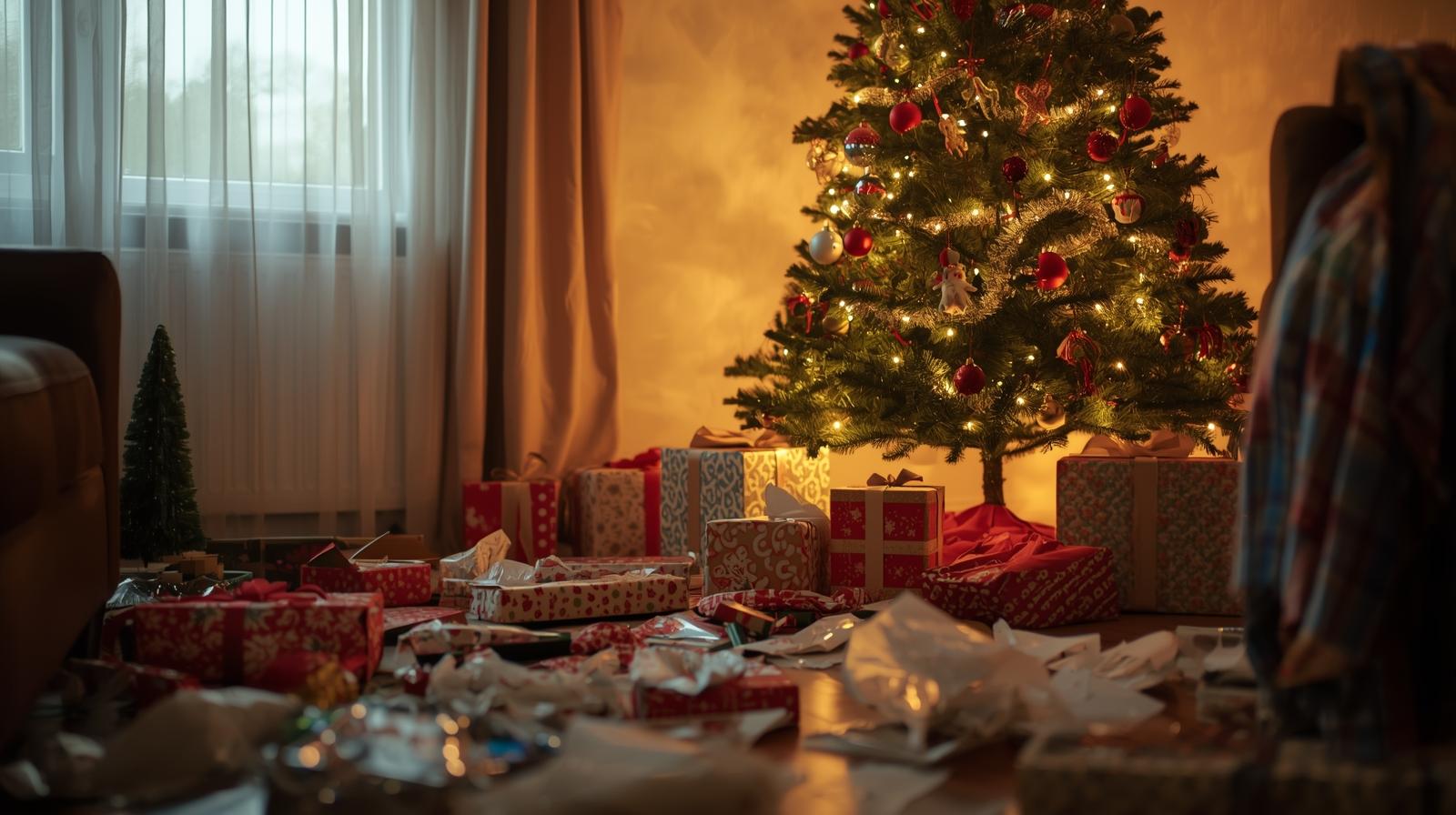
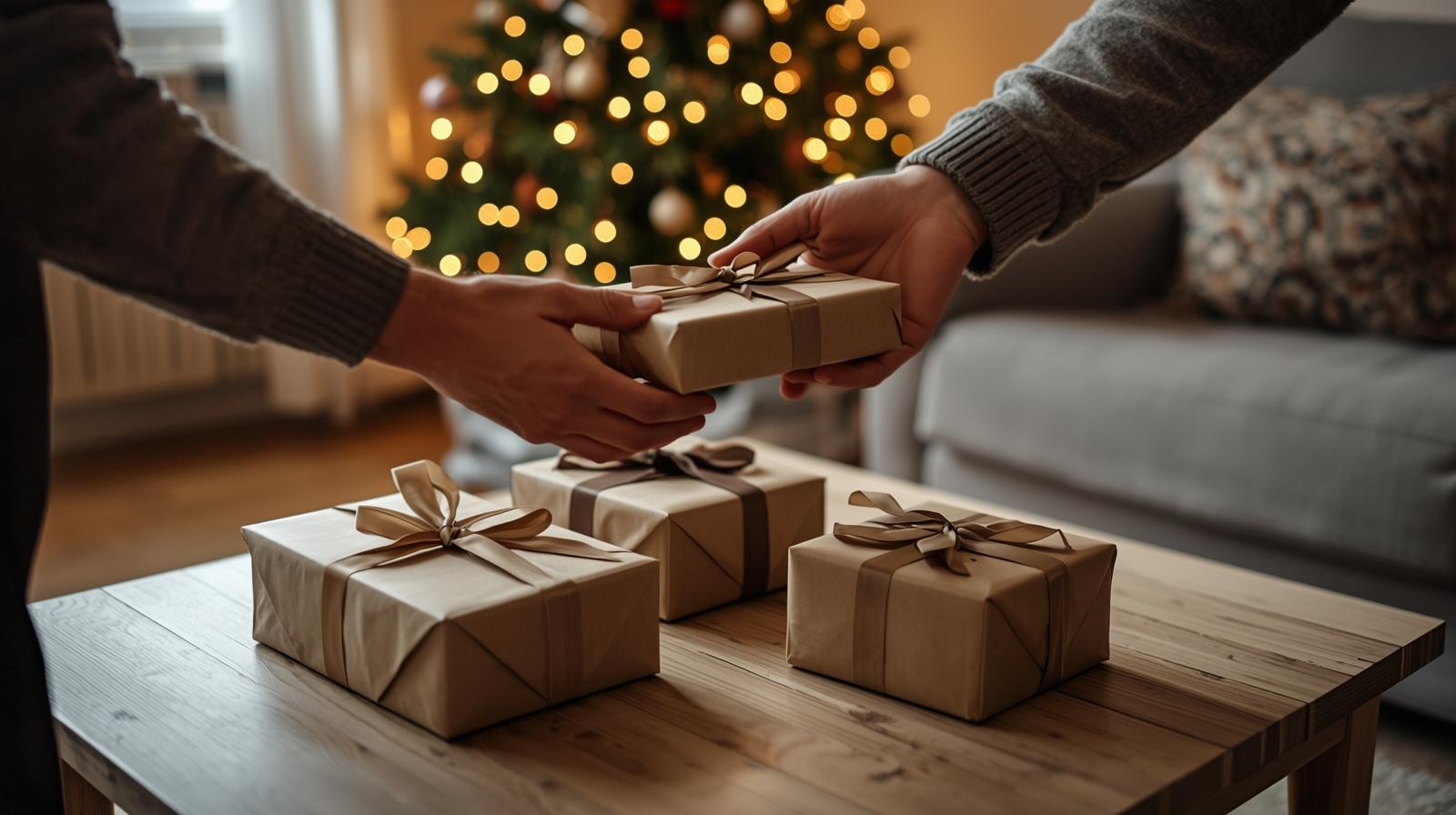
exchanging Christmas gifts

Regifting has a reputation problem. Some people see it as practical and efficient, while others consider it tacky or thoughtless. The truth sits somewhere in the middle. Regifting can be done well, and it can be done very wrong. The difference comes down to intention, awareness, and a little common sense.

I’ll be upfront. I’ve never personally regifted a gift. I’m extremely sentimental, and even the smallest item tends to hold a memory for me. That said, I don’t have an issue with regifting when it’s done thoughtfully. In many cases, it makes far more sense than letting something collect dust in a closet.

The Do’s of Regifting

Do make sure the item is unused and in perfect condition.
If it looks worn, damaged, or incomplete, it’s not a candidate. Regifting should never feel like passing along leftovers.

Do match the gift to the person receiving it.
This matters more than anything else. A gift you couldn’t use might be perfect for someone else. If it suits their taste, lifestyle, or interests, regifting can actually feel intentional.

Do remove all traces of the original giver.
Cards, tags, notes, and even gift wrap should be gone. The recipient should never be able to trace the gift back to someone else.

Do consider timing and context.
Regifting works best when there’s enough distance from the original exchange. Handing someone a regift at the same event or within the same social circle is risky and unnecessary.

Do see regifting as practical, not careless.
When done correctly, regifting reduces waste and gives an item a chance to be appreciated instead of ignored.

The Don’ts of Regifting

Don’t regift something personalized.
Monograms, names, dates, or inside jokes immediately disqualify an item. There’s no salvaging that.

Don’t regift to someone who knows the original giver.
This is how feelings get hurt. Even if you think they won’t notice, it’s not worth the risk.

Don’t regift something you clearly disliked out of spite.
If your only motivation is getting rid of something you hated, it will show. Regifting should feel thoughtful, not dismissive.

Don’t regift sentimental items.
If an item carries emotional weight, even if it wasn’t meaningful to you, it’s better to keep it or donate it quietly.

Don’t lie if you’re directly asked.
You don’t owe anyone an explanation, but if the question comes up, honesty delivered kindly is always better than an awkward lie.

A Thoughtful Takeaway

Regifting isn’t lazy or rude by default. It’s all about execution. While I personally hang onto gifts because of the memories attached to them, I understand why others choose a more practical approach. When regifting is done with care, it can actually be the most considerate option.

At the end of the day, the goal of any gift is for it to be used, enjoyed, and appreciated. If regifting accomplishes that, it’s doing exactly what a gift is meant to do.

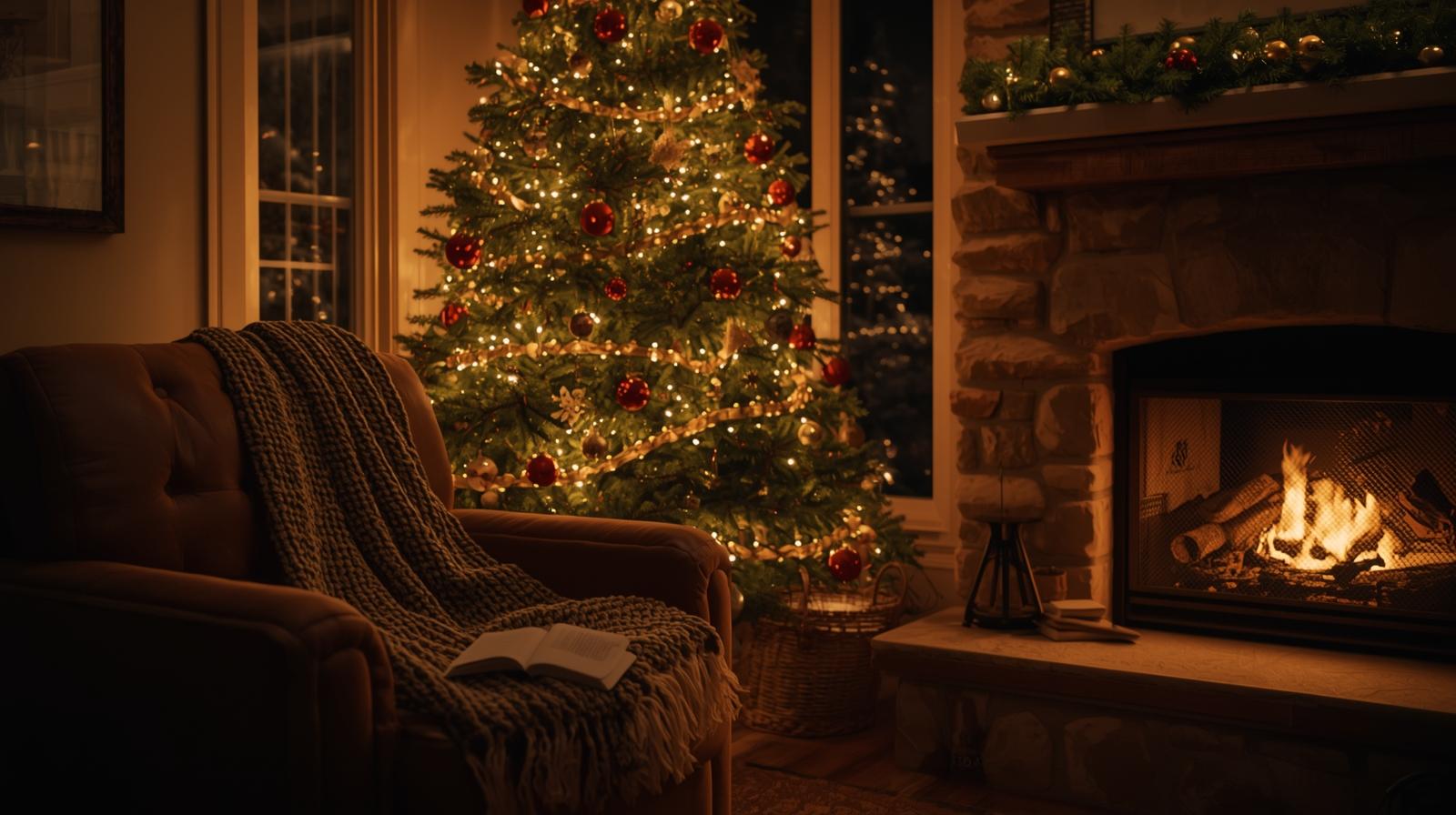
comfy chair and christmas tree by fireplace

The week before Christmas is supposed to feel warm, magical, and full of quiet anticipation. Instead, our house has been taken over by the flu — and it hit hard. Fevers, body aches, headaches, and a cough that refuses to let either of us rest have turned what should be a peaceful holiday stretch into pure survival mode.

The hubby and I have found ourselves in an unspoken competition over who feels worse, who can breathe the loudest, and who has the highest fever. The truth is, we’re both miserable. He’s just slightly worse, which has automatically placed me in the role of full-time nurse, whether I’ve felt up to it or not.

When Love and Sanity Collide

I love my husband deeply, but when two sick people are trapped in the same space, patience wears thin fast. After hours of coughing, shifting, and shared misery, I realized I needed a small break — not from him, but from the noise, the constant hogging of the covers and then kicking them off, and the feeling of being completely overwhelmed.

Stepping away wasn’t about frustration or lack of compassion. It was about preserving my sanity so I could keep showing up with care instead of irritation.

Choosing Christmas Light Therapy

I grabbed my book, moved into another room, and settled in beside the Christmas tree. I didn’t turn on a lamp or put on any background noise. The glow of the lights was enough.

There is something deeply calming about sitting in a room lit only by a Christmas tree. The soft twinkle slows your thoughts. The shadows feel gentler. The entire space seems to breathe differently, and for the first time all day, so did I.

Getting Back to December Reading

I am embarrassingly behind on my December reading. Between the chaos of the season and now being sick, my books have been waiting patiently while life ran me over. Curling up by the tree felt like reclaiming something familiar and grounding.

Reading, even for a short while, reminded me why it matters so much to me. It isn’t about hitting a goal or finishing a chapter count. It’s about escape, comfort, and letting my mind rest when my body refuses to cooperate.

A Quiet Moment in a Loud Season

Christmas doesn’t always look like the pictures we imagine. Sometimes it looks like tissues piled on the nightstand, separate rooms for the sake of sleep, and doing whatever you can to make it through the night with a little peace intact.

That quiet moment by the tree wasn’t dramatic or festive in the traditional sense, but it was exactly what I needed. It was calm. It was still. It was healing in its own small way.

Letting This Be Enough

If you’re struggling this season — sick, exhausted, overwhelmed, or stretched thin — let this be your reminder that small comforts matter. You don’t need a perfect evening or a long list of accomplishments to find peace.

Sometimes all it takes is a book, a blanket, and the soft glow of a Christmas tree to remind you that comfort still exists, even in the middle of chaos.

And tonight, that was more than enough.

Lisa Crow contributed to this article. She is a true crime junkie and lifestyle blogger based in Waco, Texas. Lisa is the Head of Content at Gigi’s Ramblings and Southern Bred True Crime Junkie. She spends her free time traveling when she can and making memories with her large family which consists of six children and fifteen grandchildren.
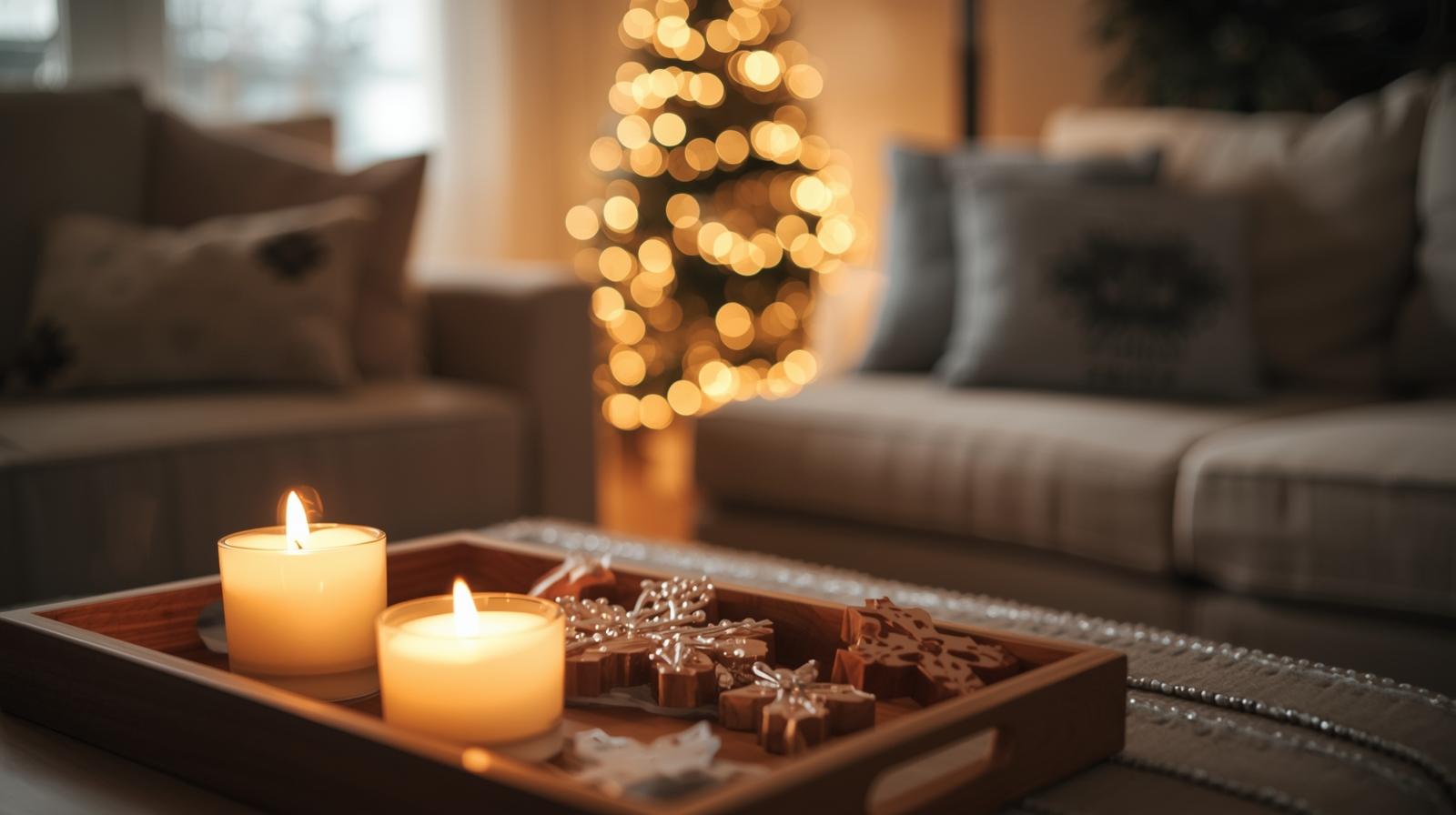
minimalistic living room at Christmas

Why “More” Isn’t What Makes Holidays Special

Somewhere along the way, holidays turned into a competition of receipts. Bigger gifts, fuller tables, more decorations—yet somehow more stress. Meaningful holidays aren’t built on how much you spend; they’re built on how present you are. The memories people carry aren’t the price tags, they’re the moments.

Set the Mood, Not the Budget on Fire

Atmosphere matters more than excess. Soft lighting, familiar scents, and a cozy space do more heavy lifting than expensive décor ever could. Candles, wax melts, or incense instantly shift a room into “holiday mode” without wrecking your wallet. Reuse what you already have and layer it differently—mix textures, swap locations, change lighting. Same items, brand-new vibe.

Traditions Beat Transactions

The holidays people remember most usually involve rituals, not shopping bags. Movie nights, baking days, storytelling, game nights, or evening walks to look at lights—these repeatable moments become anchors. They cost little, but their emotional return is huge. Pick one or two traditions and protect them every year. That consistency is what makes them special.

Thoughtful Gifts Don’t Have to Be Expensive

Meaningful gifting is about attention, not money. Consumables, handmade items, thrifted finds, or curated bundles often feel more personal than store-bought clutter. A small gift paired with a handwritten note will always hit harder than something expensive and forgettable. If it shows you know the person, you’re doing it right.

Food That Feels Like Home

Holiday meals don’t need to be elaborate to be memorable. Focus on a few comfort dishes that everyone loves instead of an overwhelming spread. Potlucks, soup nights, breakfast-for-dinner, or themed meals keep costs down and energy relaxed. Food should bring people together, not leave the host exhausted and broke.

Give Time, Not Just Things

Volunteering, baking for neighbors, writing letters, or helping someone decorate costs very little but adds depth to the season. These acts ground the holidays in connection instead of consumption. Kids especially remember how the holidays felt, not what they received.

Redefine What “Enough” Looks Like

Overspending usually comes from pressure, comparison, or guilt. Let go of the idea that holidays need to look a certain way. Your version only needs to feel right for your household. A slower pace, fewer obligations, and intentional choices often create more joy than a packed calendar ever could.

Related: My Must-Play Christmas Songs

The Real Takeaway

Meaningful holidays aren’t cheaper because they lack value—they’re richer because they focus on what matters. Warmth, familiarity, intention, and connection will always outshine excess. When you strip away the noise, what’s left is the good stuff.

Lisa Crow contributed to this article. She is a true crime junkie and lifestyle blogger based in Waco, Texas. Lisa is the Head of Content at Gigi’s Ramblings and Southern Bred True Crime Junkie. She spends her free time traveling when she can and making memories with her large family which consists of six children and fifteen grandchildren.
candy canes on table

Candy canes are one of those things that show up every December without anyone stopping to ask where they came from. They’re just there — hanging on trees, stuck in mugs, crushed on desserts. But they’ve been around a lot longer than most people think, and the story behind them is simpler (and stranger) than the holiday myths make it sound.

Where Candy Canes Actually Started

Candy canes trace back to Europe, sometime in the 1600s. Back then, they weren’t red and white, and they definitely weren’t peppermint. They were plain white sugar sticks — basically early hard candy.

One of the most common stories ties them to church services, where curved candy sticks were handed out to children to keep them quiet during long ceremonies. The hook shape made them look like shepherd’s crooks, which later helped people connect them to Christmas imagery. Whether that symbolism was intentional or just convenient storytelling came much later.

What matters is this: candy canes weren’t born as a holiday icon. They became one over time.

When Peppermint Entered the Picture

Peppermint didn’t show up until the 1800s. Before that, candy was more about sweetness than flavor. Peppermint changed everything because it was strong, familiar, and easy to recognize.

The red stripes also came later. Early candy canes were solid white. The stripes didn’t become common until candy-making techniques improved and mass production made it easier to add color consistently.

Once that happened, the look stuck.

Related: The Surprisingly Spicy History of Gingerbread

How Candy Canes Became a Christmas Staple

Candy canes didn’t really explode in popularity until the early 1900s, especially in the United States. That’s when they started showing up on Christmas trees, in stockings, and eventually in every store aisle from November to December.

American candy companies played a huge role in this. Automation made candy canes cheaper and faster to produce, and once they were easy to make, they were easy to market. From there, they became part of the season whether people questioned it or not.

Interesting Candy Cane Facts

The classic candy cane shape wasn’t easy to make by hand. For a long time, each one had to be bent individually.

Early candy canes were often softer than the ones we have now. Today’s versions are harder because they’re designed to last longer on shelves.

Peppermint became the default flavor because it masked imperfections in sugar and stayed stable longer than fruit flavors.

Crushed candy canes weren’t originally a topping. That trend came much later, once people started baking and decorating with them instead of just eating them straight.

Why They’ve Stuck Around

Candy canes are cheap, recognizable, and tied to memory. They don’t need updating or reinventing. They’re one of the few holiday items that stayed simple while everything else got louder and more complicated.

That’s probably why they still work.

Lisa Crow contributed to this article. She is a true crime junkie and lifestyle blogger based in Waco, Texas. Lisa is the Head of Content at Gigi’s Ramblings and Southern Bred True Crime Junkie. She spends her free time traveling when she can and making memories with her large family which consists of six children and fifteen grandchildren.

Cozy holiday baking scene with richly colored gingerbread cookies

A Sweet Little Legend With a Whole Lot of Spice

Gingerbread isn’t just a cute holiday cookie — it’s one of the oldest and most storied treats on the planet. This spicy, cozy classic has been everything from medieval medicine to a royal flex to a symbol of holiday warmth. And honestly? It’s kinda amazing we still bake it the same way hundreds of years later.

Let’s take a ride through its past — no corny stuff, just real history and good vibes.

Where Gingerbread Started (Hint: Not in a Christmas Kitchen)

Gingerbread goes way back — like Ancient Greece and Rome back.
Ginger was prized as a healing spice, so early versions were more like medicinal pastes or preserved ginger mixed with honey. No cute little men yet.

By the Middle Ages, Europeans were adding breadcrumbs, spices, and honey to make early gingerbread cakes. These were used to:

  • Settle stomachs
  • Freshen breath
  • Treat “melancholy” (basically medieval seasonal depression)

So yeah… gingerbread was originally mood medicine. Kinda fitting for winter.

The Queen Who Made Gingerbread Fancy

Enter Queen Elizabeth I, who absolutely loved extra stuff.
She had her bakers shape gingerbread into the likeness of visiting dignitaries — yes, she literally handed out edible portraits to impress people.

This is where gingerbread men were born.
Royal shade, but make it snackable.

Gingerbread at Festivals & Fairs

By the 1500s and 1600s, gingerbread became a festival treat. People bought it at fairs shaped like:

  • Hearts
  • Flowers
  • Animals
  • Good luck charms

Some folks even believed gingerbread carried magical properties — wearing it, gifting it, or eating certain shapes to attract love or protection.
Basically the original Pinterest manifestation board.

Germany Takes It to a Whole New Level

Germany said, “That’s cute, but watch this,” and created Lebkuchen, the iconic gingerbread cookies decorated with intricate icing.
Then came gingerbread houses, inspired by — you guessed it — the Hansel & Gretel fairy tale.

These became a holiday staple because:

  • They looked festive
  • They doubled as décor
  • And kids loved them (still do)

The tradition spread everywhere and now even adults find themselves elbows-deep in royal icing like contestants on a baking show.

How Gingerbread Became a Christmas Must-Have

Ginger was warming, rare, and expensive — so gingerbread naturally aligned with winter feasts. Eventually, it got tied tightly to Christmas traditions because:

  • It stores well
  • It smells like a holiday mood
  • And it feels nostalgic even if you didn’t grow up eating it

Some families bake the same recipe every year. Others go full engineering mode with elaborate gingerbread mansions.
Either way — it’s officially part of December’s DNA.

The Sweet Symbolism

Beyond taste, gingerbread carries themes of:

  • Warmth
  • Home
  • Creativity
  • Festivity
  • Good luck and prosperity

A simple cookie that still somehow manages to feel like love, memory, and holiday magic baked together.

Lisa Crow contributed to this article. She is a true crime junkie and lifestyle blogger based in Waco, Texas. Lisa is the Head of Content at Gigi’s Ramblings and Southern Bred True Crime Junkie. She spends her free time traveling when she can and making memories with her large family which consists of six children and fifteen grandchildren.
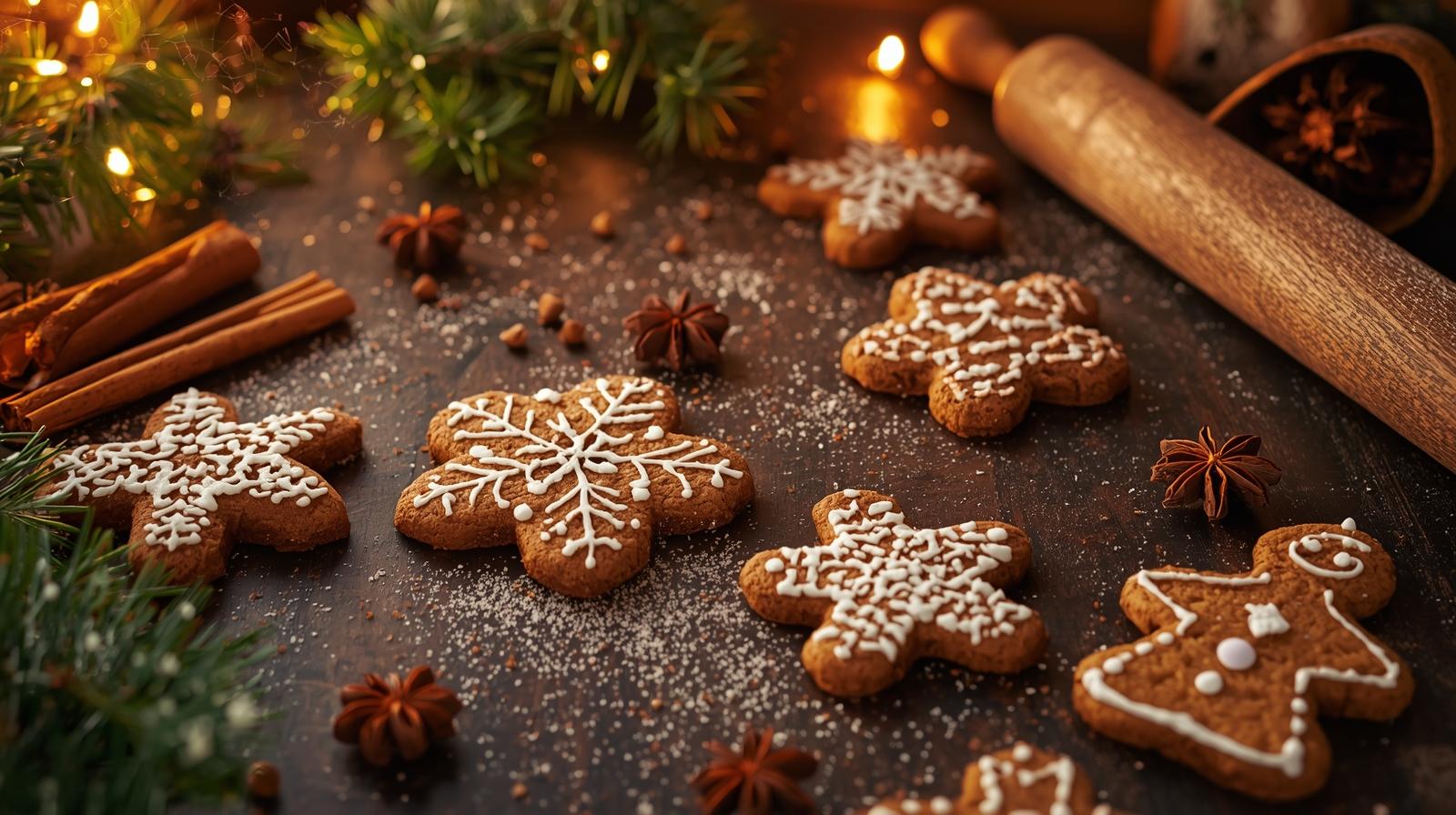
Cozy Christmas living room with warm lighting, decorated tree, glowing fireplace, garland, twinkle lights, vintage record player

The Kinds of Christmas Songs That Feel Like Home

Music sets the whole mood for my holidays. I don’t need flashy pop remakes or overplayed radio hits—I’m absolutely not a Mariah Carey or Taylor Swift Christmas girl. “All I Want for Christmas Is You” hits my nerves like a packed Walmart parking lot on Christmas Eve. No offense if it’s your jam, but it sure ain’t mine.

My heart belongs to the real Christmas music—the songs that take me straight back to Concord Baptist Church. I can still see those wooden pews, smell the old hymnals, and feel that nervous excitement of stepping onto the stage for the annual Christmas program. Years later, I watched my own babies standing in that same spot, singing their little hearts out. Those memories helped to build my Christmas soundtrack.

My Favorite Traditional Songs

These are the ones that instantly settle my spirit and remind me why this season matters in the first place. They feel warm, reverent, and full of childhood magic.

  • Silent Night
  • Away in a Manger
  • God Rest Ye Merry Gentlemen
  • Carol of the Bells
  • O Christmas Tree
  • The Twelve Days of Christmas
  • We Wish You a Merry Christmas
  • Hallelujah

When these start playing, everything else slows down. After all, Jesus is the reason for the season, and these songs are a reminder for me.

The Fun & Lighthearted Must-Plays

Even though I’m a sucker for the church classics, I love mixing in the playful ones too—the songs that remind me of childhood Christmas cartoons, wrapping paper everywhere, and my kids dancing around the living room.

  • Rudolph the Red-Nosed Reindeer
  • Frosty the Snowman
  • Jingle Bells
  • Santa Claus Is Coming to Town
  • Rockin’ Around the Christmas Tree

They’re simple, cheerful, and they always make me smile.

The Classics I’ll Never Skip

And then there are the legends—the voices that make Christmas feel rich, cozy, and timeless. These songs hit different, and they get played on repeat all December long.

  • Elvis – Blue Christmas
  • Bing Crosby – White Christmas
  • The Temptations – Silent Night
  • Alan Jackson – Let It Be Christmas
  • George Strait – Christmas Cookies
  • Michael Bublé – Holly Jolly Christmas
  • José Feliciano – Feliz Navidad

These are the songs that fill my house, my car, and my whole mood during the holidays. Really, I’ll listen to just about anything as long as it’s not Mariah or Taylor, bless their hearts.

Why This Playlist Means So Much

My Christmas playlist isn’t just background noise. It’s memories. It’s tradition. It’s sitting in that old church as a little girl and watching my own kids years later on that same stage. It’s the warmth that comes from songs sung for generations. And it’s the joy that still sneaks up on me each December when the right song hits at the right time.

These are the songs that make the season bright.

Lisa Crow contributed to this article. She is a true crime junkie and lifestyle blogger based in Waco, Texas. Lisa is the Head of Content at Gigi’s Ramblings and Southern Bred True Crime Junkie. She spends her free time traveling when she can and making memories with her large family which consists of six children and fifteen grandchildren.
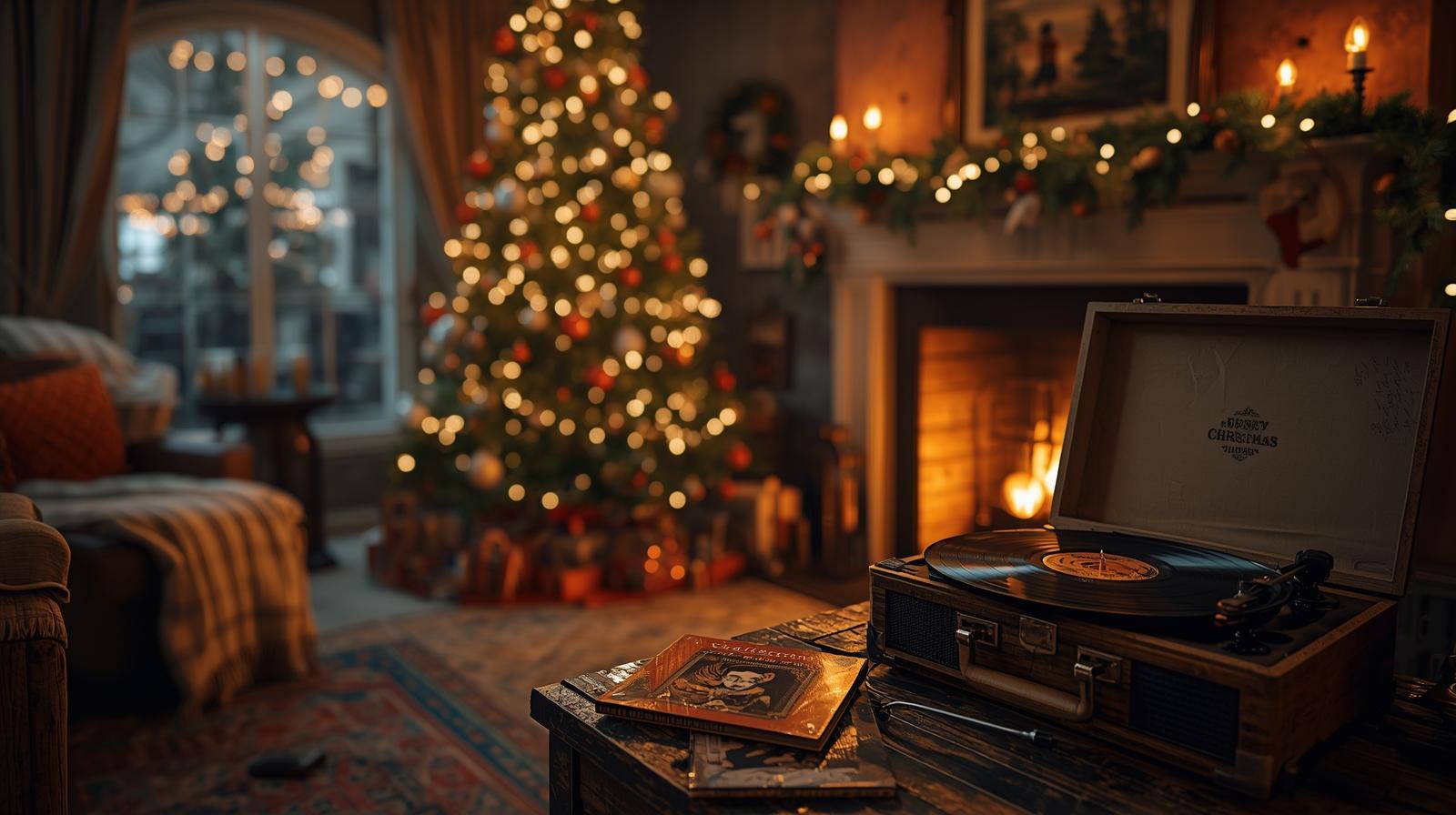
Christmas Carol

The One Story I Come Back To Every Year

If there’s one Christmas story I never get tired of, it’s A Christmas Carol. I love it in every form. The old ones, the original, Hallmark’s reinvention, the Muppets, Mickey—if it exists, I’ve watched it. And not just once. I watch them multiple times every year because that story never loses its hold on me. I’ve been hooked ever since La Vega Elementary took us on a field trip to see it in the 2nd grade.

A Simple Friday Night That Hit Just Right

Last night we did our usual Friday night Christmas lights and movie night. Nothing fancy. We just rode around, looked at lights, talked, and enjoyed the quiet. As we were driving, Waco Wonderland’s annual firework show kicked off. We weren’t headed there, but we ended up with a perfect view anyway, which honestly made it even better.

Ending the Night With My Favorite Version

When we got home, I made us each a mug of hot cocoa, and we settled in for the Jim Carrey Disney version of A Christmas Carol. This one ranks high for me. It’s dramatic, a little eerie, and still manages to keep the heart of the story. I’ve seen it more times than I can count, but it never feels old.

Why It Sticks With Me

There’s something about this story that always pulls me in. It hits every time—redemption, reflection, and the reminder to pay attention to the people around you. Maybe that’s why it’s the one Christmas story I keep going back to year after year. It feels familiar in the best way.

festive yule log

A cozy, old-world tradition with deeper roots than most folks realize.

What Exactly Is the Yule Log?

The Yule log started as a massive piece of wood burned during the winter solstice celebrations across Northern Europe. Long before Christmas décor aisles and festive candles, this was a ritual meant to bring warmth, protection, and good fortune into the home during the darkest days of the year.

Its Pagan Roots: Winter, Fire, and Survival

Long before Christianity, folks celebrated Yule — a midwinter festival marking the return of the sun. Communities would:

  • Select the largest, sturdiest log they could find
  • Decorate it with greenery, carved symbols, or wine
  • Burn it for 12 nights straight as a blessing for the coming year

Fire wasn’t just heat. It symbolized rebirth, protection from evil, and hope when daylight was scarce. The bigger the log, the better the fortune.

How the Yule Log Became a Christmas Tradition

As Christianity spread, old customs blended with new celebrations. The church didn’t cancel the Yule log — they embraced it. The burning log became part of Christmas festivities, especially across France, England, Scandinavia, and Germany.
Families believed the ashes of the log protected their homes and livestock. Some even saved a chunk of the log to light the next year’s fire, keeping the tradition continuous.

When the Fireplace Shrunk, the Yule Log Evolved

By the 19th century, people didn’t have giant hearths anymore. So the Yule log became symbolic instead of literal. That’s when new versions appeared:

  • Decorative carved wooden logs
  • Logs wrapped in greenery
  • The famous bûche de Noël, aka the Yule log cake
  • Candles shaped like logs
  • Modern wax melt and incense versions (perfect for Mama Crow’s vibe)

The meaning stayed the same: warmth, abundance, protection, and brighter days ahead.

What the Yule Log Represents Today

Even if you’re not burning a whole tree in the living room, the symbolism still hits:

  • Welcoming light during dark winter months
  • Letting go of the past year’s struggles
  • Inviting good fortune and positive energy
  • Celebrating togetherness and simple comfort

People use Yule log décor, candles, or melts to set that same cozy, old-world holiday mood.

How to Use the Tradition in Modern Decor

If you’re blending old traditions with southern charm:

  • Use a chunky piece of dark wood as a centerpiece
  • Add evergreens, dried oranges, and cinnamon sticks
  • Place wax melts or incense on or around the log
  • Keep the lighting warm, golden, and inviting
  • Use it as a reminder to slow down and soak in the season

Final Thoughts

The Yule log isn’t just a cute holiday decoration — it’s a tradition rooted in centuries of warmth, hope, and protection. Whether you burn the real thing or light up a cozy melt from Mama Crow’s, you’re carrying on a ritual that once meant survival, comfort, and the promise of brighter days.

Lisa Crow contributed to this article. She is a true crime junkie and lifestyle blogger based in Waco, Texas. Lisa is the Head of Content at Gigi’s Ramblings and Southern Bred True Crime Junkie. She spends her free time traveling when she can and making memories with her large family which consists of six children and fifteen grandchildren.
home decorated for Christmas

Image created with Canva AI

Why This Debate Comes Up Every Year

As soon as the holidays roll in, folks start choosing sides. Some love the nostalgia of a real Christmas tree. Others can’t imagine giving up the convenience of a fake one. Most families land somewhere in the middle, which is why this debate never dies.

Why Real Trees Still Win Hearts

A real tree fills a home with a scent you simply can’t fake. That burst of fresh evergreen when you walk into a room instantly sets the mood. The natural shape, the soft needles, and the classic feel all play into the magic.
The formal tree in the living room is the only live one here, always either a Fraser fir or a Noble fir — the bigger the better. The smell, the texture, the whole experience is part of what makes Christmas feel real.

Why Fake Trees Are the Practical Favorite

Fake trees are easy, reliable, and versatile. You can get them pre-lit, slim, flocked, short, tall — whatever suits your space. They don’t shed, don’t need watering, and stay picture-perfect for the entire season.
That’s why they’re perfect for homes with multiple trees. Three of them stay up every year: one in the dining room, one in the master bedroom, and one upstairs. There might even be another added this season.

Finding Your Perfect Fit

The real question is what fits your life and your traditions. If you enjoy picking out a tree every year and love that natural smell, real is the way to go. If convenience and consistency make the season smoother, a fake one might be your match.
Many people mix both — a grand real tree in the main living area and artificial ones throughout the house. It keeps decorating fun without piling on stress.

Final Thoughts

Real or fake, your Christmas tree becomes the backdrop of the season. It’s where the memories happen, where the gifts pile up, and where the glow feels warmest. The best tree is the one that makes your home feel magical.

Lisa Crow contributed to this article. She is a true crime junkie and lifestyle blogger based in Waco, Texas. Lisa is the Head of Content at Gigi’s Ramblings and Southern Bred True Crime Junkie. She spends her free time traveling when she can and making memories with her large family which consists of six children and fifteen grandchildren.
Truly magical, in my opinion.

There’s really nothing that I don’t love about the Christmas holidays. Fall is my favorite season, but Christmas has always been and will always be my favorite holiday. Once Thanksgiving dinner has been served and football games have ended, we head out in search of the perfect tree.

For me, Christmas is a holiday that brings an abundance of love, laughter, happiness, and Jesus Christ into our home. It is rarely ever a White Christmas (because it never snows in Texas), but it is undeniably the most beautiful time of the year.

Christmas tree

Trees, Lights, Mistletoe, Stockings and Candy Canes….These are a few of my Favorite Things

The smell of a freshly cut Douglas Fir and twinkling lights pull at my heartstrings, always taking me on a nostalgic trip down memory lane of Christmases past. Fall scented candles and wax melts are replaced with cinnamon and pine.

I absolutely love decorating for all occasions, but this one is extra special. Thanksgiving evening all of the pumpkins and scarecrows come down and the tree and lights start to go up. Stockings are hung by the chimney with care, while reindeer are strategically placed on the lawn. This process usually takes the entire weekend, but I don’t mind.

Reindeer

Christmas Eve Traditions

Christmas traditions in my family have been the same every year for as long as I can remember. Christmas Eve is always the festive day for my bunch. When I was a child and when my kids were little, we always participated in the church Christmas play. Some of my fondest childhood memories were made on that little stage at Concord Baptist Church. My youngest daughter actually got to play baby Jesus when she was just a few weeks old – priceless. It makes me sad my grandchildren don’t attend this church to carry on this tradition.

Once the goodie-filled stockings were passed out at church, we would head home to open our gifts from family members while watching Santa’s sleigh on the 10 pm news. As a child, Christmas Eve festivities were always held at my grandparents’ house – until I had all my kids, then it was moved to my house. My parents, my kids, and grandkids still come over to open presents and eat some delicious tamales on the 24th.

I know everyone does Christmas differently. For my family, gifts from the parents and other family members are wrapped and placed under the tree to be opened on Christmas Eve. Christmas morning, the kids wake up to unwrapped gifts from Santa. I realize a lot of kids receive wrapped gifts from Santa, but we never have.

Santa

My dad always threatened us girls with black marks on the bottom of our feet if we were being bad. I’m pretty sure he made that up, I’ve never known anyone else who was familiar with this tale. We believed if we had misbehaved throughout the year Santa may mark the bottom of our feet with coal instead of leaving gifts.

It was so funny, every Christmas morning we checked the soles of our feet before running to the living room to see what had been left under the tree. Regardless of how deserving, none of us ever received black marks.

Christmas ornament

Christmas Day 

The 25th is usually pretty chill around my house. It’s more of a day of reflection more than anything else for me. When my Grandma was alive we would go to her house Christmas Day, but since she’s gone I just stay around the house trying out my gifts, watching parades and basketball on TV. When my kids were little I had to share holidays with their dad, so they always left Christmas Day. Now that they are grown, they spend it with their own kids and in-laws. I don’t mind, it’s almost like a day to recover from all the festivities.

rawpixel

One last thing I love about the holiday is that it’s so close to the new year. Do you ever imagine what it would be like if Christmas was not in December? It would be weird right? We wouldn’t get to say “Merry Christmas and Happy New Year” at the same time. It brings a joyous close to a long holiday season.

These are just a few reasons why I love the holidays so much! Feel free to share some of your favorite holiday memories and traditions!

Happy New Year

I want to wish all of you a very Merry Christmas and a Happy New Year from my family to yours!

Lisa Crow contributed to this article. She is a travel writer and lifestyle blogger based in Waco, Texas. Lisa is the Head of Content at Gigi’s Ramblings. She spends her free time traveling when she can and making memories with her large family which consists of six children and fifteen grandchildren.