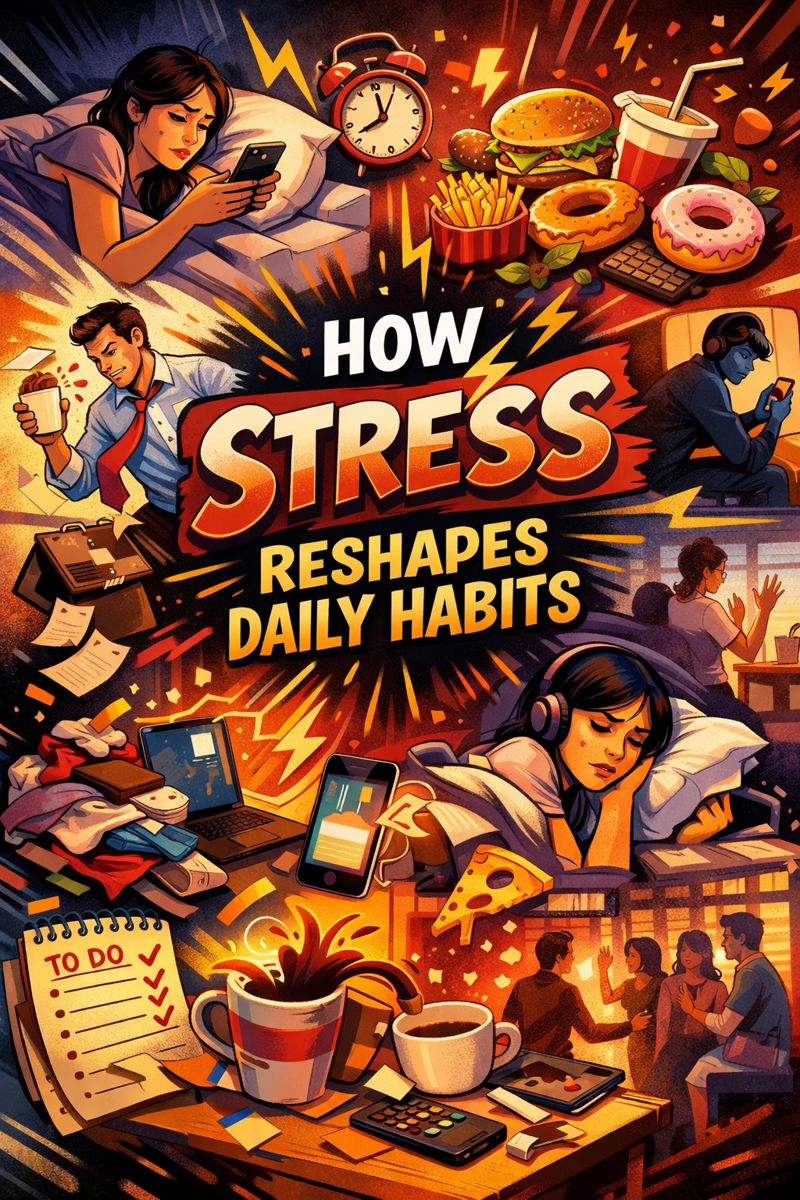
Stress doesn’t just affect emotions; it quietly changes routines, behaviors, and even basic daily decisions. Over time, these small shifts become new habits, which is why many people don’t recognize the effects of stress on routine until they feel completely burned out. Understanding how stress reshapes daily habits can help you spot the signs early and regain control.
Stress Changes How Your Day Starts
Morning routines are often the first thing stress disrupts. When your brain feels overwhelmed, it looks for quick comfort instead of structure. As a result, you might reach for your phone immediately, skip breakfast, or rush through getting ready. These choices are not about laziness; they reflect mental fatigue and decision overload. Because stress drains cognitive energy, your brain defaults to the easiest possible actions. Over time, this reactive start replaces a calm, intentional morning, which sets a rushed and anxious tone for the rest of the day.
Eating Habits Shift in Subtle Ways
One of the most common stress behavior changes involves food. While some people overeat, others lose their appetite completely. Additionally, cravings often increase for sugar and processed carbs because the body wants fast energy during perceived “threat” states. This happens due to cortisol, a stress hormone that affects hunger and blood sugar regulation. As stress continues, normal hunger cues get ignored or overridden, leading to irregular meals, late-night snacking, or emotional eating patterns. These changes can feel confusing, especially when you don’t connect them to stress.
Related: Why I Value Stability Now
Sleep Patterns Get Disrupted
Another major area affected by chronic stress symptoms is sleep. Even when the body feels exhausted, the mind may stay alert because stress keeps the nervous system in a state of high vigilance. Consequently, people often struggle to fall asleep, wake up during the night, or feel unrefreshed in the morning. Poor sleep then raises stress levels further, creating a cycle that is hard to break. Because sleep impacts mood, focus, and energy, this disruption spills into every other part of daily life.
Focus and Productivity Decline
Stress also interferes with concentration and task completion. When the brain is overloaded, even simple responsibilities can feel overwhelming. This is not a motivation issue; it is a neurological response to pressure. The brain shifts into survival mode, prioritizing immediate concerns over long-term planning. Therefore, emails go unanswered, chores pile up, and small tasks feel disproportionately difficult. Many people label this as procrastination, but in reality, it is a sign of mental bandwidth being stretched too thin.
Social Habits Quietly Change
Although it often goes unnoticed, stress affects social behavior too. When energy levels drop, interacting with others can start to feel draining instead of enjoyable. As a result, people cancel plans more often, delay responding to messages, or withdraw from social activities altogether. Unfortunately, isolation can increase stress, which deepens the cycle. Recognizing this pattern is important because connection and support are key buffers against long-term stress effects.
Free Time Stops Feeling Restful
Even relaxation can change under stress. Instead of truly unwinding, people often multitask during downtime by scrolling on their phones or half-watching television while worrying about responsibilities. This happens because the nervous system remains in fight-or-flight mode, making it difficult to feel safe enough to fully relax. Consequently, hobbies feel less enjoyable, and rest doesn’t feel restorative. Over time, this leads to emotional exhaustion and a sense that there is never a real break.
Related: The Appeal of “Digital Detox” Weekends
Why These Changes Feel “Normal”
The tricky part about stress and daily habits is how gradual the shift can be. Because the changes happen slowly, they start to feel like personality traits instead of stress responses. Someone might say they are “bad at mornings” or “just not social anymore,” without realizing these patterns developed during prolonged stress. When survival mode becomes the baseline, calm can feel unfamiliar.
How to Gently Reset Your Habits
The good news is that routines can shift back with small, consistent actions. Instead of attempting a complete life overhaul, it helps to focus on signals of safety and stability. For example, drinking water when you wake up, eating regular meals, and setting a simple wind-down routine before bed can help regulate the nervous system. Short breaks during the day, even just a few minutes of deep breathing, can also reduce stress buildup. These small adjustments gradually teach the brain that it is safe to step out of constant alert mode.
Final Thoughts on Stress and Routine Changes
Stress doesn’t stay contained in your thoughts; it shows up in your schedule, sleep, eating patterns, and social life. Because these shifts happen slowly, they often go unnoticed until exhaustion sets in. By recognizing the effects of stress on routine, you can respond with awareness instead of self-criticism. Small, steady changes can rebuild healthy habits and help your nervous system return to balance.
Lisa Crow contributed to this article. She is a true crime junkie and lifestyle blogger based in Waco, Texas. Lisa is the Head of Content at Gigi’s Ramblings and Southern Bred True Crime Junkie. She spends her free time traveling when she can and making memories with her large family which consists of six children and fifteen grandchildren.