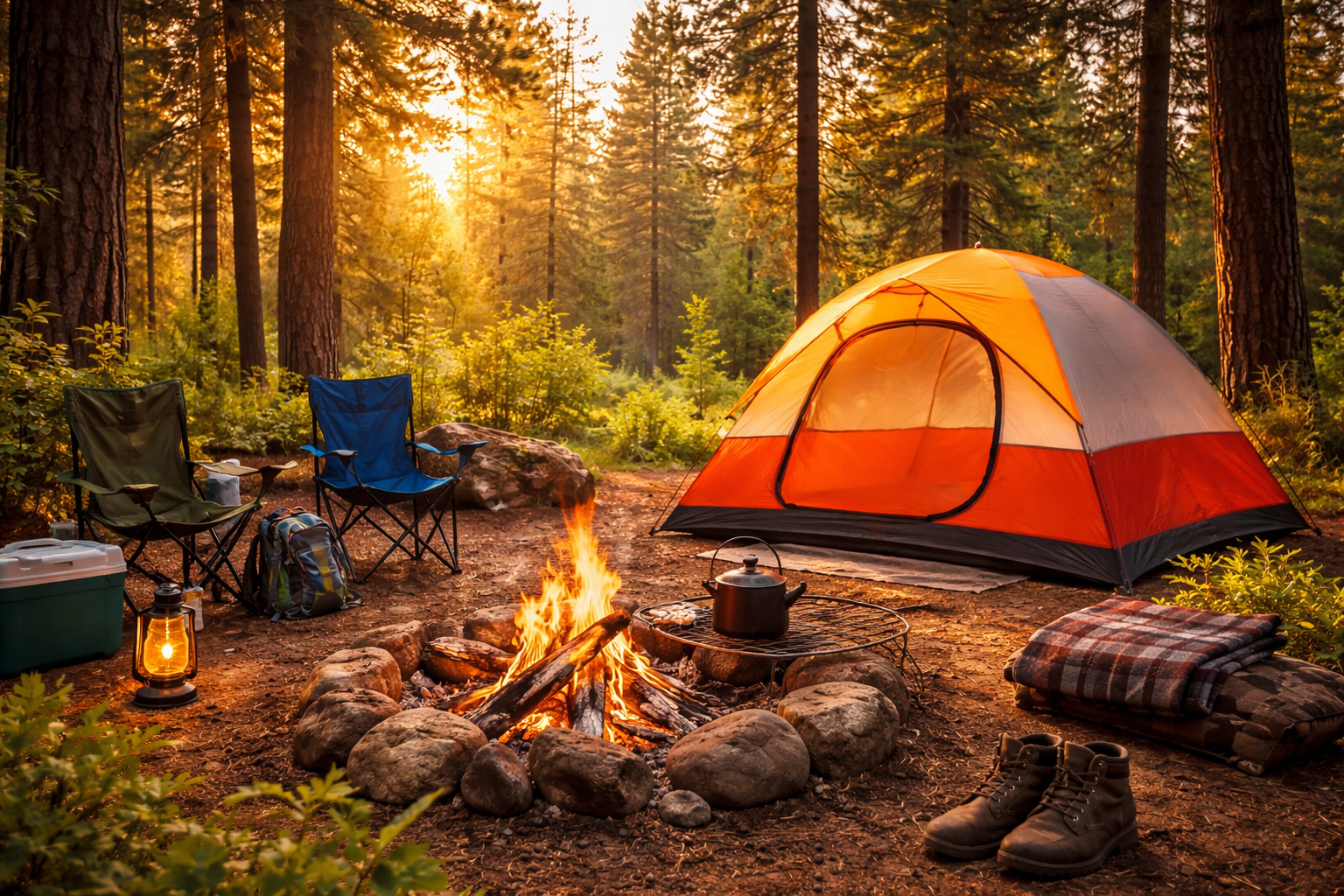
Orange camping tent set up in a peaceful forest campsite with a glowing campfire, camping chairs, lantern, and gear surrounded by tall pine trees at sunset.

Camping sounds simple enough. You grab a tent, head out to the woods, and enjoy nature, right? Well… not exactly. First-time campers often discover pretty quickly that a little preparation goes a long way.

The good news is that most first-time camping mistakes are easy to avoid once you know what to look out for. If you plan ahead and keep things simple, your trip can be relaxing, fun, and something you will want to do again.

We absolutely love camping and try to go a few times a year, usually starting around March when the weather begins to warm up. Every trip teaches you something new. Over time you learn what works, what you forgot, and what you definitely do not want to deal with again.

If you are planning your first trip, here are some of the most common mistakes first-time campers usually make and how to avoid them.

Bringing Way Too Much Stuff

One of the biggest beginner camping mistakes is overpacking. When people picture camping, they often imagine needing every tool, gadget, and extra supply imaginable. I’ve been camping my whole life and still guilty of this. I pack so much that never makes it out of the bag.

In reality, camping is much more enjoyable when you keep things simple.

Instead of packing your entire house, focus on the basics:

Overpacking creates clutter and makes setting up camp stressful. Plus, if you are hiking to your campsite, carrying too much gear quickly becomes miserable.

A simple setup is usually the best setup.

Not Practicing Setting Up the Tent

Nothing humbles a new camper faster than trying to set up a tent for the first time in the dark.

It happens more often than you would think. People arrive at their campsite late in the evening, open the tent bag, and suddenly realize the instructions might as well be written in another language.

Before your trip, set up the tent in your backyard or living room. It only takes a few minutes and helps you understand how everything fits together.

Practicing once makes campsite setup much smoother and prevents unnecessary frustration.

Related: How to Camp Without Losing Your Everlovin’ Mind

Ignoring the Weather Forecast

Another common first-time camping mistake is not checking the weather before leaving.

Weather can change quickly, especially in spring. Since we usually start camping trips around March, we always check the forecast a few days ahead of time and again right before leaving.

You do not need to cancel a trip because of light rain, but you should pack accordingly. Bring things like:

  • Rain jackets
  • Extra socks
  • A tarp or ground cover

Staying dry makes a huge difference when you are camping.

Choosing the Wrong Campsite

Not all campsites are created equal. Beginners sometimes pick spots without thinking about things like terrain, shade, or proximity to water.

When you arrive, take a minute to look around before setting up your tent. Try to choose a location that is:

  • Flat and level
  • Slightly elevated so water drains away
  • Away from strong wind
  • Not directly under dead branches

A good campsite makes sleeping much more comfortable.

Forgetting Proper Lighting

It gets dark outside much faster than people expect when camping.

Once the sun goes down, you will quickly realize how important lighting is. First-time campers sometimes bring a single flashlight and assume that will be enough.

Instead, bring a few lighting options like:

  • Headlamps
  • Lanterns
  • Extra batteries

Headlamps are especially useful because they keep your hands free while cooking, setting up gear, or walking around camp.

Not Planning Simple Meals

Food can become complicated very quickly when camping, especially if you try to cook elaborate meals.

First-time campers sometimes pack ingredients for meals that require multiple pans, precise timing, or complicated prep work. That usually leads to frustration and a lot of cleanup.

Simple meals work best outdoors. Think things like:

  • Hot dogs
  • Foil packet meals
  • Sandwiches
  • Instant oatmeal
  • Eggs and bacon for breakfast

The easier the meal, the more time you have to relax and enjoy the outdoors.

Forgetting About Bugs

Nature is beautiful, but bugs are part of the package.

Many beginners forget to pack bug spray or assume it will not be a big deal. Unfortunately, mosquitoes and other insects tend to disagree.

A few simple items can make a big difference:

These small precautions make evenings around the campfire much more enjoyable.

Not Respecting Campfire Safety

Campfires are one of the best parts of camping, but they require a little responsibility.

First-time campers sometimes build fires that are too large or leave them unattended. Always follow campground rules and keep fires in designated fire rings.

Before leaving or going to bed, fully extinguish the fire with water and stir the ashes until everything is cool.

A safe campfire keeps everyone happy and protects the campground.

Related: Toss It, Wrap It, Eat It: Foil Pack Magic

Expecting Everything to Be Perfect

Finally, one of the biggest mistakes new campers make is expecting everything to go perfectly.

Camping has a way of throwing little surprises at you. Maybe the wind picks up, the fire takes longer to start, or dinner turns out slightly overcooked.

That is part of the experience.

Instead of stressing over small issues, laugh them off and enjoy the adventure. Some of the best camping memories come from the things that did not go exactly as planned.

Final Thoughts

Camping is one of the best ways to unplug, relax, and spend time outdoors. Once you avoid the most common first-time camping mistakes, the experience becomes much more enjoyable.

With a little preparation, the right gear, and a relaxed attitude, your first camping trip can turn into the start of a great tradition.

For us, camping trips are something we look forward to every year. Once March rolls around, we start planning a few getaways whenever we can. There is just something about fresh air, a campfire, and sleeping under the stars that never gets old.

And the best part is that every trip gets easier once you learn what works.

Lisa Crow contributed to this article. She is a true crime junkie and lifestyle blogger based in Waco, Texas. Lisa is the Head of Content at Gigi’s Ramblings and Southern Bred True Crime Junkie. She spends her free time traveling when she can and making memories with her large family which consists of six children and fifteen grandchildren.
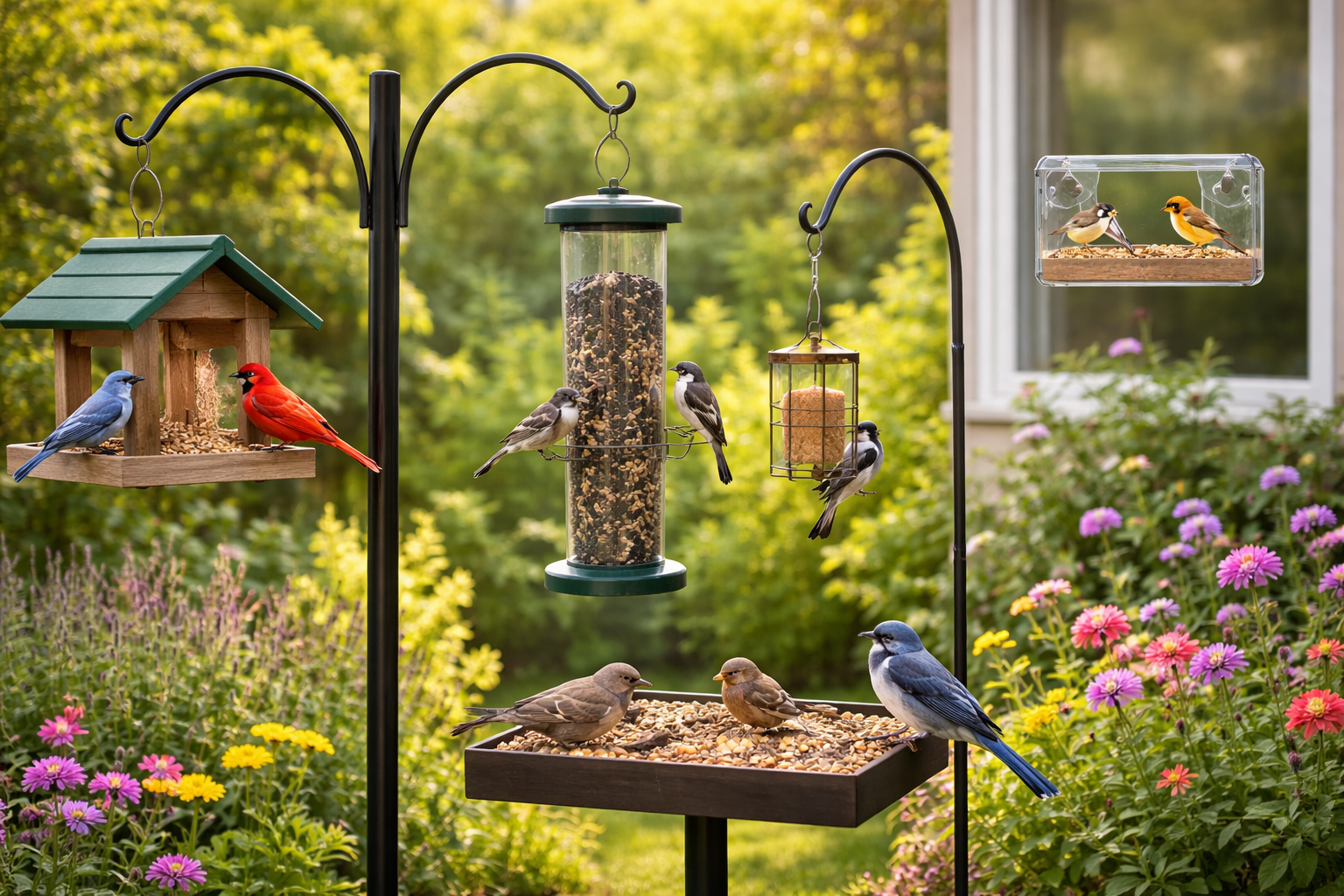
A bright backyard with a variety of bird feeders including a tube, hopper, platform, suet, and window feeder. Colorful birds like cardinals, finches, and jays perch and eat from the feeders, surrounded by green shrubs and blooming flowers.

This article contains Amazon affiliate links

If you have ever hung a bird feeder in the backyard and waited for birds to magically appear, you already know the truth. Some feeders look great but barely attract anything except squirrels and frustration. Others, however, turn your yard into a nonstop bird hangout. And, yes, I am now at the age where I know these things, sigh.

The secret is not just putting out seed. The design of the feeder matters. Certain styles attract specific birds, protect food from rain, and keep pests from stealing everything.

If you want a backyard that is full of chirping, fluttering wings, and colorful visitors, these bird feeders actually work.

Tube Feeders: The Reliable Crowd Pleaser

Tube feeders are one of the most effective bird feeders you can buy. They are simple, durable, and attract a wide variety of birds.

A typical tube feeder is a vertical cylinder with multiple feeding ports and perches. Birds cling to the perches while pulling seeds from the small openings.

Because the feeding ports are small, tube feeders work especially well with seeds like black oil sunflower seeds or nyjer seed. Smaller birds love these feeders because they feel safer perched upright instead of sitting in open trays.

You will commonly see birds like:

  • Chickadees
  • Finches
  • Titmice
  • Nuthatches

Another advantage is that tube feeders waste less seed. Birds take what they need instead of digging through piles of food and throwing half of it on the ground.

Place the feeder about five feet off the ground and close to a tree or shrub. Birds like having a quick escape route nearby if a predator shows up.

Related: DIY Gardening: Tips for Starting Your Spring Garden

Hopper Feeders: The Classic Backyard Favorite

Hopper feeders look like tiny houses hanging from a pole or tree branch. They hold a large amount of seed and automatically refill the tray as birds eat.

These feeders are perfect if you want to attract a variety of birds instead of targeting just one type. Cardinals, blue jays, sparrows, and woodpeckers all tend to visit hopper feeders.

Because they hold more seed, hopper feeders require less refilling. That makes them great for busy households or anyone who does not want to constantly top off their feeder.

However, there is one downside. If the feeder is not well designed, rain can get inside and ruin the seed. Always choose a hopper feeder with a slanted roof and good drainage.

You will also want one that is squirrel-resistant if squirrels are common in your area. Otherwise, they will treat your feeder like an all-you-can-eat buffet.

Platform Feeders: Perfect for Larger Birds

Platform feeders are exactly what they sound like. They are flat trays that hold bird seed out in the open.

These feeders are excellent for birds that prefer space while eating. Cardinals, mourning doves, and jays often avoid small perches but happily eat from an open platform.

Another benefit is flexibility. You can place different foods on a platform feeder, including:

  • Sunflower seeds
  • Cracked corn
  • Peanuts
  • Fruit pieces

Because the food is exposed, you will want a platform feeder with good drainage. Wet seed molds quickly, and moldy seed can make birds sick.

Many bird lovers mount platform feeders on poles with baffles to keep squirrels from climbing up.

Related: How Bees Talk to Each Other (and Why It Matters)

Suet Feeders: A Must for Woodpeckers

If you want woodpeckers in your yard, a suet feeder is almost essential.

Suet is a high-energy food made from animal fat and often mixed with seeds, berries, or insects. It is especially popular during cooler months when birds need extra calories.

Suet feeders usually hold square cakes of suet inside a wire cage. Birds cling to the cage while pecking pieces off the block.

Birds that commonly visit suet feeders include:

  • Woodpeckers
  • Nuthatches
  • Chickadees
  • Wrens

These feeders are best hung near tree trunks or mounted on poles where clinging birds feel comfortable.

During hot summer months, consider using “no melt” suet to avoid a greasy mess.

Window Feeders: Up Close Birdwatching

Window feeders attach directly to a window using suction cups. They allow you to watch birds just inches away from inside your home.

These feeders are great for people who do not have large yards or who simply enjoy close birdwatching. They usually hold a small amount of seed and attract birds that are comfortable near houses.

Finches, chickadees, and sparrows are frequent visitors.

One surprising advantage of window feeders is safety. Because they sit directly against the window, birds are less likely to collide with the glass compared to feeders placed farther away.

Just remember to clean them regularly. Since they are small, seed debris and droppings can build up quickly.

Related: Beekeeping in Early Spring: What Every Beginner Should Know

The Secret Ingredient: The Right Bird Seed

Even the best feeder will not work if the food inside it is low-quality. Many cheap seed mixes contain fillers like milo and cracked corn that most birds ignore.

Black oil sunflower seeds are one of the best universal options. They attract a wide range of birds and provide plenty of energy.

Nyjer seed is excellent for attracting finches, while peanuts and suet bring in woodpeckers and jays.

Fresh seed also matters. Old seed can become moldy or lose its scent, making it less appealing to birds.

Placement Makes a Huge Difference

Where you place your feeder can determine whether birds visit or ignore it.

Birds prefer feeding areas that feel safe. Ideally, feeders should be placed:

  • Five to six feet off the ground
  • Near shrubs or trees for quick cover
  • Away from heavy foot traffic

Avoid placing feeders too close to fences or railings where cats can hide and ambush birds.

It also helps to be patient. Sometimes it takes birds a few days or even weeks to discover a new feeder.

Final Thoughts

Bird feeding is one of the simplest ways to bring life and movement into your backyard. The key is choosing feeders that birds actually like using.

Tube feeders, hopper feeders, platform feeders, suet cages, and window feeders all serve different purposes. When combined with quality seed and smart placement, they can transform even a quiet yard into a busy bird sanctuary.

Once birds learn that your backyard is a reliable food source, they will keep coming back. And before long, you might find yourself grabbing a cup of coffee in the morning just to sit and watch the daily bird traffic.

Lisa Crow contributed to this article. She is a true crime junkie and lifestyle blogger based in Waco, Texas. Lisa is the Head of Content at Gigi’s Ramblings and Southern Bred True Crime Junkie. She spends her free time traveling when she can and making memories with her large family which consists of six children and fifteen grandchildren.

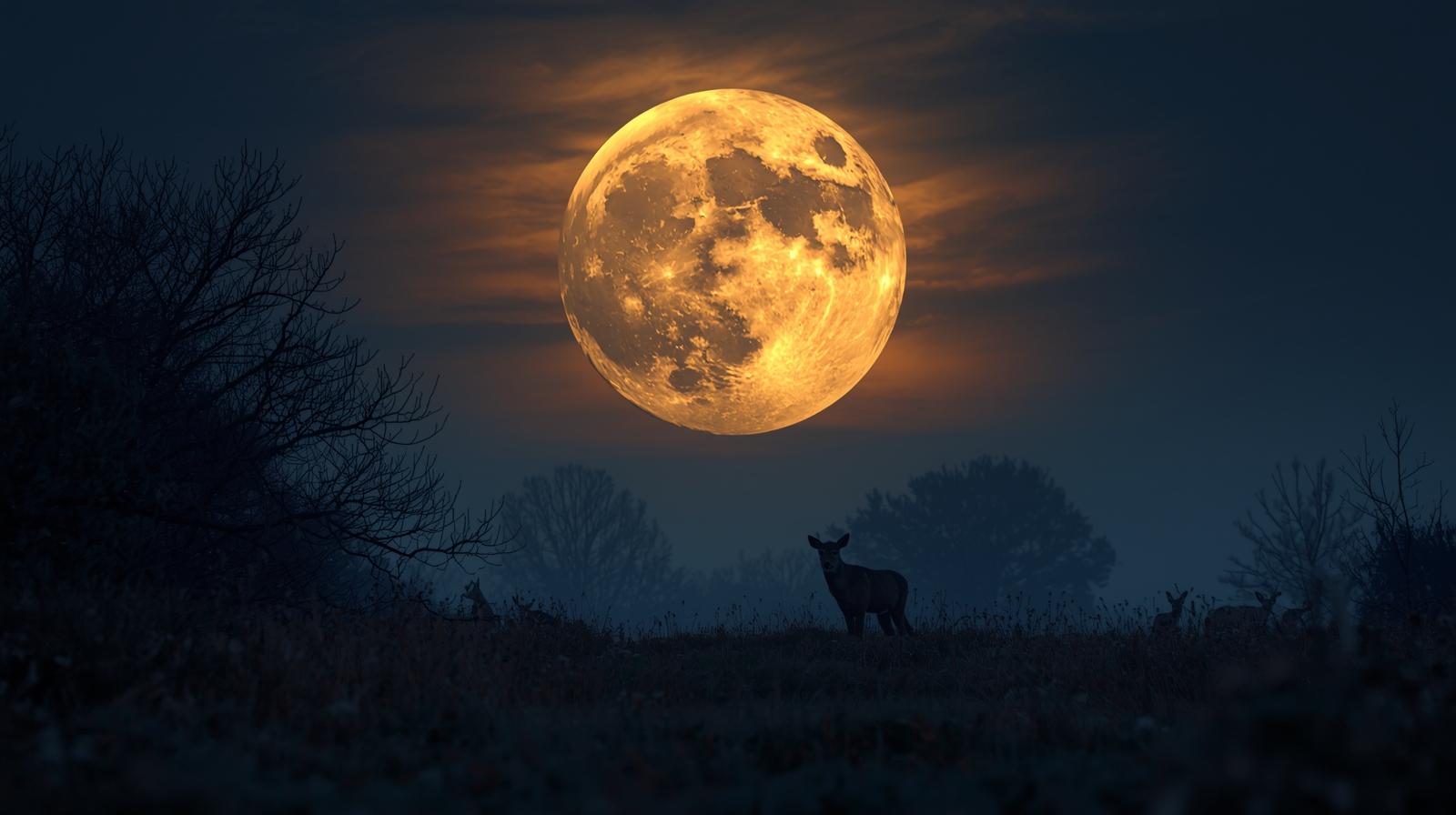
hunters moon overlooking a meadow with deer

The Harvest Moon is one of the most iconic full moons of the year. Known for its brilliant glow and strong ties to farming traditions, this full moon has guided harvests, inspired festivals, and filled autumn skies with light for generations. In 2025, the Harvest Moon will rise in October — and it will also appear as a super moon, shining bigger and brighter than usual.

What is the Harvest Moon?

The Harvest Moon is the full moon closest to the autumn equinox, which happens around September 22–23 each year. While many expect it in September, some years the timing places it in October — and 2025 is one of those years.

Its name comes from its practical purpose in the past. Long before electricity, farmers relied on this full moon to provide extra light in the evenings, helping them bring in crops after sunset. The Harvest Moon made it possible to work later into the night, ensuring fields were cleared and stored food was ready for the colder months ahead.

Unlike most full moons, which rise about 50 minutes later each night, the Harvest Moon rises only 30–35 minutes after sunset for several days in a row. This creates a stretch of unusually bright evenings, perfectly timed for harvest work — or today, for moonlit walks and stargazing.

Why the 2025 Harvest Moon is Special

This year’s Harvest Moon won’t just be bright — it will be a super moon. A super moon occurs when the moon reaches its closest point to Earth (perigee) at the same time it becomes full. The result is a moon that can appear up to 14% larger and 30% brighter than usual.

In October 2025, the Harvest Moon will seem especially dramatic as it rises on the horizon. Thanks to atmospheric effects, it may appear orange or golden at first, perfectly matching the colors of autumn leaves and sunsets. Combined with the super moon effect, it’s sure to be one of the most memorable moons of the year.

How to See and Photograph the Harvest Moon

The best way to experience the Harvest Moon is to head outdoors at moonrise. Watching it climb over the horizon creates a striking visual, especially in October when the air is crisp and the landscape is rich with fall colors.

Photography tips:

  • Use a tripod for clear, steady images.
  • Try a wide-angle shot that includes barns, trees, or fields to capture autumn’s atmosphere.
  • For close-up moon detail, a telephoto lens works best.
  • Experiment with shutter speed to balance brightness between the glowing moon and darker surroundings.

Symbolism of the Harvest Moon

The Harvest Moon is more than a natural event — it carries deep symbolism. It represents abundance, gratitude, and preparation. For centuries, communities celebrated under its light, marking the season of gathering and giving thanks before winter’s quiet months.

Today, the Harvest Moon continues to inspire traditions. From autumn festivals and bonfires to themed gatherings and seasonal décor, it’s a reminder to pause, celebrate the fruits of the season, and reflect on life’s cycles.

Final Thoughts

The Harvest Moon of October 2025 is a rare combination of tradition and spectacle — a super moon that will glow larger and brighter than usual. Whether you’re watching with family, snapping photos, or simply admiring it in silence, this moon connects us to both the past and the natural rhythms of the Earth.

This October, don’t miss the chance to step outside, breathe in the cool autumn air, and witness the radiant glow of the Harvest Moon lighting the night sky.

Lisa Crow contributed to this article. She is a true crime junkie and lifestyle blogger based in Waco, Texas. Lisa is the Head of Content at Gigi’s Ramblings and Southern Bred True Crime Junkie. She spends her free time traveling when she can and making memories with her large family which consists of six children and fifteen grandchildren.