Why We Scroll Without Even Thinking
Let’s be honest. Most of us don’t pick up our phones because we need something. Instead, we scroll because we’re bored, tired, stressed, or avoiding something else.
Scrolling is easy and requires zero effort. However, it often leaves you feeling like you wasted time and somehow still didn’t relax. That’s exactly where hobbies instead of scrolling make a difference. They give your brain something better to focus on while actually improving your mood.
Related: What Is Junk Journaling? A Beginner’s Guide
What Happens When You Choose Hobbies Instead of Scrolling
When you replace screen time with hands-on activities, several powerful changes happen. First, your brain shifts from passive to active mode. Instead of consuming content, you’re creating, learning, or building something. As a result, you feel more accomplished and less mentally drained.
At the same time, time starts to feel fuller. Thirty minutes of scrolling disappears in a blur, but thirty minutes spent on a hobby feels meaningful. Most importantly, hobbies lower stress in a healthier way because they calm your nervous system rather than overstimulating it.
Digital Detox Hobbies That Actually Stick
Not every hobby needs to be complicated or expensive. In fact, simple options are easier to turn into lasting habits. That’s why digital detox hobbies work best when they fit naturally into your daily life.
Creative Hobbies at Home That Beat Screen Time
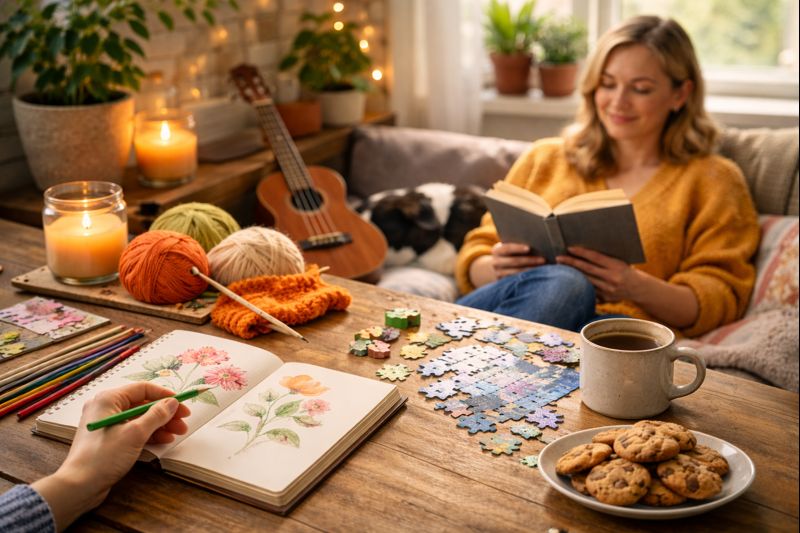
Creative activities are excellent screen time alternatives because they keep your hands busy and your mind focused. For example, junk journaling, sketching, adult coloring books, candle or wax melt making, knitting, crocheting, and DIY home décor crafts all provide relaxing ways to unwind. Plus, you get something tangible at the end instead of just another forgotten video.
Relaxing Offline Hobbies to Unwind After a Long Day
If your goal is to relax, calming offline hobbies are far more effective than endless scrolling. Reading physical books, doing puzzles, gardening, baking from scratch, or taking evening walks all help slow racing thoughts. Unlike screens, these activities don’t flood your brain with constant input. Instead, they create mental space and ease tension naturally.
Skill-Building Hobbies for Adults Who Want Something More
Trying something new adds excitement back into your routine. That’s why hobbies for adults that involve learning can be energizing. Learning calligraphy, playing a musical instrument, woodworking, cooking new cuisines, or photography with a real camera all provide a sense of progress. Each small improvement gives your brain a reward that scrolling simply cannot match.
How to Replace Scrolling Without Feeling Deprived
Quitting scrolling all at once rarely works. Instead, start with one small swap. For instance, set one no-scroll window each evening and use that time for a hobby.
Also, make your hobbies easier to access than your apps. Leave craft supplies on the table, keep a book on the couch, or set up a puzzle where you normally sit. When hobbies are visible and convenient, you’re much more likely to choose them. Most importantly, don’t aim for perfection. The goal is not to be amazing overnight. The goal is to spend less time scrolling and more time doing things that feel real.
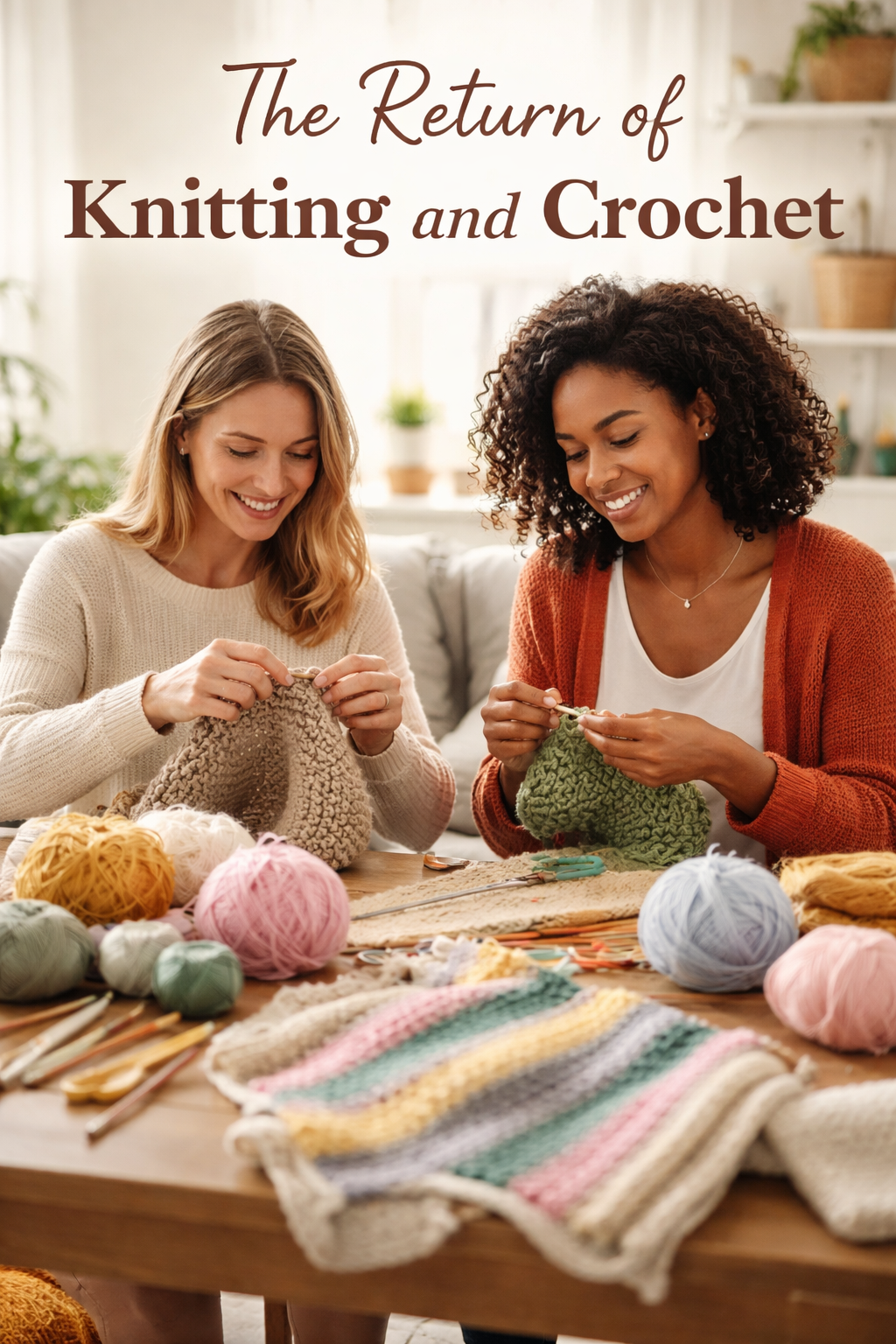
Related: The Return of Knitting and Crochet
Why Screen Time Alternatives Improve Your Mood
There’s a reason you feel different after baking cookies compared to watching random videos for an hour. Hobbies give you a sense of progress, a break from comparison culture, mental focus that quiets anxious thoughts, and even small physical movement that helps release tension.
Over time, choosing hobbies instead of scrolling can improve sleep, reduce stress, and make daily life feel more satisfying.
Final Thoughts on Choosing Hobbies Over Scrolling
Scrolling will always be there. However, your time, energy, and creativity are limited. By adding more screen time alternatives into your routine, you’re building skills, memories, and a life that feels less digital and more fulfilling.
So tonight, instead of reaching for your phone out of habit, reach for something you can actually make, build, or enjoy in the real world. Your brain will thank you.
Lisa Crow contributed to this article. She is a true crime junkie and lifestyle blogger based in Waco, Texas. Lisa is the Head of Content at Gigi’s Ramblings and Southern Bred True Crime Junkie. She spends her free time traveling when she can and making memories with her large family which consists of six children and fifteen grandchildren.