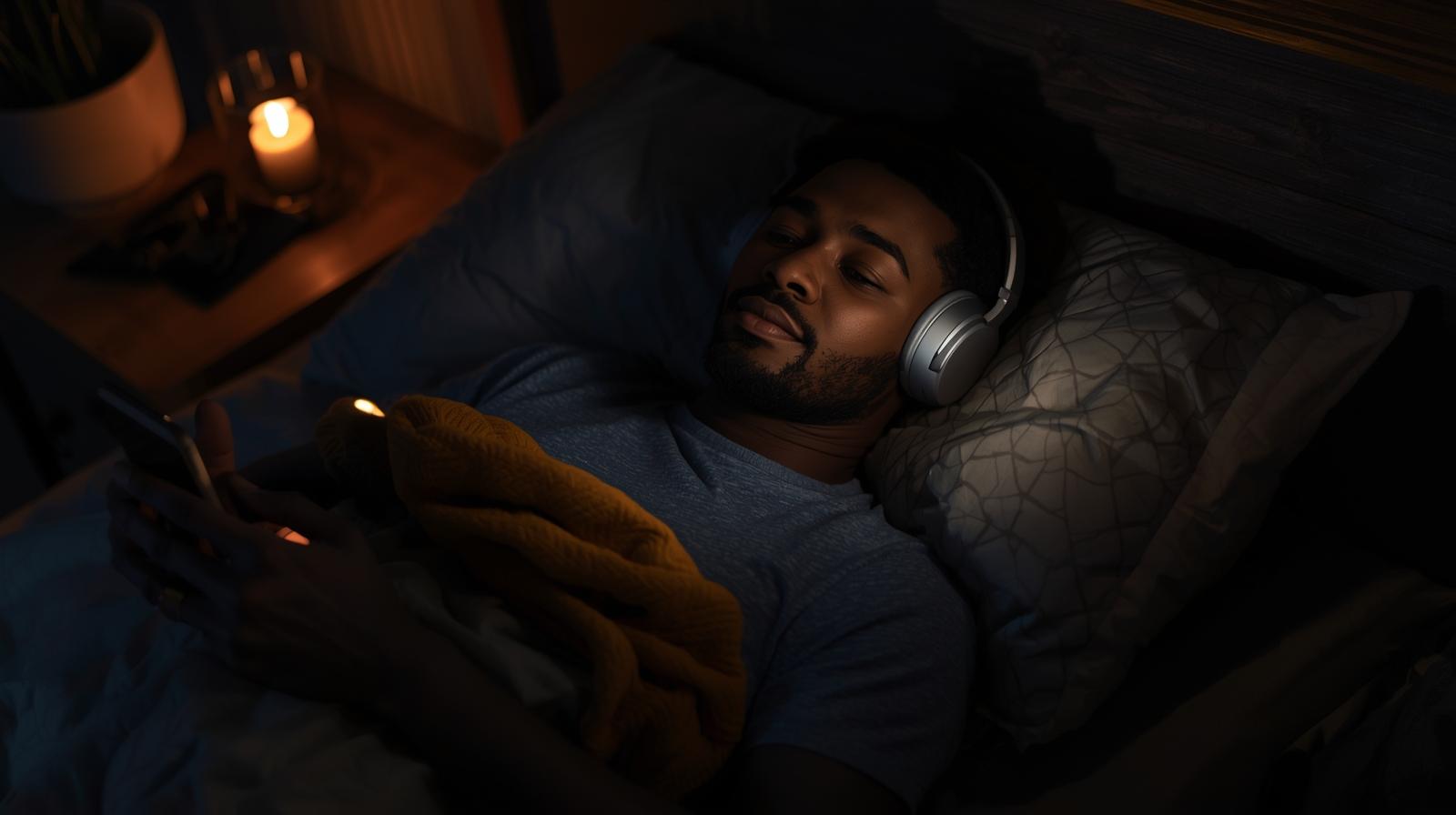
I may be the odd man out here, but I cannot tolerate ASMR at all. It doesn’t relax me. It doesn’t soothe me. It doesn’t give me “tingles.” Instead, it gives me anxiety, makes me uncomfortable, and honestly feels like nails on a chalkboard. The whispering, the mouth sounds, the tapping — all of it sends my nervous system straight into fight-or-flight.
And yet, millions of people swear by it.
ASMR videos pull in billions of views. People use them to fall asleep, calm anxiety, cope with loneliness, and decompress after long days. So how did something that feels unbearable to some become the internet’s favorite relaxation tool for so many others?
What ASMR Actually Is
ASMR stands for Autonomous Sensory Meridian Response. It describes a physical sensation, often a tingling feeling that starts at the scalp and moves down the neck or spine, triggered by certain sounds or visual cues.
Common ASMR triggers include whispering or soft-spoken voices, tapping or scratching sounds, page turning, slow hand movements, and personal-attention roleplay like haircuts, eye exams, or makeup application.
For people who experience ASMR, these triggers don’t just sound pleasant. They create a genuine sense of calm and safety.
Why So Many People Find ASMR Relaxing
It Slows the Nervous System
ASMR can activate the parasympathetic nervous system, the part responsible for rest and recovery. Heart rate slows, breathing deepens, and the body relaxes. For people dealing with chronic stress or anxiety, this response can feel almost immediate.
It Mimics Care and Attention
A lot of ASMR content is intentionally gentle and personal. Soft voices, slow movements, and focused attention mimic being cared for. For people who feel lonely, overwhelmed, or emotionally drained, that sense of calm presence can be deeply comforting.
It Helps With Sleep
Many people rely on ASMR the same way others use white noise or calming music. The repetitive, predictable sounds help quiet racing thoughts and create a mental off-switch at bedtime.
Why ASMR Has the Opposite Effect on Some People
If ASMR makes your skin crawl instead of relax, you’re not broken. Your brain just processes sensory input differently.
Sensory Sensitivity
Certain sounds can trigger irritation or anxiety rather than calm. Whispering, mouth sounds, and repetitive noises can feel invasive or overwhelming instead of soothing.
Misophonia Overlap
There’s a strong overlap between disliking ASMR and misophonia, a condition where specific sounds cause intense emotional reactions like anger, anxiety, or panic. What relaxes one person can genuinely distress another.
Forced Intimacy Can Feel Uncomfortable
ASMR often simulates closeness. For some people that feels safe. For others it feels awkward, unsettling, or even intrusive, especially when it comes from a stranger on a screen.
Why ASMR Exploded Online
It’s Accessible
ASMR doesn’t require expensive setups. A microphone, patience, and consistency are enough. That low barrier helped it spread rapidly across YouTube, TikTok, and streaming platforms.
It Solves a Modern Problem
We live in a loud, fast, overstimulated world. ASMR offers the opposite: slow, quiet, intentional content. For many people, it’s an antidote to constant noise and digital overload.
Algorithms Push It
ASMR videos keep viewers engaged for long periods, especially at night. That watch time makes platforms push the content even harder, keeping ASMR constantly circulating.
Is ASMR Actually Good for You?
For people who enjoy it, yes. Research suggests ASMR can reduce stress, improve mood, and help with sleep.
For people who hate it, forcing yourself to like it is pointless. Relaxation isn’t universal. If ASMR spikes your anxiety, your brain is doing exactly what it’s supposed to do.
Final Thoughts
ASMR didn’t become the internet’s favorite relaxation tool because everyone loves it. It became popular because for the people it works for, it works incredibly well.
And for the rest of us, there’s comfort in knowing we’re not alone, even if our idea of relaxation sounds nothing like whispering into a microphone in the dark.
Lisa Crow contributed to this article. She is a true crime junkie and lifestyle blogger based in Waco, Texas. Lisa is the Head of Content at Gigi’s Ramblings and Southern Bred True Crime Junkie. She spends her free time traveling when she can and making memories with her large family which consists of six children and fifteen grandchildren.