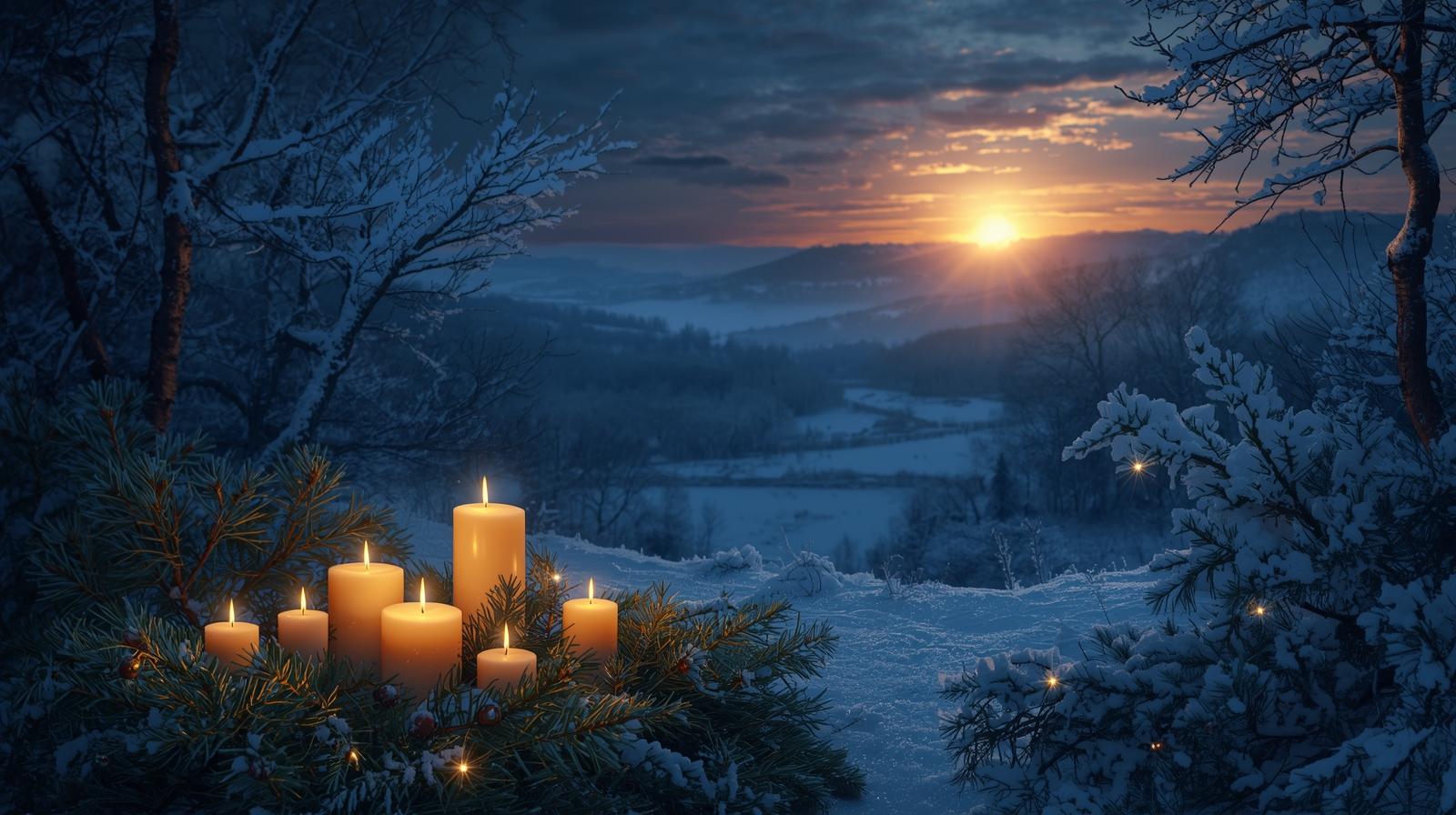
The winter solstice marks a powerful turning point in the year. It is the shortest day and longest night, signaling the return of longer daylight hours ahead. Observed for thousands of years, the winter solstice has deep historical, spiritual, and cultural significance across civilizations.
What Is the Winter Solstice?
The winter solstice occurs when the Earth’s axis tilts farthest away from the sun. In the Northern Hemisphere, this usually falls on December 21 or 22. On this day, the sun reaches its lowest point in the sky, resulting in the least amount of daylight all year.
After the solstice, days gradually begin to grow longer. For ancient cultures, this shift symbolized hope, renewal, and survival during the darkest part of winter.
Ancient History of the Winter Solstice
Long before modern calendars, ancient civilizations tracked the sun with remarkable accuracy. Stonehenge in England, Newgrange in Ireland, and Chaco Canyon in New Mexico were all aligned to the solstice, showing its importance in early societies.
The Romans celebrated Saturnalia, a festival honoring Saturn, the god of agriculture. It included feasting, gift-giving, and social role reversals. In Scandinavia, Norse cultures observed Yule, lighting fires and candles to welcome the sun’s return. Many of these traditions influenced later winter holidays.
For agricultural communities, the solstice marked a critical moment. It confirmed that the sun would return, crops would grow again, and life would continue.
Spiritual Meaning and Symbolism
Spiritually, the winter solstice represents rebirth and transformation. Darkness reaches its peak, but light is reborn. Many belief systems view this as a time for reflection, rest, and setting intentions for the year ahead.
In pagan traditions, the solstice honors nature’s cycles. It encourages slowing down, conserving energy, and embracing stillness. Modern spiritual practices often focus on gratitude, inner work, and personal renewal during this time.
The solstice reminds us that even in darkness, change is already underway.
Modern Winter Solstice Celebrations
Today, the winter solstice is celebrated in both traditional and modern ways. Some people light candles, build fires, or decorate with evergreen branches to symbolize endurance and life. Others observe it quietly with journaling, meditation, or family gatherings.
In recent years, interest in solstice traditions has grown as people seek deeper meaning during the winter season. The focus has shifted toward mindfulness, balance, and reconnecting with nature.
Why the Winter Solstice Still Matters
In a fast-paced world, the winter solstice offers a rare pause. It encourages rest, reflection, and patience. It reminds us that cycles are natural and that growth often begins in stillness.
The return of light after the longest night is a timeless message of hope. No matter how dark things feel, brighter days are already on their way.
Understanding the winter solstice helps us reconnect with ancient wisdom while finding meaning in the present.
Lisa Crow contributed to this article. She is a true crime junkie and lifestyle blogger based in Waco, Texas. Lisa is the Head of Content at Gigi’s Ramblings and Southern Bred True Crime Junkie. She spends her free time traveling when she can and making memories with her large family which consists of six children and fifteen grandchildren.