Martin Luther King Jr. is often remembered through a handful of famous quotes and a single historic speech, but reducing his legacy to soundbites misses the depth of who he was and what he endured. MLK Day is not just about remembrance — it’s about understanding the full scope of his work, his sacrifices, and the physical and emotional miles he walked in pursuit of justice.
The Side of MLK We Rarely Talk About
Dr. King was only 39 years old when he was assassinated, yet by that age he had already been arrested nearly 30 times. He was not universally loved during his lifetime — in fact, public opinion polls near the end of his life showed him viewed unfavorably by much of the country.
He struggled deeply with stress, exhaustion, and depression, often sleeping only a few hours a night while constantly moving from city to city. Despite this, he continued pushing forward, even when his life was repeatedly threatened and his family was placed in danger.
One lesser-known fact: the FBI monitored King relentlessly, wiretapping his phone, following his movements, and attempting to discredit him publicly. This constant surveillance didn’t stop him — it strengthened his resolve.
Walking the Road of Protest: The March Routes That Changed History
When we think of the civil rights movement, we picture massive crowds — but those crowds had to walk somewhere.
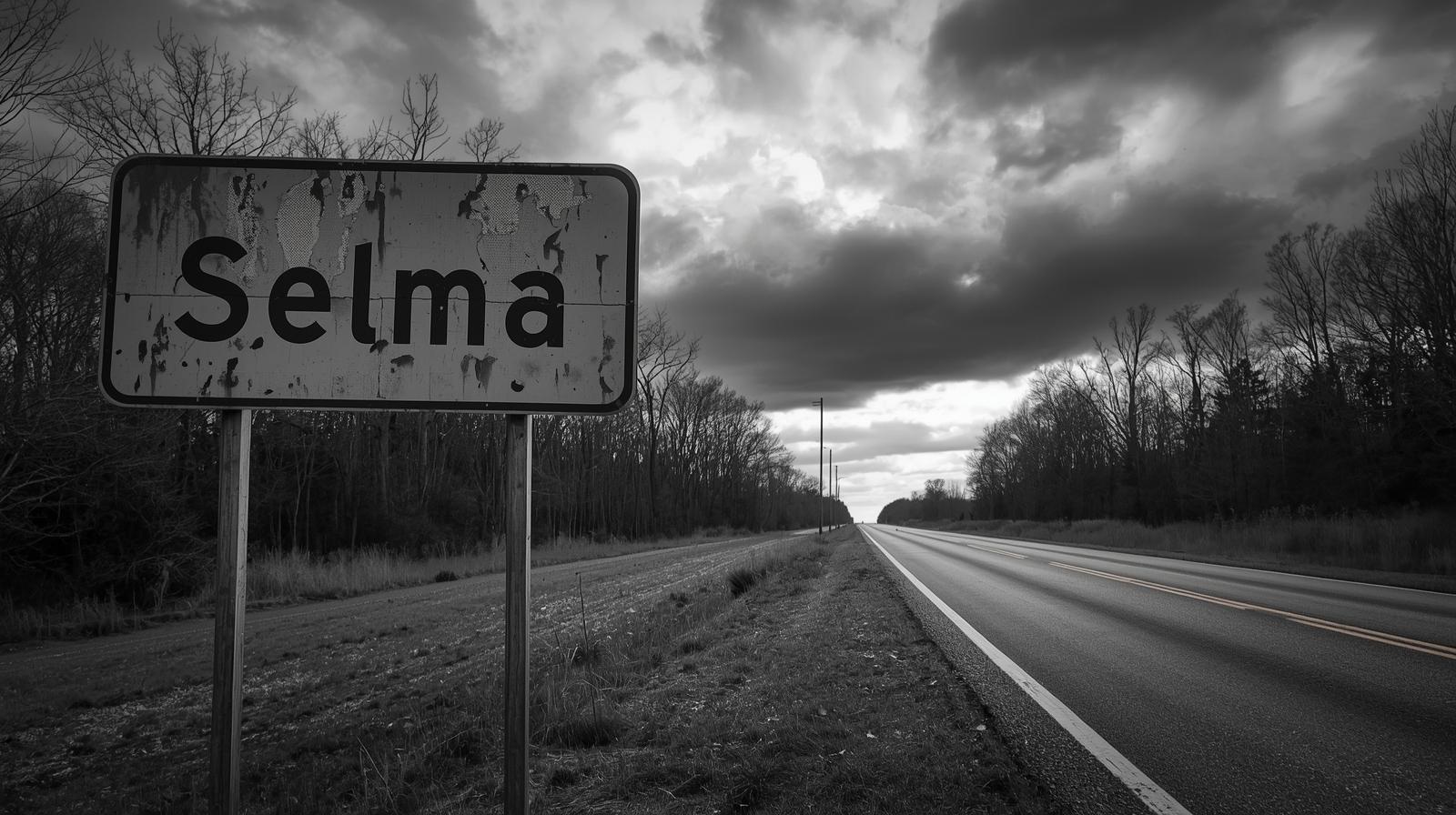
One of the most powerful examples is the Selma to Montgomery march in 1965. Protesters walked roughly 54 miles over five days, facing violence, intimidation, and exhaustion. The route crossed the Edmund Pettus Bridge, where peaceful demonstrators were brutally attacked in what became known as “Bloody Sunday.”
Walking that route today offers a sobering reminder: change didn’t come from speeches alone. It came from blistered feet, fear, and determination.
Across the country, communities now organize remembrance walks, retracing civil rights paths or symbolically marching through neighborhoods that still face inequality. These walks turn history into something physical — something felt, not just read.
Related: Black History Month: Highlighting Unsung Heroes
MLK’s Message Was Bigger Than One Day
Dr. King didn’t fight only for racial equality. He spoke openly about poverty, workers’ rights, housing injustice, and the dangers of silence. Near the end of his life, his focus expanded to economic inequality, including the Poor People’s Campaign — a movement that made many of his allies uncomfortable.
He believed justice required action, not comfort.
“True peace is not merely the absence of tension; it is the presence of justice.”
That message remains just as relevant today.
How to Honor MLK Day Beyond Quotes and Social Posts
Remembering Martin Luther King Jr. doesn’t require grand gestures. It requires intention.
- Visit a local civil rights landmark or historic route
- Attend a community walk or service event
- Read one of King’s lesser-known speeches or letters
- Support local organizations working toward equality
- Have honest conversations about injustice, even when uncomfortable
MLK Day was designed as a day of service, not a day off.
Carrying the Legacy Forward
Martin Luther King Jr. didn’t believe the work would end in his lifetime — and it didn’t. His legacy lives not in monuments or holiday posts, but in the choices made every day to stand up, speak out, and walk forward even when it’s hard.
Remembering him means continuing the journey.
Lisa Crow contributed to this article. She is a true crime junkie and lifestyle blogger based in Waco, Texas. Lisa is the Head of Content at Gigi’s Ramblings and Southern Bred True Crime Junkie. She spends her free time traveling when she can and making memories with her large family which consists of six children and fifteen grandchildren.