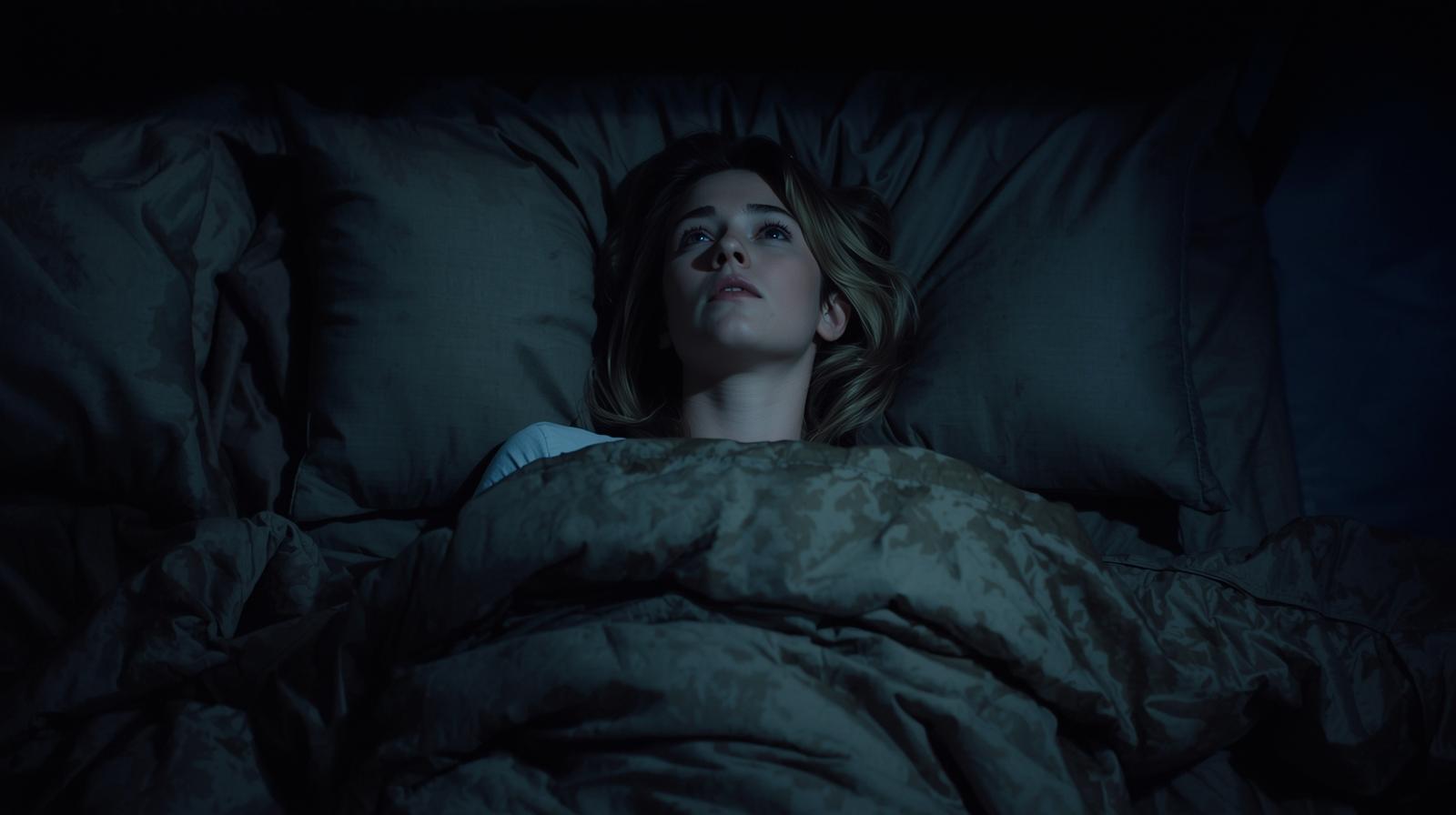
Late-night thoughts hit differently than daytime thoughts. When everything is quiet and distractions disappear, the mind suddenly feels louder, heavier, and harder to control. The psychology of late-night thoughts explains why worries grow, emotions intensify, and memories resurface just as you’re trying to fall asleep. This isn’t random or weakness. It’s how the brain behaves when it’s tired, overstimulated, and finally alone with itself.
Why Late-Night Thoughts Feel So Intense
As night sets in, the brain’s ability to regulate emotions weakens. The prefrontal cortex, responsible for logic, impulse control, and rational thinking, slows down with fatigue. Meanwhile, emotional centers like the amygdala remain active. This imbalance causes late-night thoughts to feel more personal and more threatening. Problems that seemed manageable during the day suddenly feel overwhelming because the brain has lost its emotional filter.
Mental Fatigue and Nighttime Overthinking
Mental fatigue plays a huge role in nighttime overthinking. By the end of the day, your brain has processed stress, decisions, conversations, and constant stimulation. When energy runs low, the brain relies on repetitive thought patterns. This is why late-night thoughts often spiral or loop. You replay conversations, analyze past mistakes, and imagine worst-case scenarios because the brain is exhausted but still searching for answers.
Why Silence Makes Thoughts Louder
Silence is fuel for late-night thoughts. During the day, noise, tasks, and social interaction keep intrusive thoughts at bay. At night, those distractions vanish. Psychologically, when external stimulation drops, internal awareness increases. The brain fills the quiet with unresolved emotions and unfinished mental business. Thoughts that were buried during the day finally surface because there’s nothing left to drown them out.
Related: Why ASMR Became the Internet’s Favorite Relaxation Tool
Emotional Vulnerability After Dark
Emotional vulnerability increases at night. Studies show that sleep deprivation intensifies negative emotions while dulling positive ones. This explains why late-night thoughts tend to lean toward anxiety, regret, or self-doubt. Your brain is less capable of emotional balance, making fears feel more believable and emotions feel heavier. It’s not that things are worse at night, it’s that your emotional resilience is lower.
Late-Night Thoughts and Anxiety
Late-night thoughts and anxiety are tightly connected. When the brain is tired, it becomes more reactive to perceived threats. Anxiety thrives in this state, convincing you that worries are urgent and unsolvable. This is why late-night anxiety often leads to catastrophic thinking. The brain jumps to conclusions without evidence because logic is offline and emotion is driving the conversation.
Why Creativity Shows Up at Night Too
Not all late-night thoughts are negative. Creativity often spikes during nighttime hours. With fewer distractions and reduced self-criticism, the brain becomes more open to abstract and imaginative thinking. This is why ideas, insights, and creative breakthroughs often appear late at night. The same loosened mental control that fuels overthinking can also unlock creativity.
Related: The Long-Term Effects of Never Fully Resting
How to Manage Late-Night Thoughts
Managing late-night thoughts starts with understanding that tired thoughts are unreliable. Writing worries down helps move them out of your head and signals closure to the brain. Calming routines, dim lighting, and reduced screen time lower mental stimulation. Most importantly, remind yourself that thoughts at night feel real but aren’t always accurate. What feels massive at midnight often shrinks after sleep.
Why Morning Perspective Changes Everything
Sleep restores balance between emotion and logic. After rest, the brain regains its ability to evaluate problems realistically. This is why late-night worries often feel less intense in the morning. Late-night thoughts come from a tired brain, not a clear one. Understanding this makes it easier to let thoughts pass instead of spiraling when the lights go out.g.
Lisa Crow contributed to this article. She is a true crime junkie and lifestyle blogger based in Waco, Texas. Lisa is the Head of Content at Gigi’s Ramblings and Southern Bred True Crime Junkie. She spends her free time traveling when she can and making memories with her large family which consists of six children and fifteen grandchildren.