heart shaped dandelion

Image by Franky from Pixabay

As the days grow longer, the temperatures rise, and flowers begin to bloom, many people experience a noticeable shift in mood and energy levels. This phenomenon, often referred to as “spring fever,” is more than just a seasonal expression—it has a real scientific basis. From hormonal changes to increased sunlight exposure, several factors contribute to this seasonal surge in motivation and happiness. Let’s dive into the science behind spring fever and explore how it affects you.

What Is Spring Fever?

Spring fever is often described as a mix of restlessness, excitement, and an overall boost in energy that comes with the arrival of warmer weather. Some people feel a strong urge to clean, start new projects, or spend more time outdoors, while others notice an increase in romantic feelings or creativity. But what exactly causes these changes?

The Science Behind Spring Fever

  1. Increased Sunlight & Serotonin Production
    One of the biggest contributors to spring fever is sunlight. During the winter months, shorter days and reduced sun exposure can lead to lower levels of serotonin, the neurotransmitter responsible for mood regulation. As daylight increases in spring, your body produces more serotonin, resulting in improved mood, higher energy levels, and reduced feelings of fatigue or sadness.
  2. Melatonin & Sleep Patterns
    Melatonin, the hormone that regulates sleep, is influenced by light exposure. In winter, longer nights lead to higher melatonin production, making people feel more tired and sluggish. When spring arrives and daylight extends, melatonin production decreases, leading to increased alertness and a natural boost in energy.
  3. Temperature Changes & Blood Flow
    Warmer temperatures encourage better circulation and help muscles relax. Cold weather constricts blood vessels, leading to feelings of stiffness and fatigue. As temperatures rise, blood flow improves, making people feel more awake, active, and ready to move.
  4. Hormonal Shifts & Increased Dopamine
    Spring is often associated with love and romance, and there’s a scientific reason for that. Longer days and increased sunlight can trigger the release of dopamine, a neurotransmitter linked to pleasure and motivation. This can lead to an increase in social behavior, attraction, and even a stronger desire to pursue new experiences.
  5. More Outdoor Activity & Vitamin D
    Spending time outside in the sunshine naturally boosts vitamin D levels, which plays a crucial role in immune function and mood regulation. More time outdoors also means more movement and exercise, which further enhances endorphin levels and contributes to an overall sense of well-being.

How Spring Fever Affects You

  • Increased Motivation – Many people feel a renewed sense of purpose and ambition during spring, making it a great time to start new projects or set personal goals.
  • Boosted Mood – Thanks to the serotonin and dopamine boost, feelings of happiness and optimism tend to be higher.
  • Heightened Social Energy – Warmer weather and longer days naturally encourage more social interactions, whether through outdoor gatherings, vacations, or simply spending more time outside.
  • Stronger Romantic Feelings – The combination of hormonal changes and increased socialization can lead to an uptick in romantic attraction and interest.
  • Spring Cleaning Urge – Many people feel the need to declutter and refresh their homes, which could be linked to the desire for a fresh start that comes with the season.

Related: Spring Simmer Pot Recipes to Refresh Your Home

Embracing Spring Fever

If you find yourself experiencing the effects of spring fever, embrace them! Take advantage of the increased energy by setting new goals, spending time outdoors, and reconnecting with friends and family. Incorporate physical activity into your routine, soak up the sunlight, and use this seasonal shift to bring positivity and motivation into your life.

Spring fever isn’t just a myth—it’s a natural reaction to seasonal changes that can leave you feeling revitalized, inspired, and ready for new beginnings.

Lisa Crow contributed to this article. She is a true crime junkie and lifestyle blogger based in Waco, Texas. Lisa is the Head of Content at Gigi’s Ramblings and Southern Bred True Crime Junkie. She spends her free time traveling when she can and making memories with her large family which consists of six children and fifteen grandchildren.

This website may contain affiliate links, including links to products on Amazon. As an Amazon Affiliate, I earn from qualifying purchases. This does not affect your purchase price but helps support the site at no additional cost to you. Thank you for your support!

colorful vegetables

Image by Jill Wellington from Pixabay

Winter might not seem like the ideal time to think about gardening, but it’s actually perfect for planning your spring garden. With the hustle of the holidays behind you, take advantage of the slower pace to prepare for a vibrant and productive spring. Here are some simple tips to help you get started.

1. Reflect on Last Year’s Garden

Take some time to think about what worked well in your garden last year and what didn’t. Did certain plants thrive while others struggled? Were there pests or diseases that caused problems? Make notes on these observations. Understanding your garden’s successes and challenges will help you make better decisions for the upcoming season.

2. Dream Big and Set Goals

Winter is the perfect time to dream about your ideal garden. Would you like more flowers for cutting? Are you hoping to grow more of your own food? Make a list of what you want to achieve in your garden this year. Setting clear goals will guide your planning and help you stay focused as the season progresses.

3. Research and Choose Your Plants

Spend some time researching different plants that will thrive in your climate and soil. Look for varieties that are well-suited to your garden’s conditions. Consider factors like sunlight, space, and maintenance needs. Make a list of plants you want to include, keeping in mind both aesthetics and functionality.

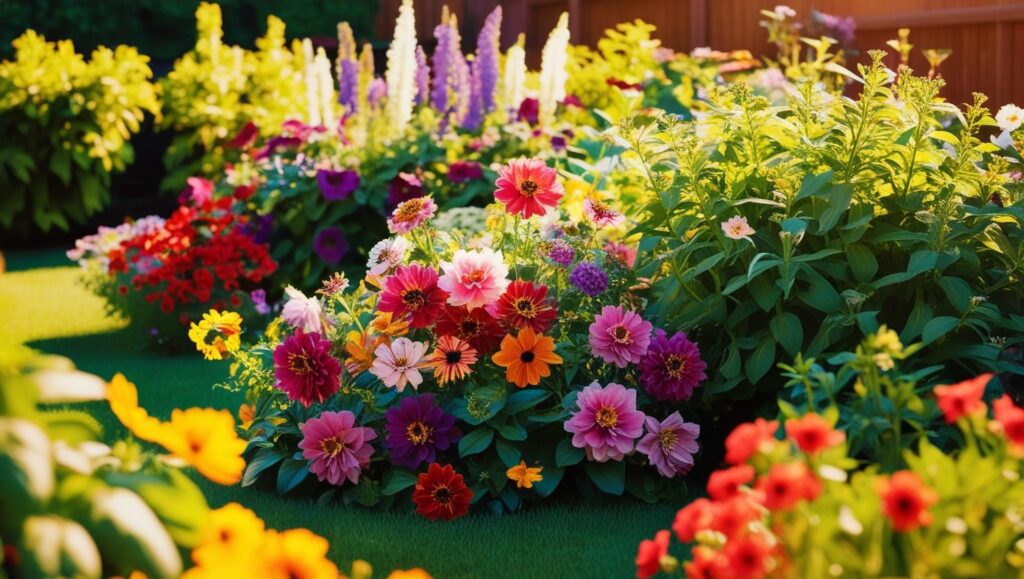
backyard garden

Image created with Canva Magic Studio

4. Plan Your Garden Layout

Once you have an idea of what you want to plant, sketch out a rough layout of your garden. Think about the height, color, and blooming times of plants to create a balanced and visually appealing space. Also, consider companion planting to maximize growth and reduce pests naturally.

5. Start Seed Shopping Early

Many gardeners start buying seeds in the winter, and popular varieties can sell out quickly. Shop early to ensure you get the seeds you want. Look for reputable seed companies and consider trying a few new varieties to keep things interesting.

Related: DIY Gardening: Tips for Starting Your Spring Garden

6. Prepare Your Tools and Supplies

Take inventory of your gardening tools and supplies. Are your gloves worn out? Is your trowel rusting? Winter is a good time to clean, repair, or replace tools so you’re ready when spring arrives. Also, check your supply of potting soil, compost, and fertilizers.

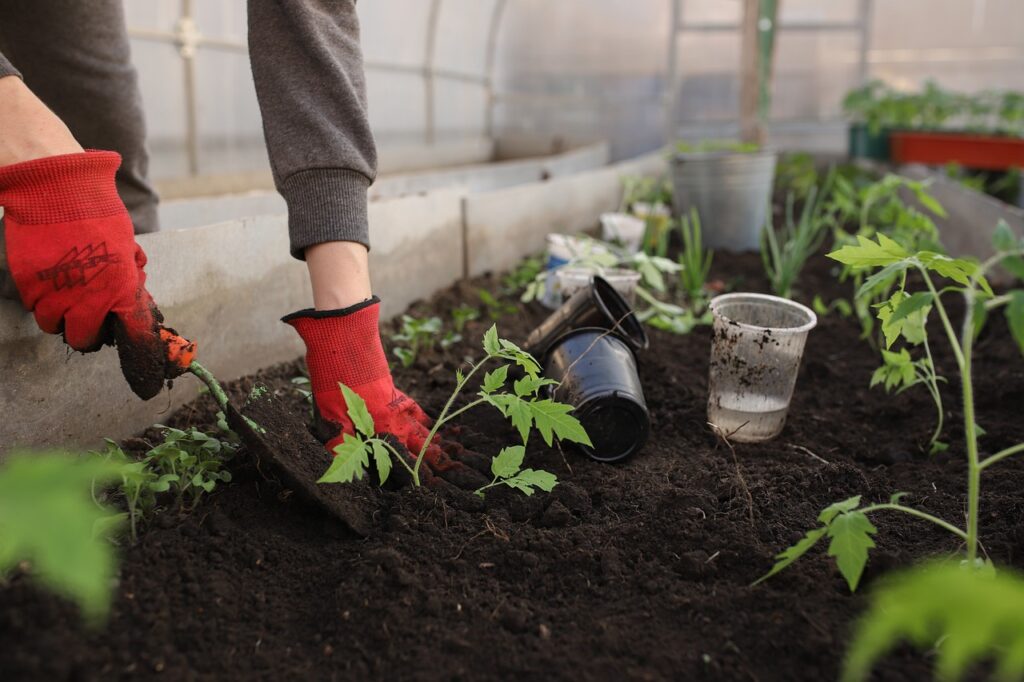
planting garden

7. Start Indoor Seedlings

Depending on your region, late winter is a great time to start certain seeds indoors. This gives your plants a head start before the growing season begins. Use seed trays and a quality seed-starting mix, and place them in a warm, well-lit area. Keep the soil moist and be patient as your seedlings grow.

8. Plan for Pest Management

Think ahead about how you will handle pests in your garden. Research natural pest control methods and consider adding plants that repel insects. Having a plan in place will help you tackle problems quickly if they arise.

9. Join a Gardening Community

Connect with other gardeners through local clubs, social media groups, or gardening forums. Sharing tips, asking questions, and learning from others can be incredibly helpful. It’s also a great way to stay motivated and inspired throughout the season.

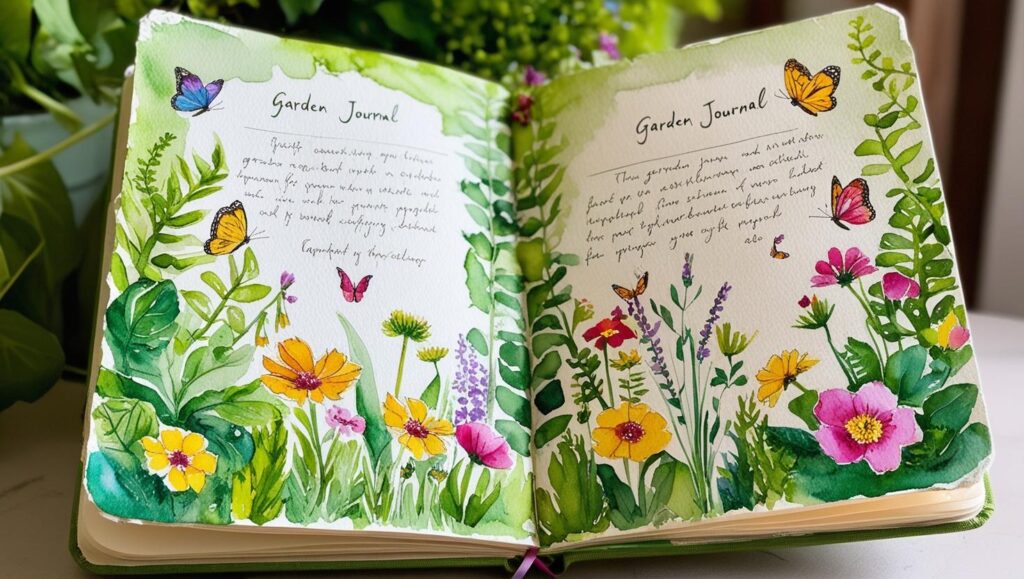
garden journal

Image created with Canva Magic Studio

10. Keep a Garden Journal

Start a garden journal to track your plans and progress. Note important dates like when you started seeds, transplanted seedlings, and when plants bloomed or produced fruit. This information will be invaluable for future garden planning.

11. Educate Yourself

Use the winter months to expand your gardening knowledge. Read books, watch videos, or take online courses on topics like soil health, organic gardening, or landscaping. The more you learn, the better equipped you’ll be to create a thriving garden.

12. Stay Flexible and Have Fun

Remember that gardening is a journey, and things won’t always go as planned. Stay flexible and enjoy the process. Nature has its own timeline, and part of the joy of gardening is learning to work with it rather than against it.

By taking these steps during the winter, you’ll set yourself up for a successful and enjoyable gardening season. Happy planting!

Lisa Crow contributed to this article. She is a true crime junkie and lifestyle blogger based in Waco, Texas. Lisa is the Head of Content at Gigi’s Ramblings and Southern Bred True Crime Junkie. She spends her free time traveling when she can and making memories with her large family which consists of six children and fifteen grandchildren.

This website may contain affiliate links, including links to products on Amazon. As an Amazon Affiliate, I earn from qualifying purchases. This does not affect your purchase price but helps support the site at no additional cost to you. Thank you for your support!