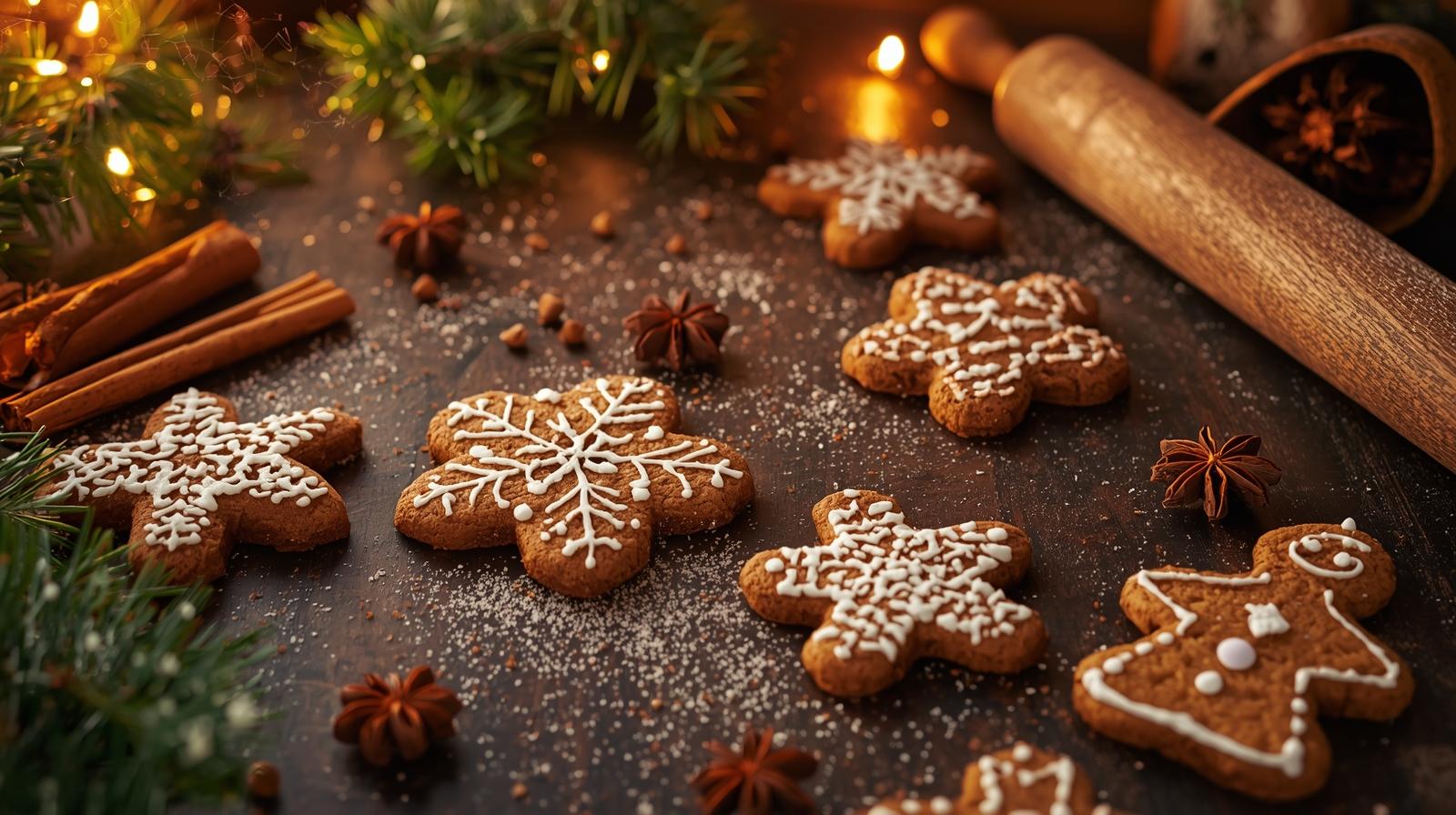
A Sweet Little Legend With a Whole Lot of Spice
Gingerbread isn’t just a cute holiday cookie — it’s one of the oldest and most storied treats on the planet. This spicy, cozy classic has been everything from medieval medicine to a royal flex to a symbol of holiday warmth. And honestly? It’s kinda amazing we still bake it the same way hundreds of years later.
Let’s take a ride through its past — no corny stuff, just real history and good vibes.
Where Gingerbread Started (Hint: Not in a Christmas Kitchen)
Gingerbread goes way back — like Ancient Greece and Rome back.
Ginger was prized as a healing spice, so early versions were more like medicinal pastes or preserved ginger mixed with honey. No cute little men yet.
By the Middle Ages, Europeans were adding breadcrumbs, spices, and honey to make early gingerbread cakes. These were used to:
- Settle stomachs
- Freshen breath
- Treat “melancholy” (basically medieval seasonal depression)
So yeah… gingerbread was originally mood medicine. Kinda fitting for winter.
The Queen Who Made Gingerbread Fancy
Enter Queen Elizabeth I, who absolutely loved extra stuff.
She had her bakers shape gingerbread into the likeness of visiting dignitaries — yes, she literally handed out edible portraits to impress people.
This is where gingerbread men were born.
Royal shade, but make it snackable.
Gingerbread at Festivals & Fairs
By the 1500s and 1600s, gingerbread became a festival treat. People bought it at fairs shaped like:
- Hearts
- Flowers
- Animals
- Good luck charms
Some folks even believed gingerbread carried magical properties — wearing it, gifting it, or eating certain shapes to attract love or protection.
Basically the original Pinterest manifestation board.
Germany Takes It to a Whole New Level
Germany said, “That’s cute, but watch this,” and created Lebkuchen, the iconic gingerbread cookies decorated with intricate icing.
Then came gingerbread houses, inspired by — you guessed it — the Hansel & Gretel fairy tale.
These became a holiday staple because:
- They looked festive
- They doubled as décor
- And kids loved them (still do)
The tradition spread everywhere and now even adults find themselves elbows-deep in royal icing like contestants on a baking show.
How Gingerbread Became a Christmas Must-Have
Ginger was warming, rare, and expensive — so gingerbread naturally aligned with winter feasts. Eventually, it got tied tightly to Christmas traditions because:
- It stores well
- It smells like a holiday mood
- And it feels nostalgic even if you didn’t grow up eating it
Some families bake the same recipe every year. Others go full engineering mode with elaborate gingerbread mansions.
Either way — it’s officially part of December’s DNA.
The Sweet Symbolism
Beyond taste, gingerbread carries themes of:
- Warmth
- Home
- Creativity
- Festivity
- Good luck and prosperity
A simple cookie that still somehow manages to feel like love, memory, and holiday magic baked together.
Lisa Crow contributed to this article. She is a true crime junkie and lifestyle blogger based in Waco, Texas. Lisa is the Head of Content at Gigi’s Ramblings and Southern Bred True Crime Junkie. She spends her free time traveling when she can and making memories with her large family which consists of six children and fifteen grandchildren.