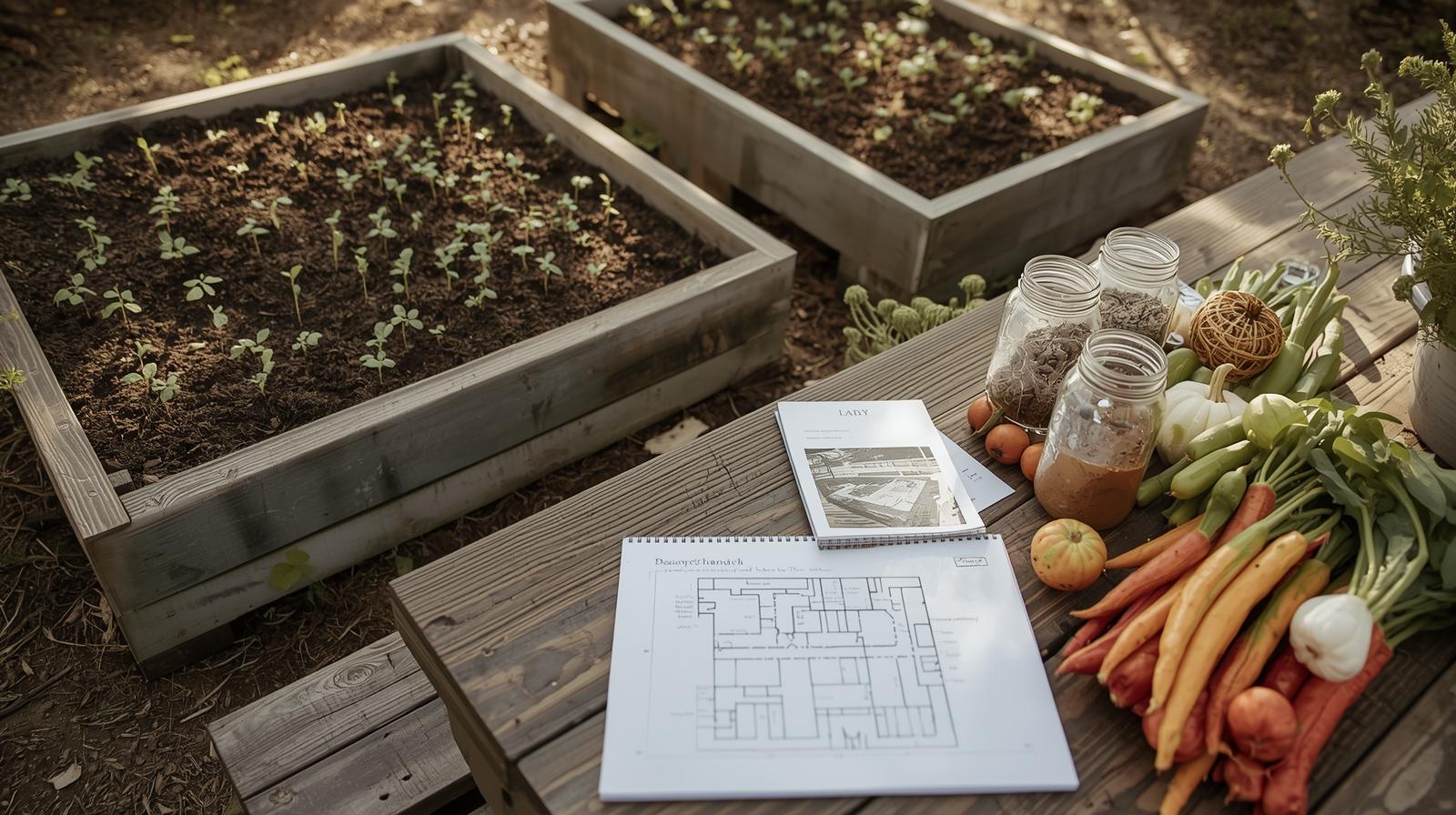
Becoming more self-sufficient is something we’ve been thinking about seriously, not as a trend but as a long-term goal. Rising food costs, supply issues, and a growing desire to rely less on outside systems have pushed us to start preparing now rather than waiting until it feels urgent.
One of the most important parts of that preparation is food. Learning how to grow and preserve our own food through gardening and canning feels like a practical, achievable place to start. The goal isn’t perfection or doing everything at once. It’s education, planning, and building skills that can grow over time.
Why Gardening and Canning Are the Foundation
Gardening gives you control over what you grow and how it’s produced. Canning ensures that work doesn’t go to waste and allows you to stock a pantry that supports your household year-round. Together, they create food security and reduce dependence on constant grocery store trips.
Starting now gives us time to learn without pressure, make mistakes safely, and build confidence before investing heavily in supplies or expanding production.
Learning Before Doing
Before buying seeds or jars, education comes first. Understanding soil, climate, planting schedules, and food safety makes everything else easier and far less overwhelming.
Books remain one of the most reliable resources, especially for canning where safety matters. Gardening guides specific to Texas and trusted preservation manuals help cut through misinformation and avoid risky shortcuts.
Understanding Our Growing Area
Living in Central Texas means gardening comes with both advantages and challenges. We have a long growing season, mild winters, and intense summer heat. Spring and fall gardens are both possible, but crop selection and timing matter.
Knowing our USDA hardiness zone, average frost dates, and which plants tolerate heat helps shape the entire plan, from seed choices to planting schedules.
Building on Past Gardening Experience
This isn’t our first experience with gardening. In the past, we’ve had consistent success with squash, bell peppers, jalapeños, cucumbers, tomatoes, onions, and okra. Even without a perfect setup, these crops have done well for us, which gives us a solid foundation to build on.
That experience matters. Instead of starting from scratch, the focus now is on expanding intentionally. We already know what works in our climate, so the goal is to add variety, improve planning, and grow with preservation and storage in mind.
Planning the Garden Before Buying Seeds
A productive garden starts with a plan, not impulse purchases. Knowing how much space is available, how much sun the area gets, and how much time can realistically be committed each week prevents frustration later.
Just as important is growing food we actually use and know how to preserve. Gardening for self-sufficiency means thinking beyond harvest and planning for storage.
Basic Garden Planning Checklist
- Measure available growing space
- Decide on in-ground beds, raised beds, or containers
- Track daily sun exposure
- Choose crops with preservation in mind
- Plan planting dates and succession crops
- Leave room for mistakes and learning
Easy Vegetables to Grow and Can in Central Texas
Some vegetables are simply more forgiving than others, especially for gardeners who want reliable results.
Tomatoes are versatile and ideal for sauces, salsas, and juice. Green beans grow quickly and pressure can well. Peppers thrive in the heat and can be pickled or canned. Cucumbers are productive and perfect for pickling. Okra handles Texas summers effortlessly and preserves well. Squash and zucchini produce heavily and freeze or can easily. Onions store well and are used in nearly every preservation recipe.
These crops will remain staples in the plan because they’re dependable and useful.
Expanding Beyond the Basics
While those reliable vegetables will stay part of the garden, adding new crops increases flexibility and variety.
Additional vegetables worth incorporating include carrots, bush beans, sweet potatoes, beets, Swiss chard, and herbs like basil and oregano. These pair well with existing crops and open the door to more canning, freezing, drying, and everyday cooking options.
Vegetables That Grow Well in Planters and Containers
Not everything needs to be planted in the ground. Container gardening allows for flexibility, better soil control, and easier pest management. It also makes it possible to grow more food without expanding the footprint of the main garden.
Peppers, tomatoes (especially determinate or patio varieties), cucumbers with trellises, bush beans, leafy greens like lettuce and spinach, radishes, green onions, and herbs all grow well in planters. Larger containers can also support dwarf squash varieties and even sweet potatoes when given enough space.
Incorporating more container gardening into the plan makes it easier to experiment with new crops while keeping things manageable.
Starting Seeds Indoors
Starting seeds indoors allows for stronger plants and better control, especially for heat-loving vegetables like tomatoes and peppers. With the right timing and setup, it’s also more cost-effective than buying transplants.
Basic supplies include seed trays, quality seed-starting mix, proper lighting, and labels. Timing matters, and seedlings need to be hardened off before moving outdoors to avoid shock.
First-Year Canning Goals
The first year of canning isn’t about filling shelves wall to wall. It’s about learning safe techniques and building confidence.
Focusing on a few reliable recipes like tomato sauce, pickles, green beans, and tested salsa recipes keeps the process manageable. Mastering both water bath and pressure canning methods slowly lays the groundwork for expanding later.
Basic Canning Supplies Checklist
- Water bath canner
- Pressure canner
- Mason jars
- New lids
- Jar lifter
- Funnel
- Bubble remover
Creating a Realistic First-Year Plan
Trying to do too much at once is the fastest way to burn out. A better approach is to limit the number of crops, take notes throughout the season, and review what worked at the end.
End-of-Season Review Checklist
- Which crops produced best
- Which struggled and why
- What we actually used and preserved
- What to repeat next year
- What to remove from the plan
Moving Forward With Intention
Self-sufficiency isn’t a destination. It’s a process built through preparation, patience, and consistency. By building on past gardening success, expanding into new crops and container gardening, and learning preservation skills now, we’re creating a foundation that can grow year after year.
This is about progress, not perfection, and about starting before it feels urgent.